A taza de cerámica looks durable, solid, and reusable for years. That is exactly why many people assume it should also be recyclable in the same way as glass or metal. The reality is less convenient: most taza de cerámicas cannot be recycled by consumers through standard curbside systems.
Como fabricante de tazas de cerámica, Kedali can tell that the reason is not simple ignorance or poor recycling behavior. It is a system issue. Recycling depends on material compatibility, sorting infrastructure, and downstream processing rules.
What a Ceramic Mug Is Actually Made Of
A taza de cerámica is not just “baked clay.” It is a carefully engineered product made from clay, feldspar, quartz, and other mineral raw materials. These ingredients are shaped, dried, and then fired at high temperatures, often between 1000°C and 1300°C.
At that temperature, the material becomes dense, hard, and chemically stable. That stability is one of the reasons ceramics perform so well in daily use. It resists heat, moisture, and wear far better than many lower-cost alternatives.
The surface is then finished with a glaze. Glaze serves two functions: it seals the surface and creates the color, texture, and decoration that customers see.
Once the material has been fired, it is no longer a substance that can be easily melted down and remolded like glass or metal.
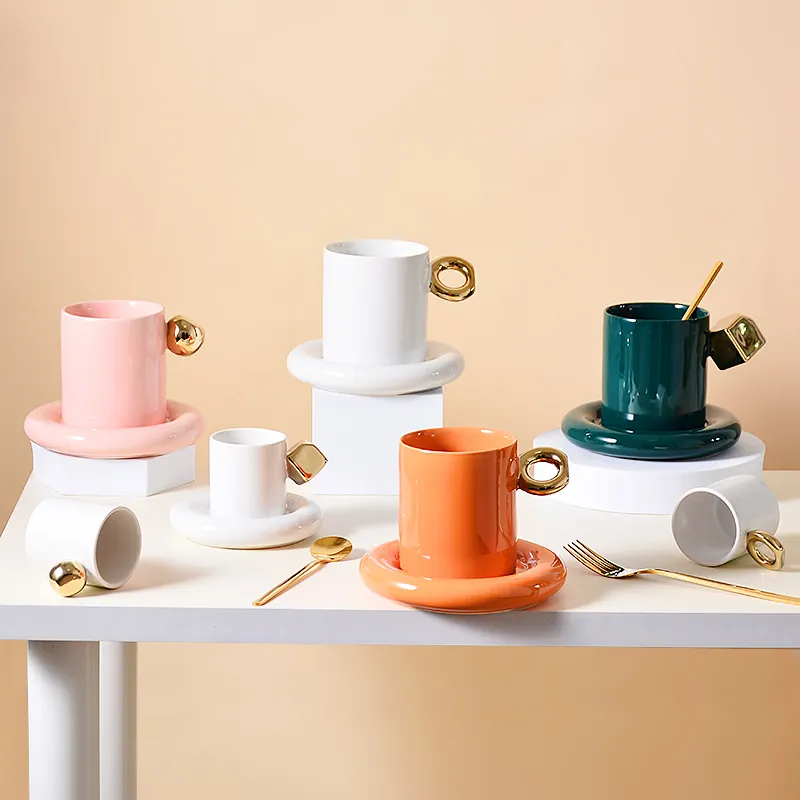
Ceramic Cup Recycle Reality Check
| Factor | Ceramic Mug |
|---|---|
| Recyclable in curbside systems | No |
| Can be remelted like glass | No |
| Durabilidad | Alta |
| Environmental issue | End-of-life disposal |
| Best alternative | Reuse / repurpose |
Why a Ceramic Mug Cannot Be Recycled in Standard Systems
1. It is not remeltable in a practical way
Glass can be collected, crushed, and remelted into new glass products. A fired taza de cerámica cannot. Once ceramic is vitrified, it has a different molecular structure and a much higher resistance to heat. That makes it durable, but it also means it cannot be reprocessed economically in ordinary recycling plants.
2. It contaminates glass recycling streams
Even a small amount of ceramic contamination can ruin a batch of recycled glass. Ceramics and glass may look similar, but they do not behave the same in the furnace. Because ceramics have different melting behaviors, they can cause defects in new glass products.
For this reason, recycling facilities usually treat ceramics as contamination, not recyclable feedstock.
3. Glazes and decorations complicate the stream
A taza de cerámica is rarely plain clay. It usually includes glaze, pigments, decals, metallic trims, or other decorative coatings. These materials add complexity to the waste stream and make sorting harder.
From a recycling plant’s point of view, the mug is not a clean, uniform material. It is a layered product with multiple compositions. That is the opposite of what standard recycling systems prefer.
4. Sorting systems are not built for it
Recycling facilities are designed for large-scale separation efficiency. They are not designed to identify and sort every piece of ceramic manually. In practice, most systems cannot reliably separate a broken taza de cerámica from glass or other inert waste. As a result, the mug is usually rejected.
What Ceramic Cup Factory Do with Ceramic Waste
Ceramic waste is not equal to ceramic cup waste.
Internal recycling in factories
Before a taza de cerámica is fired, unfired scrap can sometimes be reused. This is often called greenware recycling. In limited cases, fired ceramic waste can also be crushed and reused as grog or aggregate in future production, depending on the product type and process.
Industrial downcycling
Crushed ceramics can sometimes be used in construction materials, road base, or cement-related applications. This is not closed-loop recycling, but it is a form of material recovery.
Production waste vs. post-consumer waste
Factory waste is usually clean, controlled, and traceable. Post-consumer mugs are mixed with food residue, metals, and other contaminants. That makes them much harder to process. This difference is important because it explains why manufacturers can recover some ceramic waste internally, while household recycling systems usually cannot.
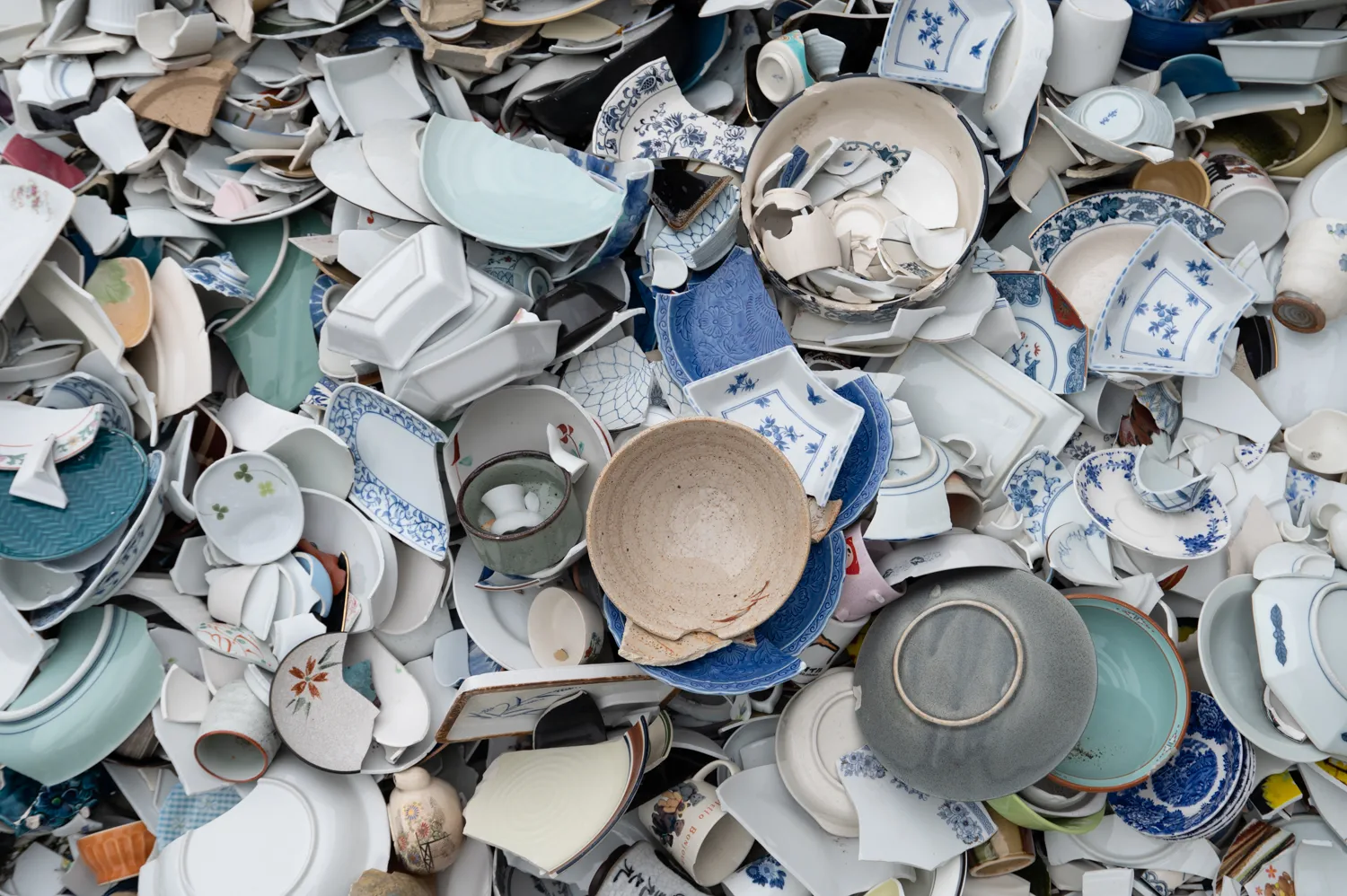
What Consumers Can Do Instead of Recycling a Ceramic Cup
If recycling is not realistic, the next best option is to extend the life of the product.
Reuse and repurpose
A broken or unused taza de cerámica can become a planter, pen holder, utensil cup, or small storage container. Some people also use them for candles or decorative projects.
Donate or pass on
If the mug is still usable, donation is better than disposal. Second-hand stores, charity shops, and community reuse networks often accept tableware.
Look for specialized recycling programs
In some regions, broken ceramics may be accepted by construction-material recovery or specialized waste programs. These are not common, so availability depends on local infrastructure.

The Real Sustainability Strategy: Longevity
This is the part most recycling articles miss. Sustainability is not only about end-of-life disposal. It is also about how long a product remains in use.
Una alta calidad taza de cerámica is inherently sustainable in one important way: it lasts. If a mug survives years of daily use, that reduces replacement frequency, packaging waste, transport emissions, and total material consumption.
In other words, durability can be more sustainable than recyclability in practice. From a fabricante de tazas de cerámica‘s perspective, a product that cannot be easily recycled but remains in service for a long time may have a lower real-world environmental footprint than a “recyclable” product that breaks quickly and gets replaced often.
How to Choose More Sustainable Ceramic Cups
For consumers
Choose high-fired mugs with strong glaze quality and stable construction. Avoid trend-driven pieces that feel fragile or overly decorative. Timeless designs usually last longer in both style and function.
For B2B buyers
Importers and retailers should evaluate lifespan, not just unit price. Ask suppliers for:
- Water absorption data
- Glaze durability testing
- Drop and impact resistance reports
A better taza de cerámica is not just prettier. It is more likely to survive repeated use, which is what sustainability really depends on.
Ceramic Mug Manufacturer’s Responsibility in Sustainability
Manufacturers also have a role to play. Reducing waste at the factory, using lead-free and cadmium-free glazes, improving kiln efficiency, and optimizing packaging all contribute to a lower-impact product.
For brands, this matters because consumers increasingly expect proof, not slogans. A responsible taza de cerámica supplier should be able to explain not only how the product is made, but also how waste is minimized before it ever reaches the customer.

Conclusión
A taza de cerámica is not designed for traditional recycling systems, from a consumer perspective. That is not a defect in the product; it is a consequence of how durable ceramics are made. The better question is not whether a mug can be recycled, but whether it will last long enough to justify its environmental cost.
The most sustainable taza de cerámica is the one that stays in use for years, not months. Use longer, replace less, and choose better-quality products.
Acerca de Kedali
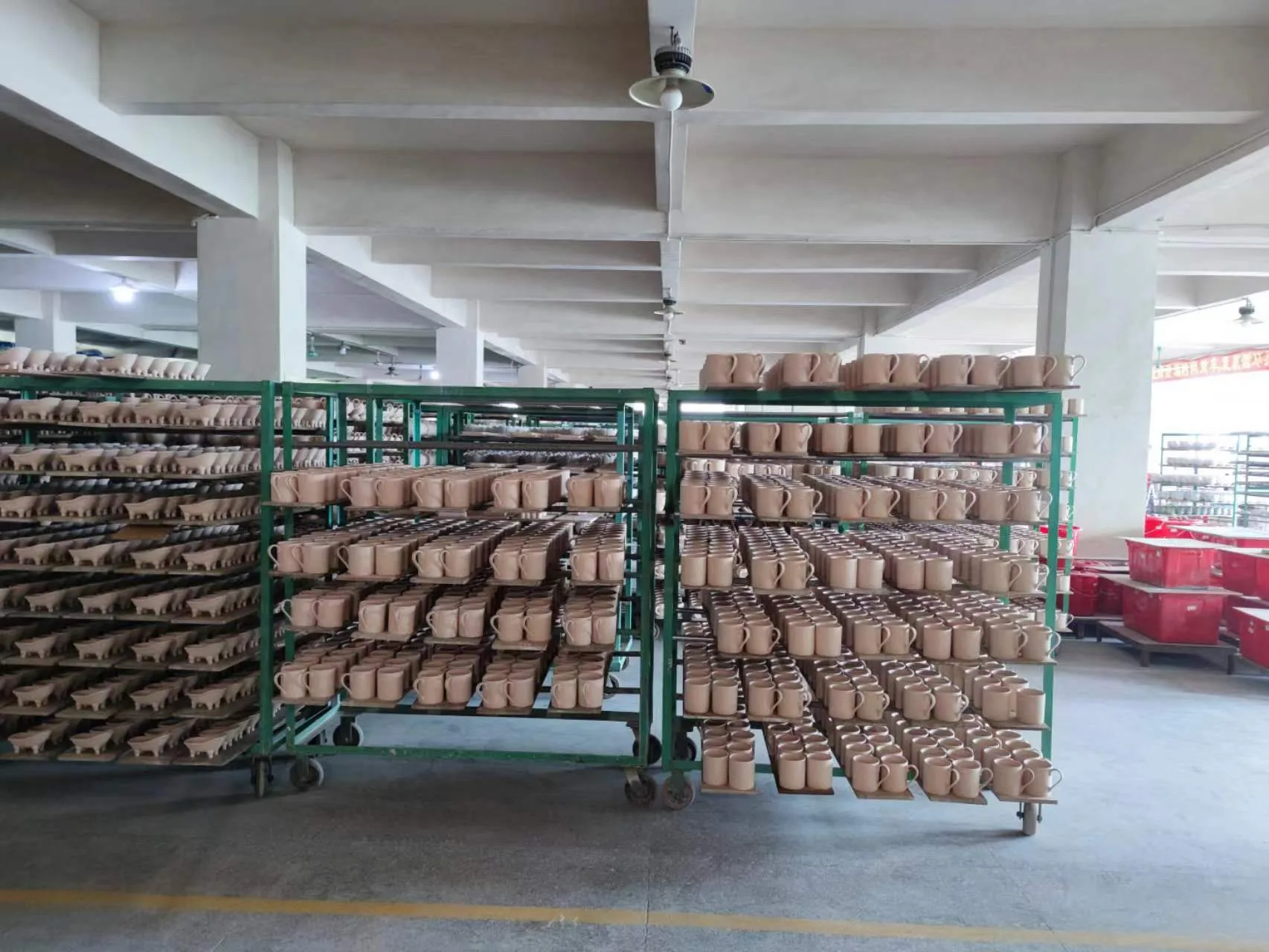
Kedali es un profesional ceramic products manufacturer supplying durable ceramic mugs for global B2B clients. With controlled raw material selection, high-temperature firing processes, and strict quality inspection, Kedali ensures consistent batch quality and long service life across our ceramic products.
We focus on producing high-fired mugs with stable glaze performance, low water absorption, and strong resistance to daily wear. For importers, retailers, and brand owners, Kedali offers OEM ceramic mug and ODM ceramic mug services, including custom shapes, finishes, and decorations, supporting reliable supply and long-lasting product performance in commercial markets.
FAQ- How to Dispose of Ceramic Cups
Q1: Can ceramic mugs go in the recycling bin?
A1: Usually no. Most curbside recycling systems do not accept ceramic mugs.
Q2: Why can’t ceramics be melted like glass?
A2: Fired ceramics are vitrified and do not remelt economically in standard recycling facilities.
Q3: How to fix a broken ceramic mug?
A3: If it is a small decorative chip, some people repair it with adhesive. For food use, a cracked mug should usually be retired.
Q4: Are broken ceramic mugs recyclable?
A4: Not through normal household recycling. Some specialized recovery programs may accept them depending on location.
Q5: What is the most eco-friendly way to dispose of ceramic mugs?
A5: Reuse them if possible. If not, check for local reuse, donation, or specialized construction-material recovery options.
Q6: Are there recyclable alternatives to ceramic mugs?
A6: Some materials are easier to recycle, but they may not offer the same durability, feel, or heat retention as ceramic.