We all have our favorite cups, but what material is your current mug made of, and are you aware of the potential health effects?
However, when it comes to safety and health, not all materials are created equal. With so many options on the market—ceramic, plastic, glass, stainless steel—choosing the “healthiest” mug can be a bit overwhelming.
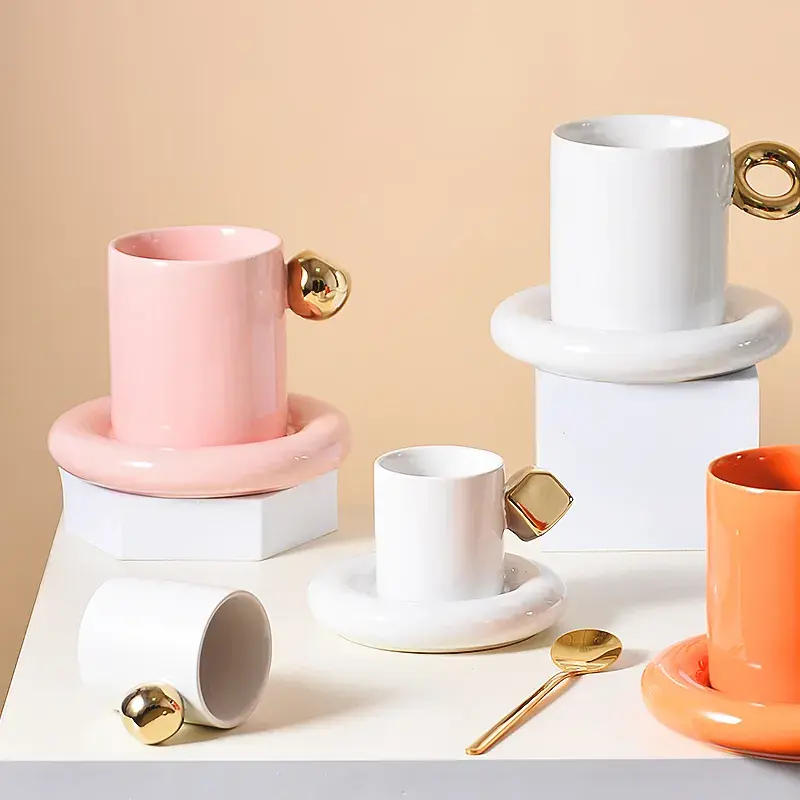
Ceramic Cups: The Timeless Classic
Ceramic cups, encompassing stoneware, porcelain, and earthenware, have been cherished for centuries, and for good reason.
Health Benefits of Ceramic Cups
- Non-toxic and harmless: High-quality ceramic cups are made from natural clay and glazes and typically do not contain any harmful chemicals. Furthermore, high-quality ceramics are extremely inert. This means that even when holding hot or acidic beverages, they will not leach chemicals into the drink. In contrast, plastic may leach chemicals into hot beverages at high temperatures.
- Excellent heat retention: Ceramic material has good heat retention properties, allowing beverages to maintain their temperature for longer periods, thus enhancing the drinking experience. It’s ideal for brewing coffee, tea, or hot chocolate.
- Flavor neutrality: Ceramic does not react with acidic drinks, so your beverages maintain their natural taste.
- 掃除が簡単: The smooth, non-porous surface of glazed ceramic is resistant to odors and stains, making it simple to keep hygienically clean.
Considerations
- Glaze Quality: It’s crucial to ensure that ceramic cups use lead-free and cadmium-free glazes. Older or inexpensive ceramics, especially those of unknown origin, may contain harmful heavy metals. If you have concerns about this, look for “lead-free” certification.
- Breakability: They are, of course, fragile. A dropped ceramic cup is usually a broken cup.

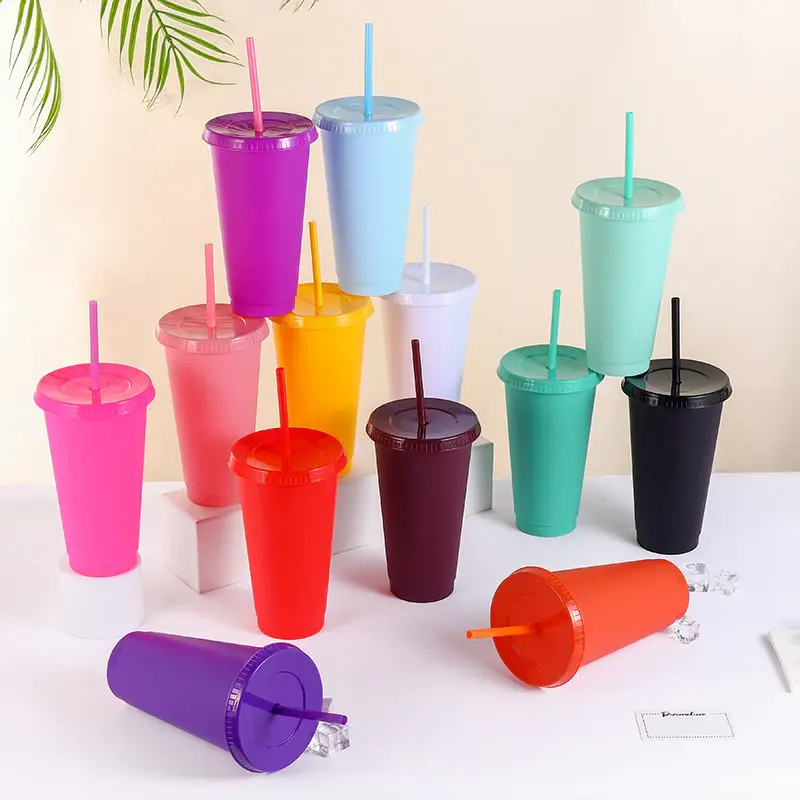
Plastic Cups: Convenience vs. Concern
Plastic cups are ubiquitous due to their low cost and durability, but they also frequently cause the most health problems.
Health Concerns of Plastic Cups
- Chemical leaching: Many plastics, especially when heated or scratched, can leach chemicals such as bisphenol A (BPA) or phthalates into beverages. These chemicals are endocrine disruptors, meaning they interfere with the body’s hormonal system. While “BPA-free” plastics are now common, some alternatives may also present other problems.
- Microplastics: Over time, plastic degrades, releasing tiny plastic particles (microplastics) into beverages, which are then ingested by the human body. The long-term health effects of ingesting microplastics are still under investigation.
- Odors and stains: Plastic can absorb tastes and odors, making it difficult to clean thoroughly and potentially affecting the taste of future beverages.
Some Advantages
- Lightweight, durable, and resistant to breakage.
- Often cheaper and convenient for on-the-go use.
- Most disposable cups are made of plastic, are inexpensive, and are thrown away after use, making them ideal for parties, events, or situations where washing cups is inconvenient.
When to Choose (Carefully)
For cold drinks and short-term use, certain food-grade plastics can be acceptable, especially those clearly marked as BPA-free and free from other known harmful chemicals.

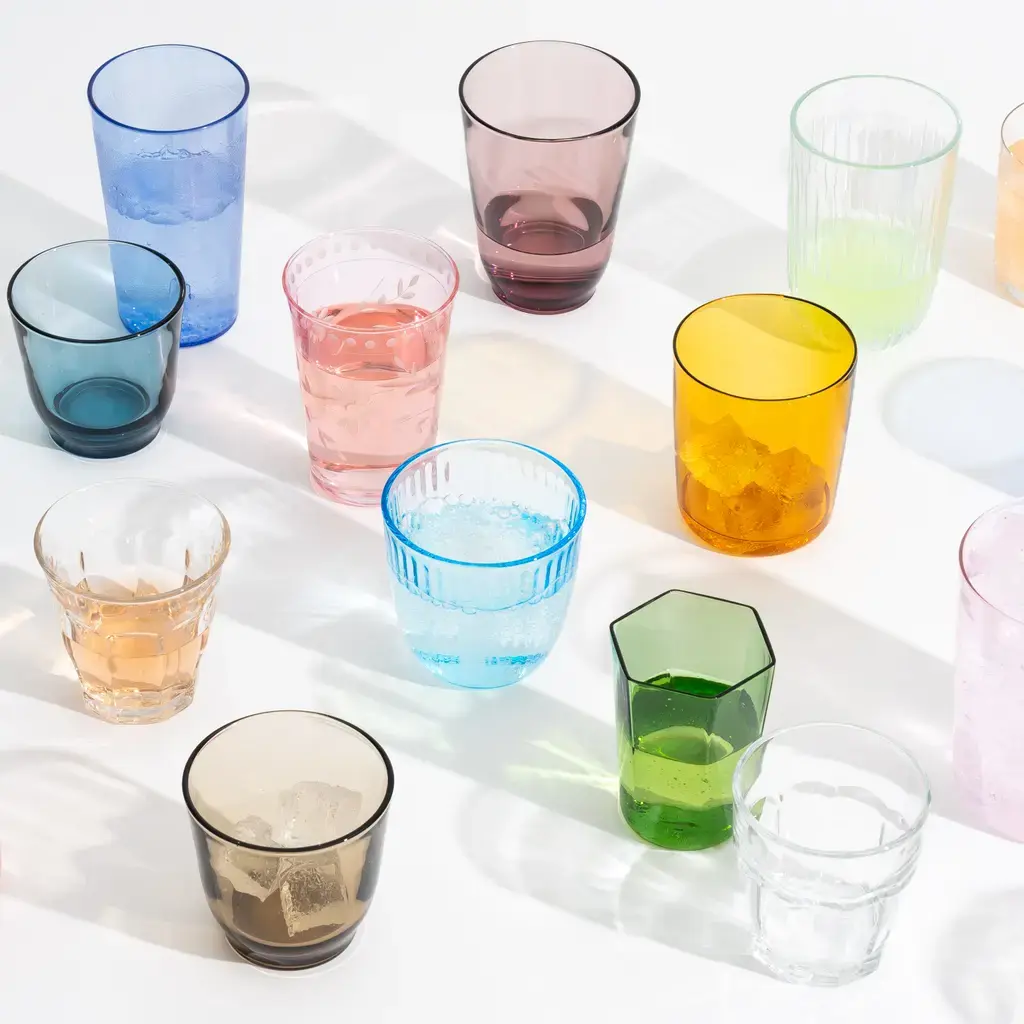
Glass Cups: The Transparent Choice
Glass is often hailed as one of the safest options, and for good reason.
Health Benefits of Ceramic Cups
- Completely inert: Like high-quality ceramics, glass is non-porous and completely inert. Regardless of temperature or acidity, it will not leach chemicals, absorb odors, or affect the taste of beverages.
- 掃除が簡単: Its smooth surface makes it very hygienic and easy to clean thoroughly.
- Visual Appeal: There’s something inherently appealing about seeing your drink through clear glass.
Considerations
- Breakability: Glass is fragile and can shatter, making it less suitable for on-the-go or situations where drops are likely.
- Poor Insulation: Heat retention is lower than ceramic or stainless steel; beverages may cool faster.

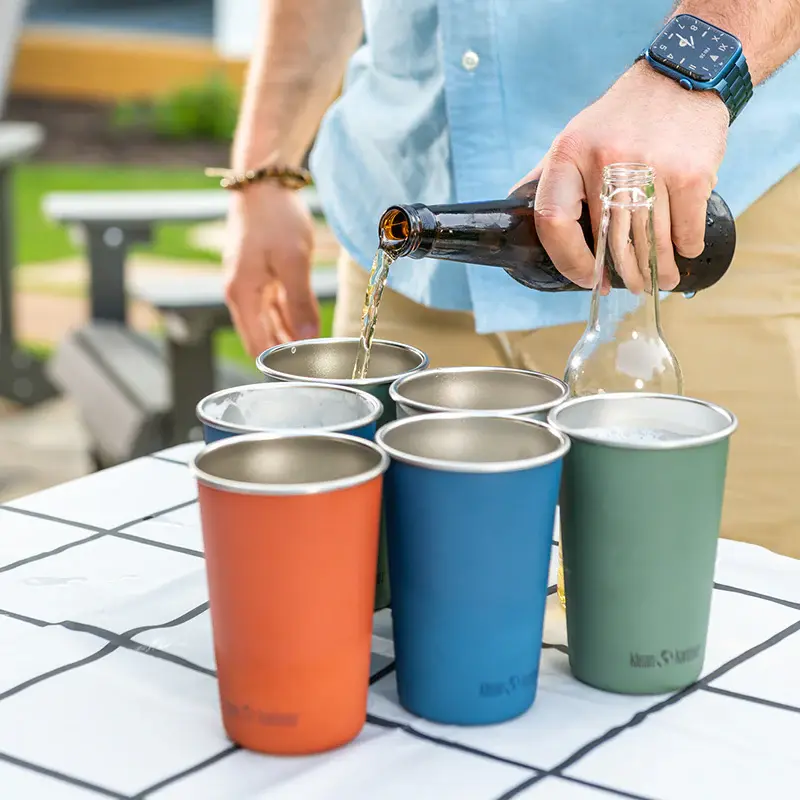
Stainless Steel Cups: The Durable Workhorse
Health Benefits of Stainless Steel Cups
- Inert and non-reactive: High-quality food-grade stainless steel (such as 304 or 316) is highly corrosion-resistant and will not leach chemicals into beverages.
- Extremely durable: It is virtually indestructible, making it ideal for commuting, outdoor activities, and children.
- Excellent insulation performance: Double-walled vacuum-insulated stainless steel tumblers keep drinks at their desired temperature for extended periods.
- 掃除がしやすい: The non-porous surface is hygienic and does not retain odors or flavors.
Considerations
- Metallic taste: Although this rarely occurs with high-quality stainless steel, some sensitive individuals may notice a slight metallic taste, especially when drinking acidic beverages.
- Nickel content: Stainless steel contains nickel, and a very small number of people may be allergic to nickel. However, the amount of nickel released is usually negligible and safe for most people.

Health Verdict
| 素材 | Health Safety | Best Use |
| セラミック | ✅ Non-toxic, chemical-free | Hot beverages, daily use |
| Plastic | ⚠️ Risk of chemical leaching | Cold drinks, short-term use |
| ガラス | ✅ Non-toxic, pure taste | Hot or cold drinks at home |
| Stainless Steel | ✅ Durable, generally safe | Travel, cold or hot drinks |
結論
From a health perspective, ceramic (using lead-free glaze), glass, and high-quality food-grade stainless steel are generally the best choices. They are stable, do not easily react with other substances, and do not release harmful chemicals into beverages.
- For everyday home use: Ceramic and glass cups are excellent choices, providing a pure drinking experience and a pleasant feel.
- For on-the-go or durability: In terms of portability and durability, stainless steel is undoubtedly the best choice; it is not only safe but also has a long service life.
The convenience of plastic is undeniable, but it is also one of the most harmful materials to health. If you must use plastic products, please choose those labeled “BPA-free” and avoid heating plastic containers or using them to hold highly acidic beverages.
Choosing the right cup is not only about aesthetics, but also about health and enhancing the drinking experience. Choosing high-quality, certified materials allows you to enjoy your beverages with peace of mind.
ケダリについて
ケダリはリーディングカンパニーである。 ceramic cup manufacturer from China with over 30 years of experience in ceramic mug production. Our product range includes coffee cups, tea cups, mugs, and custom ceramic drinkware, and we offer a diverse selection of ceramic mug gift sets and holiday packages for both personal use and wholesale distribution.
Whether you are a retailer, café, or gift brand, Kedali provides reliable OEM and ODM services, ensuring your ceramic cups are unique, stylish, and of the highest quality.
Why Choose Kedali?
Premium Materials & Quality Craftsmanship
We use high-quality ceramic and porcelain materials, focusing on durability, whiteness, and a smooth glaze finish. Our products are fired at high temperatures and undergo strict quality control, resulting in ceramic cups that are sturdy, durable, and can withstand daily wear and tear.
Wide & Diverse Customization Options
Kedali offers comprehensive OEM and ODM services, allowing brands to customize:
- Shapes and sizes
- Colors and glazes
- Patterns and surface textures
- Packaging and logos
This makes Kedali a flexible partner for private‑label products and exclusive collections.
Innovative & Market‑Driven Design
Our in‑house design team continuously creates new styles and themes (from minimalist modern cups to artistic luxury pieces), helping your product line stand out in a competitive marketplace.
Strong Manufacturing Experience
With decades of experience in ceramic manufacturing and export, Kedali has mature production processes and deep expertise — ensuring consistent product quality and reliable fulfillment for global clients.
International Safety Compliance
Our products meet key international safety standards like FDA, LFGB, and CE, making them suitable for global distribution and giving buyers confidence in food‑safe quality.