The private-label kitchenware market has become increasingly competitive. For brands, wholesalers, and retailers, simply selling standard ceramic products is no longer enough to create strong margins or long-term differentiation.
Successful private-label brands are now focusing on carefully selected ceramic kitchenware categories that combine strong consumer demand, attractive design potential, manageable production costs, and opportunities for brand customization.
Together with Kedali, a プロのセラミック台所用品メーカー, to discover which ceramic kitchenware category is profitable for your business. Each category serves different consumer needs and offers unique advantages for private-label development. Understanding these differences helps brands build a more profitable product portfolio and make better sourcing decisions.
What Makes a Ceramic Kitchenware Product Profitable for Private Labels?
High Perceived Value vs Manufacturing Cost
The most profitable private-label products are not always the cheapest to produce. Instead, they are products where consumers perceive higher value than the actual manufacturing cost.
Ceramic kitchenware has natural advantages in this area because customers associate ceramics with:
- Premium home aesthetics
- Handmade craftsmanship
- Better dining experiences
- Lifestyle improvement
Compared with basic plastic or metal alternatives, ceramic products often allow brands to achieve stronger premium positioning.
For example, a simple ceramic baking dish can become a premium lifestyle product through:
- Unique glaze finishes
- 優雅なフォルム
- ギフト包装
- Brand storytelling
This creates opportunities for higher retail pricing and improved margins.
Strong Differentiation Potential
A profitable private-label product should give brands enough flexibility to create something unique.
Ceramic kitchenware provides extensive customization possibilities, including:
- カスタム形状
- Exclusive colors
- Reactive glazes
- Surface patterns
- ロゴの装飾
- Customized packaging
Working with an experienced オーダーメイドのセラミック製キッチン用品メーカー allows brands to transform standard products into exclusive collections instead of competing directly on price.
Stable Market Demand
Another important factor is whether a product solves an everyday consumer need.
Products used regularly in kitchens often provide stronger long-term potential because they are connected to daily routines.
Examples include:
- Baking products for home cooking enthusiasts
- Storage products for kitchen organization
- Table accessories for home decoration
Products with both functional and decorative value usually have stronger market opportunities.
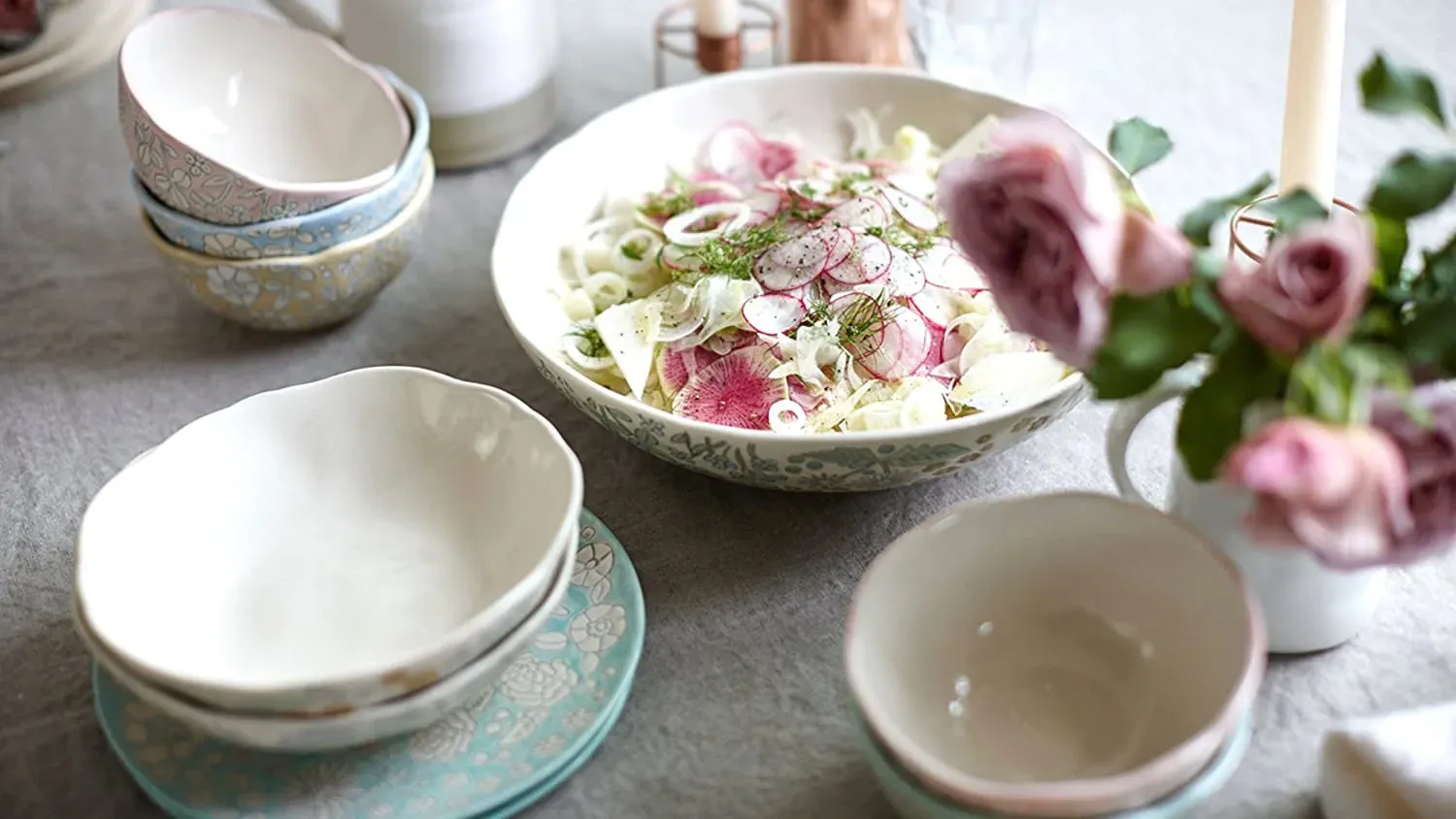
Ceramic Bakeware & Ovenware: A Premium Opportunity for Private Label Brands
Why Ceramic Bakeware Has Strong Profit Potential
Ceramic bakeware is one of the most attractive categories for private-label brands because it combines functionality with premium lifestyle positioning.
Unlike ordinary cookware, ceramic bakeware often moves directly from oven to table. This makes appearance an important purchasing factor.
主な利点としては、以下の点が挙げられます:
- Premium visual appeal
- Strong gift potential
- Higher perceived value
- Compatibility with modern home cooking trends
Consumers increasingly view baking products as part of their kitchen lifestyle rather than simple cooking tools.
Popular Private Label Bakeware Products
Brands can develop various ceramic bakeware collections, including:
- Ceramic baking dishes
- パイ皿
- キャセロール皿
- ラメキン
- Individual serving bakeware
- Oven-to-table serving sets
These products can be sold individually or combined into coordinated collections to increase average order value.
How Brands Differentiate Ceramic Bakeware
Competition in bakeware is often based on design and presentation.
Private-label brands can differentiate through:
Glaze Development
Unique glaze colors help products stand out in retail stores and online marketplaces.
Popular styles include:
- Matte finishes
- Reactive glaze effects
- Natural earth tones
- Minimalist neutral colors
Product Shape
Unusual shapes or elegant profiles can create stronger brand recognition.
Collection-Based Selling
Instead of selling individual baking dishes, brands can create complete collections:
- Matching baking dishes
- Serving plates
- Mixing bowls
- Storage containers
This improves customer engagement and encourages repeat purchases.
Buyer Considerations
When sourcing ceramic bakeware, brands should evaluate:
- Thermal shock resistance
- Oven safety
- Food-contact compliance
- Surface durability
- Packaging protection
信頼できる セラミックbakewareメーカー should have strict quality control processes to ensure products perform consistently during everyday use.
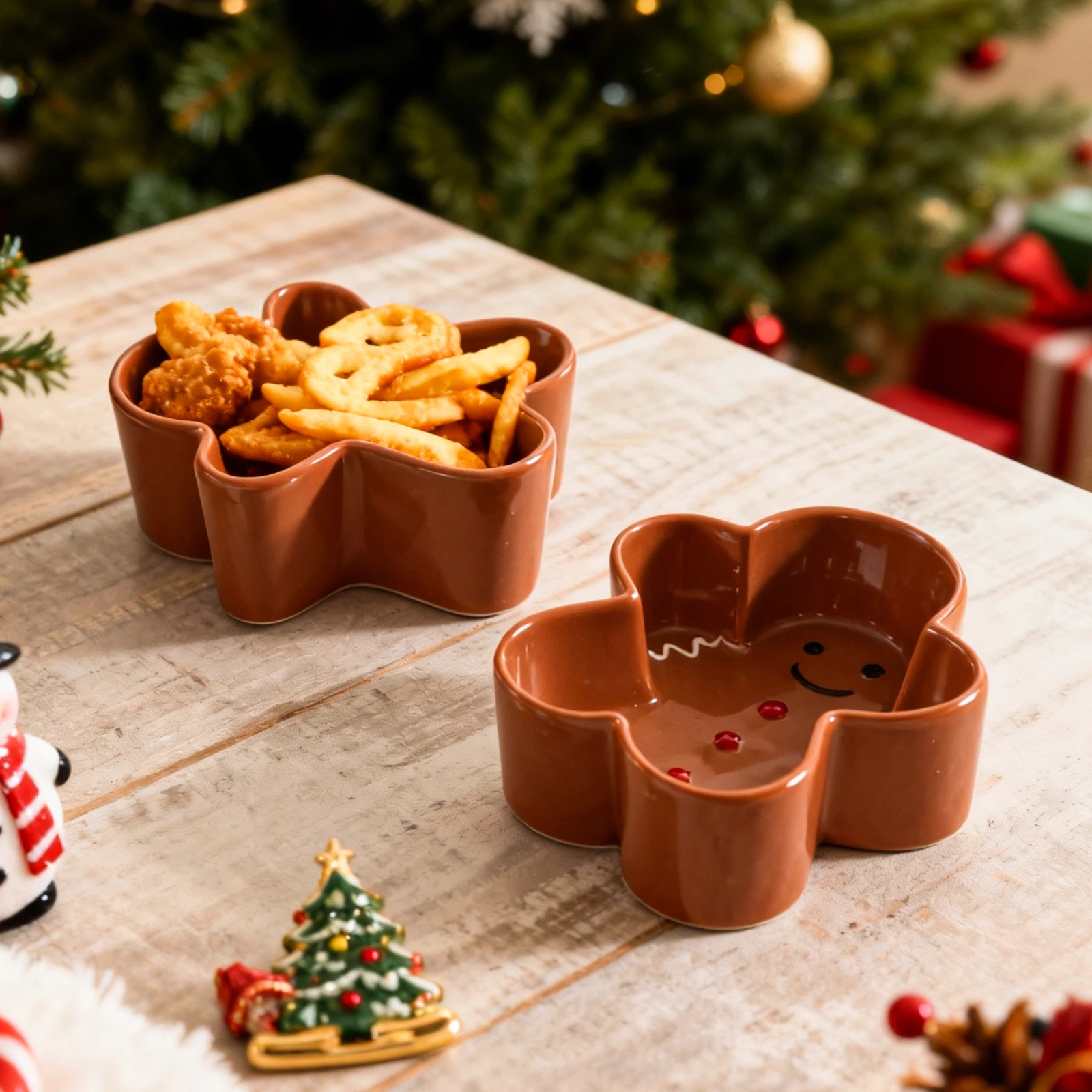
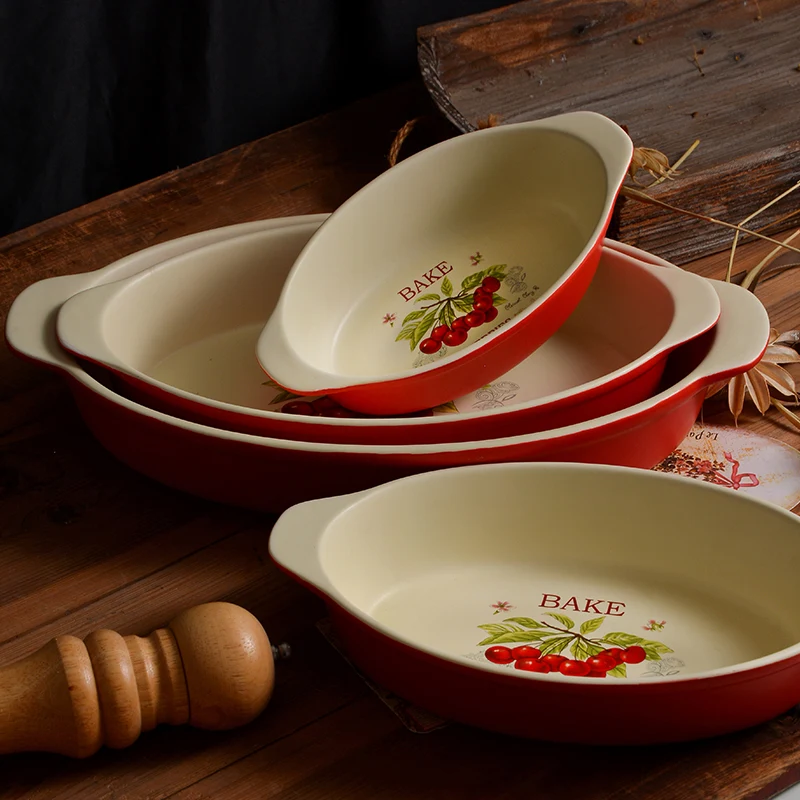
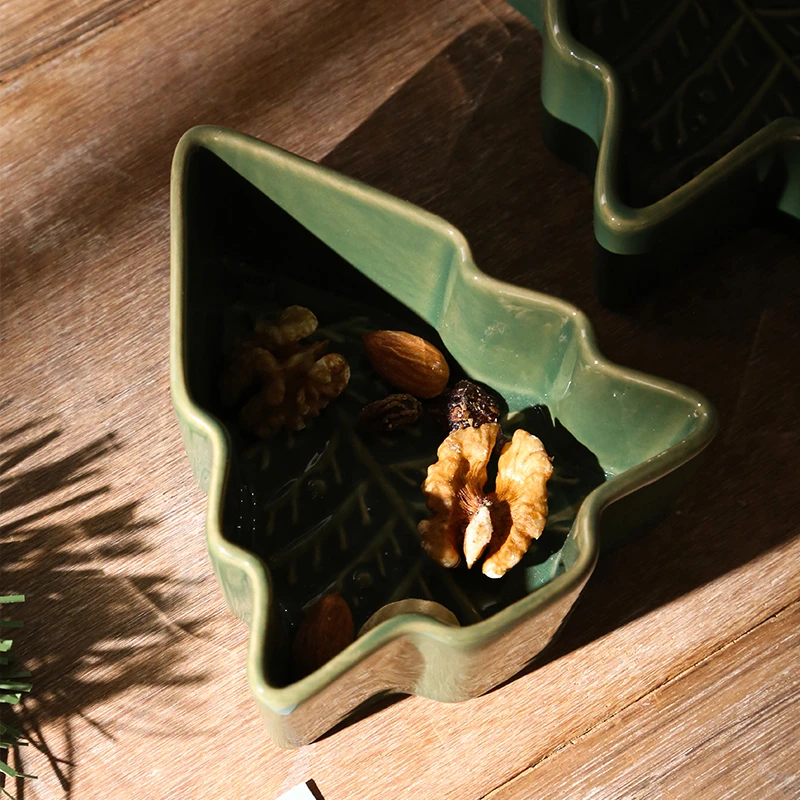
Ceramic Butter Dishes: A Small Product with High Branding Potential
Why Small Ceramic Accessories Can Generate High Margins
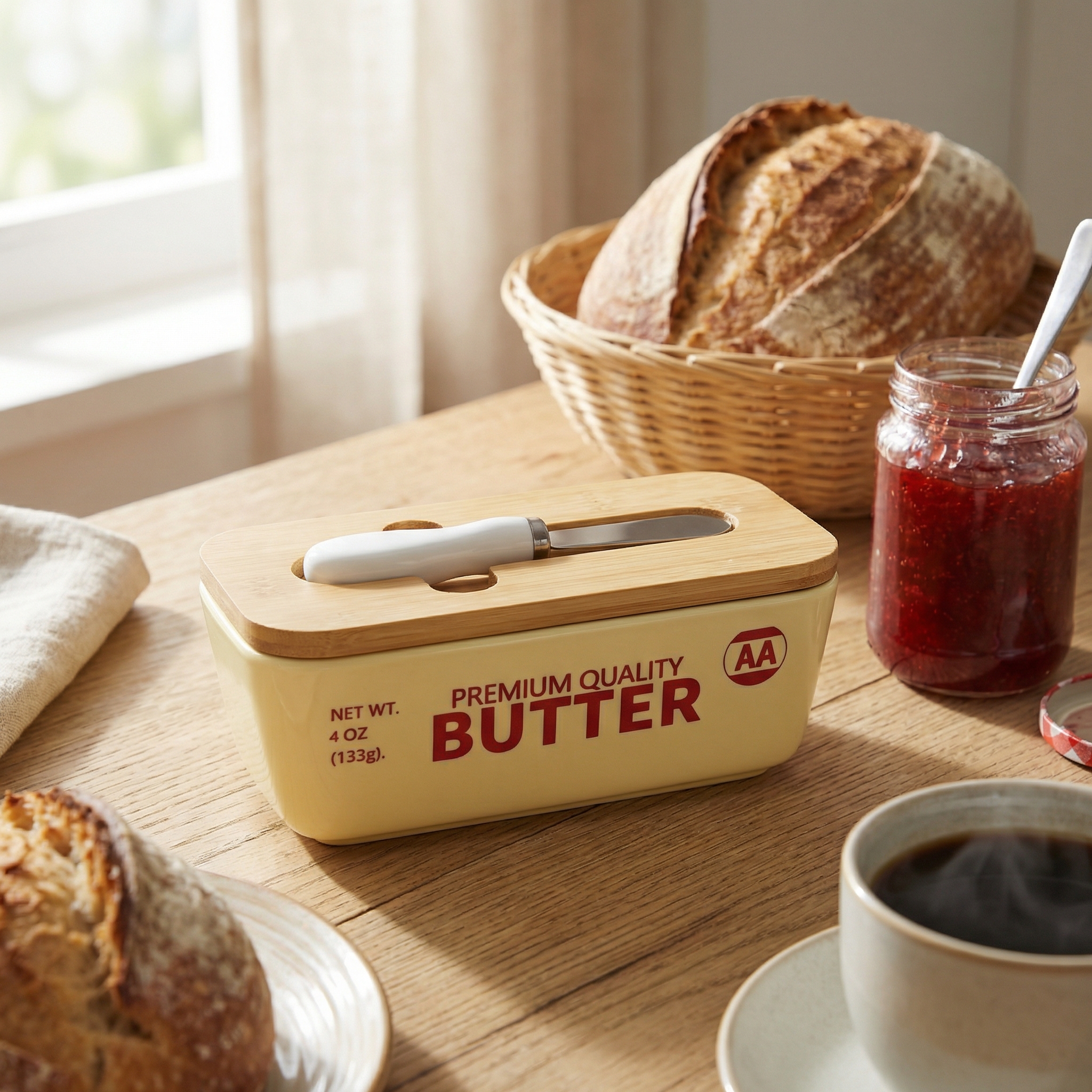
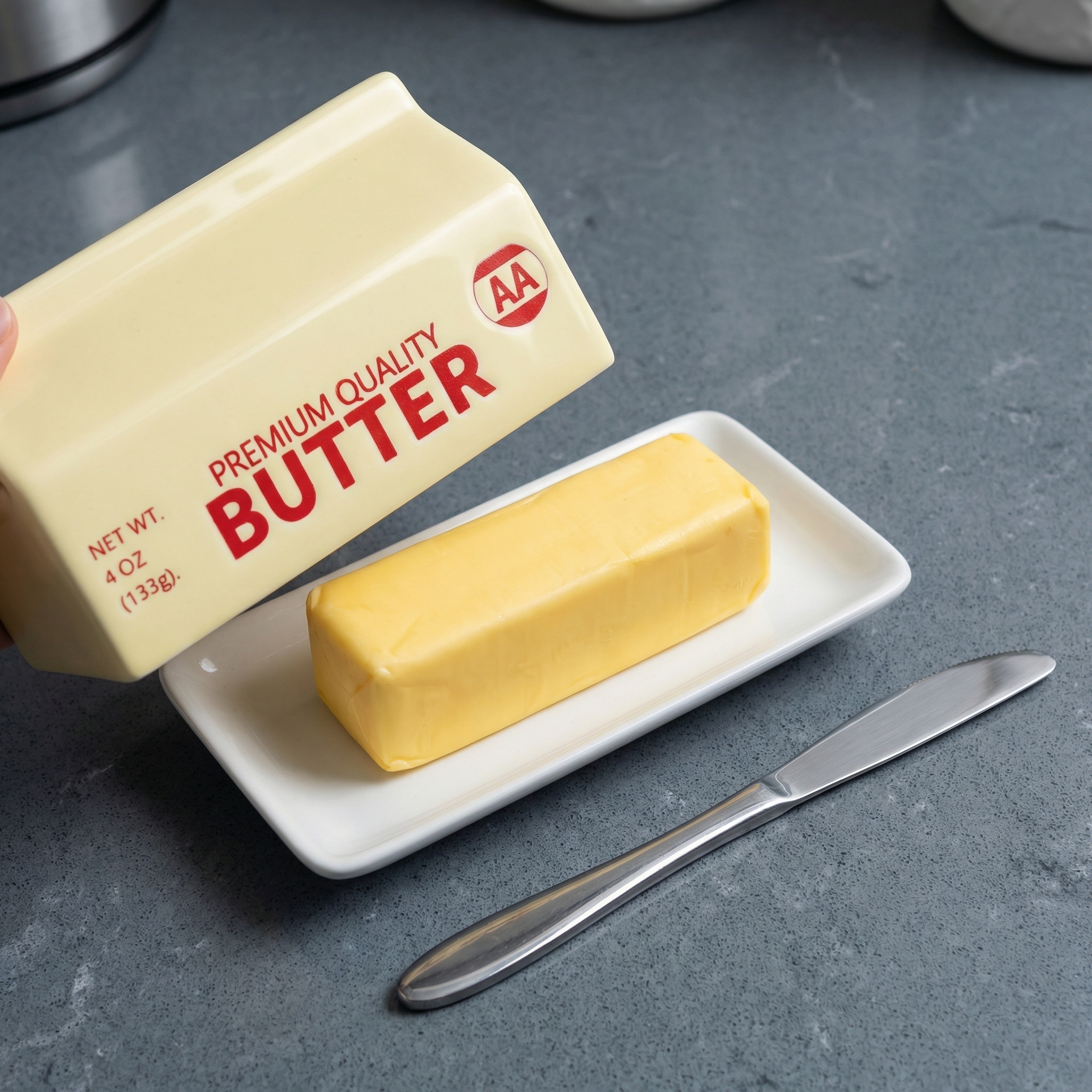
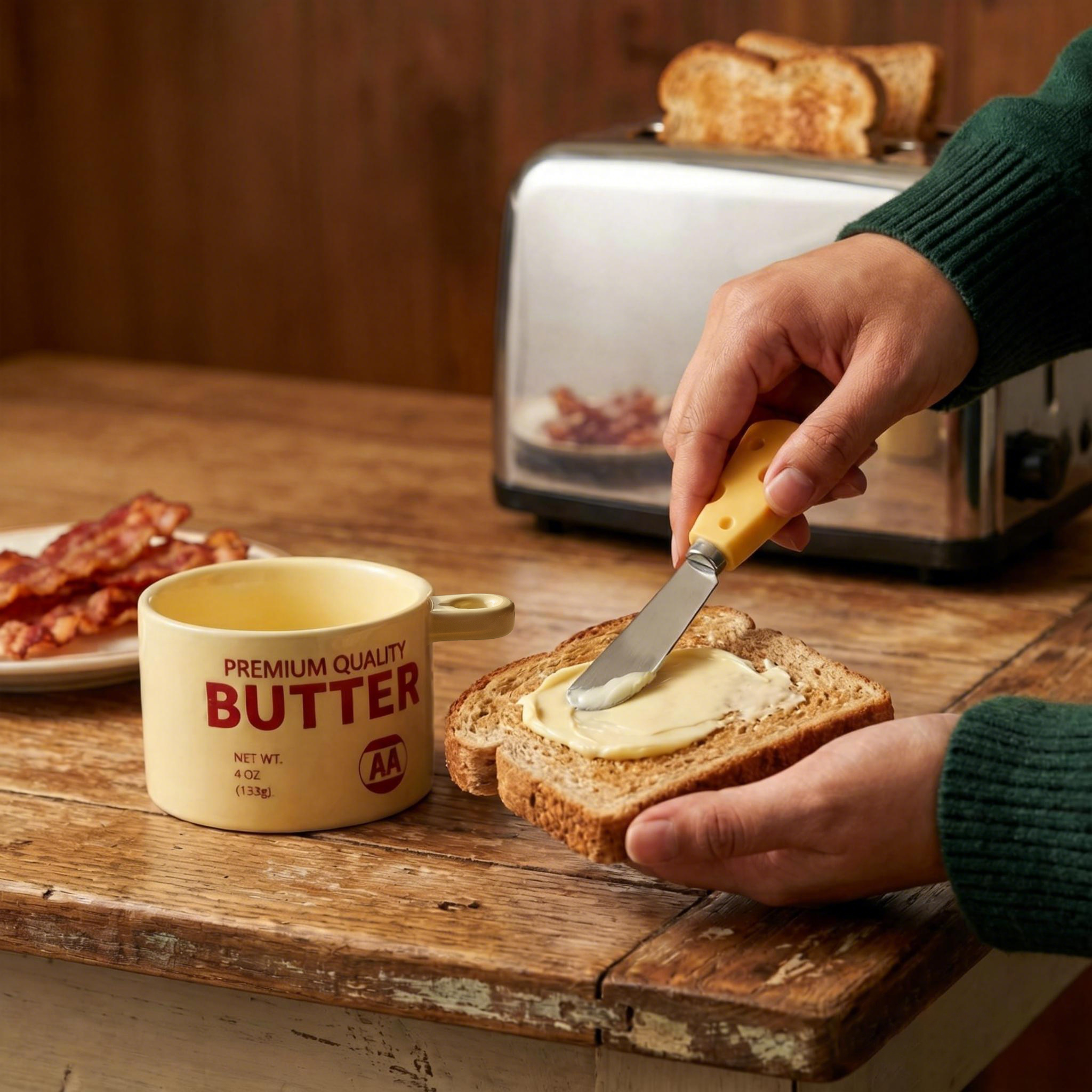
Ceramic butter dishes represent an interesting private-label opportunity because they combine low production complexity with strong decorative value.
Although smaller than bakeware products, butter dishes benefit from:
- Low material consumption
- Lower shipping volume
- Easy collection integration
- Premium lifestyle positioning
A well-designed butter dish can become a kitchen decoration item rather than just a functional container.
Market Positioning Opportunities
Butter dishes can target multiple consumer segments:
Farmhouse Kitchen Style
Traditional ceramic designs appeal to customers looking for warm, rustic kitchen aesthetics.
Minimalist Design
Simple shapes and neutral colors match modern kitchen trends.
Premium Dining Collections
Butter dishes can be combined with:
- プレート
- ボウル
- Serving trays
- マグカップ
to create complete tableware collections.
Gift Sets
Because of their affordable price point, butter dishes work well as:
- Housewarming gifts
- Holiday gifts
- Kitchen accessory bundles
カスタマイズの可能性
Brands can differentiate ceramic butter dishes through:
- カスタム形状
- Embossed logos
- 限定釉薬の色
- Matching product collections
- Premium packaging
For brands building a distinctive kitchenware identity, working with a セラミックバターの料理メーカー provides more control over design and branding.
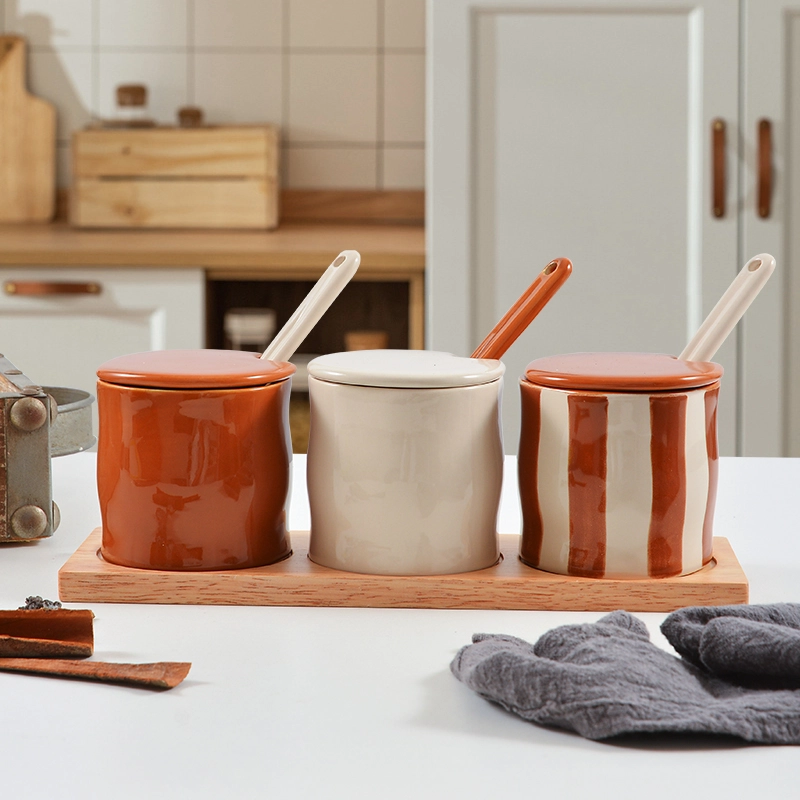
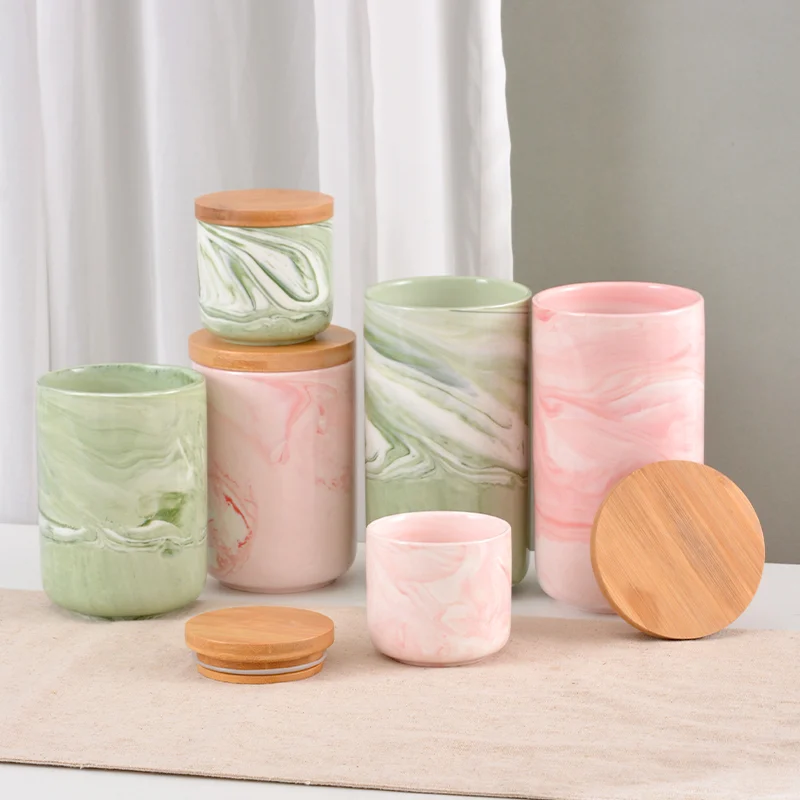
Ceramic Canisters & Food Storage: Combining Functionality and Design
Why Storage Products Are Attractive for Brands
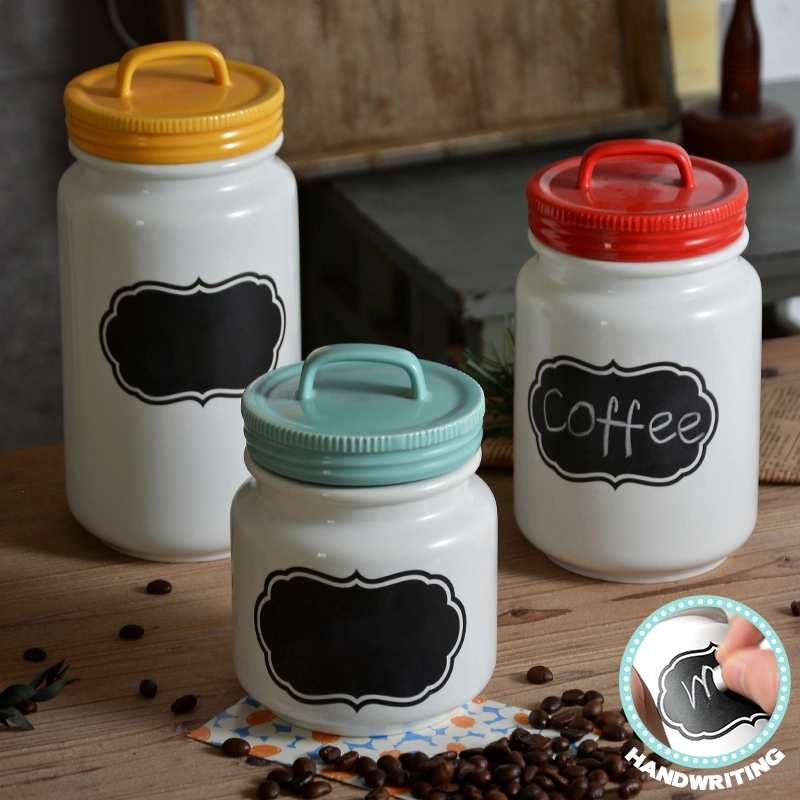
Kitchen organization has become an important consumer trend. Modern customers want storage products that are not only practical but also visually match their home interiors.
Ceramic canisters benefit from this trend because they combine:
- Food storage functionality
- Kitchen decoration
- Premium appearance
Compared with basic plastic containers, ceramic storage products provide stronger emotional value.
Popular Product Lines
Private-label brands can develop ceramic storage collections including:
- コーヒー用保存容器
- Tea containers
- Sugar jars
- Spice containers
- Flour containers
- Complete kitchen storage sets
Selling products as coordinated collections can increase purchase value and strengthen brand recognition.
Profit Advantages
Ceramic food storage products offer several commercial advantages:
Higher Order Value
Customers often purchase multiple matching containers rather than a single item.
Collection Expansion
Brands can expand from one product into a complete kitchen organization series.
Premium Positioning
Decorative storage products can achieve higher pricing compared with basic storage alternatives.
Manufacturing Considerations
When developing ceramic storage products, brands should evaluate:
- Lid sealing performance
- Size consistency
- Ceramic durability
- Packaging protection
- 長期的な供給の安定性
Our factory will ensure your custom ceramic canisters order meets both aesthetic quality and practical functionality.
Comparing the Profit Potential of Different Ceramic Kitchenware Categories
| Product Category | Profit Potential | Main Advantages | 最も効果的な販売チャネル |
|---|---|---|---|
| Ceramic Bakeware & Ovenware | 高い | Premium positioning, strong visual appeal, gift potential | Retail, e-commerce, lifestyle brands |
| セラミック・バター皿 | Medium to High | Low production cost, easy customization, collection potential | Retail, online brands, gift markets |
| Ceramic Canisters & Food Storage | 高い | Functional demand, set selling opportunities, home organization trend | Retail, e-commerce, wholesale |
The best choice depends on a brand’s target market. Premium lifestyle brands may prioritize bakeware, while brands focused on kitchen organization may find stronger opportunities in ceramic storage collections.
How Private Label Brands Should Build a Ceramic Kitchenware Product Portfolio
Start With Hero Products
Successful brands usually begin with a limited number of high-potential products rather than launching too many SKUs.
A strong hero product should have:
- Clear market demand
- Strong differentiation potential
- Good margin opportunity
For example, a signature ceramic bakeware collection can become the foundation of a broader kitchenware brand.
Expand Through Product Collections
Once a product gains market acceptance, brands can expand through related products.
Examples:
Bakeware collection:
- オーブン用調理器
- Serving plates
- ラメキン
Kitchen storage collection:
- コーヒー用保存容器
- スパイス瓶
- Storage containers
Collection-based strategies improve brand consistency and encourage repeat purchases.
Balance Premium and Volume Products
A successful product portfolio should include both:
- Premium products that build brand image
- Everyday products that generate sales volume
This balance helps brands achieve both profitability and stable revenue.
How a Ceramic Kitchenware Manufacturer Supports Private Label Growth
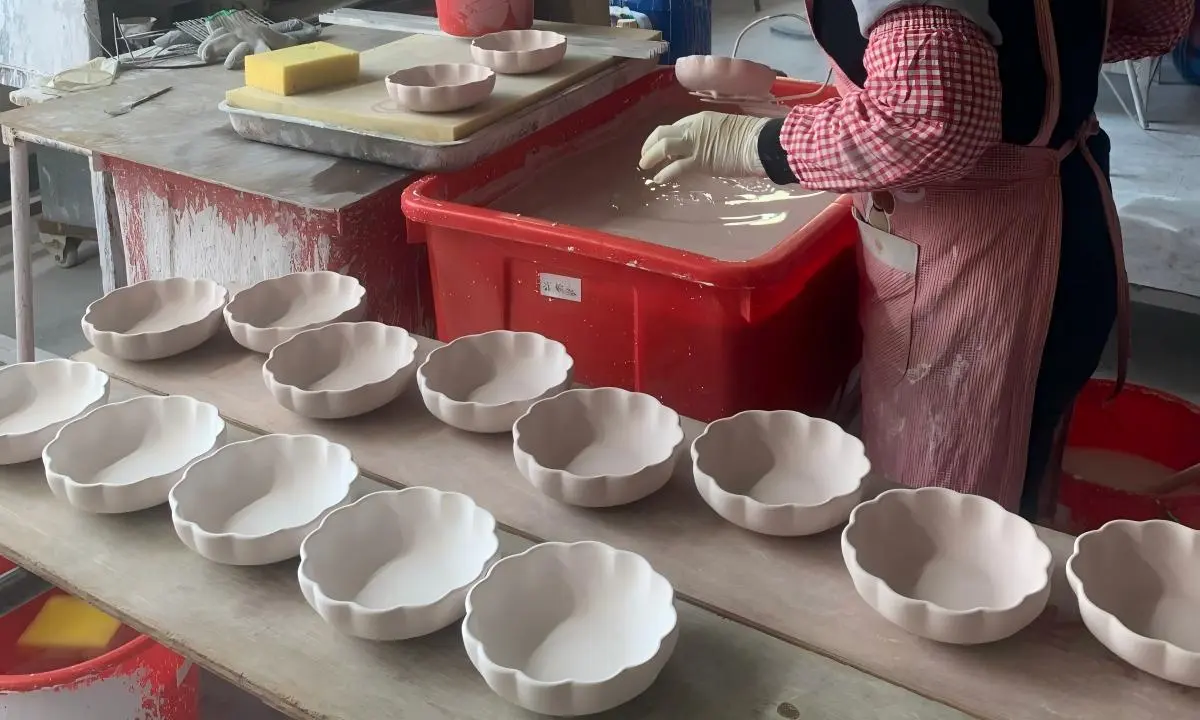
Product Development Support
Kedali helps brands move from concept to finished product through:
- Design evaluation
- Sample development
- Mold creation
- Production testing
This reduces development risks and shortens time to market.
OEM/ODM Customization
With professional OEM capabilities, we support brands to customize:
- Product shapes
- 釉薬の色
- Decorative finishes
- Packaging solutions
This is especially important for private-label businesses competing in crowded markets.
Quality Control and Production Stability
Ceramic production requires strict process management.
At our factory, we control:
- Raw material quality
- Firing temperature
- Glaze consistency
- Finished product inspection
Consistent production quality protects brand reputation.
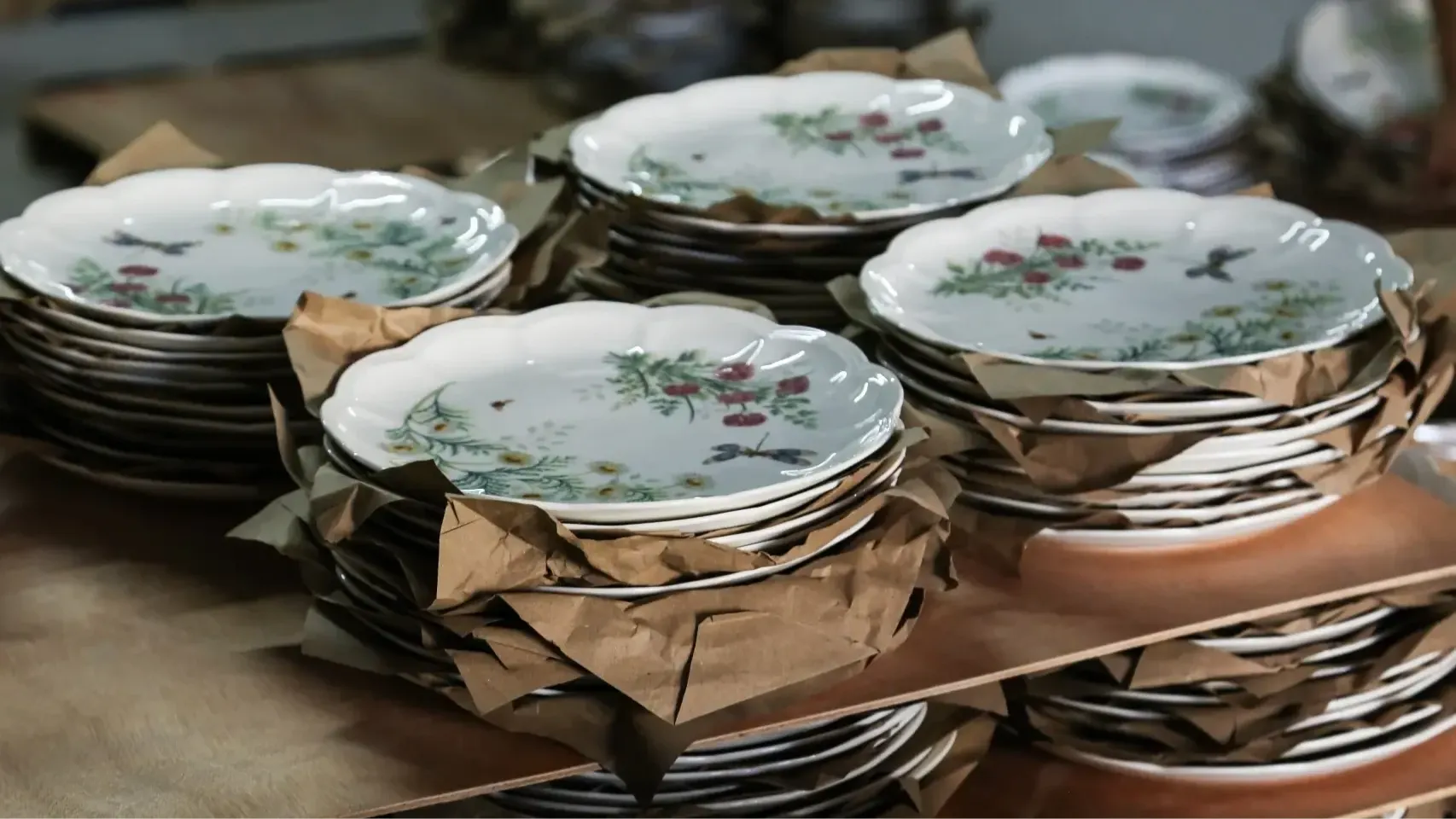
Bulk Production and Global Supply
A capable セラミック製キッチン用品の卸売業者 should support:
- Large-volume production
- Stable lead times
- Export documentation
- International shipping requirements
This enables brands to scale without constantly changing suppliers.
Common Mistakes Brands Make When Selecting Ceramic Products
Choosing Products Only Based on Low Cost
Low-cost products often lack differentiation and create price competition.
Private-label brands should focus on value creation rather than only reducing manufacturing costs.
Ignoring Market Positioning
A product designed for premium retail will require different materials, packaging, and pricing compared with wholesale distribution.
Over-Customizing Too Early
Excessive customization before validating market demand can increase costs and inventory risk.
Brands should test product-market fit before investing heavily.
Selecting Products Without Considering Logistics
Ceramic products require careful consideration of:
- Breakage risks
- Packaging costs
- Shipping efficiency
These factors directly affect profitability.
よくあるご質問
What ceramic kitchenware products have the highest profit margins?
Ceramic bakeware and storage collections often provide strong margin potential because they combine functionality with premium design value.
Is ceramic bakeware suitable for private-label brands?
Absolutely, yes. Ceramic bakeware offers strong customization opportunities and performs well in retail, e-commerce, and lifestyle markets.
What should I look for in a ceramic kitchenware manufacturer?
Look for experience in ceramic production, customization capability, quality control systems, production capacity, and export experience.
Which ceramic products are best for Amazon sellers?
Ceramic mugs, bakeware, storage containers, and giftable kitchen accessories often perform well because they combine visual appeal with practical use.
結論
Choosing the right ceramic kitchenware products is one of the most important decisions for private-label brands. Profitability depends not only on manufacturing cost but also on consumer demand, product differentiation, channel suitability, and long-term brand potential.
Ceramic bakeware, butter dishes, and food storage products each provide unique opportunities. Bakeware creates premium positioning, butter dishes offer affordable customization opportunities, and storage products benefit from strong functional demand.
By partnering with an experienced セラミックキッチン用品メーカー, brands can develop customized collections with reliable quality, scalable production, and the flexibility needed to compete in global markets.
ケダリについて
ケダリは プロのセラミック台所用品メーカー specializing in a wide range of ceramic kitchenware products, including ceramic bakeware, ovenware, butter dishes, canisters, food storage containers, and customized kitchenware collections.
With a customer-oriented approach, Kedali supports global brands, wholesalers, and retailers through OEM/ODM ceramic kitchenware services, from product design and glaze development to packaging customization. All products are manufactured under strict quality control systems and meet relevant food safety certifications, ensuring reliable quality for international markets.