Ceramic coffee and tea sets can suit gift shops, homeware retailers, e-commerce stores, cafés, and hospitality businesses, but the right choice depends on how each channel uses and presents the product. A coordinated set may work well as a gift or homeware item, while a café needs to consider serving convenience, care requirements, and repeated use.
For buyers evaluating ceramic coffee and tea sets, the key is to match the product’s configuration, appearance, and practical requirements to the channel—not to assume that one design will suit every market.
Which Sales Channels Could Suit a Ceramic Coffee and Tea Set?
Different channels sell or use ceramic sets for different reasons. The same product may fit one channel but be less suitable for another.
Gift Shops and Gift-Oriented Retail
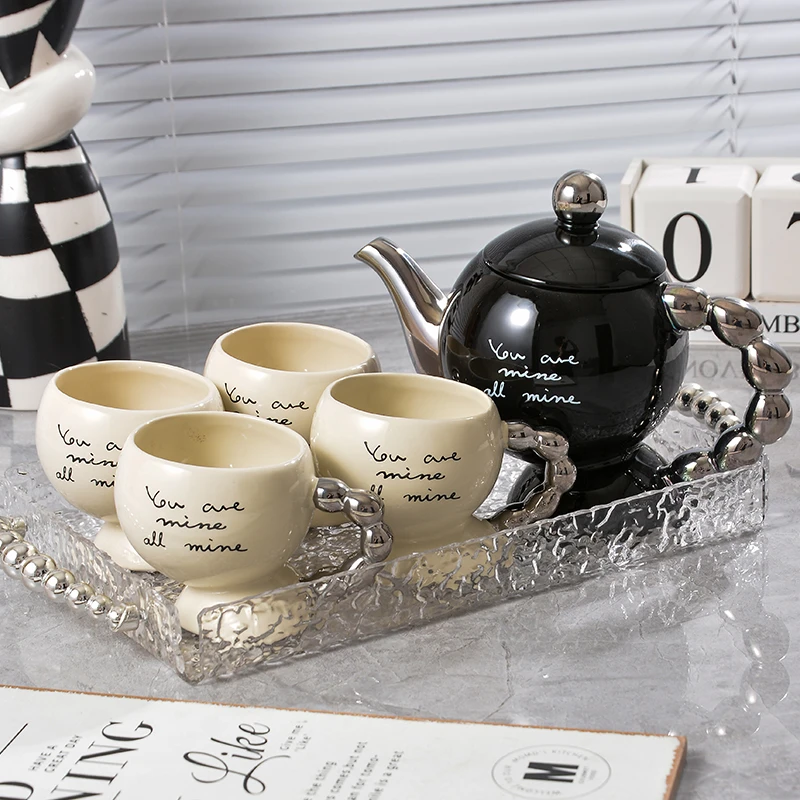
Gift shops can consider coordinated tea sets with matching cups, teapots, and other components. A unified design gives the product a clear presentation as a complete gift rather than a collection of separate tableware pieces.
When evaluating ceramic tea sets for retailers, consider:
- Presentation: Does the design suit the store’s gift assortment?
- Set completeness: Are the included pieces appropriate for the intended gifting occasion?
- Packaging: Can the set be presented attractively and protected during storage and transport?
- Price positioning: Does the overall product fit the store’s intended assortment and price range?
A coordinated design may support gift-oriented positioning, but its appearance alone does not establish customer demand or sales potential.
Homeware and Lifestyle Retail
Homeware retailers need products that fit their existing assortment and customers’ interior preferences. Minimal, contemporary, traditional, or decorative designs may serve different merchandising purposes.
A set intended for everyday home use may need a different balance of appearance and practicality from a decorative statement piece. Buyers should consider whether the set works independently, complements other tableware, or fits into a coordinated collection.
The main question is whether the product’s design and configuration make sense within the store’s overall assortment.
E-commerce and Online Retail
Online sellers need to communicate exactly what the customer receives. Multi-piece sets can be harder to evaluate from a single product image, especially when the listing does not clearly show every component.
Before adding a set to an online catalogue, confirm:
- The number and type of pieces included.
- Cup, teapot, and other component dimensions, where applicable.
- Clear images showing the complete set.
- Accurate care and usage information.
- Packaging arrangements appropriate for shipping fragile products.
For e-commerce, presentation and product information must work together. Attractive photography cannot compensate for unclear specifications or an inaccurate description.
Cafés and Hospitality
For cafés, hotels, and other beverage-service environments, appearance is only one part of product suitability. The set must also meet the intended serving requirements.
Buyers considering ceramic coffee sets for cafés should assess cup capacity, handling, pouring convenience, cleaning requirements, and whether the product is suitable for the expected frequency of use. For hospitality operations, the availability of compatible replacement pieces may also matter.
A decorative set designed primarily for gifting should not automatically be treated as suitable for repeated commercial service. Confirm the relevant specifications and care instructions before making that decision.
What Determines Whether a Set Fits Your Channel?
Beyond the channel itself, three factors help determine whether a product is a suitable candidate.
Set Configuration and Intended Use
The number and type of components influence how a set can be positioned.
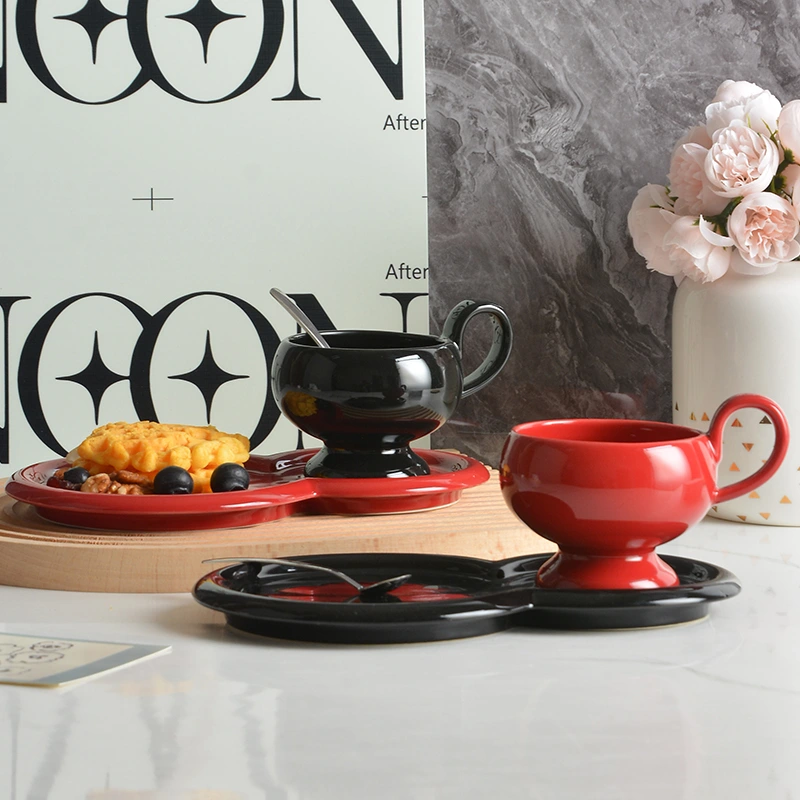
- Ceramic cup and saucer sets offer a focused serving format that may suit homeware retail or beverage service, depending on the product’s specifications.
- Teapot-and-cup sets provide a more complete tea-serving arrangement and may suit gift-oriented or specialty tableware assortments.
- Larger sets with additional pieces, such as milk jugs or sugar bowls, may fit buyers looking for a coordinated collection rather than a simple cup-and-saucer product.
Presentation, Packaging, and Handling
A product intended for gifting may need a different presentation from one purchased primarily for everyday use. E-commerce adds another consideration: the set must be protected during shipping, and the packaging should suit the number and fragility of its components.
Evaluate ceramic set packaging alongside the product rather than treating it as a final detail. Confirm what packaging is available, how the components are arranged, and whether any transit-protection claims are supported by testing. Attractive presentation alone does not prove that a package will prevent shipping damage.
Practical Requirements and Product Information
Before selecting a set for regular beverage service, confirm the specifications relevant to its intended use. These may include capacity, dimensions, cleaning instructions, and any verified suitability for dishwashers or other equipment.
Do not infer care requirements or commercial durability from a product photograph. If the product will be used frequently, those details should be confirmed before it is included in the assortment.
Apply the Channel-Fit Framework to Real Product Types
The following examples illustrate how to evaluate listed product formats. They are potential matches, not evidence of sales performance.
| 製品タイプ | Potential channel fit | What to verify |
|---|---|---|
| Coordinated tea set with multiple accessories | Gift shops and homeware retail | Complete contents, dimensions, presentation, and packaging |
| Cup-and-saucer set | Homeware retail; cafés where specifications are suitable | Capacity, handling, cleaning, and intended use |
| Pour-over coffee set | Specialty coffee retail or coffee-focused assortments | Brewing components, usability, dimensions, and care instructions |
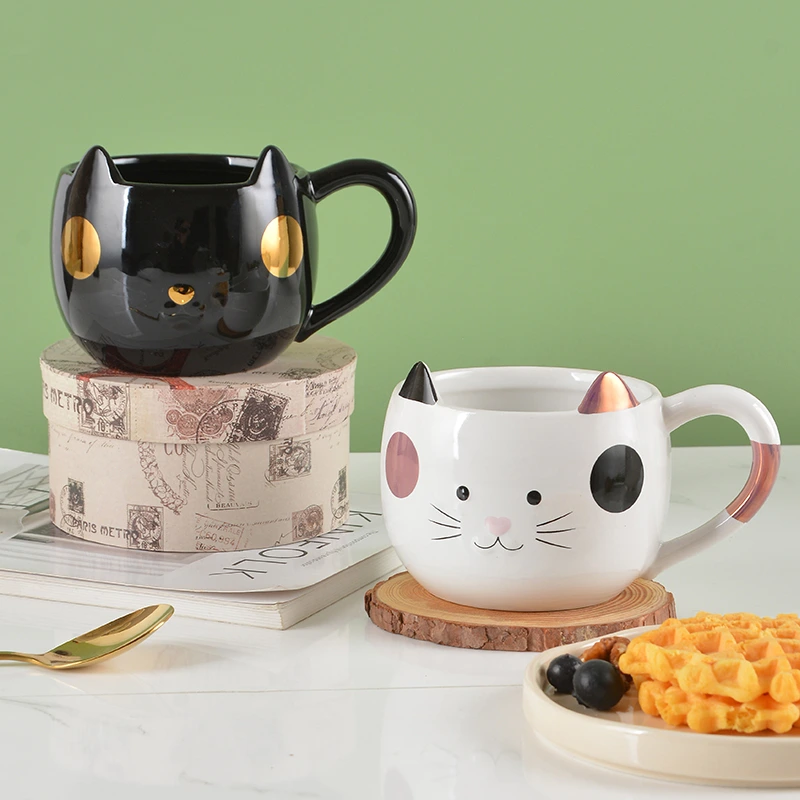
| Distinctive decorative set | Design-led retail and gift assortments | Fit with the store’s style, component completeness, and packaging |
How to Make a Preliminary Channel-Fit Decision
Before adding a product to your assortment, work through five questions:
- What is the primary use? Is the set intended for gifting, home use, resale, or beverage service?
- Which configuration supports that use? Compare a cup-and-saucer set with a multi-piece tea or coffee set.
- Does the design fit the assortment? Consider the visual style and positioning of the products already offered.
- What practical details remain unverified? Check dimensions, component lists, care instructions, and packaging.
- Is the product worth evaluating further? If the fit looks plausible, review the specific product and confirm its requirements before committing to an order.
This process helps narrow the options. It does not replace market testing or guarantee commercial results.
Explore Wholesale Ceramic Coffee and Tea Sets
If the category appears suitable for your channel, you can browse our wholesale ceramic coffee and tea sets to compare product styles and configurations.
As a ceramic coffee and tea set manufacturer, we are offering OEM/ODM support and customization options for relevant products, including shape, color, pattern, and packaging. Business buyers who are considering new ceramic products for their channels are welcome to explore our wholesale ceramic products.
The central decision is straightforward: choose a ceramic coffee or tea set when its configuration, presentation, and verified practical characteristics align with how your channel sells or uses it. A clear match is a reason to investigate the product further—not a substitute for confirming demand and specifications.
For gift-focused assortments, ceramic tea set gift sets should be assessed as complete gift products, including their presentation, included components, and packaging—not just the appearance of the ceramic pieces.