Sourcing セラミックカップ orders at scale is different from buying a few samples — small mistakes multiply into high costs.
In this guide, Kedali, a leading porcelain tableware manufacturer, walks procurement managers, brand owners, and distributors through the practical checkpoints that prevent costly defects, delivery delays, and compliance problems. Follow these steps, and you’ll make smarter buying decisions, protect margins, and build dependable supplier relationships.
Supplier Background: Factory vs. Trading Company
Why it matters: A direct factory gives you control over production, lead times, and quality. Trading companies can be useful for small orders, but they often add layers of cost and complexity.
What to check
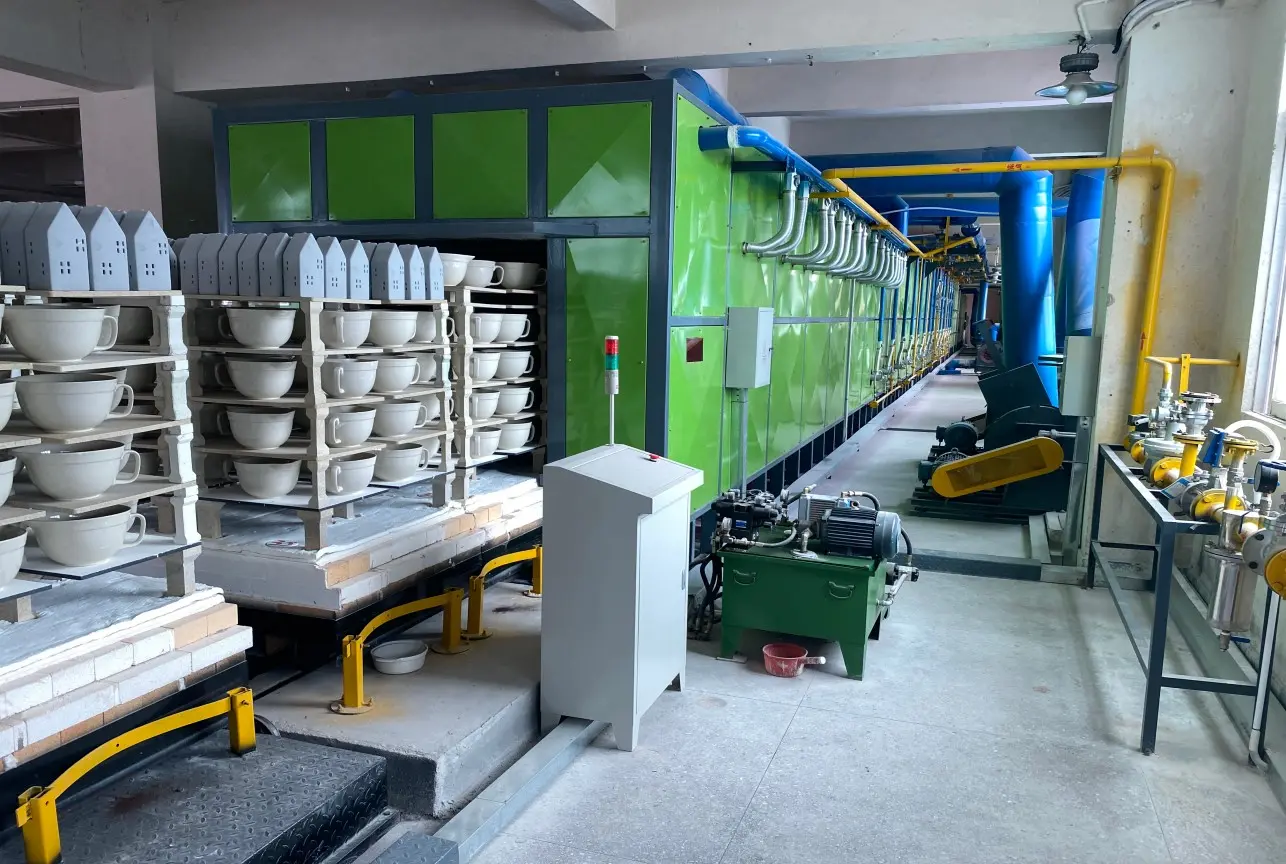
- Ask for the factory’s business license and factory photos (kilns, workshops, stamping area).
- Verify years of experience and main product lines — do they specialize in ceramic cups and related tableware or make many unrelated items?
- Request references or recent buyer contacts, and check sample lead time honesty.
Red flags
- Reluctance to share factory photos or audit reports.
- Lifeless or generic product catalogs with inconsistent specs.

Kedali’s Factory
Material & Manufacturing Specifications
Why it matters: Clay body, firing temperature, and glaze quality determine durability and long-term performance.
Key technical specs to request
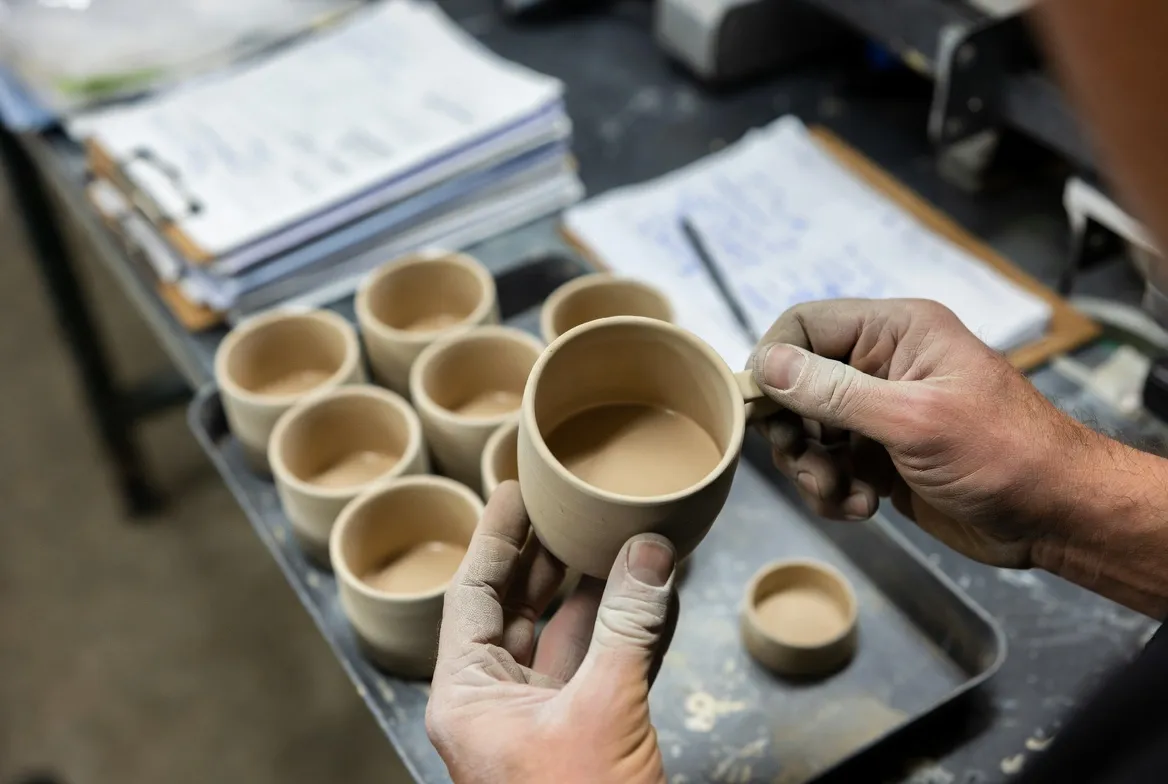
- Clay type: porcelain, stoneware, or earthenware — porcelain and high-fired stoneware are preferred for daily-use cups.
- Firing temperature (°C): Higher firing temperatures generally mean lower porosity and better chip resistance.
- Wall thickness and weight: specify tolerances for a consistent feel across production.
How to verify
- Ask for technical data sheets (TDS) and photos of cross-sections.
- Request the kiln firing profile or certificate if available.
Glaze, Surface Finish of Ceramic Cups for Food Safety
Why it matters: Poor glazes cause pinholes, crazing, or toxic leaching — all unacceptable for beverage ware.
Must-have checks
- Confirm lead-free and cadmium-free glazes; request LFGB/FDA test reports if you sell to regulated markets.
- Inspect sample surfaces for pinholes, blisters, crawling, and uneven gloss.
- Decide finish: glossy (easier to clean, vibrant color) vs. matte (artisan look but can be more porous), and match to target market requirements.
Verification
- Require recent lab reports for migration/leaching and enamel adhesion.
- For private-label buyers, insist on certification copies before bulk production.
Functionality Tests for Daily Use
Why it matters: “Dishwasher safe” or “microwave safe” claims must be backed by real testing to prevent consumer complaints and damage brand image.
Practical tests require
- Dishwasher cycle test (e.g., 300 cycles or the supplier’s standard): check glaze durability and colorfastness.
- Microwave test for thermal shock and hot-spot behavior.
- Thermal-shock/drop test: subject a sample to rapid temperature changes and minor impact to evaluate cracking/chipping resistance.
How to document
- Ask for test protocols and results of your targeted ceramic cup category. If possible, witness third-party lab testing.
Sampling Process & Golden Sample Control
Why it matters: One-off samples aren’t enough. You need a robust approval workflow to lock down production quality for the chosen ceramic cup.
Good sampling practice
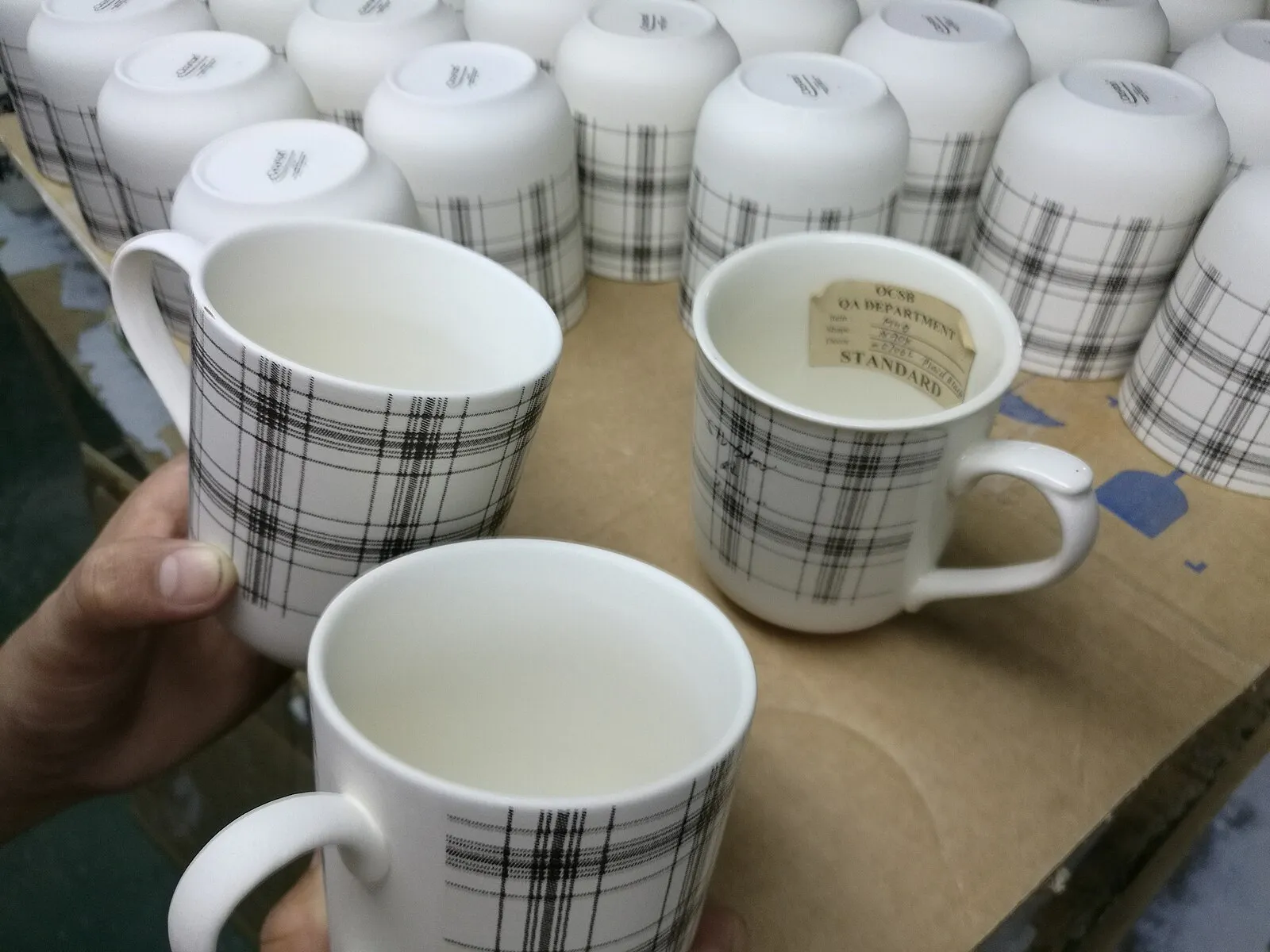
- Start with a development sample, iterate to a pre-production sample, then finalize a signed “golden sample.”
- Golden sample should include: dimensional drawing, color code (Pantone if relevant), weight tolerance, handle dimensions, and packaging mock-up.
- Require the factory to hold the golden sample as a production reference.
Documentation
- Sign and date sample approval documents. Use photos and annotated measurements to avoid later disputes.

MOQ, Molds, and Pricing Transparency
Why it matters: Molds and MOQ decisions affect unit cost, lead time, and product differentiation.
Points to negotiate
- MOQ differences between stock molds and custom molds — custom molds usually require a higher MOQ and an upfront tool fee.
- Mold ownership: clarify who retains the mold and whether your brand can reuse it.
- Request a clear price breakdown: raw material, firing, decoration, packaging, and QC fees.
Tip: A slightly higher unit cost for a proven supplier often saves money over the product lifecycle by reducing rework and returns.
Packaging & Logistics — Prevent Shipment Damage
Why it matters: Even well-made cups break in transit if packaging and loading aren’t done right, especially for easily broken items like ceramic cups.
Packaging checklist
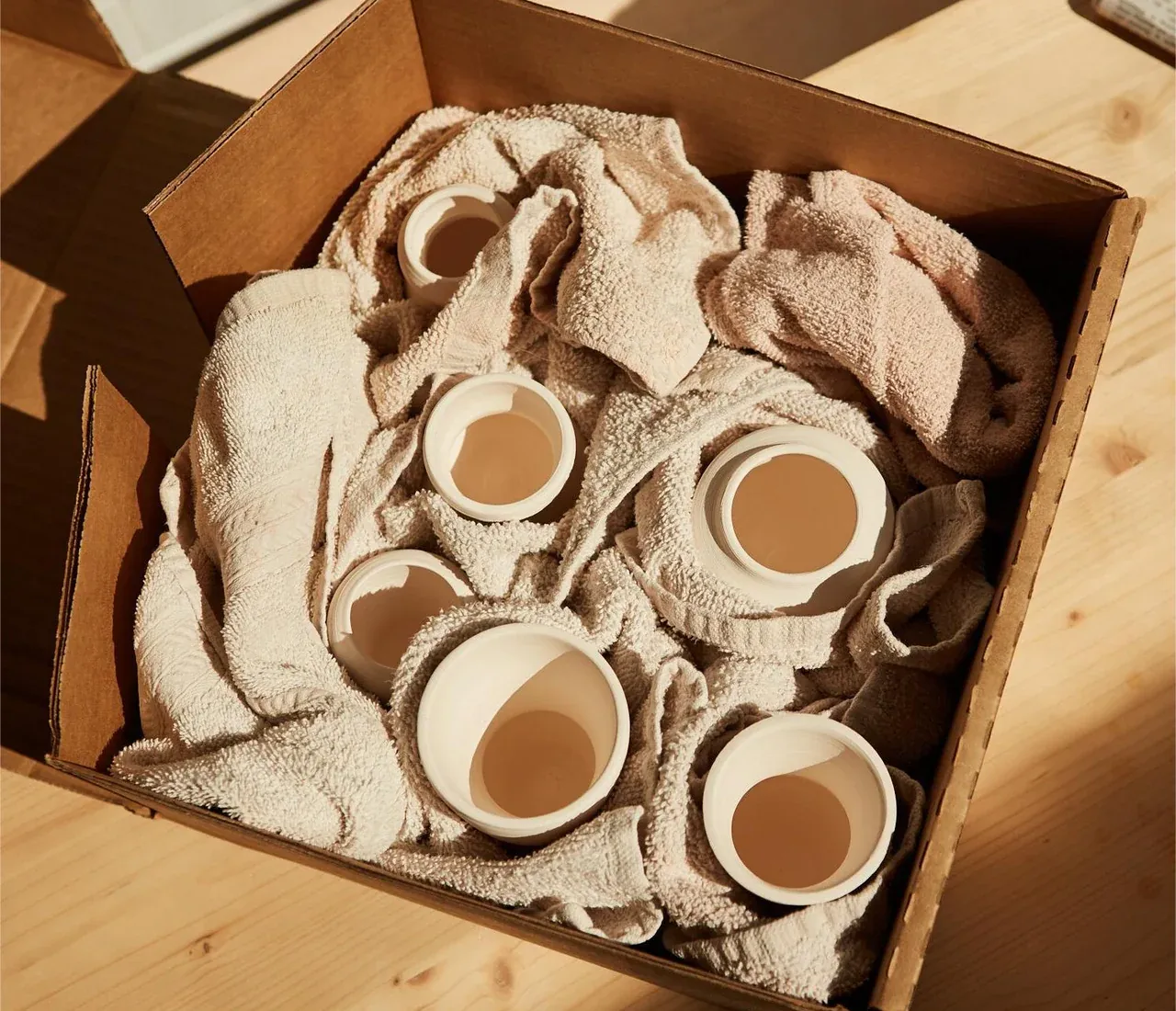
- Inner protection: pulp trays, foam inserts, or individual wrapping.
- Inner box and master carton strength (specify double-wall cartons for sea freight).
- Include a drop-test standard (e.g., 1m drop) and request photos/videos of packaging tests.
Loading & shipping
- Confirm container loading method, number of layers, and palletization plan.
- Compare FCL vs LCL risk; FCL reduces handling damage for fragile goods.

Quality Control During Mass Production
Why it matters: Spot-checks catch process drift before it becomes a large batch problem.
QC regime to enforce
- In-line inspections at critical points (post-glaze, post-fire, pre-packaging).
- Final inspection against AQL(Acceptable Quality Limit) standards — agree on a realistic AQL level (e.g., AQL 2.5 for major defects, 4.0 for minor, but adapt to product and market expectations).
- Require photos, defect logs, and sample retention from each production run.
Supplier accountability
- Define a clear replacement policy for defects discovered on arrival and a timeline for claims.

Contract Terms & Payment Security
Why it matters: Contracts allocate risk and protect cash flow.
Negotiation essentials
- Payment terms: T/T 30/70, L/C at sight, or escrow/trade assurance options depending on trust level.
- Lead time with penalties: include realistic lead times and late-shipment clauses.
- Warranty and defect clauses: who pays for rework, replacement, or return freight?
Documentation
- Keep all agreements in writing and specify inspection checkpoints tied to payment stages.
Post-Order Relationship & Continuous Improvement
Why it matters: The best partnerships reduce future sourcing of ceramic cup headaches.
How to build it
- Conduct periodic factory audits and joint KPI reviews (defect rate, on-time delivery).
- Share sales feedback to guide material or design tweaks.
- Consider MOQ adjustments for hotselling SKUs and negotiate volume discounts.
結論
Sourcing セラミックカップ products wholesale requires technical checks, tight sample control, and pragmatic contracts. The right supplier partnership protects margins, reduces returns, and sustains brand reputation. This guide can be a reference when you are seeking ceramic cup wholesale, adapt AQL and testing thresholds to your market, and invest a little more in verification up front — it pays off in lower risk and stronger product lines.
ケダリについて
ケダリ は leading ceramic mug and cup manufacturer, specializing in offering wholesale ceramic cup and wholesale ceramic mugs for global brands and distributors. We develop custom ceramic cup and mug solutions to match different markets and branding needs.
As a trusted factory partner, our production operates under strict international safety standards, and all porcelain tableware is verified through recognized third-party testing to ensure stable quality and compliance.