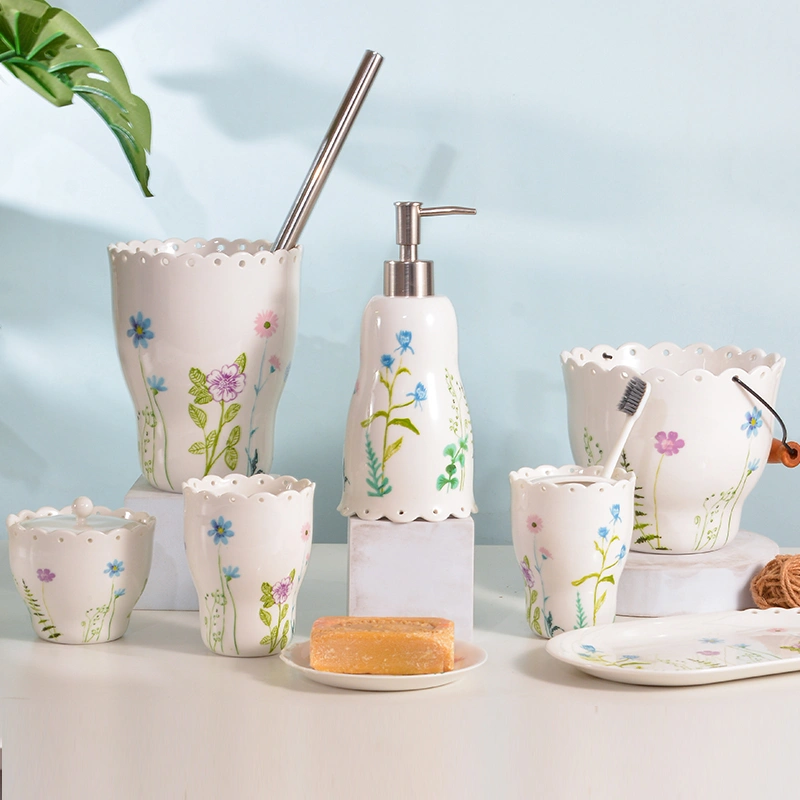
Los hornos microondas se han convertido en un electrodoméstico habitual en hogares, oficinas, restaurantes y negocios de restauración de todo el mundo. Dado que los consumidores esperan cada vez más que los utensilios de cocina pasen sin problemas del almacenamiento al recalentamiento y al servicio, los utensilios aptos para microondas se han convertido en una categoría de productos esencial, más que en una característica de gama alta.
Para los mayoristas, distribuidores, minoristas y marcas blancas, el abastecimiento de productos aptos para el microondas implica mucho más que elegir un diseño atractivo. La seguridad en el microondas depende de la selección de materiales, la tecnología de cocción, la formulación del esmalte, la uniformidad en la fabricación y la realización de pruebas rigurosas. Elegir un proveedor inadecuado puede dar lugar a fallos en el producto, reclamaciones de los clientes e incluso riesgos para la seguridad.
A continuación te explicamos cómo utensilios de cocina de cerámica aptos para microondas cómo se fabrica, cómo garantizan los fabricantes fiables la seguridad de los productos y qué aspectos deben tener en cuenta los compradores antes de elegir un proveedor.
¿Por qué los utensilios de cocina de cerámica son aptos para el microondas?
Muchos compradores dan por hecho que todos los utensilios de cocina de cerámica son aptos para el microondas. En realidad, la compatibilidad con el microondas depende de varios factores relacionados con la fabricación.
Materiales aptos para el microondas
Los materiales cerámicos de alta calidad ofrecen, por naturaleza, un buen rendimiento en entornos de microondas cuando se procesan adecuadamente. Entre los materiales más habituales se encuentran:
- Porcelana
- Gres
- Cerámica de alta densidad
- Arcilla cerámica apta para uso alimentario
Estos materiales están diseñados para soportar ciclos de calentamiento repetidos sin agrietarse ni liberar sustancias nocivas.
¿Qué hace que los productos sean peligrosos?
Hay varios factores que pueden hacer que los utensilios de cocina de cerámica no sean aptos para el microondas:
- Adornos metálicos, como bordes dorados o plateados
- Esmaltes de baja calidad o mal formulados
- Cocción incompleta en el horno
- Defectos internos del material o porosidad excesiva
Estos problemas pueden provocar un sobrecalentamiento, daños en la superficie o incluso un fallo del producto durante su uso en el microondas.
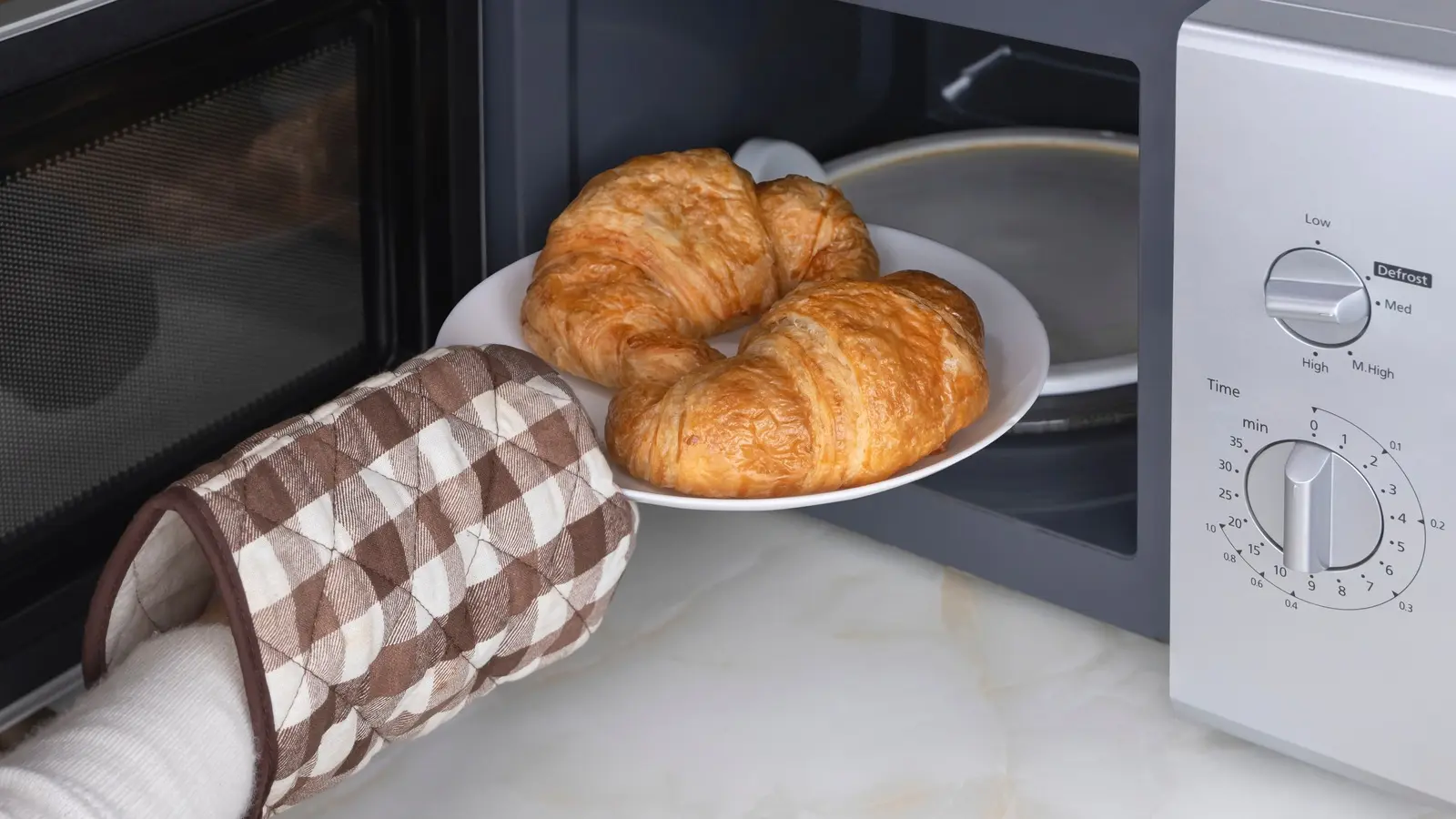
Utensilios de cocina habituales aptos para el microondas
La gama actual de productos aptos para microondas incluye:
- Platos llanos
- Platos hondos
- Tazas de café
- Recipientes para conservar alimentos
- Platos para servir
- Comederos de cerámica para mascotas
Dado que los consumidores dan prioridad a la comodidad, la demanda sigue creciendo tanto en el mercado doméstico como en el comercial.

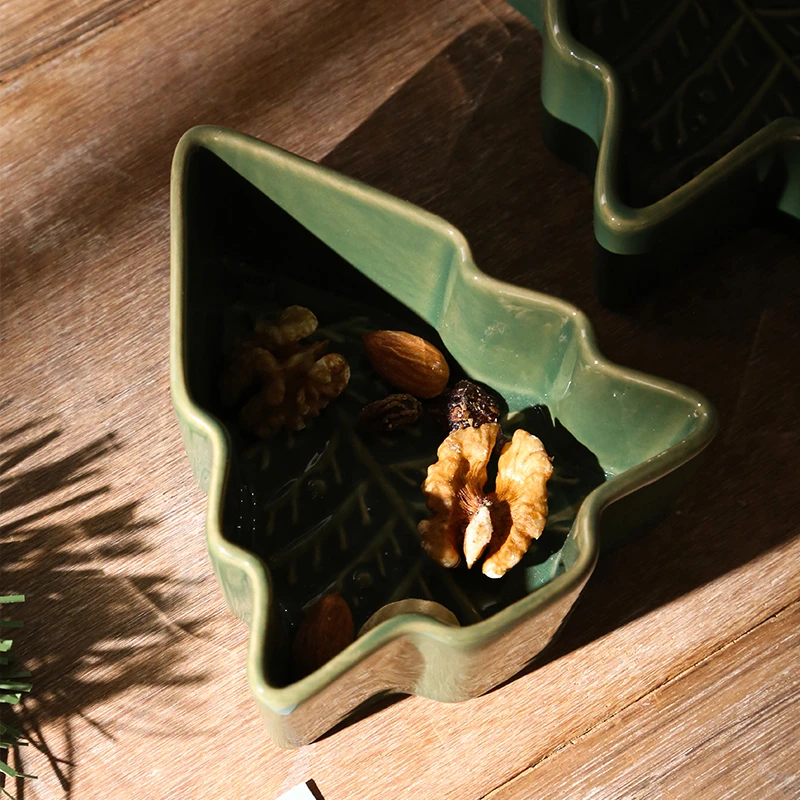
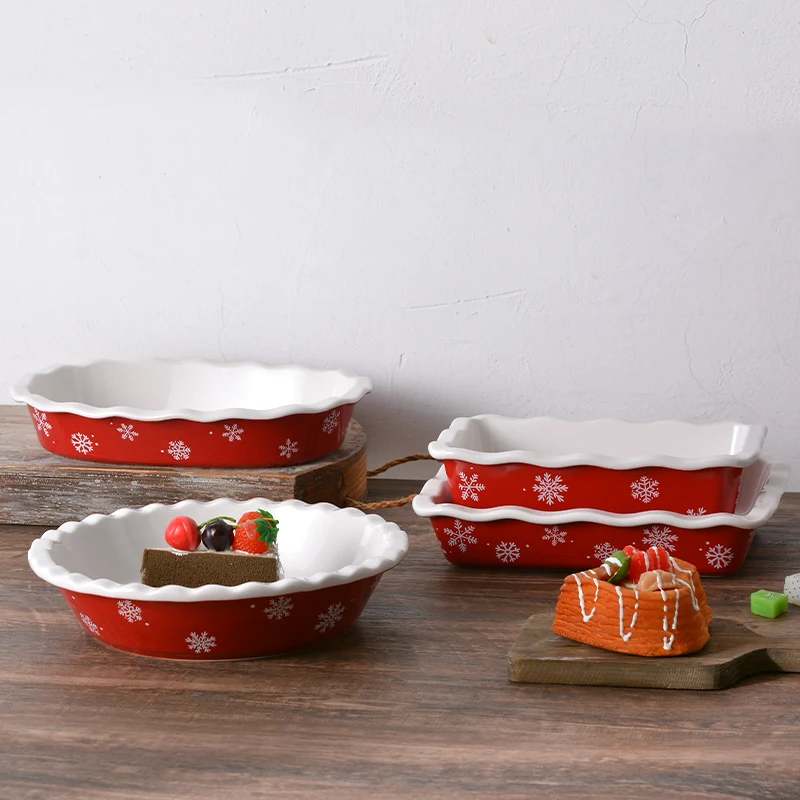
Cómo se fabrican los utensilios de cocina aptos para el microondas
La fabricación de utensilios de cocina de cerámica aptos para el microondas requiere un control preciso a lo largo de todo el proceso de fabricación.
Selección de materias primas
Todo empieza con materias primas de alta calidad.
Los fabricantes de confianza seleccionan cuidadosamente las arcillas cerámicas y las composiciones minerales que proporcionan una excelente estabilidad estructural y, al mismo tiempo, cumplen las normas de seguridad relativas al contacto con los alimentos.
Los materiales de esmaltado también deben formularse de manera que mantengan su estabilidad química tras repetidos ciclos de calentamiento.
Proceso de cocción a alta temperatura
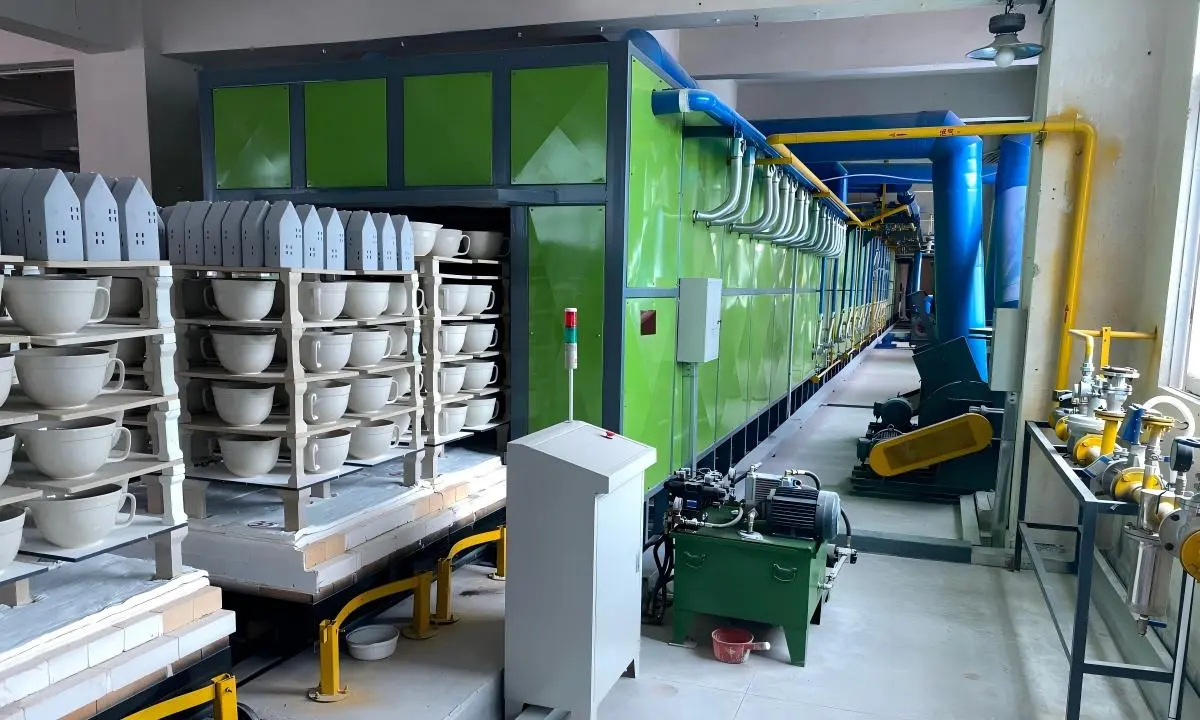
La cocción es una de las fases más importantes del proceso de producción.
Las pastas cerámicas se cuecen a temperaturas que suelen oscilar entre De 1.200 °C a 1.300 °C, lo que permite que el material se vitrifique y forme una estructura densa y resistente.
Una cocción adecuada mejora:
- Resistencia mecánica
- Resistencia a la absorción de agua
- Estabilidad térmica
- Durabilidad a largo plazo
Un control constante de la temperatura del horno es esencial para mantener una calidad uniforme del producto.
Esmaltado y tratamiento de superficies
El esmaltado apto para uso alimentario cumple funciones tanto prácticas como estéticas.
Se utilizan productos de alta calidad aptos para el microondas:
- Esmaltes sin plomo
- Pigmentos sin cadmio
- Acabados resistentes a los arañazos
- Superficies lisas y no porosas
Estos recubrimientos mejoran la higiene y garantizan que el producto se mantenga estable durante el calentamiento en el microondas.
Control de calidad a lo largo de todo el proceso de producción
Los fabricantes con experiencia realizan inspecciones en varias fases, entre las que se incluyen:
- Verificación de las materias primas
- Medición dimensional
- Inspección de defectos superficiales
- Comprobaciones de la uniformidad del color
- Evaluación de la calidad del esmalte
La supervisión continua reduce considerablemente el riesgo de que lleguen a los clientes productos defectuosos.

Cómo verifican los fabricantes que los utensilios de cocina de cerámica son aptos para el microondas
El mero hecho de fabricar un producto no garantiza su seguridad para el uso en el microondas. Los proveedores fiables verifican el rendimiento de los productos mediante pruebas exhaustivas.
Ensayos de choque térmico
Los ensayos de choque térmico evalúan cómo responden los productos a los cambios bruscos de temperatura.
Por ejemplo, los cuencos de cerámica pueden someterse repetidamente a cambios de temperatura, pasando de la temperatura ambiente a entornos calientes, para garantizar que no se agrieten ni se deformen.
Los productos con buena resistencia al choque térmico ofrecen una mayor fiabilidad en el uso diario.
Pruebas de calentamiento por microondas
Los fabricantes llevan a cabo ciclos repetidos de calentamiento por microondas para comprobar que los productos:
- Calentar de manera uniforme
- Mantener la integridad estructural
- No se agrieta ni se fisura
- Mantener la estabilidad del esmalte
El análisis de varias muestras de producción contribuye a garantizar la uniformidad entre los distintos lotes.
Pruebas de seguridad para el contacto con alimentos
Los productos aptos para el microondas también deben cumplir la normativa sobre contacto con alimentos.
Muchos compradores solicitan que se realicen pruebas para detectar:
- Cumplimiento de la normativa de la FDA
- Cumplimiento de la normativa LFGB
- Migración del plomo
- Migración del cadmio
Estas pruebas confirman que los productos siguen siendo seguros para el contacto con alimentos en condiciones normales de uso.
Cómo evaluar a un fabricante de utensilios de cocina aptos para el microondas
Elegir al socio de fabricación adecuado es tan importante como elegir el producto adecuado.
Experiencia en el sector manufacturero
Busca proveedores con experiencia contrastada en la producción de cerámica, la fabricación para la exportación y el desarrollo de productos aptos para microondas.
Las fábricas con experiencia suelen comprender mejor los requisitos internacionales de calidad y los retos que plantea la producción.
Sistema de gestión de la calidad
Un profesional utensilios de cocina de cerámica fabricante debería aplicar un sistema integral de gestión de la calidad que abarque:
- Inspección de la mercancía recibida
- Supervisión de procesos
- Inspección de productos terminados
- Verificación del embalaje
- Documentación sobre la trazabilidad
Estos sistemas contribuyen a garantizar una calidad constante en grandes volúmenes de producción.
Capacidades de OEM y ODM
Los compradores de marcas blancas suelen exigir productos adaptados a sus marcas.
Una fuente fiable fabricante de menaje de cocina de cerámica a medida debería ofrecer:
- Diseños de productos a medida
- Desarrollo del moho
- Personalización del color del esmalte
- Impresión o grabado del logotipo
- Envases listos para la venta al por menor
- Asistencia técnica en ingeniería de productos
La colaboración directa con los ingenieros de fábrica puede acortar considerablemente los ciclos de desarrollo de los productos.
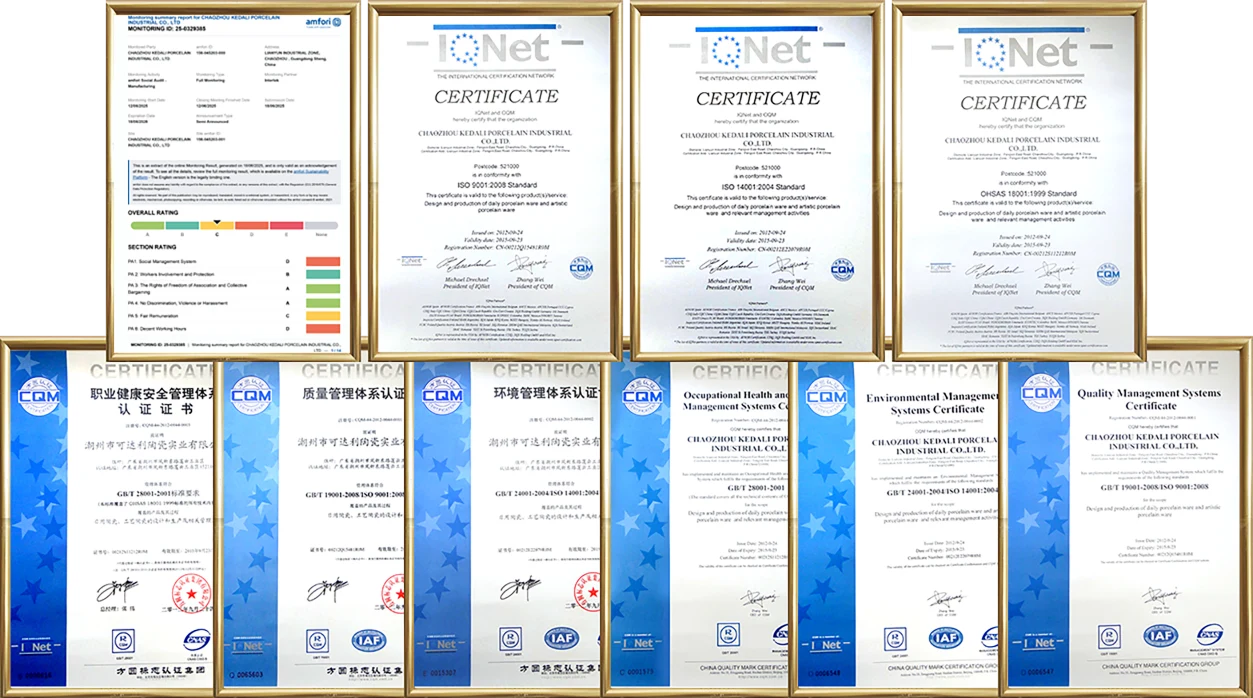
Certificaciones y cumplimiento normativo
Un fabricante cualificado debe poder presentar documentación que acredite el cumplimiento de las normas aplicables en materia de contacto con alimentos y de los sistemas de gestión de la calidad.
Estas certificaciones demuestran nuestro compromiso con la seguridad de los productos y con los requisitos de los mercados internacionales.
Capacidad de producción
Evalúa si la fábrica puede respaldar el crecimiento futuro del negocio analizando lo siguiente:
- Producción mensual
- Capacidad de los equipos
- Plazos de entrega
- Escalabilidad durante las temporadas altas
Una capacidad de producción fiable reduce al mínimo los retrasos en las entregas a medida que tu negocio crece.
Cómo apoya Kedali a los fabricantes de menaje de cocina de marca propia apto para microondas
Para las empresas que desarrollan artículos de cocina de marca propia, elegir al socio fabricante adecuado va más allá de la simple producción: se trata de crear una cadena de suministro fiable a largo plazo.
Amplia experiencia en el sector de la fabricación
Kedali cuenta con una amplia experiencia en la fabricación de utensilios de cocina de cerámica para mayoristas, distribuidores, minoristas y marcas blancas de todo el mundo.
Nuestra experiencia en fabricación nos permite garantizar una calidad constante de los productos, incluso en grandes volúmenes de producción, al tiempo que satisfacemos las diversas exigencias del mercado.
Servicios completos de OEM y ODM
Como un profesional proveedor de utensilios de cocina de cerámica, Kedali ofrece servicios integrales de OEM y ODM, entre los que se incluyen:
- Asistencia en el diseño de productos
- Desarrollo del moho
- Acabados de esmalte personalizados
- Decoración con logotipos
- Diseño de envases
- Soluciones listas para su comercialización
Estas capacidades ayudan a las marcas a crear colecciones de productos diferenciadas, en lugar de competir con los productos estándar de catálogo.
Estricto control de calidad
El control de calidad está integrado en todo el proceso de producción.
Desde la inspección de las materias primas hasta la evaluación del producto final, Kedali aplica estrictos procedimientos de control de calidad diseñados para mejorar la uniformidad y reducir los defectos.
Los productos aptos para microondas se someten a inspecciones exhaustivas antes de su envío, lo que ayuda a los compradores a reducir las devoluciones y a proteger la reputación de su marca.
Suministro mayorista a nivel mundial
Como un experimentado proveedor mayorista de menaje de cocina de cerámica, Kedali ofrece a sus clientes:
- Fabricación a gran escala
- Planificación estable de la producción
- Embalaje para exportación
- Coordinación logística internacional
- Alianzas de suministro a largo plazo
Tanto si se trata de lanzar una nueva línea de productos como de ampliar una colección ya existente, los compradores se benefician de una fabricación adaptable y de un servicio de entrega fiable.

Errores habituales que deben evitar los compradores
Dar por sentado que todos los productos de cerámica son aptos para el microondas
No todos los productos de cerámica están diseñados para su uso en el microondas. Solicita siempre las especificaciones del producto y la documentación de las pruebas antes de realizar pedidos al por mayor.
Ignorar los informes de pruebas de seguridad de los microondas
Las afirmaciones de un proveedor deben estar respaldadas por ensayos adecuados. La documentación aporta una mayor confianza en el rendimiento y la conformidad del producto.
Descuidar la consistencia de los lotes
Aunque una muestra inicial presente buenos resultados, una producción irregular puede generar problemas más adelante. Pregunta a los fabricantes por sus procedimientos de inspección de lotes y sus sistemas de gestión de la calidad.
Omitir muestras de productos
Evalúa siempre las muestras antes de la producción en serie. Las pruebas con muestras permiten a los compradores comprobar el aspecto, la funcionalidad, el embalaje y el rendimiento en el microondas en condiciones reales.
Conclusión
La seguridad en el uso del microondas es el resultado de un proceso de fabricación cuidadosamente controlado, y no solo de la elección del material cerámico. Desde la selección de la materia prima y la cocción a alta temperatura hasta el esmaltado apto para uso alimentario y las rigurosas pruebas, cada fase de la producción contribuye al rendimiento y la fiabilidad del producto final.
Para los mayoristas, distribuidores y marcas blancas, asociarse con un fabricante con experiencia es fundamental para garantizar la calidad del producto, el cumplimiento de la normativa y la satisfacción a largo plazo de los clientes.
Gracias a su amplia experiencia en la fabricación de cerámica, sus completas capacidades de OEM/ODM, su riguroso control de calidad y su fiable suministro a nivel mundial, Kedali ayuda a las marcas a desarrollar colecciones de utensilios de cocina aptos para microondas que satisfacen las expectativas actuales del mercado y, al mismo tiempo, favorecen el crecimiento empresarial a largo plazo.
Preguntas frecuentes
¿Qué certificaciones deben tener los utensilios de cocina aptos para el microondas?
Dependiendo de tu mercado objetivo, los compradores suelen exigir el cumplimiento de las normas de la FDA o la LFGB en materia de contacto con alimentos, además de informes de análisis de plomo y cadmio.
¿Se pueden meter todos los productos de cerámica en el microondas?
No. La compatibilidad con el microondas depende del cuerpo cerámico, la composición del esmalte, el proceso de cocción y los materiales decorativos utilizados durante la fabricación.
¿Cómo comprueban los fabricantes que los productos son aptos para el microondas?
Los fabricantes suelen realizar ensayos de choque térmico, ensayos de calentamiento repetido en microondas y ensayos de seguridad para el contacto con alimentos con el fin de verificar el rendimiento del producto.
¿Se pueden personalizar los utensilios de cocina aptos para el microondas?
Sí. Ofrecemos servicios de OEM y ODM, que incluyen formas, colores, esmaltes, logotipos y embalajes para la venta al por menor personalizados.
¿Qué debo tener en cuenta a la hora de elegir un fabricante de utensilios de cocina aptos para el microondas?
Elige un proveedor con experiencia demostrada en fabricación, un control de calidad exhaustivo, capacidad para ofrecer servicios OEM/ODM, cumplimiento de la normativa sobre contacto con alimentos y una sólida experiencia en exportación.