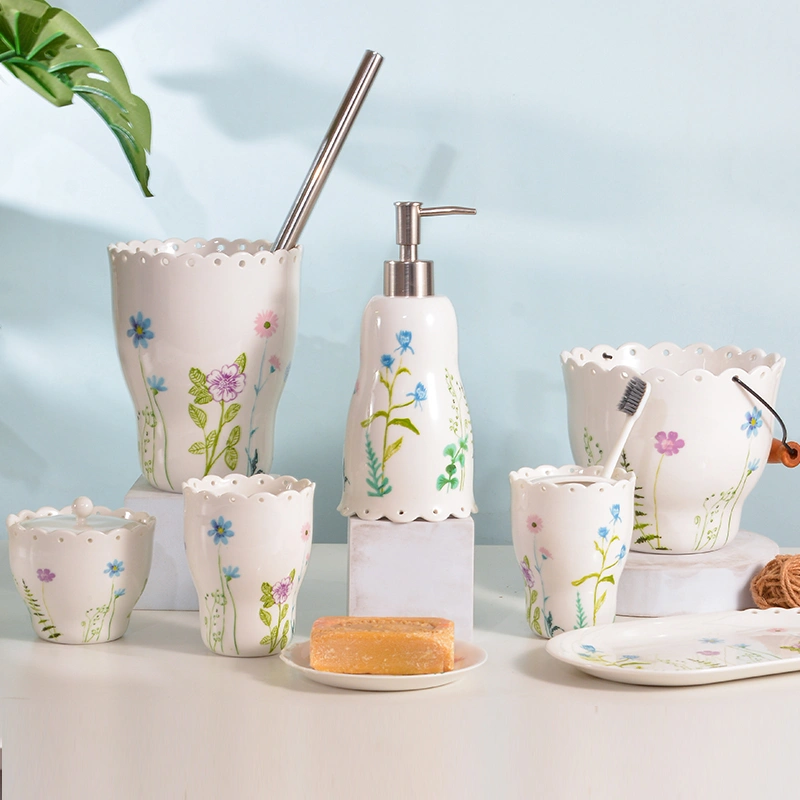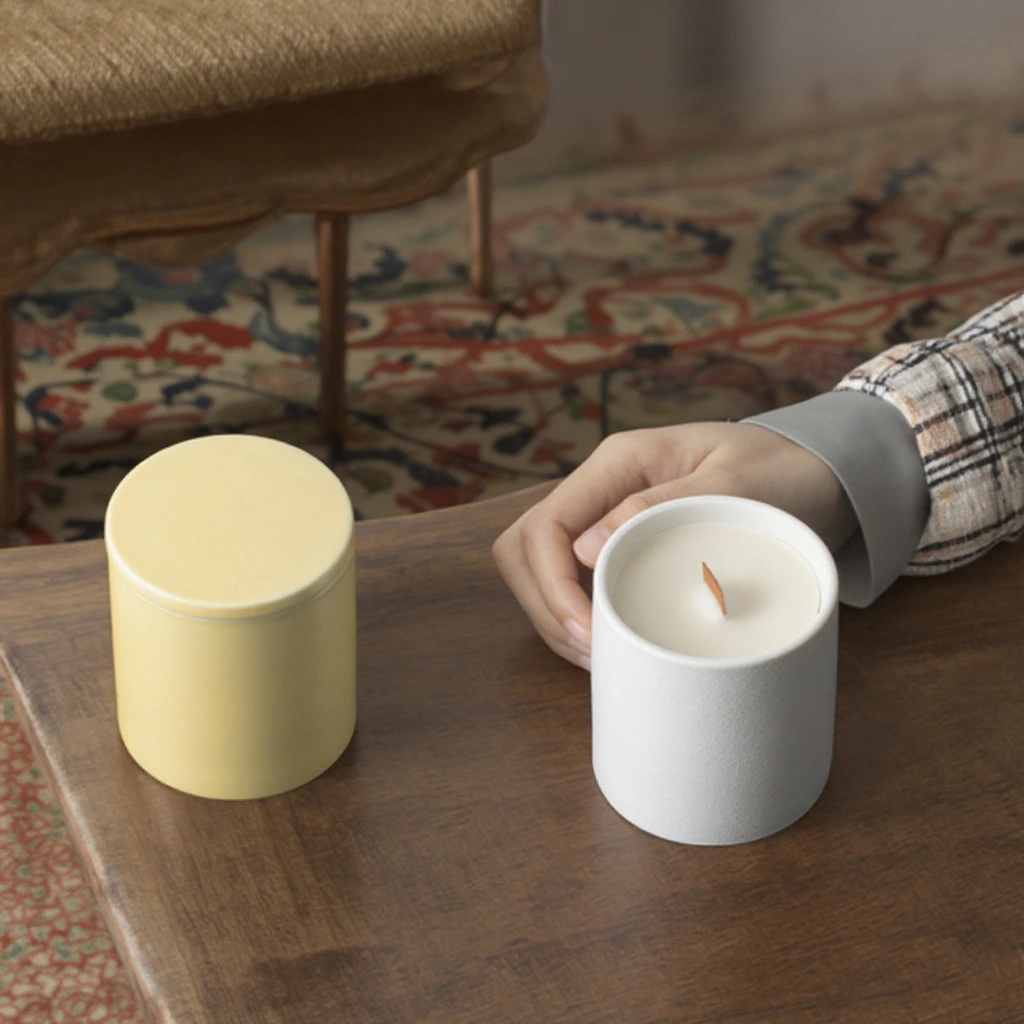
Microwave ovens have become a standard appliance in homes, offices, restaurants, and food service businesses worldwide. As consumers increasingly expect kitchenware to transition seamlessly from storage to reheating to serving, microwave-safe kitchenware has become an essential product category rather than a premium feature.
For wholesalers, distributors, retailers, and private-label brands, sourcing microwave-safe products involves much more than selecting an attractive design. Microwave safety depends on material selection, firing technology, glaze formulation, manufacturing consistency, and rigorous testing. Choosing the wrong supplier can lead to product failures, customer complaints, and even safety risks.
Here we explain how microwave-safe ceramic kitchenware is manufactured, how reliable manufacturers ensure product safety, and what buyers should evaluate before selecting a supplier.
What Makes Ceramic Kitchenware Microwave Safe?
Many buyers assume that all ceramic kitchenware is microwave safe. In reality, microwave compatibility depends on several manufacturing factors.
Microwave-Safe Materials
High-quality ceramic materials naturally perform well in microwave environments when properly processed. Common materials include:
- 磁器
- ストーンウェア
- High-density ceramic
- Food-grade ceramic clay
These materials are designed to withstand repeated heating cycles without cracking or releasing harmful substances.
What Makes Products Unsafe?
Several factors can make ceramic kitchenware unsuitable for microwave use:
- Metallic decorations such as gold or silver rims
- Low-quality or improperly formulated glazes
- Incomplete kiln firing
- Internal material defects or excessive porosity
These issues may cause overheating, surface damage, or even product failure during microwave use.
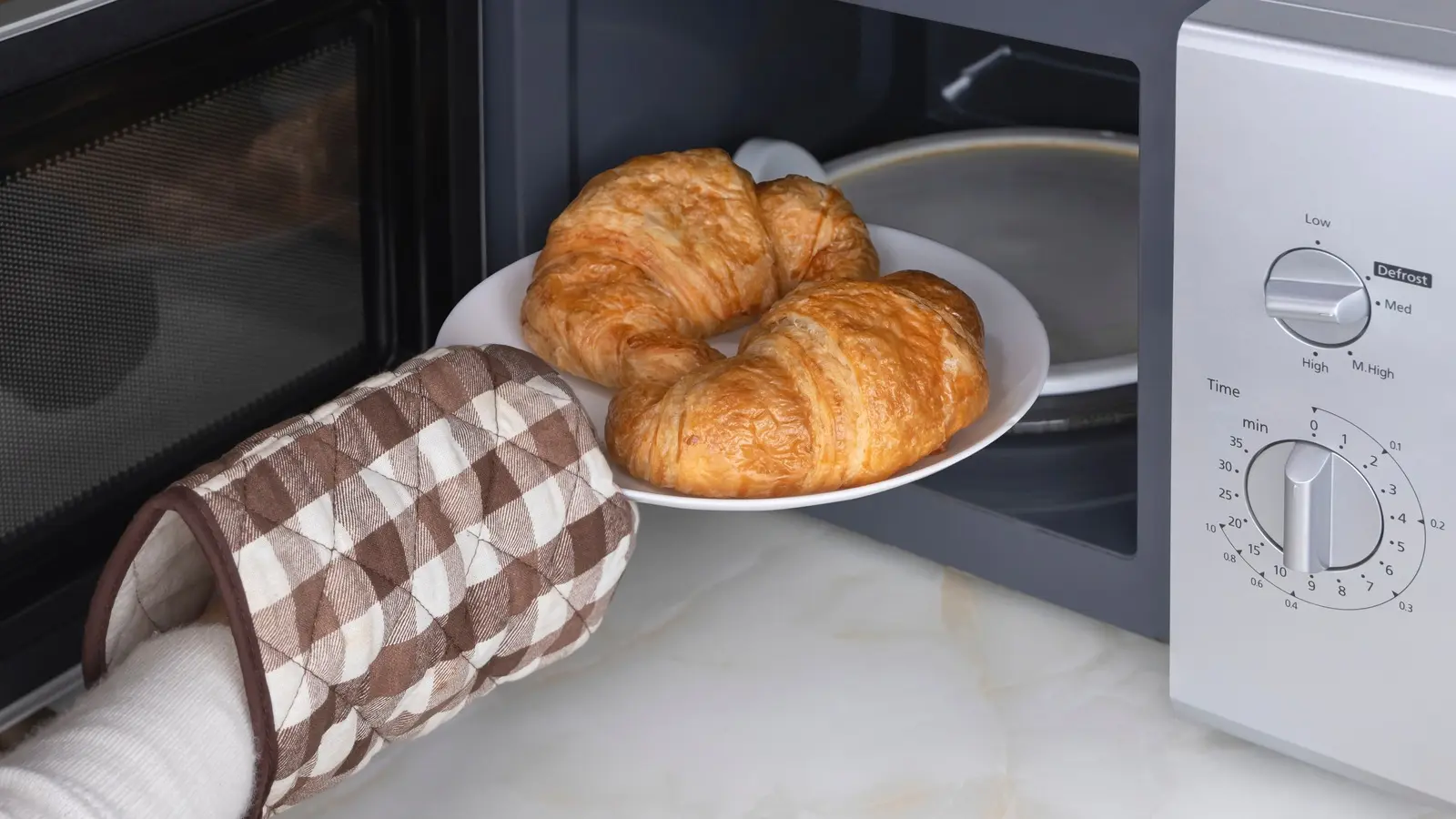
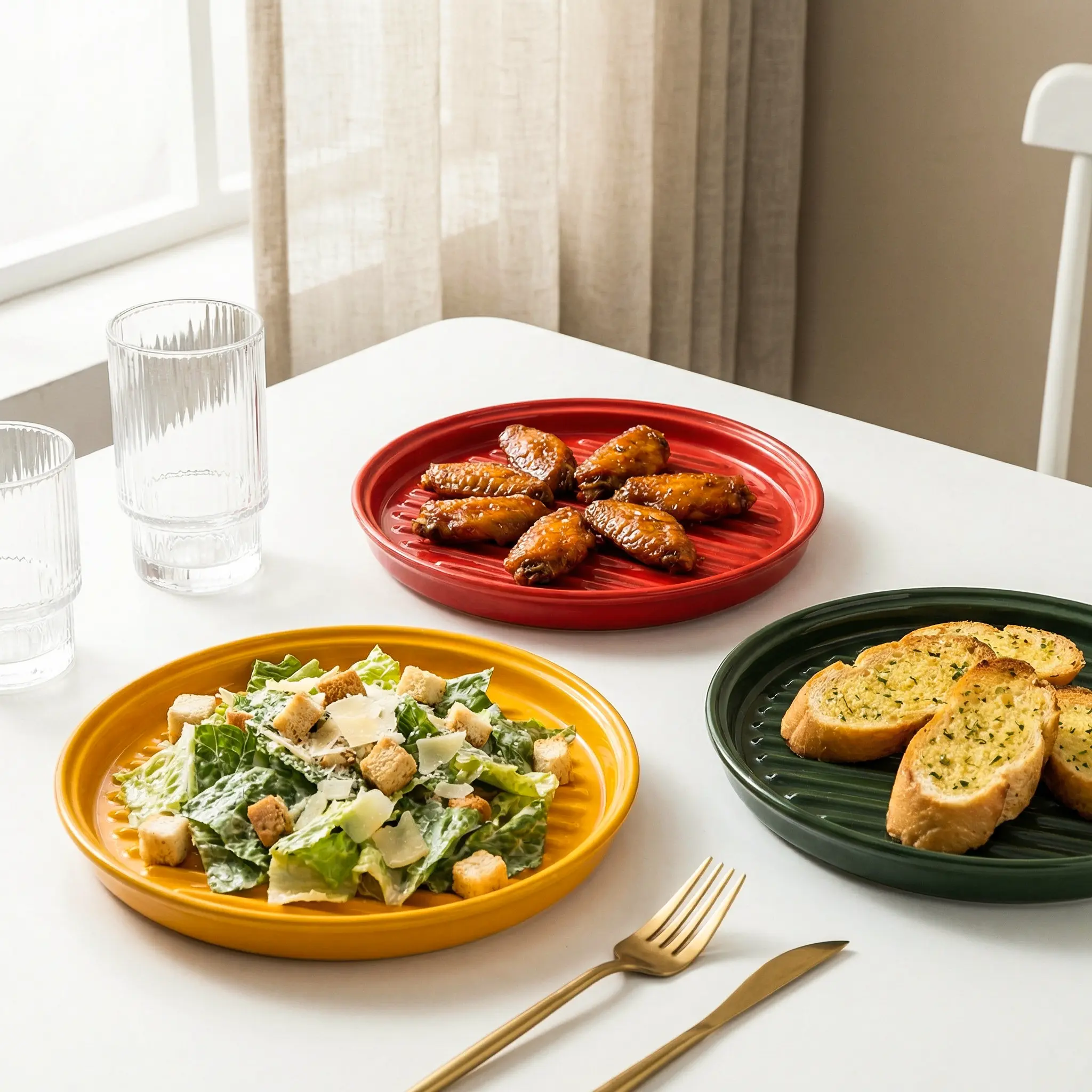
Common Microwave-Safe Kitchenware Products
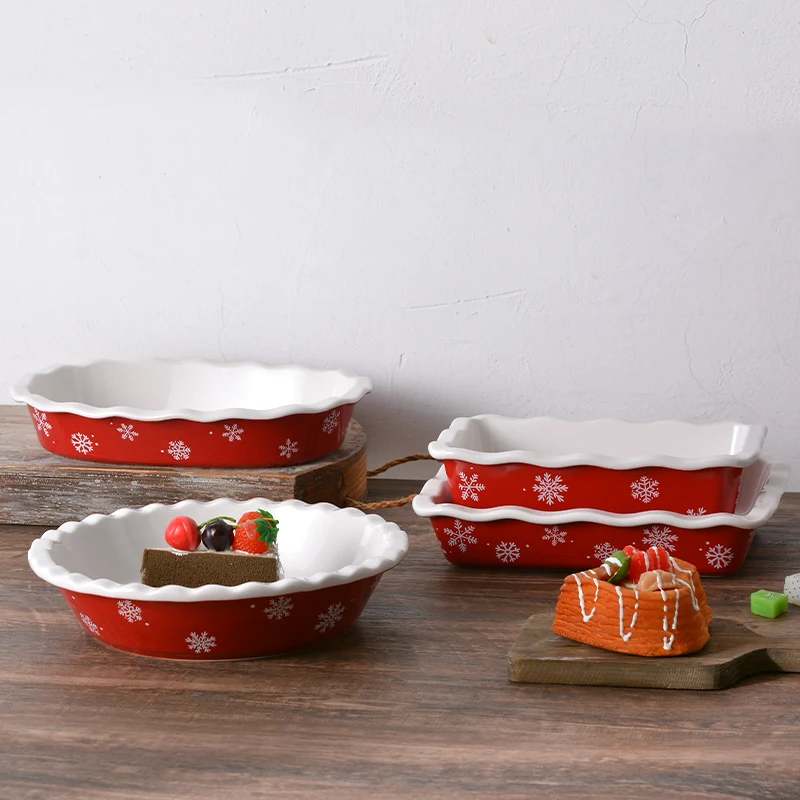
Today’s microwave-safe product range includes:
- Dinner plates
- Soup bowls
- Coffee mugs
- Food storage containers
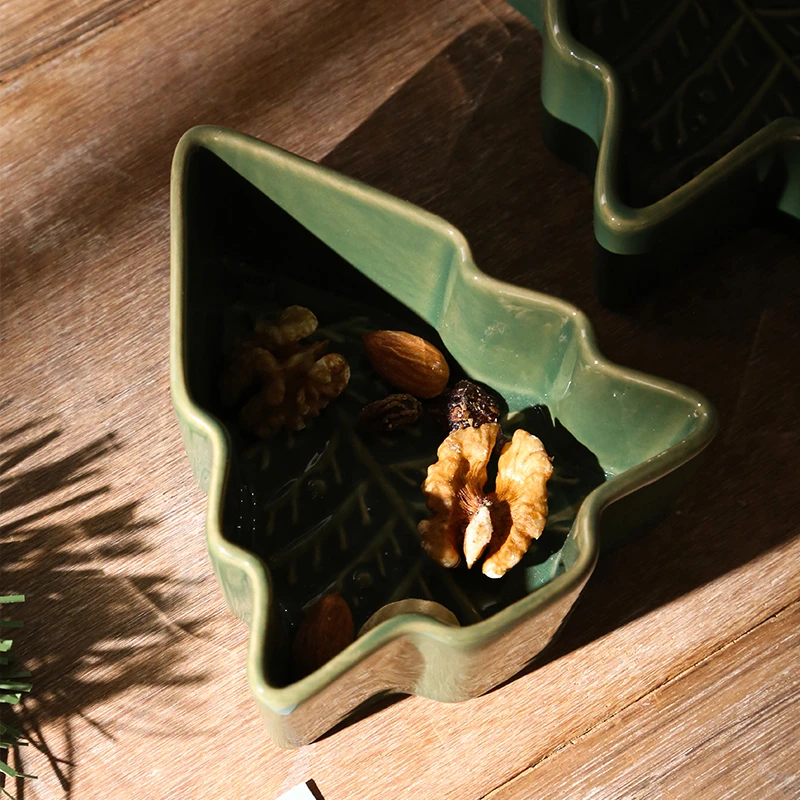
- Serving dishes
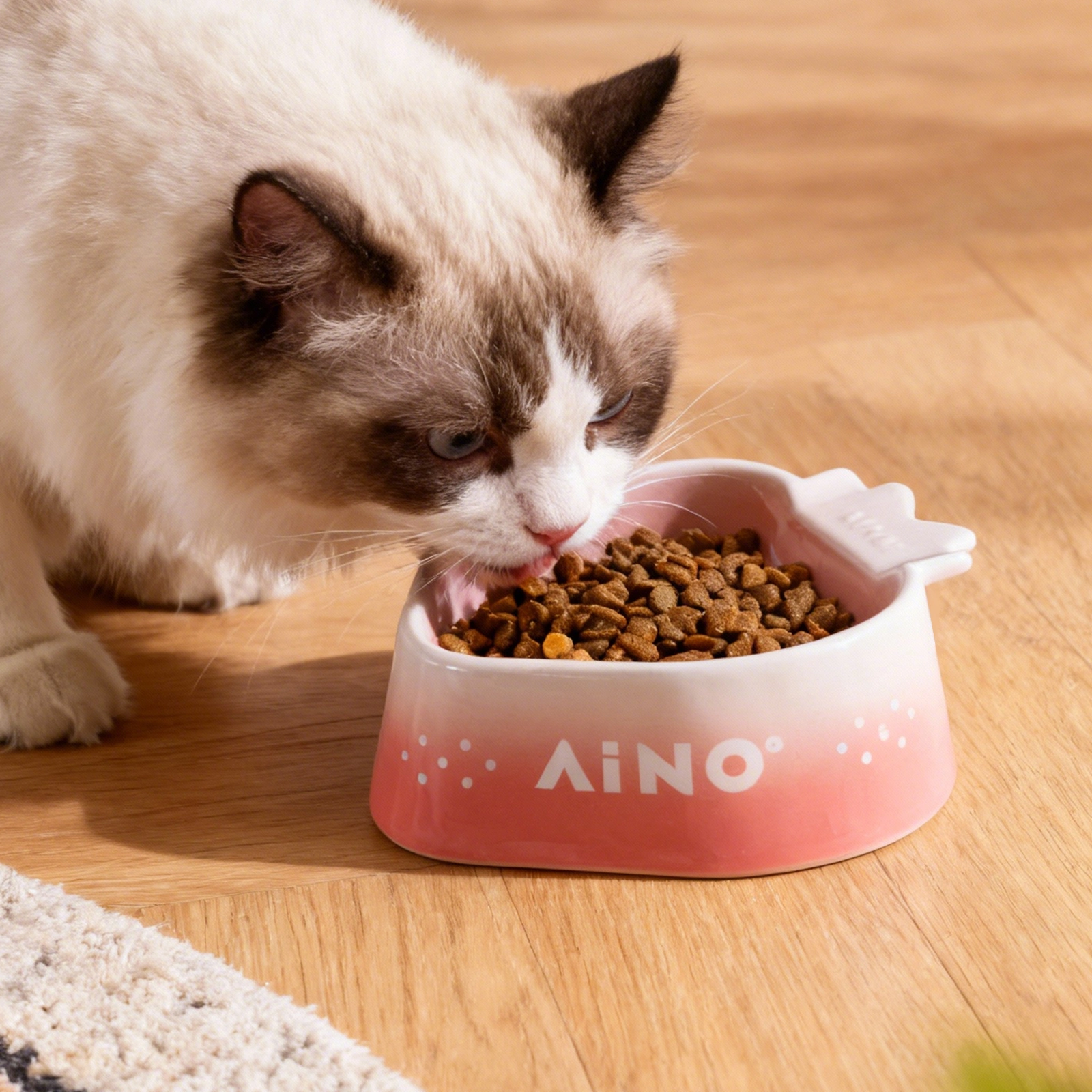
- Ceramic pet bowls
As consumers prioritize convenience, demand continues to grow across both household and commercial markets.
How Microwave-Safe Kitchenware Is Manufactured
Producing microwave-safe ceramic kitchenware requires precise control throughout the manufacturing process.
Raw Material Selection
Everything begins with high-quality raw materials.
Reliable manufacturers carefully select ceramic clay and mineral compositions that provide excellent structural stability while meeting food-contact safety standards.
Glaze materials must also be formulated to remain chemically stable under repeated heating.
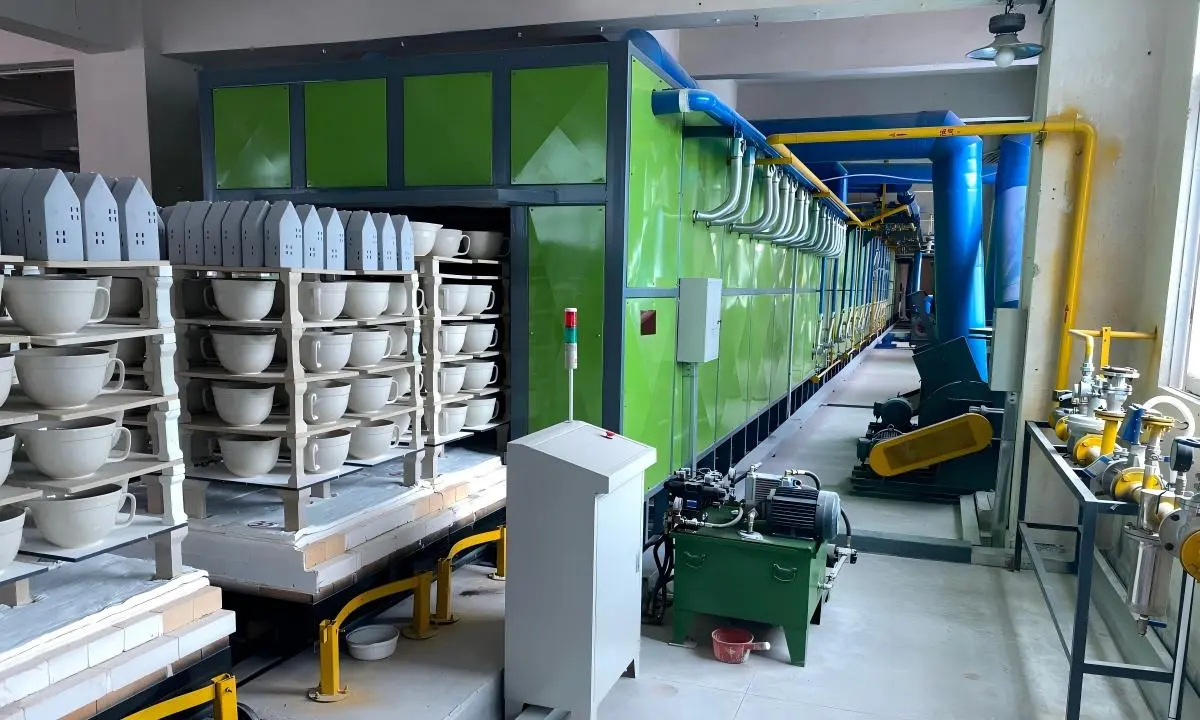
High-Temperature Firing Process
Firing is one of the most important production stages.
Ceramic bodies are fired at temperatures typically ranging from 1,200°C to 1,300°C, allowing the material to vitrify and form a dense, durable structure.
Proper firing improves:
- Mechanical strength
- Water absorption resistance
- Thermal stability
- Long-term durability
Consistent kiln temperature control is essential for maintaining uniform product quality.
Glazing and Surface Treatment
Food-safe glazing serves both functional and aesthetic purposes.
High-quality microwave-safe products are used:
- Lead-free glazes
- Cadmium-free pigments
- Scratch-resistant finishes
- Smooth, non-porous surfaces
These coatings improve hygiene while ensuring the product remains stable during microwave heating.
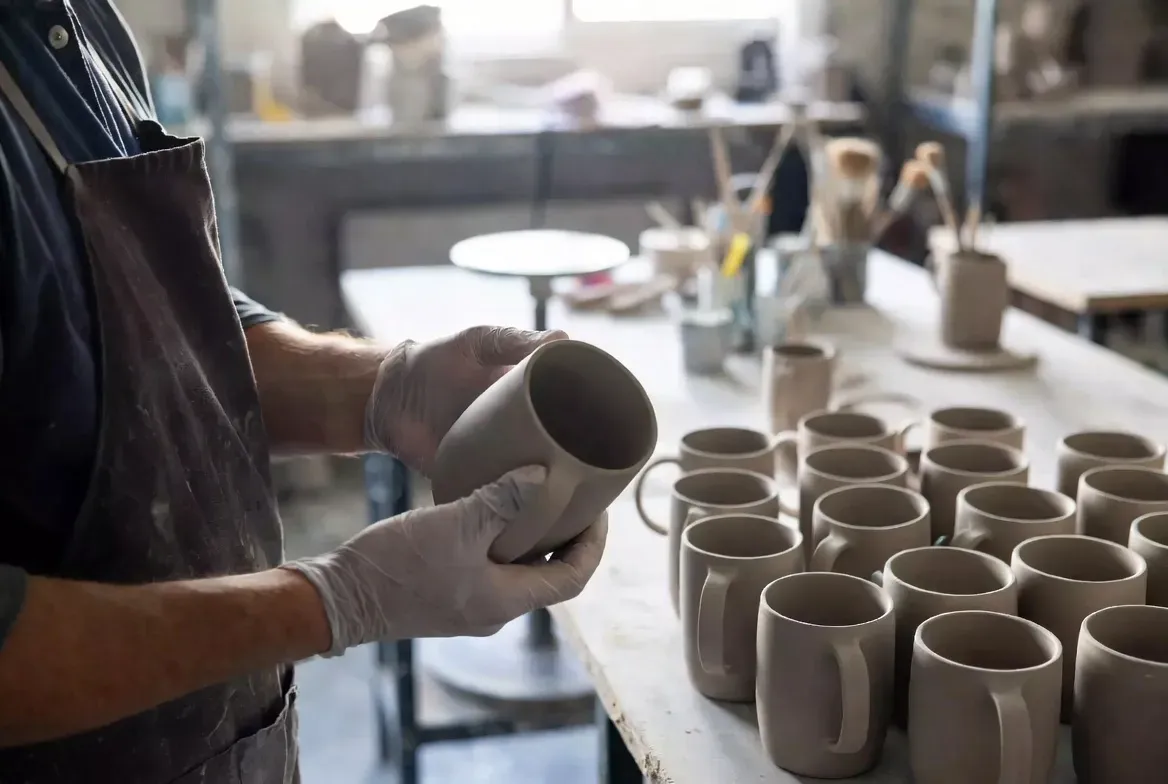
Quality Inspection Throughout Production
Experienced manufacturers perform inspections at multiple stages, including:
- Raw material verification
- Dimensional measurement
- Surface defect inspection
- Color consistency checks
- Glaze quality evaluation
Continuous monitoring significantly reduces the risk of defective products reaching customers.
How Manufacturers Verify Microwave-Safe Ceramic Kitchenware
Manufacturing alone does not guarantee microwave safety. Reliable suppliers validate product performance through comprehensive testing.
Thermal Shock Testing
Thermal shock testing evaluates how products respond to sudden temperature changes.
For example, ceramic bowls may be transferred from room temperature to hot environments repeatedly to ensure they resist cracking or deformation.
Products with good thermal shock resistance provide greater reliability during everyday use.
Microwave Heating Tests
Manufacturers conduct repeated microwave heating cycles to verify that products:
- Heat evenly
- Maintain structural integrity
- Do not crack or craze
- Preserve glaze stability
Testing multiple production samples helps ensure consistency across batches.
Food Contact Safety Testing
Microwave-safe products should also comply with food-contact regulations.
Many buyers request testing for:
- FDA compliance
- LFGB compliance
- Lead migration
- Cadmium migration
These tests confirm that products remain safe for food contact under normal usage conditions.
How to Evaluate a Microwave-Safe Kitchenware Manufacturer
Selecting the right manufacturing partner is just as important as choosing the right product.
Manufacturing Experience
Look for suppliers with proven expertise in ceramic production, export manufacturing, and microwave-safe product development.
Experienced factories are more likely to understand international quality requirements and production challenges.
Quality Management System
プロフェッショナル セラミックキッチン用品メーカー should operate a comprehensive quality management system covering:
- Incoming material inspection
- Process monitoring
- Finished goods inspection
- Packaging verification
- Traceability documentation
These systems help ensure consistent quality across large production volumes.
OEM & ODM Capabilities
Private-label buyers often require products tailored to their brands.
信頼できる オーダーメイドのセラミック製キッチン用品メーカー should offer:
- Custom product designs
- Mold development
- Glaze color customization
- ロゴ印刷またはエンボス加工
- Retail-ready packaging
- Product engineering support
Direct collaboration with factory engineers can significantly shorten product development cycles.
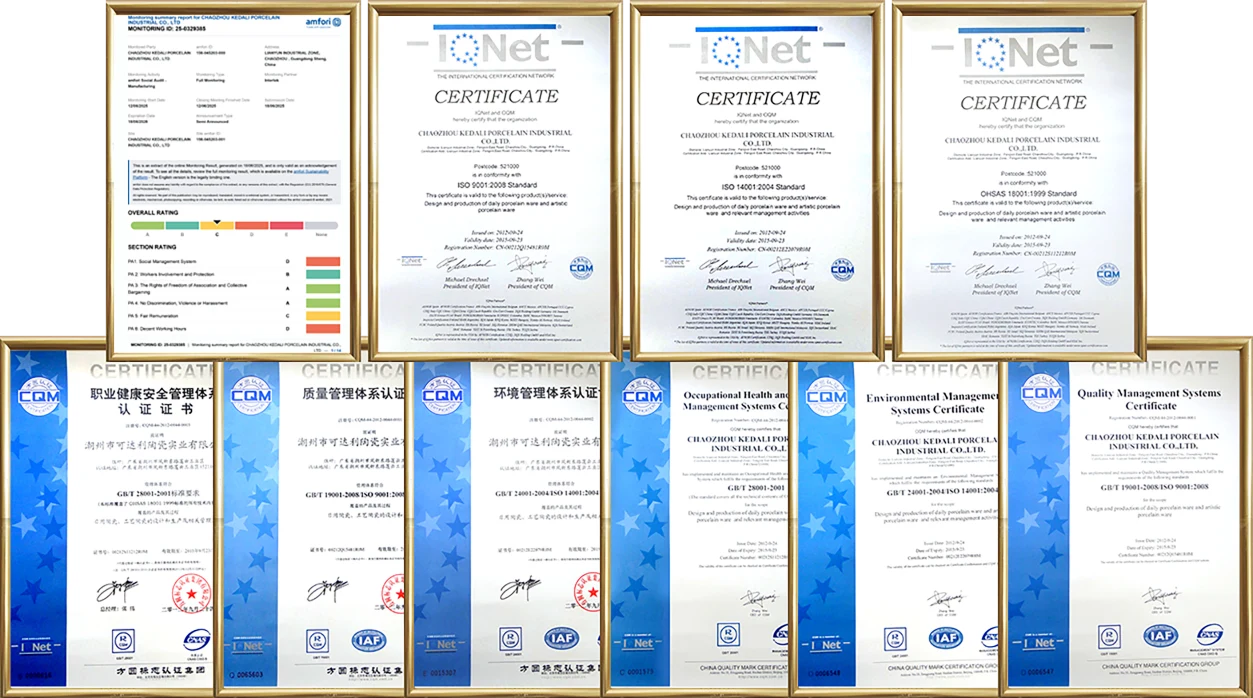
Certifications and Compliance
A qualified manufacturer should be able to provide documentation supporting compliance with applicable food-contact standards and quality management systems.
These certifications demonstrate a commitment to product safety and international market requirements.
Production Capacity
Evaluate whether the factory can support future business growth by reviewing:
- Monthly production output
- Equipment capacity
- Lead times
- Scalability during peak seasons
Reliable production capacity minimizes delivery delays as your business expands.
How Kedali Supports Private-Label Microwave-Safe Kitchenware
For businesses developing private-label kitchenware, selecting the right manufacturing partner is about more than production—it is about building a reliable long-term supply chain.
Extensive Manufacturing Experience
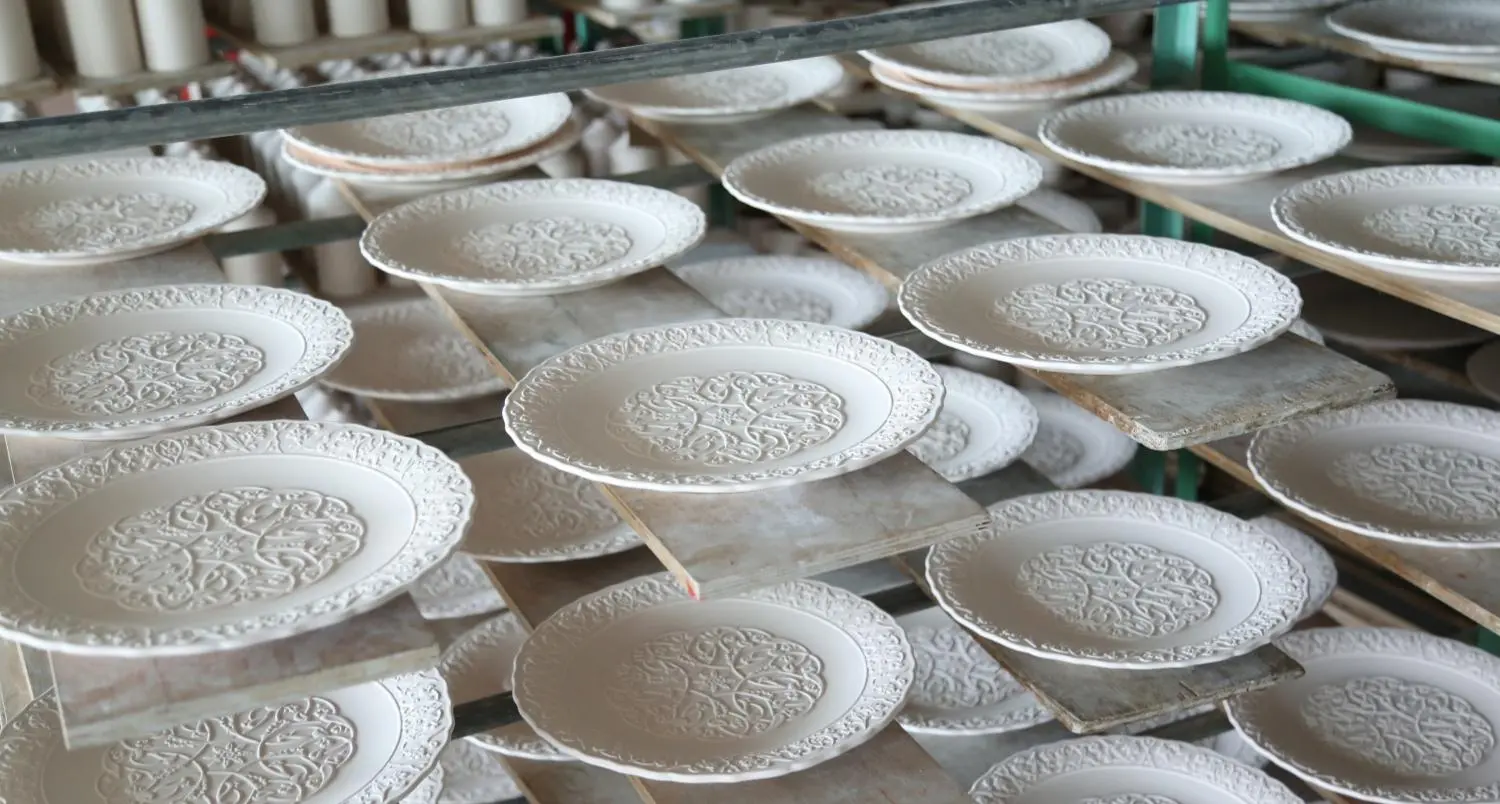
Kedali has extensive experience manufacturing ceramic kitchenware for wholesalers, distributors, retailers, and private-label brands worldwide.
Our manufacturing expertise supports consistent product quality across large production volumes while meeting diverse market requirements.
Complete OEM & ODM Services
プロとして 陶磁器製キッチン用品のサプライヤー, Kedali offers comprehensive OEM and ODM services, including:
- Product design support
- Mold development
- Customized glaze finishes
- ロゴの装飾
- パッケージデザイン
- Retail-ready solutions
These capabilities help brands create differentiated product collections rather than competing with standard catalog products.
Strict Quality Control
Quality assurance is integrated throughout the production process.
From raw material inspection to final product evaluation, Kedali applies strict quality control procedures designed to improve consistency and reduce defects.
Microwave-safe products undergo comprehensive inspections before shipment, helping buyers reduce product returns and protect their brand reputation.
Global Wholesale Supply
としての経験 セラミック製キッチン用品の卸売業者, Kedali supports customers with:
- 大量生産
- Stable production scheduling
- 輸出用梱包
- International logistics coordination
- Long-term supply partnerships
Whether launching a new product line or expanding an existing collection, buyers benefit from scalable manufacturing and dependable delivery.

Common Mistakes Buyers Should Avoid
Assuming Every Ceramic Product Is Microwave Safe
Not all ceramic products are designed for microwave use. Always request product specifications and testing documentation before placing bulk orders.
Ignoring Microwave Safety Testing Reports
A supplier’s claims should be supported by appropriate testing. Documentation provides greater confidence in product performance and compliance.
Overlooking Batch Consistency
Even if an initial sample performs well, inconsistent production can create problems later. Ask manufacturers about their batch inspection procedures and quality management systems.
Skipping Product Samples
Always evaluate samples before mass production. Sample testing allows buyers to verify appearance, functionality, packaging, and microwave performance under real-world conditions.
結論
Microwave safety is the result of a carefully controlled manufacturing process—not simply the choice of ceramic material. From raw material selection and high-temperature firing to food-safe glazing and rigorous testing, every production stage contributes to the performance and reliability of the finished product.
For wholesalers, distributors, and private-label brands, partnering with an experienced manufacturer is essential to ensuring product quality, regulatory compliance, and long-term customer satisfaction.
With extensive ceramic manufacturing expertise, comprehensive OEM/ODM capabilities, strict quality control, and reliable global supply, Kedali helps brands develop microwave-safe kitchenware collections that meet today’s market expectations while supporting long-term business growth.
よくある質問
What certifications should microwave-safe kitchenware have?
Depending on your target market, buyers commonly request FDA or LFGB food-contact compliance, along with lead and cadmium testing reports.
Can all ceramic products go in the microwave?
No. Microwave compatibility depends on the ceramic body, glaze formulation, firing process, and decorative materials used during manufacturing.
How do manufacturers test microwave-safe products?
Manufacturers typically conduct thermal shock testing, repeated microwave heating tests, and food-contact safety testing to verify product performance.
Can microwave-safe kitchenware be customized?
Yes. We offer OEM and ODM services, including custom shapes, colors, glazes, logos, and retail packaging.
What should I look for in a microwave-safe kitchenware manufacturer?
Choose a supplier with proven manufacturing experience, comprehensive quality control, OEM/ODM capabilities, food-contact compliance, and strong export experience.