En entornos hosteleros con una alta rotación, la elección del material adecuado para la vajilla influye directamente en los costes operativos, la eficiencia y la experiencia de los clientes. Para los responsables de compras de hoteles, los gestores de restaurantes y los distribuidores, comprender las diferencias entre el cristal y vajilla de cerámica ayuda a tomar decisiones de compra más acertadas basadas en la durabilidad, el mantenimiento y el valor a largo plazo.
El papel de los materiales de la vajilla en las aplicaciones comerciales
En los entornos profesionales de restauración, la vajilla no es solo un producto funcional, sino también una parte importante de la experiencia gastronómica. Los compradores deben tener en cuenta algo más que la apariencia a la hora de seleccionar productos para sus mercados.
Factores clave que tienen en cuenta los compradores a la hora de elegir vajilla
Los compradores profesionales suelen evaluar la vajilla en función de:
- Durabilidad: Los productos deben soportar un uso frecuente, los lavados, el apilamiento y el transporte.
- Eficiencia en el mantenimiento: Las superficies fáciles de limpiar contribuyen a reducir la carga de trabajo.
- Flexibilidad de diseño: Las diferentes formas, colores y acabados se adaptan a diversos estilos de comedor.
- Rentabilidad: Una larga vida útil ayuda a las empresas a controlar los costes de sustitución.
Por estas razones, elegir el material adecuado es fundamental para crear colecciones de productos competitivas.
Vajilla de cristal: características, usos y aplicaciones en el mercado
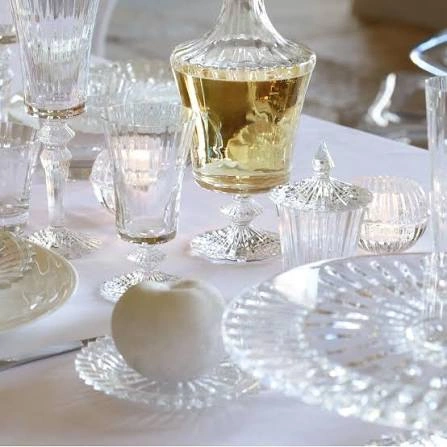
La vajilla de cristal se utiliza mucho en restaurantes, cafeterías, bares y negocios relacionados con las bebidas debido a su aspecto limpio y su atractivo visual.
Ventajas de la vajilla de cristal
Una de las principales ventajas de la vajilla de cristal es su diseño transparente, que permite a los clientes ver claramente los alimentos o las bebidas que se sirven. Esto la hace especialmente adecuada para productos en los que la presentación desempeña un papel importante.
Entre las principales ventajas se incluyen:
- Aspecto moderno y elegante;
- Buena visibilidad de los alimentos y las bebidas;
- Ideal para conceptos gastronómicos contemporáneos;
- Fácil de combinar con diferentes estilos de decoración.
Los productos de cristal pueden crear un ambiente refinado, sobre todo en el servicio de bebidas y en los restaurantes de alta gama.
Usos habituales de la vajilla de cristal
La vajilla de cristal suele elegirse para:
- Cafeterías y cafeterías;
- Bares y marcas de bebidas;
- Restaurantes de alta cocina;
- Proyectos hoteleros y de hostelería.
No obstante, los compradores también deben tener en cuenta ciertas limitaciones prácticas. En comparación con los productos de cerámica, el vidrio puede requerir un manejo más cuidadoso debido a su fragilidad. En el caso de las empresas con una actividad diaria muy intensa, conviene evaluar detenidamente los costes de sustitución y la protección durante el transporte.


Vajilla de cerámica: características, ventajas y aplicaciones en el mercado
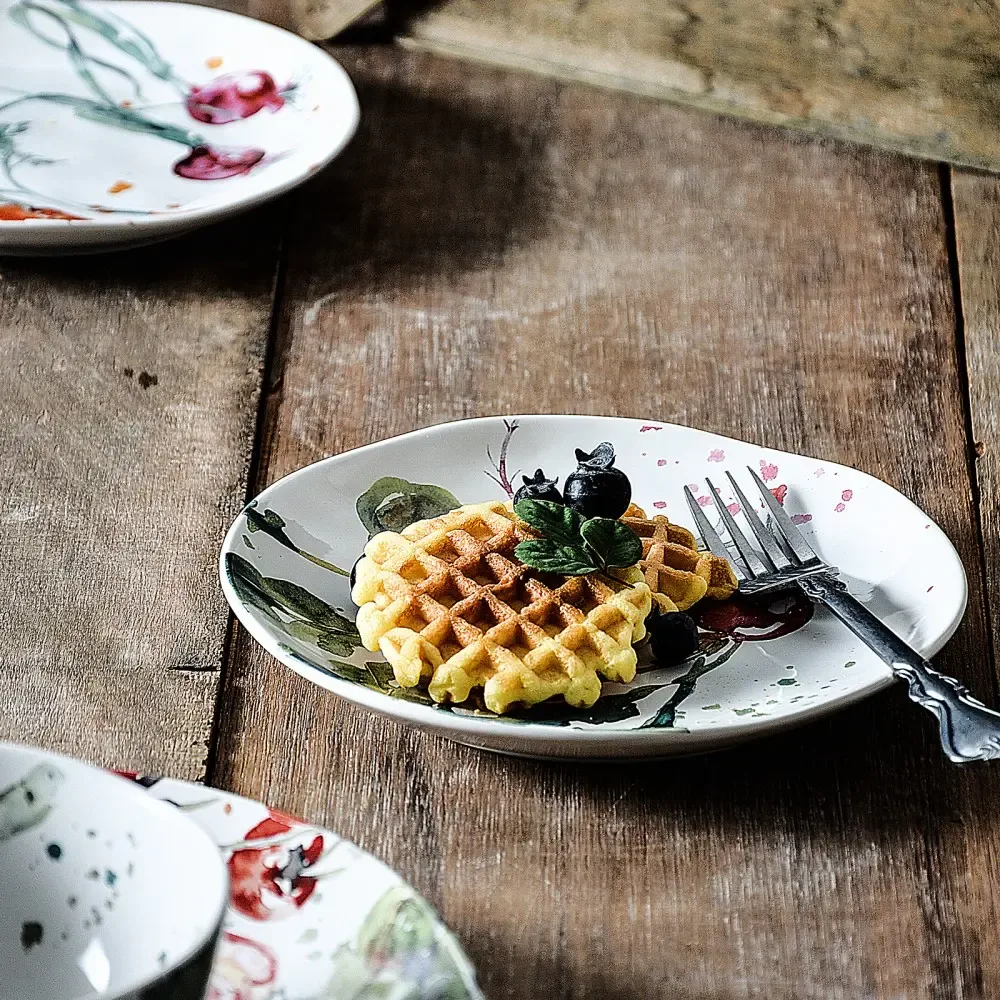
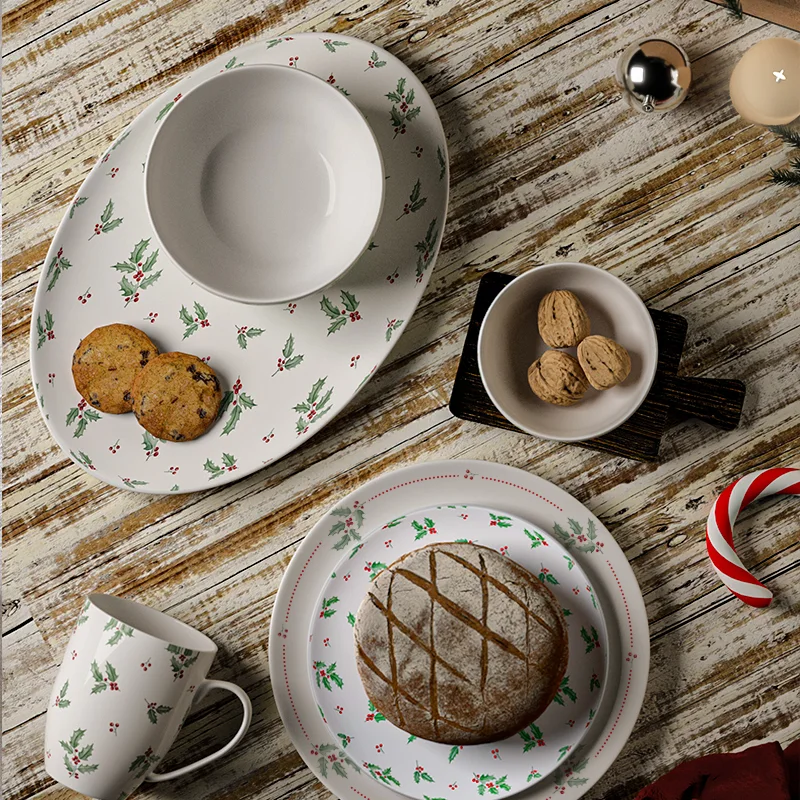
Entre las diferentes opciones de vajilla, la vajilla de cerámica sigue siendo una de las soluciones más utilizadas en restaurantes, hoteles, empresas de catering y el mercado minorista. Su combinación de durabilidad, aspecto refinado y flexibilidad de diseño la hace idónea tanto para el uso diario como para aplicaciones de hostelería de alta gama.
Ventajas de la vajilla de cerámica
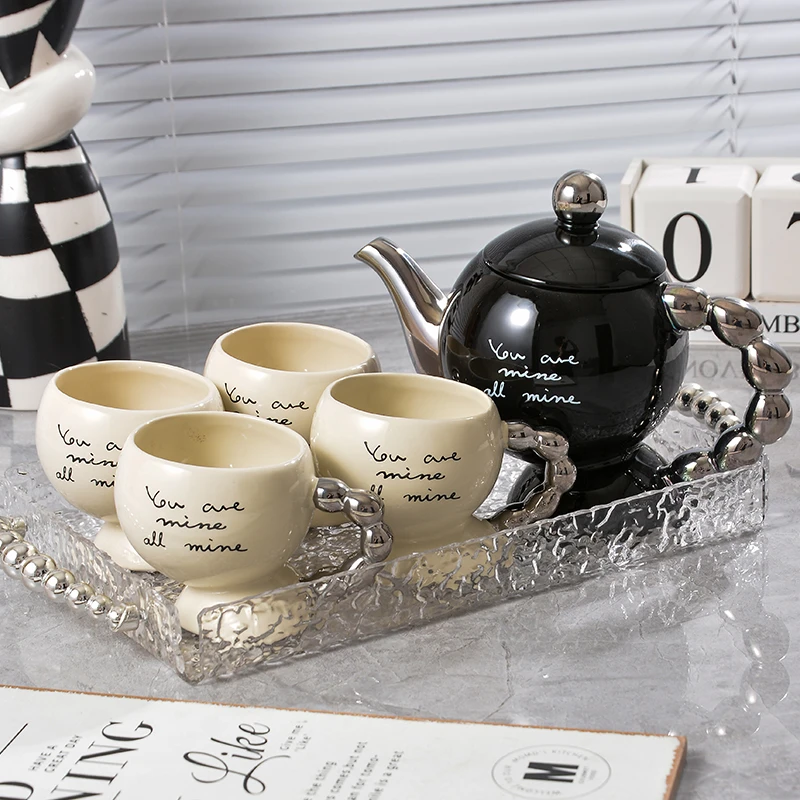
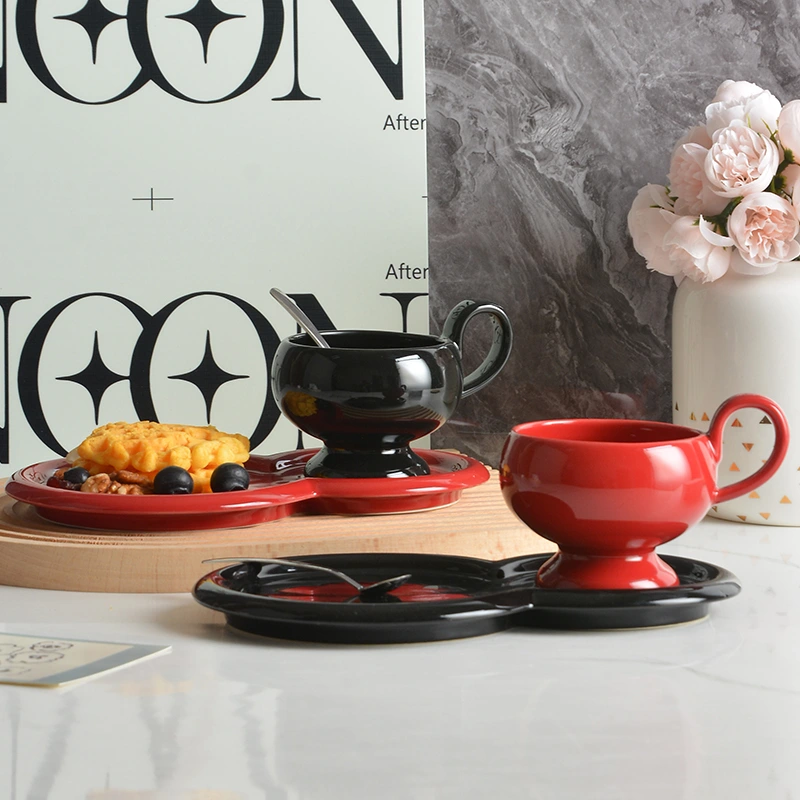
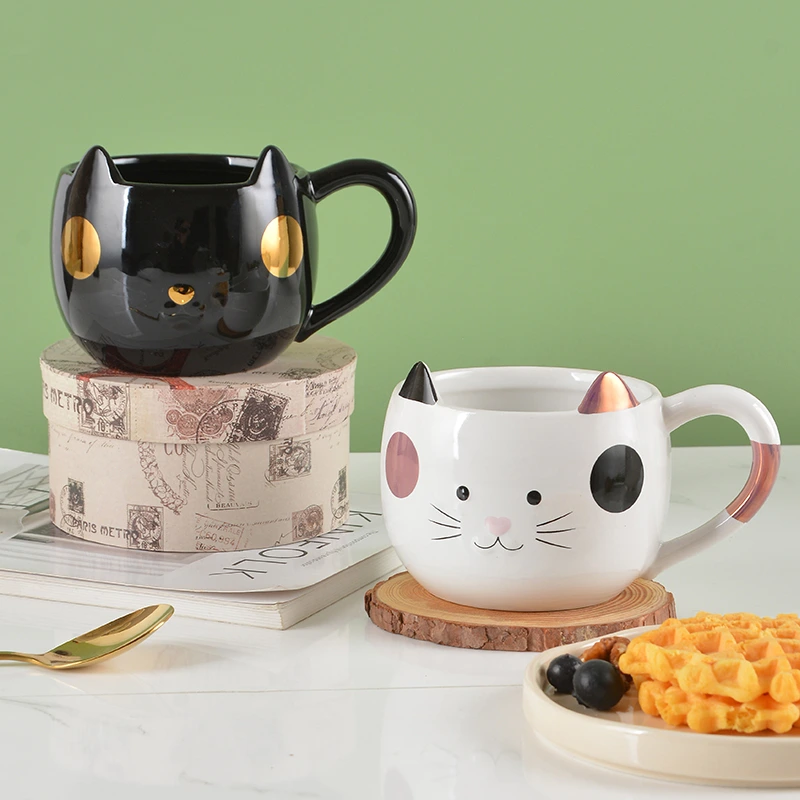
En comparación con la vajilla de cristal, la vajilla de cerámica ofrece una mayor flexibilidad en cuanto a diseño y aplicaciones comerciales. Los fabricantes pueden crear diferentes colecciones mediante diversas formas, colores, esmaltes, texturas y decoraciones superficiales.
Entre las principales ventajas se incluyen:
- Rendimiento duradero para un uso comercial frecuente;
- Diseños flexibles para diferentes conceptos de restauración;
- Un aspecto elegante que realza la presentación de los platos;
- Opciones de personalización para marcas y proyectos del sector hotelero.
Estas características hacen que la vajilla de cerámica sea una opción práctica para los compradores que buscan productos que combinen funcionalidad, estética y valor a largo plazo.
Usos habituales de la vajilla de cerámica
Gracias a su versatilidad y a su rendimiento fiable, la vajilla de cerámica es una opción muy habitual para:
- Restaurantes y hoteles;
- Servicios de catering y banquetes;
- Proyectos del sector hotelero;
- Mercados minoristas y de artículos para el hogar.
Para los mayoristas y distribuidores, las colecciones de cerámica también ofrecen más oportunidades para desarrollar líneas de productos diferenciadas dirigidas a distintos grupos de clientes.
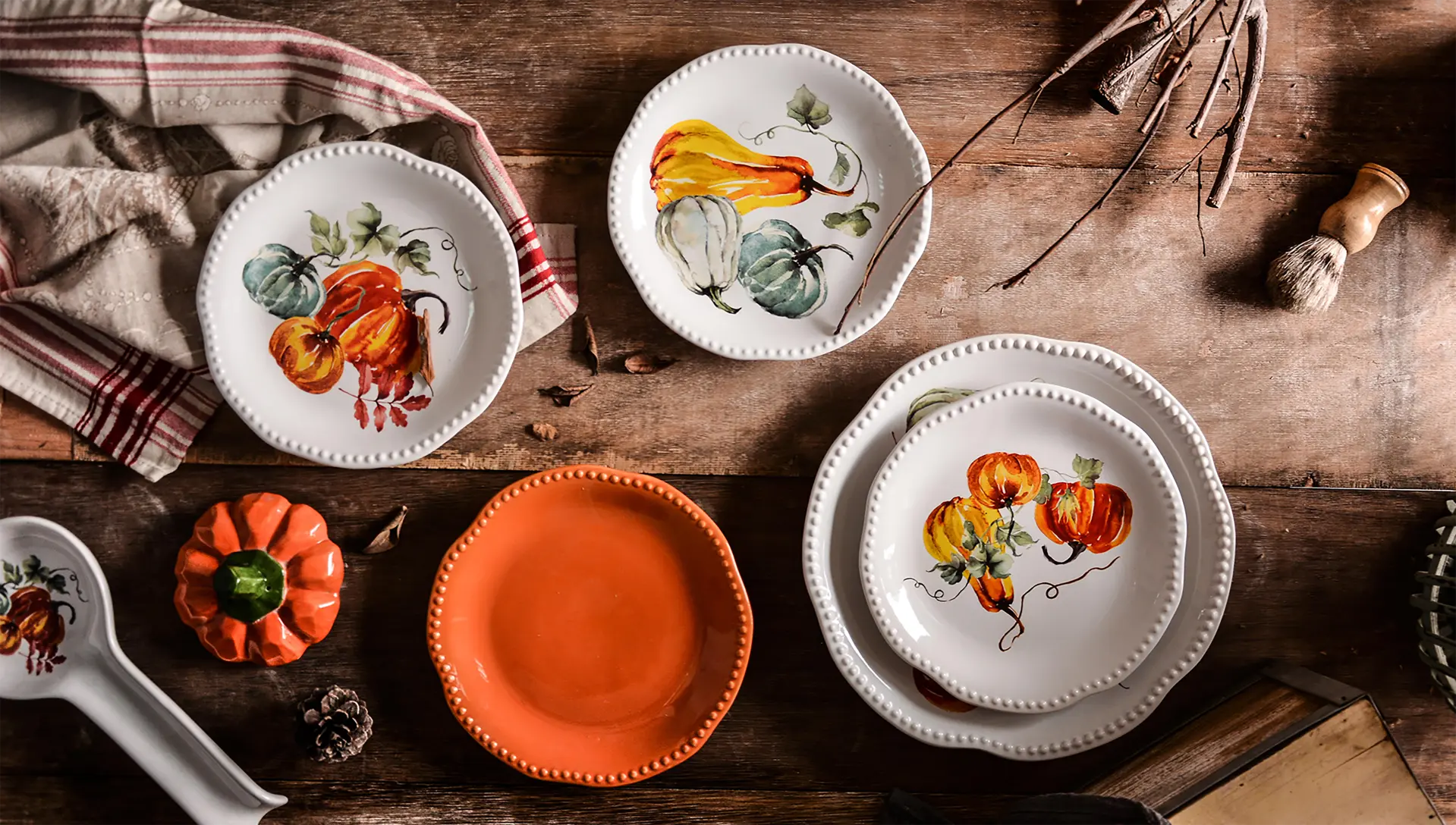
Vajilla de cristal frente a vajilla de cerámica: una comparación práctica para los compradores
| Característica | Vajilla de cristal | Vajilla de cerámica |
|---|---|---|
| Aspecto | Transparente, moderno y visualmente atractivo | Elegante, versátil y disponible en varios diseños |
| Durabilidad | Requiere un manejo cuidadoso en entornos de uso frecuente | Adecuado para el uso habitual en establecimientos de restauración comercial |
| Opciones de diseño | Con una forma y una decoración más sencillas | Personalización flexible en cuanto a colores, formas y acabados |
| Mantenimiento | Es fácil de limpiar, pero hay que manipularlo con cuidado | Las superficies lisas facilitan el mantenimiento diario. |
| Aplicaciones | Servicio de bebidas, cafeterías, restaurantes de alta cocina | Restaurantes, hoteles, servicios de catering, comercios minoristas |
Ambos materiales tienen sus propias ventajas. La mejor opción depende del posicionamiento de la empresa, la frecuencia de uso y las expectativas de los clientes.
Cómo elegir la solución de vajilla adecuada para las distintas necesidades empresariales
Los distintos compradores tienen prioridades diferentes en función de su mercado y de los casos de uso.
Proyectos de restauración y hostelería
Los restaurantes y hoteles suelen necesitar vajillas que combinen la estética con la funcionalidad. Para el servicio diario de comidas, vajilla de cerámica A menudo se opta por él porque ofrece un equilibrio entre durabilidad, variedad de diseños y control de costes.
Los restaurantes de alta gama pueden elegir colecciones de cerámica personalizadas para reforzar su identidad de marca y mejorar la presentación de los platos.
Mercados minoristas y mayoristas
Para los mayoristas y minoristas, la variedad de productos y la capacidad de adaptación al mercado son factores importantes. Los productos con diferentes diseños, colores y estilos pueden ayudar a los compradores a atender a distintos grupos de clientes.
Colaborar con un proveedor con experiencia permite a las empresas desarrollar colecciones que se adapten a las preferencias regionales y a las tendencias del mercado.
Proyectos de vajilla a medida
Para las marcas y los proyectos del sector hotelero, la capacidad de personalización está cobrando cada vez más importancia.
Los servicios OEM y ODM pueden ofrecer:
- Formas y tamaños personalizados;
- Colores y acabados especiales;
- Diseños exclusivos de cada marca;
- Soluciones de embalaje a medida.
Estos servicios ayudan a los compradores a crear productos únicos y a mejorar su competitividad en el mercado.
Aspectos clave a tener en cuenta en la compra de vajillas al por mayor
La selección del material adecuado es solo una parte del proceso de compra. Elegir un proveedor de confianza es igual de importante para una colaboración a largo plazo.
Calidad de los materiales y normas de producción
Los compradores profesionales deberían evaluar:
- Selección de materias primas;
- Procesos de fabricación;
- Procedimientos de control de calidad;
- Uniformidad en la producción.
Unas normas de producción fiables contribuyen a garantizar una calidad estable en los pedidos al por mayor.
Personalización y capacidad de fabricación OEM/ODM
Un fabricante competente debe ofrecer soluciones flexibles que se adapten a las diferentes necesidades empresariales. Desde el diseño del producto hasta la producción final, una gran capacidad de personalización ayuda a los compradores a desarrollar colecciones específicas para cada mercado.
Experiencia con los proveedores y estabilidad del suministro
Los proveedores con experiencia pueden ofrecer un mejor apoyo en:
- Producción a gran escala;
- Gestión de la calidad;
- Coordinación de entregas;
- Desarrollo de productos.
Para los compradores internacionales, una colaboración estable con un fabricante profesional contribuye a mejorar la eficiencia de la cadena de suministro.
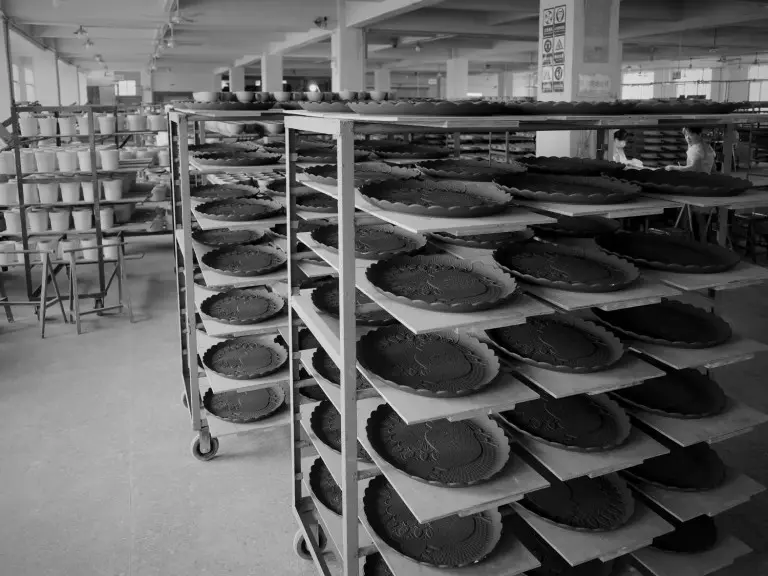
Por qué la vajilla de cerámica es la opción preferida de los compradores profesionales
En comparación con la vajilla de cristal, la vajilla de cerámica ofrece una mayor versatilidad para los entornos de restauración profesionales. Si bien los productos de cristal aportan un aspecto moderno y transparente, las opciones de cerámica ofrecen un mejor equilibrio entre durabilidad, flexibilidad de diseño y una presentación de alta calidad.
Para mayoristas, minoristas y compradores del sector de la hostelería, la vajilla de cerámica ofrece más oportunidades de diferenciación de producto gracias a sus formas, colores y acabados personalizados. Su rendimiento fiable y su diseño adaptable la convierten en una opción práctica para las empresas que buscan valor a largo plazo y colecciones competitivas.
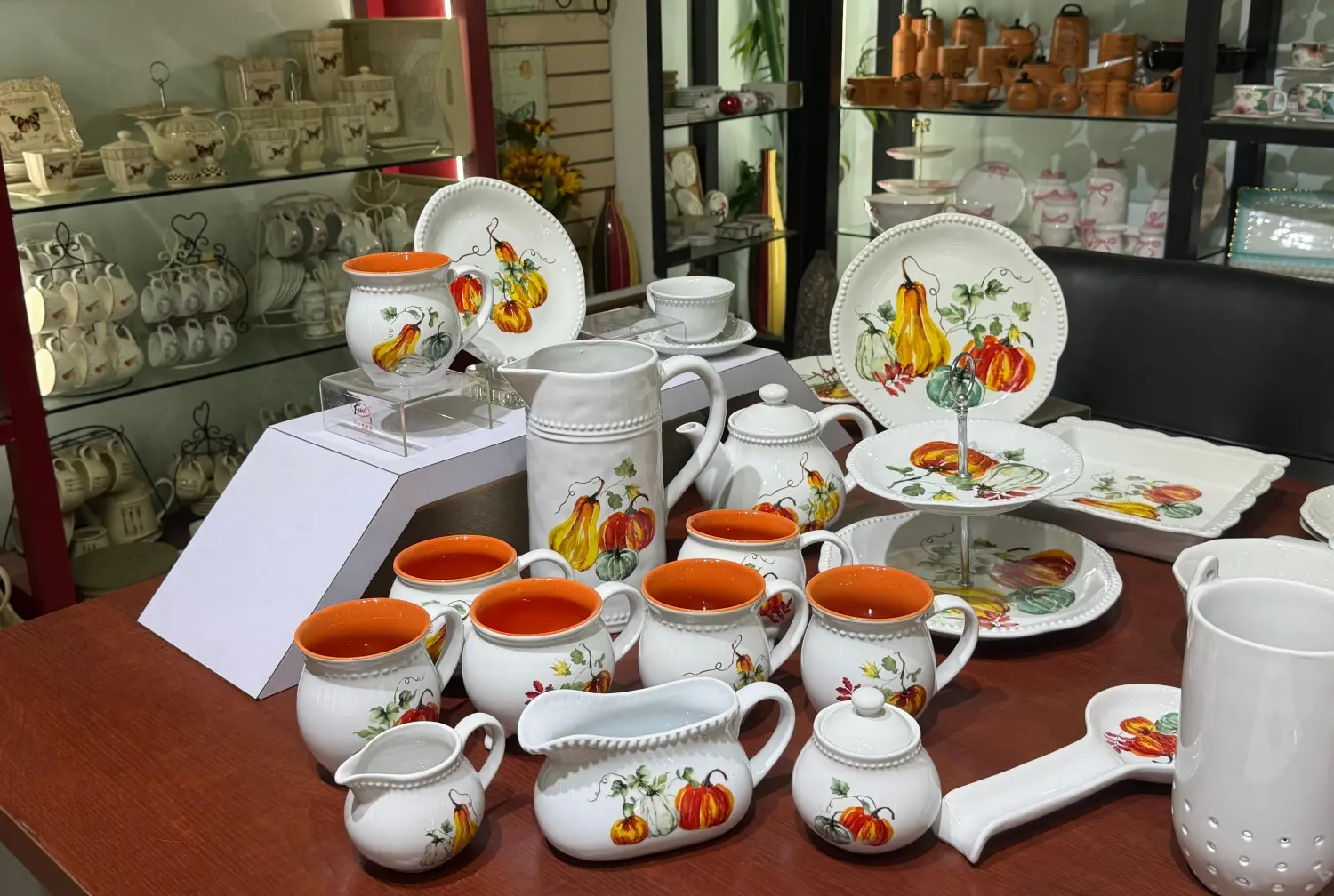
Conclusión
La elección entre vajilla de cristal y de cerámica depende de las necesidades de uso, el posicionamiento en el mercado y los objetivos empresariales a largo plazo. Aunque el cristal ofrece una experiencia visual moderna, vajilla de cerámica ofrece una excelente versatilidad, flexibilidad de diseño y un rendimiento fiable para numerosos entornos comerciales.
Para los mayoristas, minoristas y compradores del sector de la hostelería que buscan soluciones personalizables y duraderas, es fundamental elegir un proveedor de vajilla con experiencia.
Acerca de Kedali
Como una de las principales vajillas de cerámica fabricante, Kedali Se especializa en soluciones de porcelana al por mayor para mayoristas, minoristas y compradores del sector hotelero de todo el mundo. Con más de 30 años de experiencia en fabricación e instalaciones de producción de vanguardia, ofrecemos un suministro estable a granel y Servicios flexibles de vajilla de cerámica para fabricantes de equipos originales (OEM) y de diseño y fabricación por encargo (ODM).
Desde el desarrollo de productos a medida y el apoyo en el diseño hasta las soluciones de embalaje, Kedali ayuda a sus clientes a crear colecciones de vajilla diferenciadas que combinan calidad, funcionalidad y atractivo comercial.