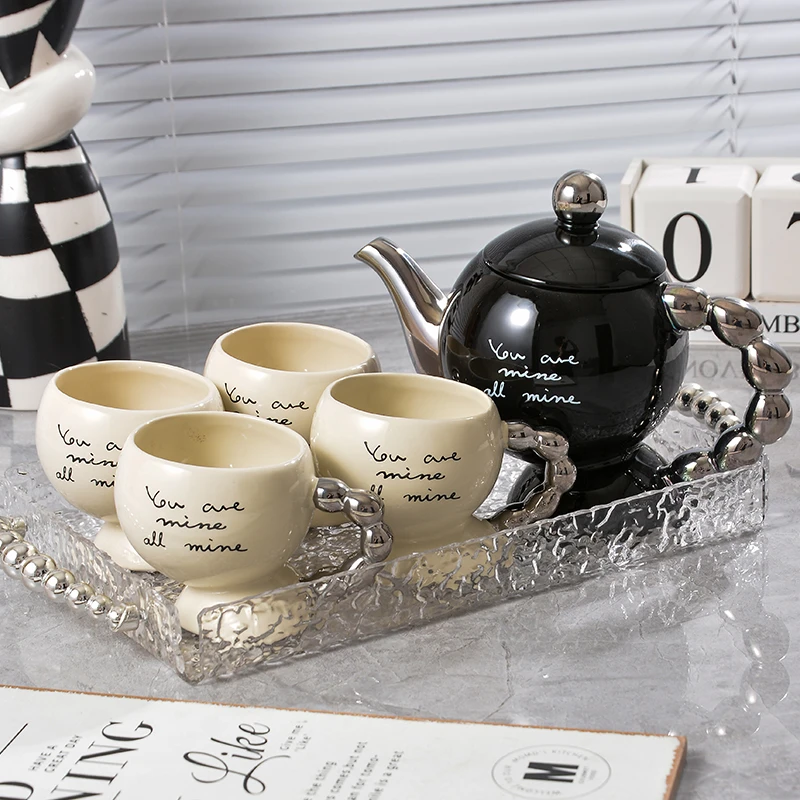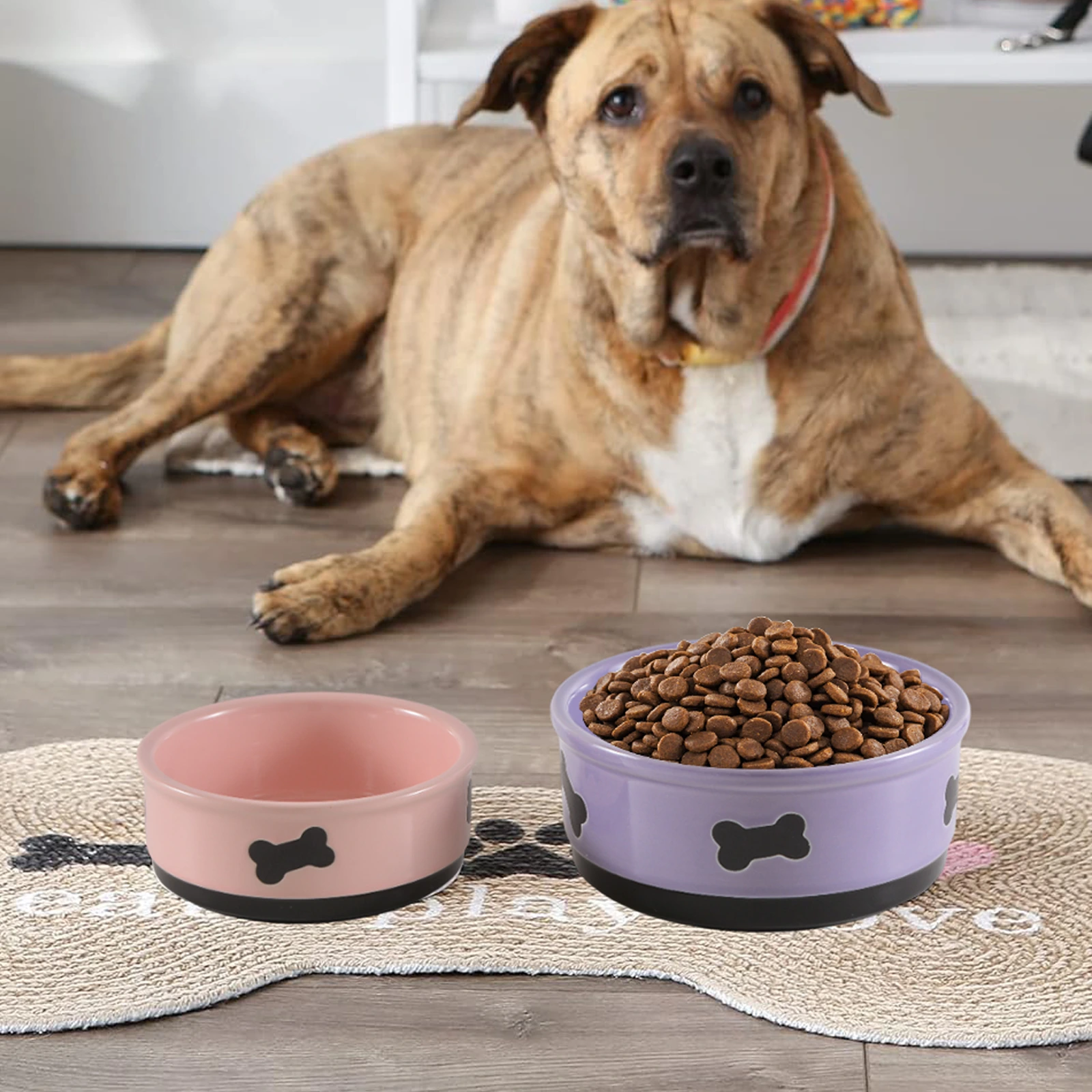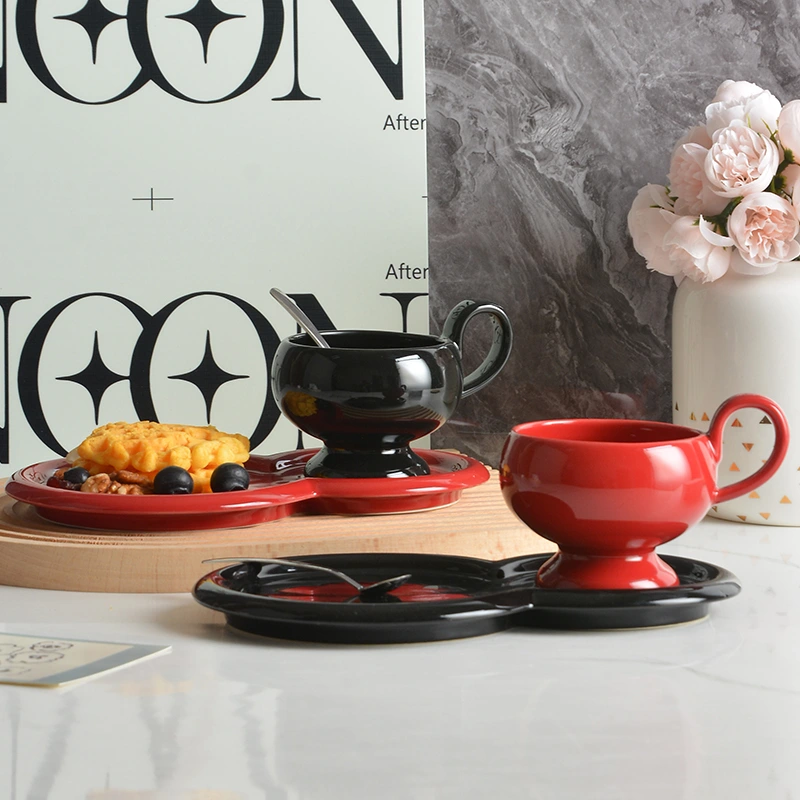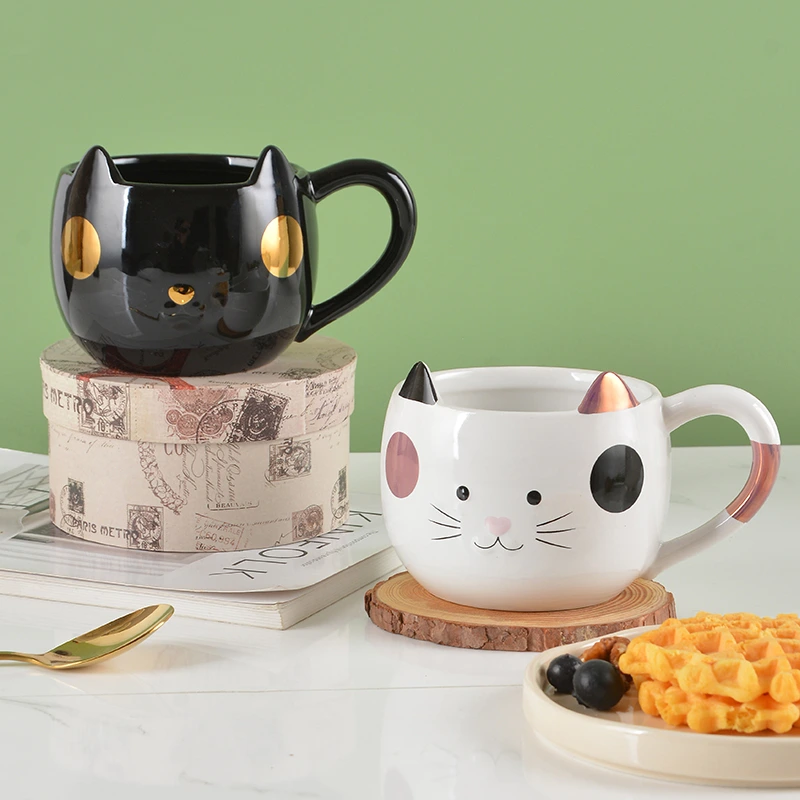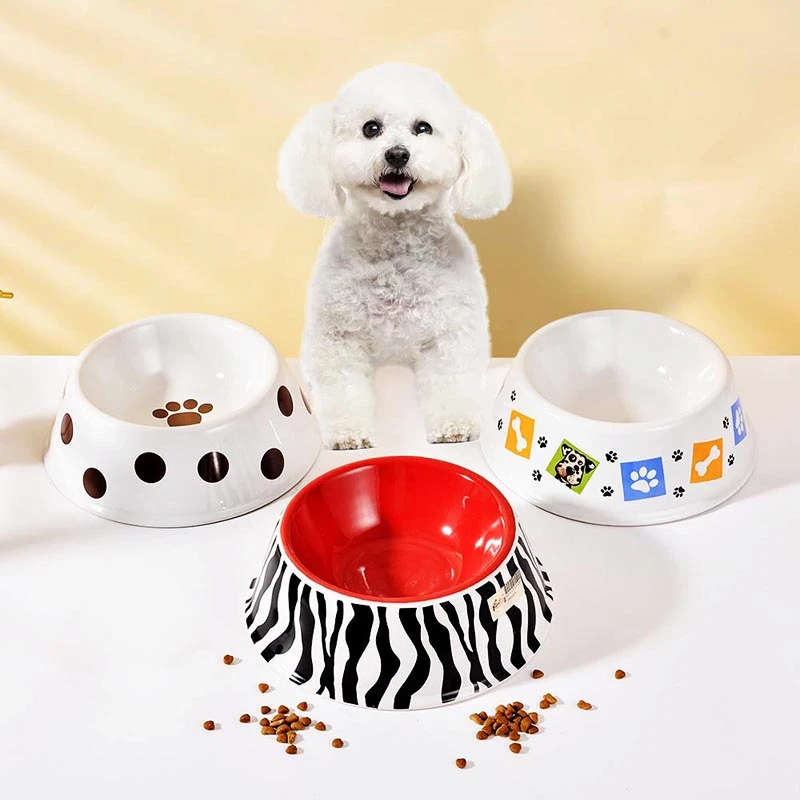
En los restaurantes con mucha rotación, elegir el adecuado material de la vajilla es fundamental para garantizar la durabilidad, la seguridad alimentaria y la eficiencia en el día a día. Debido al uso frecuente y a las limpiezas repetidas, los restaurantes necesitan una vajilla que ofrezca un rendimiento fiable y que, al mismo tiempo, permita mantener una experiencia gastronómica profesional. Esta guía compara diferentes materiales y explica por qué vajilla de cerámica sigue siendo una opción muy popular entre restaurantes, hoteles y empresas del sector hostelero.
¿Qué características debe tener un buen material para la vajilla en los restaurantes con gran volumen de clientes?
El mejor material para la vajilla de los restaurantes con gran volumen de clientes debe combinar cuatro factores clave: durabilidad, seguridad alimentaria, facilidad de mantenimiento y atractivo visual.
Resistencia para un uso comercial frecuente
Los restaurantes utilizan la vajilla cientos de veces al día. Desde servir a los clientes hasta limpiarla y apilarla, los productos deben soportar un uso frecuente sin que se vea afectada su calidad.
Un material adecuado para la vajilla debe ofrecer:
- Gran resistencia al desgaste diario;
- Rendimiento estable tras lavados repetidos;
- Larga vida útil para reducir los costes de sustitución.
La vajilla resistente ayuda a los restaurantes a mejorar la rentabilidad sin dejar de mantener unos estándares de servicio constantes.
Resultados en materia de seguridad alimentaria e higiene
La seguridad alimentaria es una prioridad para los restaurantes y las empresas del sector hostelero. Los seleccionados material de la vajilla deben cumplir los requisitos relativos al contacto con los alimentos y ofrecer una superficie segura para distintos tipos de alimentos.
Los compradores profesionales suelen tener en cuenta:
- Materiales no tóxicos;
- Superficies lisas y fáciles de limpiar;
- Cumplimiento de las normas internacionales de seguridad alimentaria.
Los materiales fiables ayudan a las empresas a crear un entorno más seguro en el restaurante y a ganarse la confianza de los clientes.
Fácil limpieza y mantenimiento
Los restaurantes con gran volumen de clientes necesitan una vajilla que permita un funcionamiento eficiente. Los materiales fáciles de limpiar y mantener pueden reducir la carga de trabajo y mejorar el flujo de trabajo.
Entre sus características más destacadas se incluyen:
- Apto para el lavavajillas;
- Resistencia a las manchas;
- Resistencia a los cambios frecuentes de temperatura.
Elegir el adecuado material de la vajilla puede mejorar la eficiencia diaria y, al mismo tiempo, reducir los gastos de funcionamiento a largo plazo.
Apariencia e imagen de marca
Más allá de su funcionalidad, la vajilla también desempeña un papel importante en la presentación de los platos. Los restaurantes recurren cada vez más al diseño de la vajilla para reforzar su identidad de marca.
Los materiales de alta calidad con acabados refinados pueden ayudar a crear:
- Una mejor presentación de los platos;
- Entornos gastronómicos más atractivos;
- Un mayor reconocimiento de la marca.
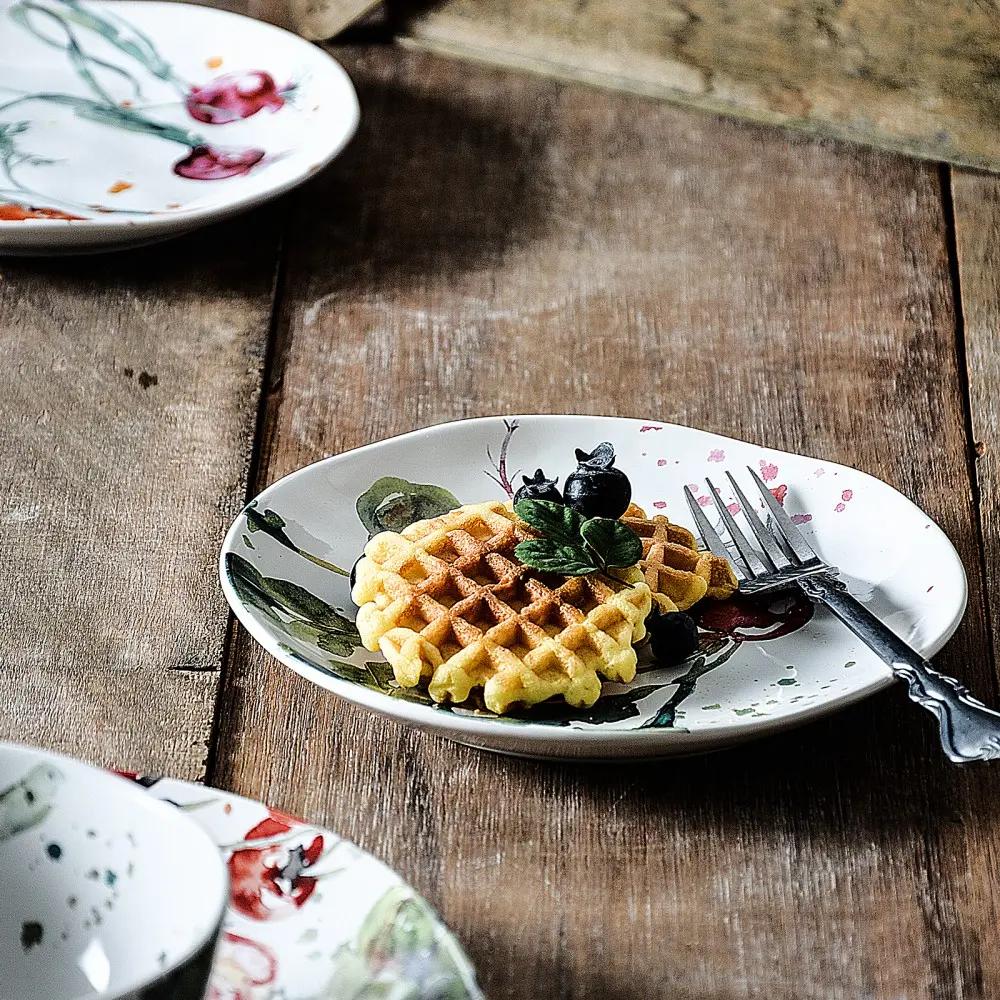
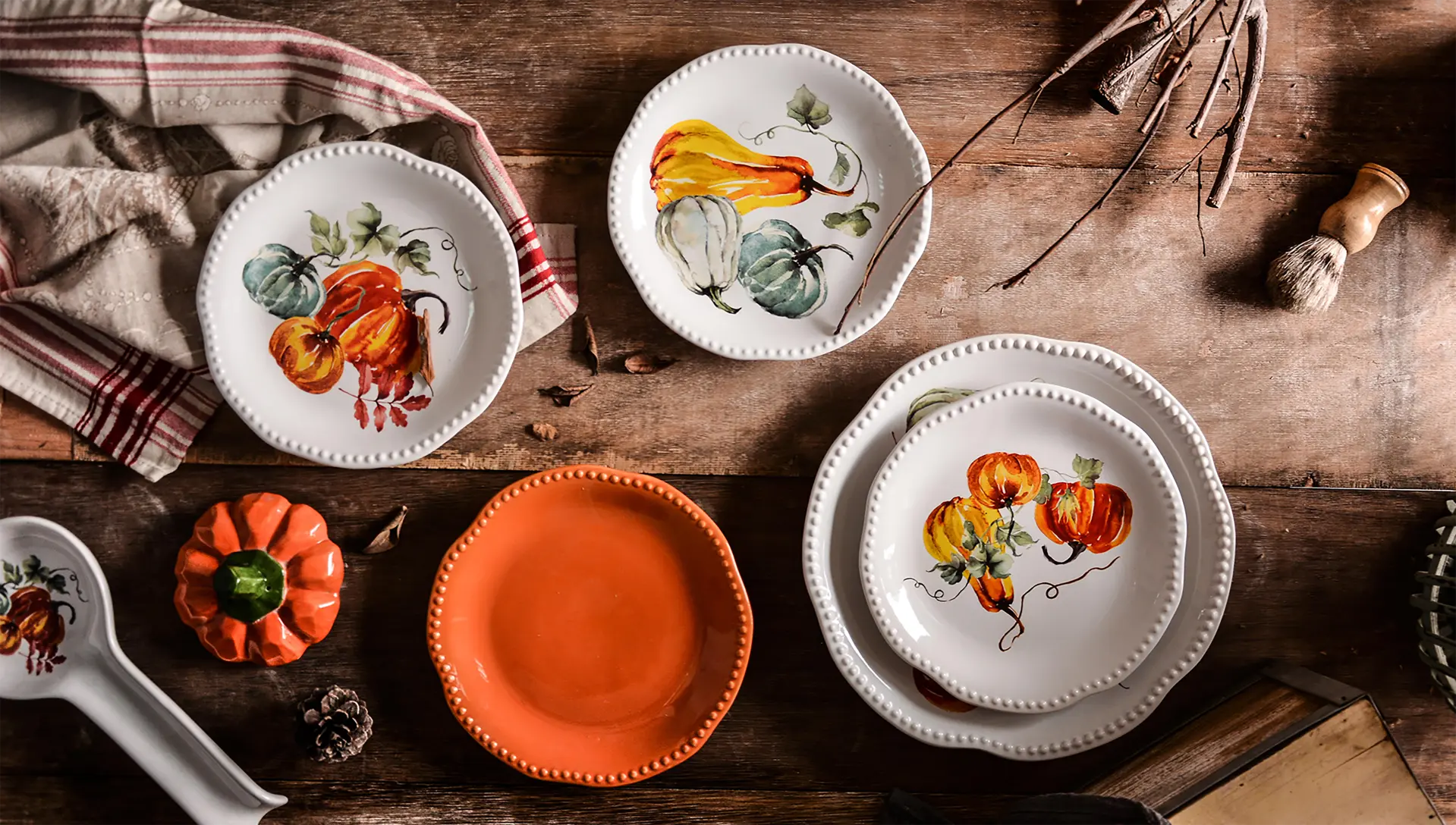
Comparación de diferentes materiales de vajilla para restaurantes con gran volumen de clientes
Los distintos tipos de restaurantes tienen requisitos diferentes. La siguiente comparación muestra el comportamiento de los materiales más habituales en aplicaciones comerciales.
| Material de la vajilla | Ventajas | Limitaciones | Las mejores aplicaciones |
|---|---|---|---|
| Vajilla de cerámica | Diseños resistentes y versátiles, aspecto de alta calidad, aptos para diversos estilos de comedor | Mayor inversión en comparación con los materiales básicos | Restaurantes, hoteles, cafeterías, empresas de catering |
| Vajilla de acero inoxidable | Extremadamente duradero, resistente a los golpes y fácil de mantener | Menos decorativo y con un aspecto menos lujoso | Buffets, cafeterías, servicios de catering a gran escala |
| Vajilla de cristal | Aspecto moderno, reciclable, realza la presentación de los alimentos | Es frágil y hay que manipularlo con cuidado | Restaurantes de alta cocina, cafeterías, servicio de bebidas |
| Vajilla de melamina | Ligero, asequible y resistente a los golpes | Posicionamiento premium limitado | Restaurantes informales, comidas al aire libre |
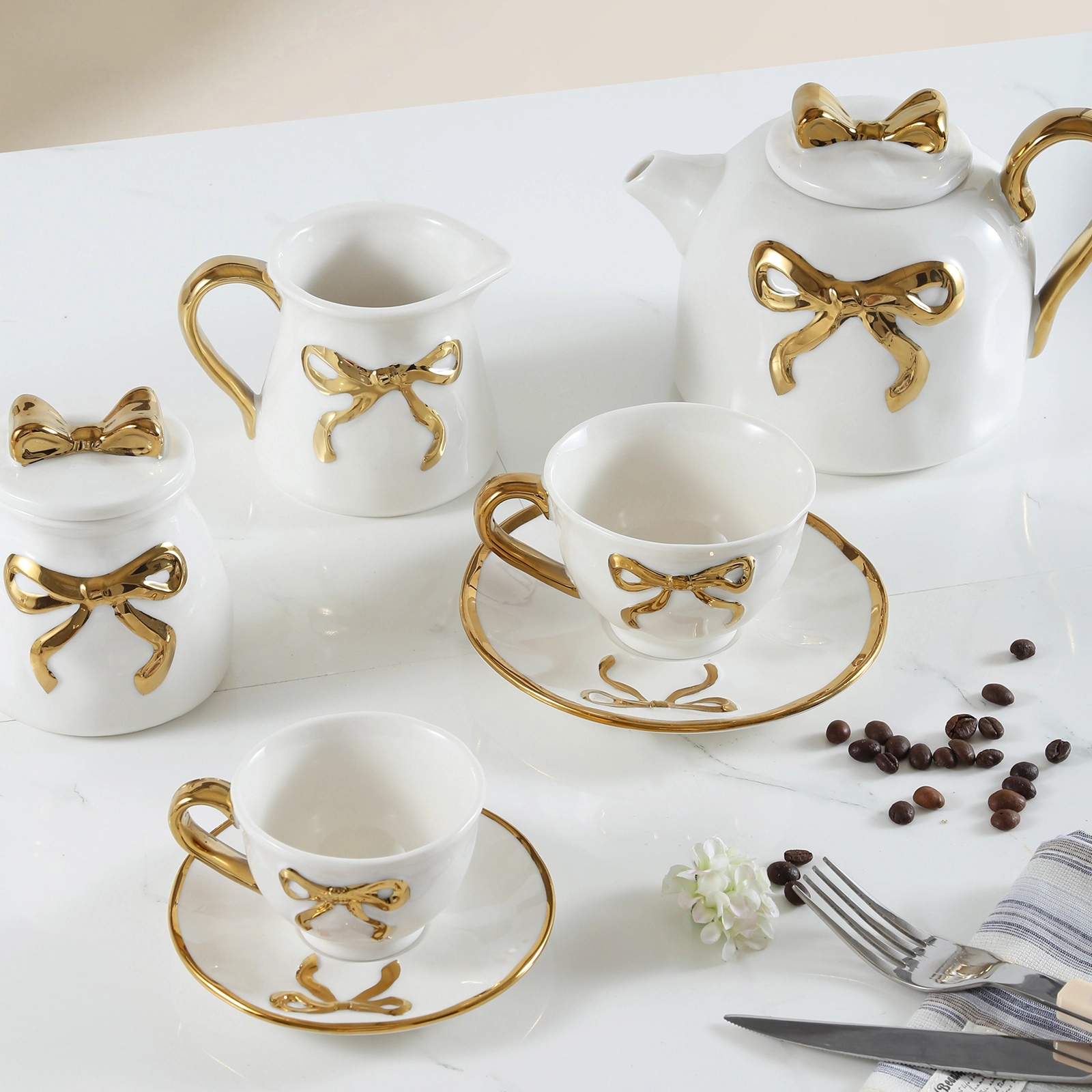
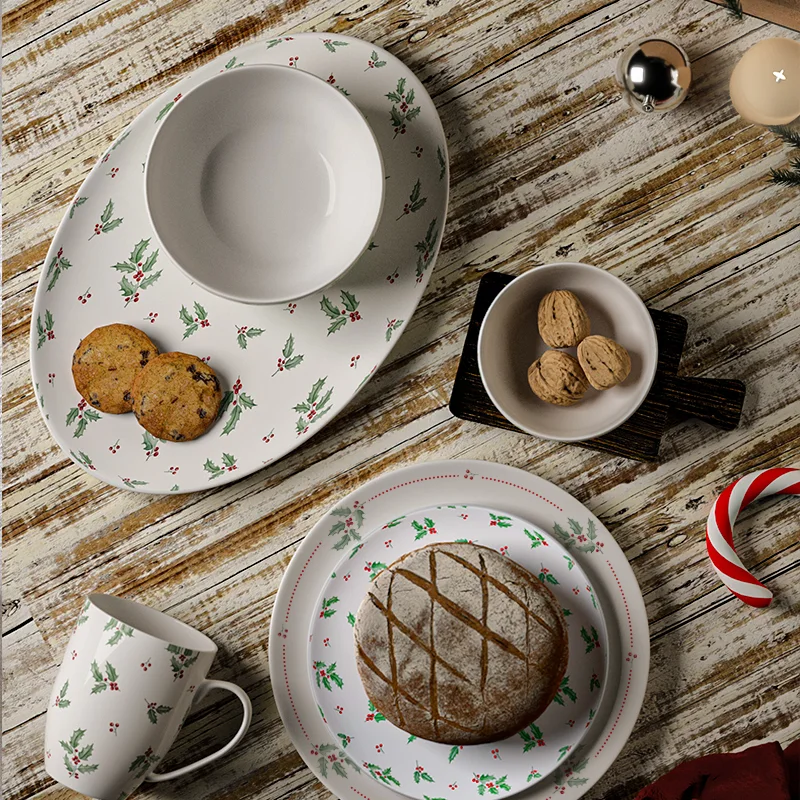
Vajilla de cerámica: la opción preferida de los restaurantes profesionales
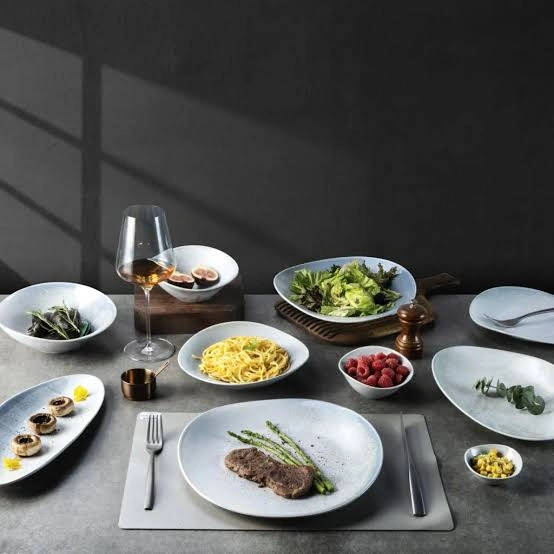
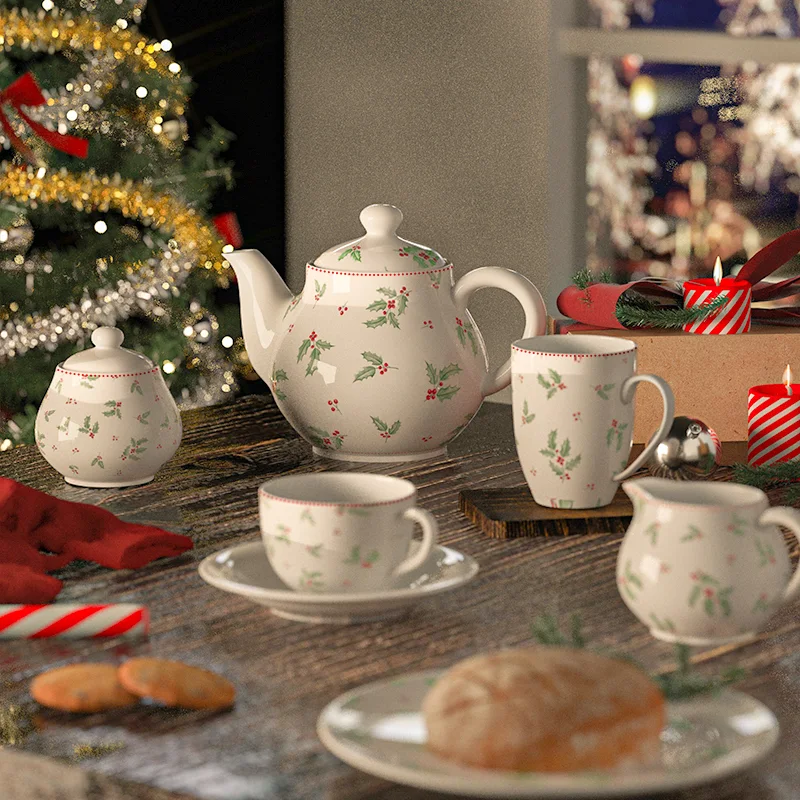
La vajilla de cerámica combina durabilidad, funcionalidad y flexibilidad de diseño, lo que la convierte en una opción práctica para restaurantes, hoteles y negocios del sector hostelero.
Aspecto de primera calidad y mejor presentación de los platos
La vajilla de cerámica aporta un aspecto refinado que contribuye a mejorar la presentación de los platos. Gracias a la variedad de formas, colores y acabados disponibles, los restaurantes pueden elegir diseños que se adapten al estilo de su marca.
Es especialmente adecuado para:
- Restaurantes de alta cocina;
- Hoteles y complejos turísticos;
- Cafeterías de lujo;
- Colecciones para restaurantes de marca.
Rendimiento duradero para el uso diario
La vajilla moderna de cerámica se fabrica mediante procesos de cocción a alta temperatura, lo que da lugar a productos resistentes y estables, adecuados para entornos comerciales.
En comparación con la vajilla desechable, los productos de cerámica ofrecen:
- Facilidad de uso a largo plazo;
- Mayor resistencia al lavado diario;
- Menor frecuencia de sustitución.
Esto hace que la cerámica sea un material práctico material de la vajilla para empresas que desean controlar sus costes a largo plazo.
Opciones de personalización flexibles
Para las marcas y los mayoristas, la diferenciación de los productos cobra cada vez más importancia. La vajilla de cerámica ofrece excelentes posibilidades de personalización, entre las que se incluyen:
- Formas personalizadas;
- Colores y acabados únicos;
- Diseños exclusivos de cada marca;
- Soluciones de marca propia.
Esta flexibilidad permite a las empresas crear colecciones exclusivas para distintos mercados.
Otros materiales para vajillas destinadas a restaurantes
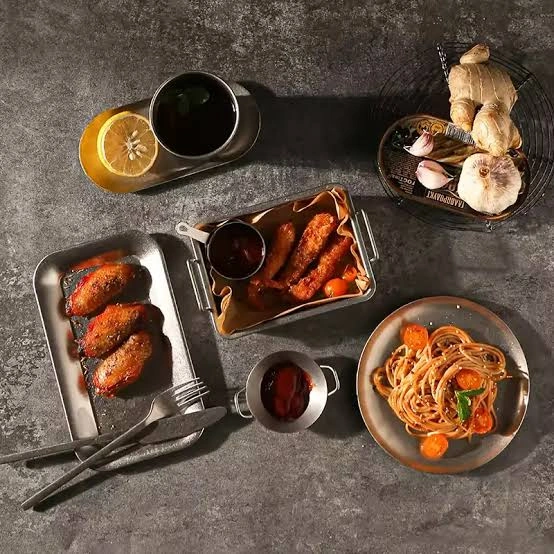
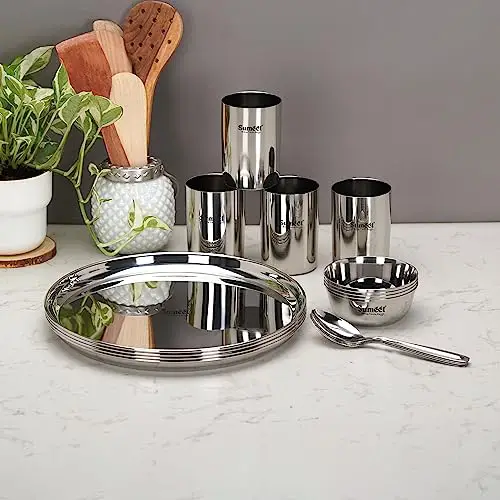
Vajilla de acero inoxidable: diseñada para un uso intensivo
El acero inoxidable es muy apreciado por su excelente durabilidad y por requerir poco mantenimiento.
Entre las ventajas se incluyen:
- Gran resistencia a los impactos;
- Larga vida útil;
- Fácil de limpiar.
Se utiliza habitualmente en bufés, cafeterías y establecimientos de restauración a gran escala, donde la practicidad es la principal prioridad.
Vajilla de cristal: elegante, pero hay que manejarla con cuidado
La vajilla de cristal ofrece un aspecto moderno y transparente, lo que la hace muy popular entre los restaurantes que dan especial importancia a la presentación visual.
No obstante, las empresas deberían tener en cuenta lo siguiente:
- Fragilidad durante el transporte;
- Mayores riesgos de sustitución;
- Requisitos adicionales de embalaje.
Vajilla de melamina: ligera y económica
La vajilla de melamina suele elegirse para comidas informales y para su uso al aire libre debido a su ligereza y a su resistencia a los golpes.
Ofrece una solución rentable para aquellas empresas que dan prioridad a la comodidad y la durabilidad frente a una apariencia de alta gama.
¿Cómo elegir el material adecuado para la vajilla de tu restaurante?
Elegir el adecuado material de la vajilla Depende del posicionamiento del restaurante, las expectativas de los clientes y las necesidades de uso diario.
Según el tipo de restaurante
Cada restaurante requiere una solución diferente:
- Restaurantes de lujo: La vajilla de cerámica es ideal para una presentación de alta calidad.
- Restaurantes informales: La cerámica o el gres ofrecen un buen equilibrio entre calidad y precio.
- Restaurantes de bufé: El acero inoxidable es adecuado para un uso diario intensivo.
- Comidas al aire libre: Los materiales ligeros pueden resultar más prácticos.
Según la frecuencia de uso
Los restaurantes con un alto volumen de clientes deberían centrarse en:
- Durabilidad;
- Eficacia de limpieza;
- Control de costes a largo plazo.
Una fuente fiable material de la vajilla puede ayudar a las empresas a reducir los problemas operativos derivados de las sustituciones frecuentes.
En función del posicionamiento de la marca
Las marcas de gama alta suelen dar prioridad a:
- Diseños elegantes;
- Opciones de personalización;
- Identidad única del producto.
Por su parte, las empresas que dan prioridad al coste pueden optar por materiales que ofrezcan un rendimiento práctico a un precio competitivo.
¿Cómo elegir un proveedor fiable de vajilla de cerámica?
Para las empresas que compran vajilla al por mayor, elegir al proveedor adecuado es tan importante como seleccionar el material adecuado.
Capacidad de producción estable
Un proveedor profesional debería cumplir los siguientes requisitos:
- Instalaciones de producción modernas;
- Sistemas rigurosos de control de calidad;
- Capacidad de producción estable.
Estas capacidades garantizan una calidad constante en los pedidos de gran volumen.
Soluciones OEM y ODM
Los fabricantes con experiencia deben ofrecer servicios de personalización flexibles, entre los que se incluyen:
- Desarrollo de productos;
- Personalización de la forma y el color;
- Soluciones de embalaje.
Esto ayuda a las marcas a crear colecciones de vajilla únicas.
Capacidad de diseño y maestría artesanal
Las sólidas capacidades de diseño permiten a los proveedores desarrollar productos que combinan funcionalidad y atractivo comercial.
Los fabricantes que cuentan con artesanos cualificados y experiencia en diseño pueden ofrecer colecciones más competitivas a los compradores internacionales.
Experiencia en exportación y normas de calidad
Los compradores internacionales deberían trabajar con proveedores con experiencia en los mercados globales, que cuenten con sistemas de control de calidad y normas de producción fiables para garantizar la estabilidad de los pedidos a granel.
¿Por qué elegir a Kedali como tu socio en vajillas de cerámica?
Más de 30 años de experiencia en el sector de la fabricación: Fundada en 1992, Kedali se especializa en vajillas de cerámica para uso diario y en soluciones personalizadas de vajillas, y cuenta con una amplia experiencia en producción.
Producción estable y control de calidad: Las modernas líneas de producción y la esmerada artesanía garantizan una calidad constante, una producción eficiente y un suministro a granel fiable.
El & ODM del OEM Personalización: La flexibilidad a la hora de personalizar diseños, formas, colores y acabados ayuda a las marcas a crear colecciones de vajilla únicas.
Innovación en el diseño y asistencia global: Gracias a sus numerosas patentes de diseño y a su capacidad para ofrecer servicios profesionales, Kedali ayuda a los compradores de todo el mundo a crear vajillas de cerámica listas para salir al mercado.
Asóciate con Kedali para desarrollar soluciones de vajilla de cerámica de alta calidad que combinen funcionalidad, diseño y valor de mercado.
Conclusión
Elegir el adecuado material de la vajilla Ayuda a los restaurantes con gran volumen de clientes a mejorar la durabilidad, la eficiencia operativa y el control de costes a largo plazo. Entre las opciones más habituales, la vajilla de cerámica ofrece una excelente relación calidad-precio, gracias a su gran durabilidad, sus superficies fáciles de limpiar y sus diseños versátiles, adecuados para distintos entornos gastronómicos.
Con más de 30 años de experiencia en el sector de la fabricación, Kedali Ofrece soluciones personalizadas de vajilla de cerámica OEM/ODM diseñadas para un uso comercial intensivo. Contáctanos Hoy mismo, solicita catálogos y presupuestos para proyectos relacionados con tu empresa.