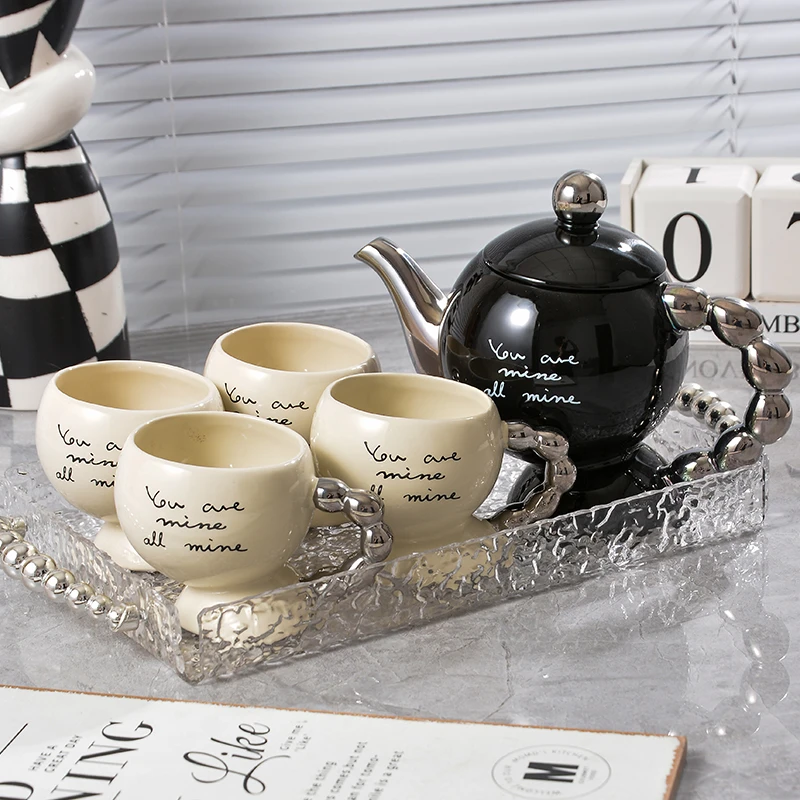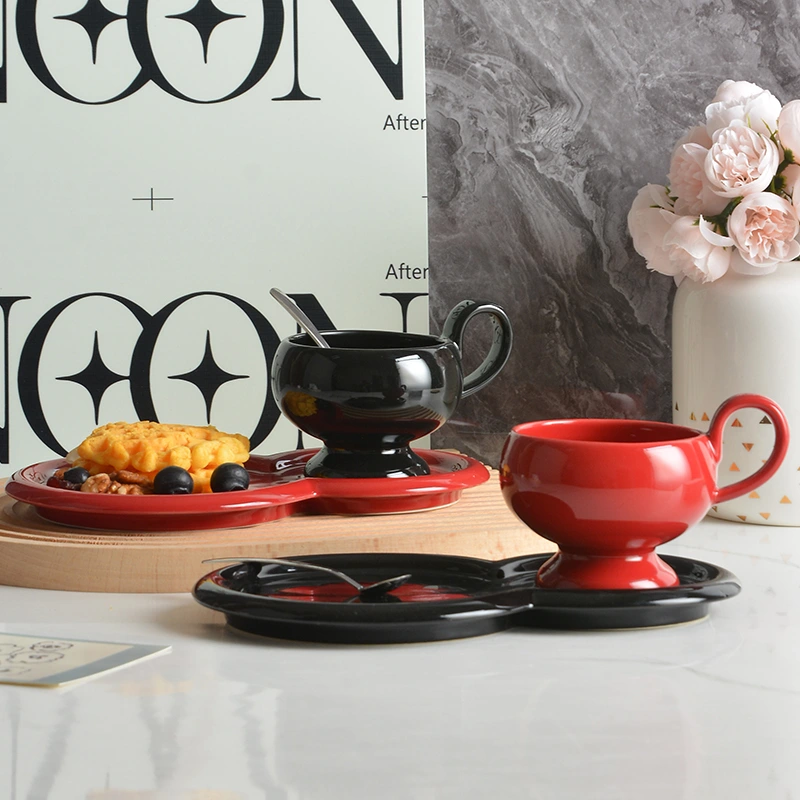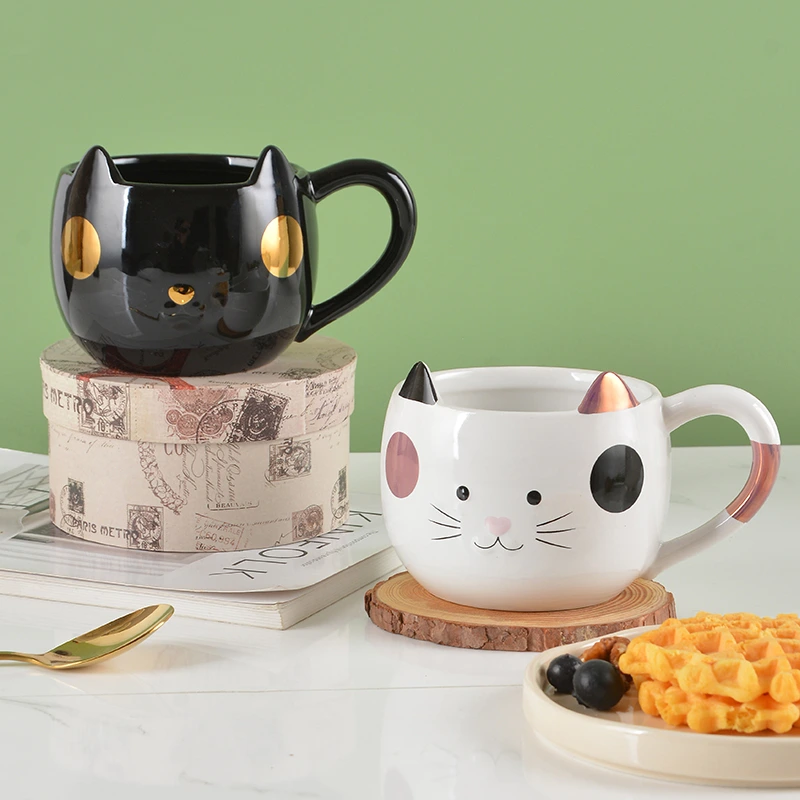
Choosing the right ceramic mug style is a brand-positioning decision, not just a design preference. A minimalist mug can communicate simplicity and modernity, a rustic mug can create an artisanal or relaxed impression, and a luxury mug can express refinement through its proportions, finish, and decoration. However, none of these styles automatically makes a product more appealing or valuable.
For homeware brands, giftware businesses, retailers, and importers, the key is to choose a design direction that fits the brand’s identity and intended customers. Understanding the differences between ceramic mug styles for brands helps buyers turn an abstract brand concept into concrete product decisions.
What Is the Difference Between Minimalist, Rustic, and Luxury Ceramic Mugs?
The three styles differ in how they use shape, color, surface finish, and decoration. These characteristics create distinct visual impressions, although individual designs can combine elements from more than one category.
| Design factor | Minimalist | Rustic | Luxury |
|---|---|---|---|
| Overall appearance | Clean and restrained | Textured and characterful | Refined and carefully detailed |
| Common color direction | Neutrals, monochrome, muted tones | Earthy, natural, irregular-looking tones | Coordinated neutrals, deep colors, selective metallic accents |
| Surface treatment | Smooth, simple, matte or glossy | Speckled, textured, or visually varied | Polished, controlled, embossed, or selectively decorated |
| Forme | Simple, balanced silhouettes | Organic-looking or substantial forms | Balanced proportions and considered details |
| Branding approach | Subtle logo or minimal graphics | Artwork or branding that complements the surface | Discreet, precise, or decorative branding |
| Main design risk | Looking generic | Looking inconsistent or overly themed | Looking overdecorated or disconnected from the brand |
These are common design tendencies, not strict rules. A minimalist mug can use a bold color, and a luxury mug can have a very simple silhouette. The overall effect depends on how the elements work together.
Minimalist Ceramic Mugs: Simple Forms and Restrained Details
Minimalist ceramic mugs emphasize visual clarity. Their design often relies on clean silhouettes, controlled color palettes, and limited decoration rather than elaborate patterns or surface details.
This style can suit brands that communicate modern living, functional design, simplicity, or understated aesthetics. A homeware brand with a consistent neutral palette, for example, may prefer a mug whose shape and finish complement its wider collection rather than compete for attention.
In minimalist mug design, small details become more noticeable because fewer decorative elements are present. Handle proportions, the transition between the body and base, glaze consistency, and logo placement all contribute to the final appearance.
The main risk is creating a product that looks interchangeable with many other plain mugs. Removing decoration does not automatically create a distinctive design. A recognizable silhouette, a carefully selected color, or a consistent detail across a collection can help establish identity without sacrificing simplicity.
Rustic Ceramic Mugs: Texture and Artisanal Character
Rustic ceramic mugs use surface character, earthy colors, and visually substantial or organic forms to create a more relaxed impression. Depending on the design, features may include speckled surfaces, varied-looking glazes, muted brown or green tones, and less formal silhouettes.
This direction can fit brands associated with countryside living, natural aesthetics, artisan-inspired homeware, or casual hospitality. It may also work for gift collections intended to feel warm and individual rather than sleek and uniform.
A successful rustic mug design needs visual coherence. Texture, color, shape, and decoration should reinforce the same direction. A highly polished geometric body paired with an irregular-looking glaze may work as an intentional contrast, but unrelated details can make the product feel inconsistent.
It is also important to distinguish appearance from manufacturing method. A mug that looks handmade or has a rustic finish is not necessarily handmade. If production method is part of the brand story, it should be verified separately rather than inferred from the surface.
Luxury Ceramic Mugs: Refined Forms and Considered Decoration
Luxury ceramic mugs aim for a more refined visual presentation. This may come from balanced proportions, a controlled finish, carefully placed decoration, embossing, or selective accents such as a contrasting handle or rim.
Luxury does not always mean elaborate ornamentation. A simple mug can look refined when its proportions, color relationships, finish, and branding are carefully coordinated. Conversely, adding gold-colored details or decorative patterns does not automatically establish a premium identity.
In luxury mug design, the main challenge is maintaining restraint while creating enough distinction to justify the chosen positioning. Too many decorative elements can compete with one another or conflict with a brand that otherwise uses a clean, contemporary visual language.
For brands developing a coordinated collection, consider how the mug will sit alongside other products. A design that looks refined on its own may feel out of place if its colors, decoration, or proportions do not fit the rest of the range.
Which Ceramic Mug Design Details Should Define Your Style?
After choosing a general direction, translate it into visible design decisions. A consistent ceramic mug design depends on the interaction between shape, color, surface treatment, and branding—not on one feature alone.
Match Shape, Color, and Surface Finish
Start with the mug’s silhouette. Straight-sided or gently tapered forms may support a clean, contemporary look, while a rounded body or a more expressive handle can create a different visual character. These are design tendencies rather than exclusive rules: the finish and proportions can change how the same basic shape is perceived.
Next, define the color palette. Minimalist collections may use a limited range of coordinated shades. Rustic collections can explore earthy tones and visually varied surfaces. Luxury collections may use restrained color combinations or selective contrast to create a more deliberate presentation.
Surface finish also matters. A smooth, consistent glaze and a textured or speckled appearance communicate different visual qualities. However, buyers should evaluate the actual product rather than assume that a finish will look identical across all ceramic bodies and production methods.
A useful way to develop a collection is to write a short design brief covering:
- The primary silhouette and handle style.
- The main colors and acceptable variations.
- The intended surface appearance.
- The level of decoration.
- How the mug should relate to the rest of the collection.
This brief gives designers and manufacturing partners a shared reference instead of relying on vague instructions such as “make it modern” or “make it look premium.”
Make the Logo and Decoration Fit the Design
Branding should support the mug’s visual direction rather than compete with it.
For minimalist products, a restrained logo or small graphic may preserve the clean appearance. Rustic products may benefit from artwork and colors that complement the surface. Luxury products may use discreet branding or more decorative treatments, provided these remain consistent with the overall design.
The appropriate method depends on the artwork, product surface, placement, and desired result. Do not select a decoration method based on style alone. Confirm that it is suitable for the intended design and obtain a product sample where the final appearance is important.
Pour branded ceramic mugs, consistency across the range is often more useful than adding the same logo in the same position to every product. The logo should remain recognizable, but its scale and placement may need to adapt to different shapes and surface designs.
Which Mug Style Best Fits Your Brand Positioning?
The right ceramic mug style depends on what the brand wants the product to communicate and how the mug fits into its wider collection. Instead of asking which style is best overall, compare each direction against the brand’s intended identity.
Start With Brand Personality and Product Context
Use these questions to narrow the choice:
- What should customers notice first? If the goal is simplicity and clean design, minimalist styling may be a logical starting point. If surface character is central, consider rustic styling. If the emphasis is refinement, evaluate a more polished or decorative direction.
- What products will sit alongside the mug? A mug sold as part of a coordinated homeware collection should fit its visual language. A gift-focused product may allow more expressive decoration if that supports the collection’s concept.
- How will the product be presented? Online product images, retail shelves, café tables, and gift packaging create different visual contexts. Consider how the shape, color, and surface will appear in the intended setting.
- What makes the design recognizable? Identify one or two defining features that can be repeated across the collection without making every item identical.
These questions help avoid choosing a style simply because it is fashionable or commonly associated with premium products. A design should make sense for the specific brand rather than follow a general hierarchy of styles.
When Should You Combine Styles?
A hybrid style can work when its elements reinforce one another. For example, a simple silhouette with a textured glaze may combine minimalist form with rustic surface character. A restrained body with a carefully placed decorative accent may blend simplicity with a more refined presentation.
The important distinction is between an intentional combination and an accumulation of unrelated details. Before approving a hybrid design, identify its primary style and decide which secondary element adds value.
If the design brief describes the mug as minimalist, rustic, and luxury all at once, revisit the priorities. Decide which quality should lead and which details should support it. This creates a clearer direction for design development and reduces the risk of a collection that lacks a consistent identity.
How Kedali Can Help Brands Develop a Ceramic Mug Collection
Once the style direction is clear, the next step is translating it into a product that can be specified, sampled, and evaluated. Kedali’s website presents ceramic mug manufacturing and OEM/ODM customization services for business buyers, including options for product shape, color, patterns, surfaces, logos, and packaging.
For a brand developing a new collection, the process can begin with a concise design brief:
- Define the intended style. Identify whether the collection is minimalist, rustic, luxury, or a deliberate combination.
- Specify the visual elements. Provide references for shape, color, glaze appearance, logo placement, and decoration.
- Review suitable product options. Compare existing designs against the brief before deciding whether customization is necessary.
- Confirm the details for sampling. Clarify the product specifications and requested changes, then assess the sample against the intended appearance before approving bulk production.
- Align the collection and packaging. Consider whether the packaging and related products reinforce the same brand direction.
Kedali supports OEM/ODM service and customization of shapes, colors, patterns, and packaging.
For buyers seeking custom ceramic mugs, the practical next step is to share the intended market, preferred style, reference images, logo artwork, and any essential product requirements with our team. This gives the manufacturing discussion a defined direction and makes it easier to identify which existing designs may work and which details need further development.
Brands can also browse our wholesale ceramic coffee and tea sets to explore relevant products before discussing a specific project.
Conclusion
Minimalist, rustic, and luxury ceramic mugs communicate different visual qualities, but none is universally the best choice. Minimalism relies on restraint, rustic styling emphasizes surface character, and luxury styling depends on refinement and considered detail. The strongest direction is the one that matches the brand’s identity and remains consistent across shape, color, finish, and decoration.
Define the intended style before selecting products or requesting customization. A clear brief helps turn a broad brand concept into a coherent ceramic mug collection.