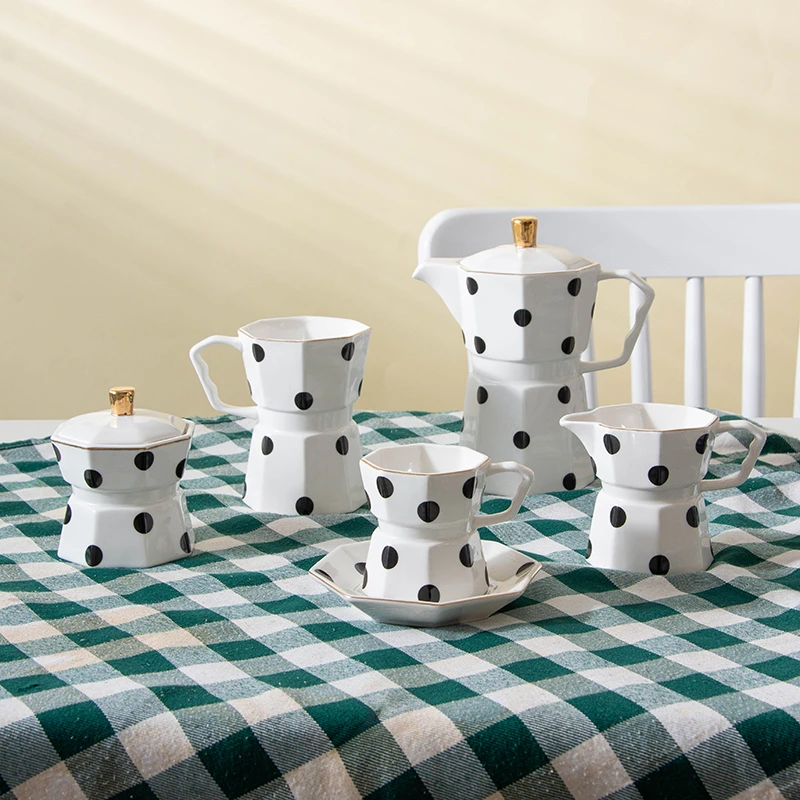
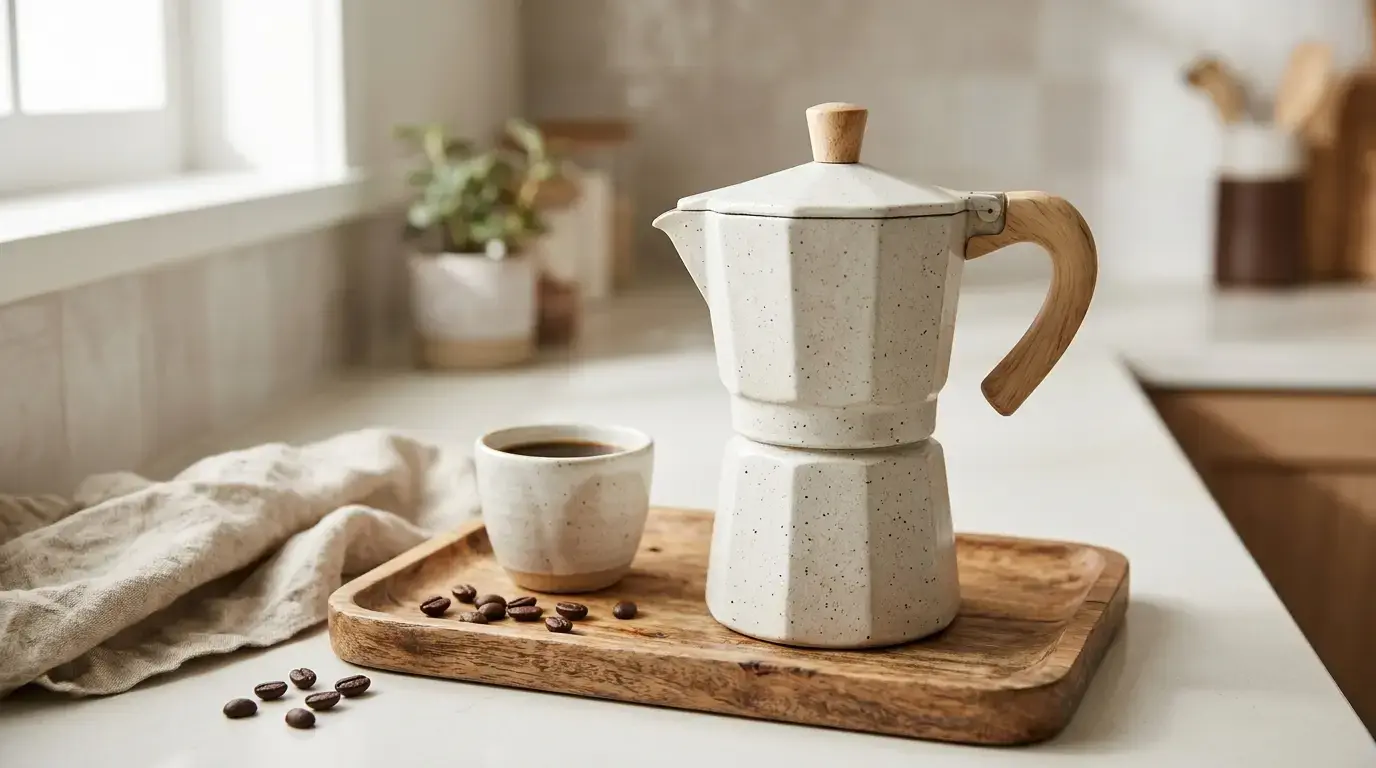
A ceramic moka pot can add a distinctive coffee-inspired design to a homeware or kitchenware collection. However, its suitability depends on more than appearance. Buyers need to consider whether the product matches their target customers, complements their existing coffee assortment, and fits the expectations of their sales channels.
En collaboration avec Kedali, un ceramic coffee and tea set manufacturer, we examine where a ceramic moka pot fits within a wholesale product line and what buyers should evaluate before adding one.
What Does a Ceramic Moka Pot Actually Offer?
A ceramic moka pot uses the familiar shape of a traditional moka coffee maker as its design inspiration. Its visual identity makes it recognizable to coffee enthusiasts while giving it a different material and appearance from conventional metal brewing equipment.
However, buyers should distinguish between two product types:
- Functional stovetop moka pots: These are brewing devices designed to generate pressure and extract coffee on a stovetop. Their construction and material compatibility must meet specific functional requirements.
- Moka-style ceramic coffee pots: These use the moka pot silhouette as a ceramic product design. Depending on the product, they may be intended for serving, display, or decorative use rather than pressure-based brewing.
The distinction matters commercially: customers shopping for a brewing appliance have different expectations from customers buying coordinated ceramic homeware.
Which Customers Are Most Likely to Appreciate This Product?
A ceramic moka pot is more likely to fit businesses whose customers value design, coordinated collections, and coffee-related home accessories. Three buyer groups are worth considering.
Homeware and Lifestyle Buyers
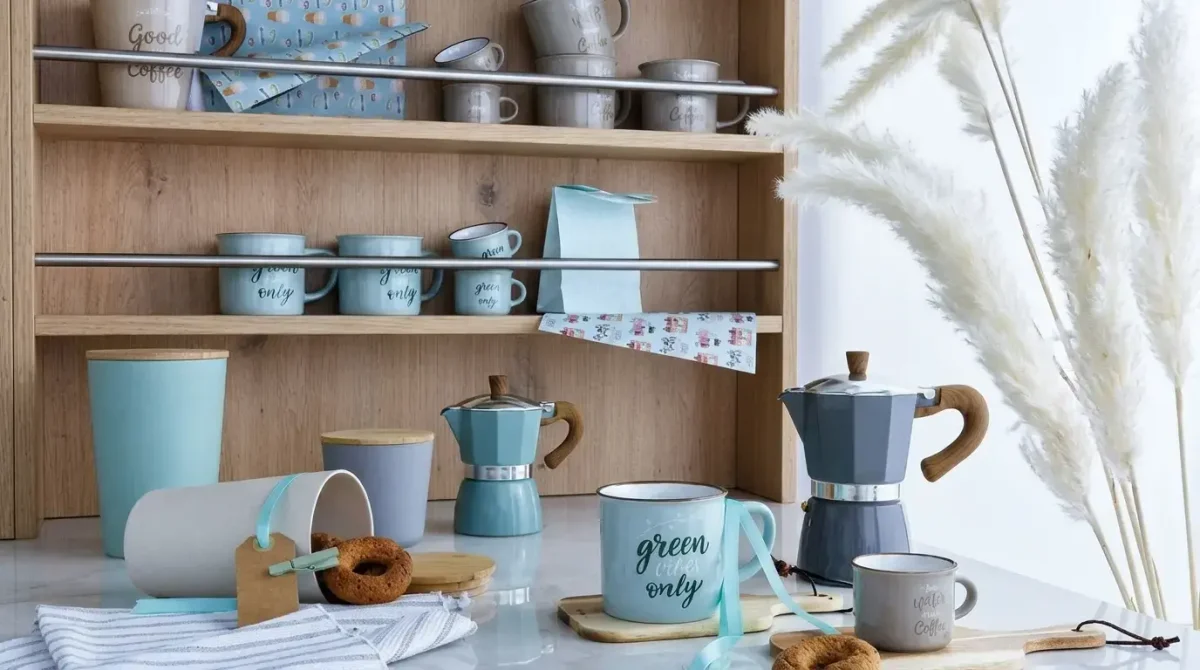
Homeware retailers often organize products around interior styles, color palettes, and coordinated kitchen collections. A moka-style ceramic coffee pot can introduce a recognizable coffee theme while offering a different visual profile from standard mugs, cups, and storage containers.
It may be relevant to retailers developing:
- Coffee corner and kitchen-counter collections
- Color-coordinated ceramic kitchenware
- Contemporary or design-led home accessories
- Small decorative collections around everyday routines
For these buyers, the product’s shape, glaze, color consistency, and compatibility with other ceramic items are important selection factors.
Coffee-Themed Gift Buyers
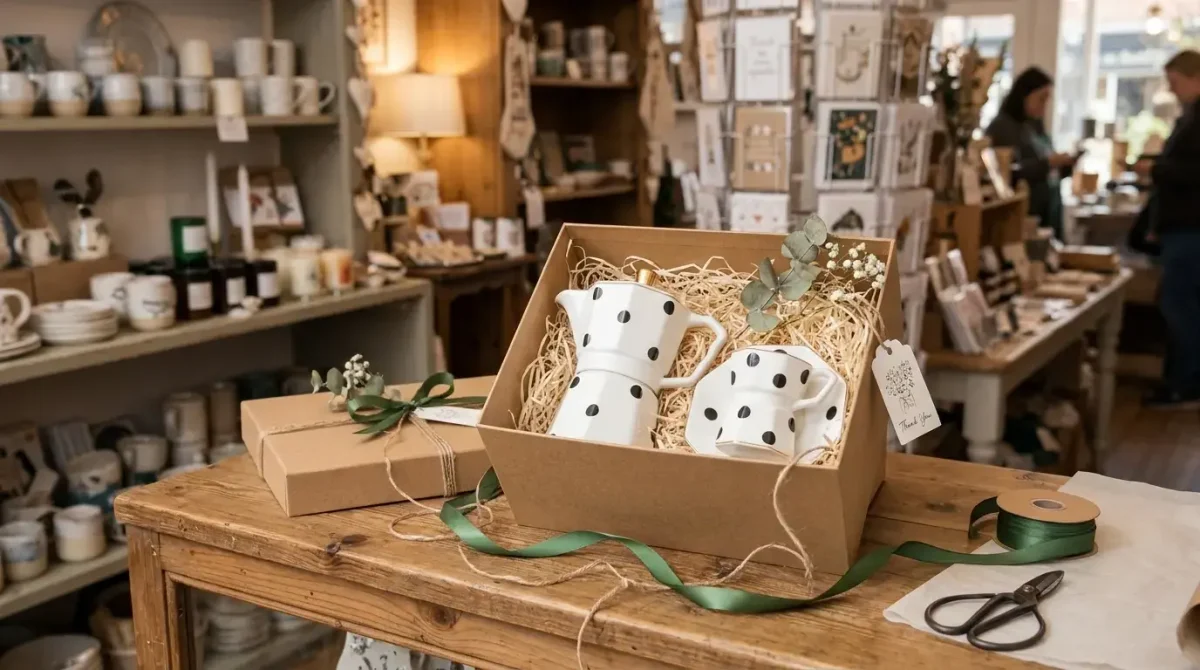
Gift shops and lifestyle stores may use coffee-related products to build themed gift assortments. A ceramic moka pot can contribute a distinctive visual element, especially when coordinated with coffee cups, serving accessories, or suitable packaging.
Its appeal depends on the intended use and presentation. Buyers should assess whether the product works as an individual gift item or whether it creates more value as part of a coordinated collection.
Coffee Retailers and Branded Merchandise Buyers
Coffee retailers, roasters, and café brands sometimes extend their product ranges beyond coffee beans and brewing equipment. Ceramic accessories can help create a consistent brand environment or provide complementary merchandise.
However, the product should match the retailer’s positioning. A specialty brewing retailer whose customers primarily seek functional coffee equipment may find a decorative or serving-oriented ceramic item less relevant than a retailer focused on lifestyle merchandise.
Does It Complement Your Existing Coffee Product Line?
The strongest reason to add a ceramic moka pot is often not to replace an existing product, but to fill a different role within a broader coffee-themed assortment.
Complementing Coffee Brewing Products
Pour-over sets and moka-style ceramic pots serve different product roles.
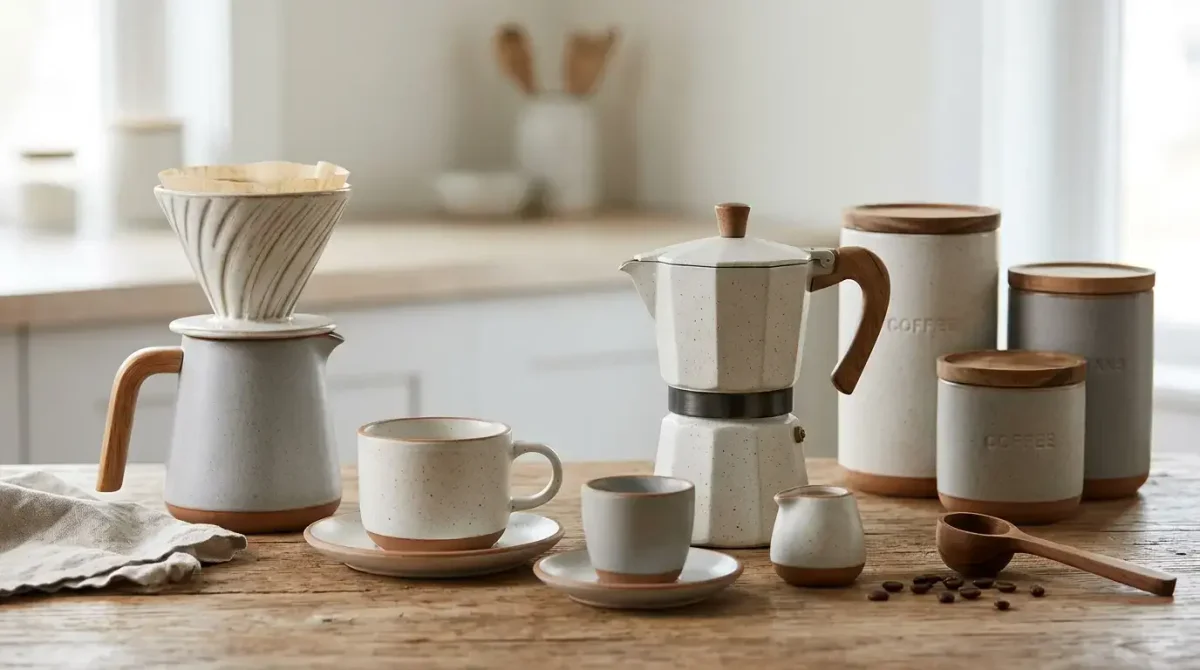
A pour-over set is associated with manual coffee preparation. It typically includes components used directly in the brewing process. A moka-style ceramic pot, by contrast, may contribute a serving, display, or design-led element depending on its specifications.
This distinction allows buyers to build a more varied assortment without presenting every item as brewing equipment.
Before combining products in one collection, check whether their functions are complementary and whether the product descriptions clearly explain what each item does.
Building a Coordinated Ceramic Coffee Collection
A ceramic moka pot can also sit alongside other ceramic products to create a more complete coffee-themed range.
| Type de produit | Main role in the assortment | Potential value |
|---|---|---|
| Service à café pour préparation manuelle | Coffee preparation | Functional brewing product |
| Ceramic moka pot | Design-led coffee accessory | Distinctive visual element |
| Ceramic coffee cups | Beverage serving | Everyday complementary item |
| Coffee storage jars | Ingredient storage | Coffee-bar organization |
| Ensemble de cafetières en céramique | Coordinated serving | More complete tabletop collection |
The exact combination should reflect your customers’ buying habits and the price range of your collection. A retailer targeting everyday homeware buyers may prioritize cups and storage jars, while a gift-focused business may prefer coordinated colors and presentation.
When planning a ceramic coffee set collection, compare the product formats carefully. This helps prevent overlapping SKUs and makes the purpose of each item clearer.
You can also explore ensembles de café et de thé en céramique en gros to assess how individual products may fit into a wider category.
Which Sales Channels Make the Most Sense?
The product’s suitability varies by channel. The following assessment is a positioning framework rather than a ranking based on verified sales performance.
| Sales channel | Potential fit | What buyers should evaluate |
|---|---|---|
| Magasins d'articles pour la maison | Strong potential | Design compatibility, color coordination, and fit with existing kitchenware |
| Boutiques de souvenirs | Strong potential | Presentation, gift packaging, and suitability as an individual or coordinated item |
| Chaînes de supermarchés | Conditional | Price positioning, product clarity, and broad customer appeal |
| Coffee shop chains | Conditional | Brand alignment and whether the product has a clear serving or merchandise role |
| Specialty brewing retailers | More limited | Whether customers expect functional brewing equipment rather than ceramic accessories |
Homeware retailers and gift shops may find the design-led positioning easier to integrate into their existing assortments. Other channels need a clearer reason to stock the product, such as a suitable merchandise strategy or a complementary role in an established coffee collection.
Regardless of channel, product descriptions should state the intended use clearly. Avoid terms that could lead customers to assume that a ceramic product is a pressure-based stovetop brewer unless that function has been specifically confirmed.
When Should You Consider Adding a Ceramic Moka Pot?
Before introducing the product, evaluate four areas.
1. Customer alignment
Do your customers already purchase coffee-themed homeware, ceramic accessories, or coordinated kitchen products? If their main requirement is functional brewing equipment, a moka-style ceramic item may not meet their expectations.
2. Assortment compatibility
Can the product complement existing cups, coffee pots, storage jars, or other ceramic kitchenware? A clear relationship between products makes the collection easier to merchandise and explain.
3. Channel suitability
Does your sales channel support design-led home accessories, gift products, or branded merchandise? Consider how the product will be displayed, described, and packaged.
4. Commercial feasibility
Review the product’s dimensions, weight, available colors, packaging, MOQ, and customization feasibility. Compare the required inventory commitment with your expected demand and the role the product will play in the collection.
If the product fits your customers and existing assortment, it may be worth testing as a complementary SKU. If the design is attractive but demand is uncertain, a smaller category test or a coordinated collection review can help reduce the risk of carrying an isolated product.
Conclusion: Is It the Right Addition?
A ceramic moka pot can be a suitable addition for businesses developing coffee-themed homeware, ceramic accessories, or gift collections. Its value comes from its design and role within the assortment—not from assuming it performs the same function as a traditional stovetop moka maker.
The decision should come down to customer expectations, product-line compatibility, channel positioning, and commercial feasibility. When these factors align, a moka-style ceramic coffee pot can add variety to an existing coffee collection without duplicating the role of functional brewing equipment.
À propos de Kedali
Kedali est une ceramic and porcelain product manufacturer, specializing in wholesale ceramic products and OEM/ODM manufacturing for global buyers.
For businesses developing coffee-themed homeware collections, Kedali offers ceramic coffee pots, coffee sets, cups, and other complementary kitchenware. With product development support covering design, mold development, sampling, and product customization, we help wholesalers, importers, distributors, and brands develop ceramic collections that align with their market positioning. From product shapes and colors to surface finishes, logos, and packaging, our team supports buyers in building coordinated ceramic product lines for different retail and wholesale markets.
Whether you are sourcing a moka-style ceramic coffee pot or planning a broader coffee collection, Kedali can support your product development and wholesale sourcing needs.
Foire aux questions
Which businesses are most suitable for selling ceramic moka pots?
Homeware retailers, gift shops, and businesses developing coffee-themed lifestyle collections may find the product relevant. Coffee retailers may also consider it as complementary merchandise if its design and intended use fit their brand positioning.
How can a ceramic moka pot complement an existing coffee product line?
It can add a design-led item alongside products such as ceramic coffee cups, pour-over sets, coffee storage jars, and ceramic coffee pot sets. The key is to define each product’s function clearly and avoid unnecessary overlap between SKUs.