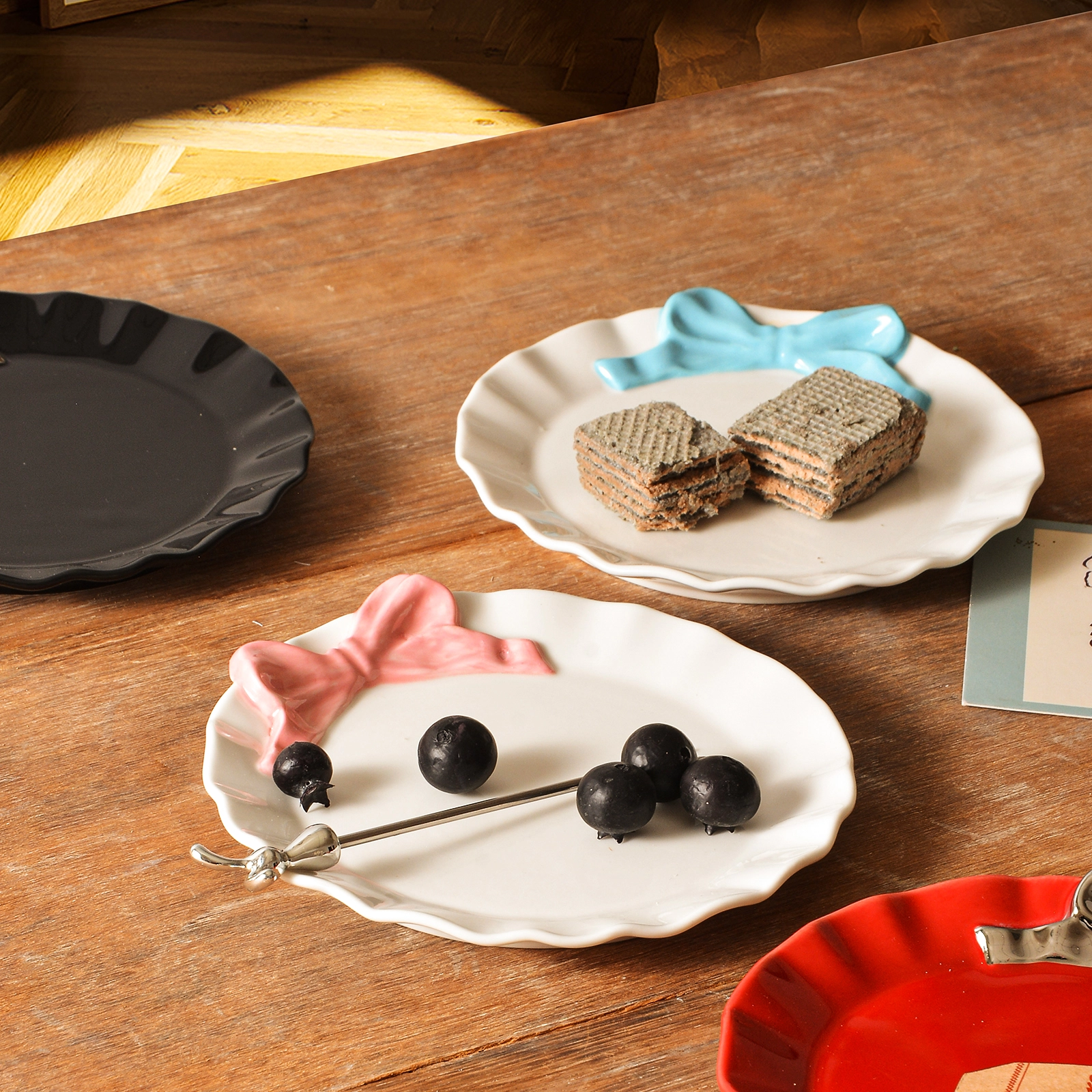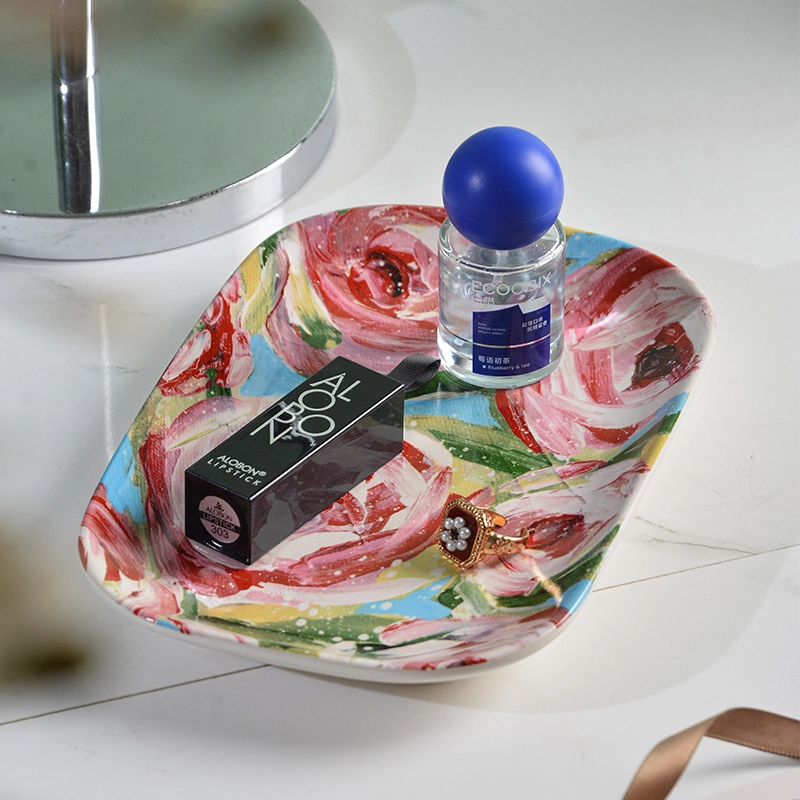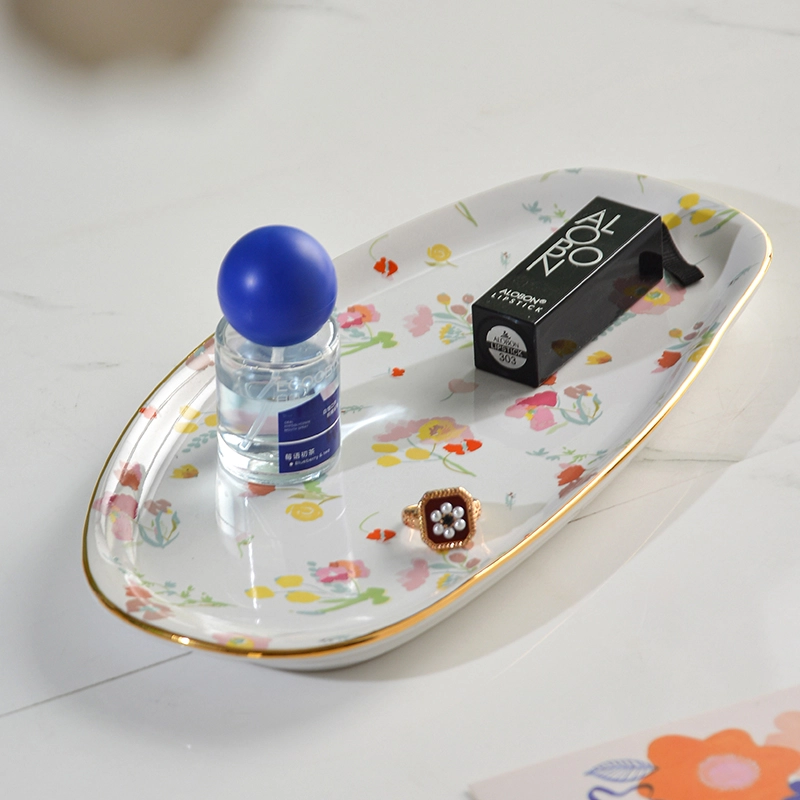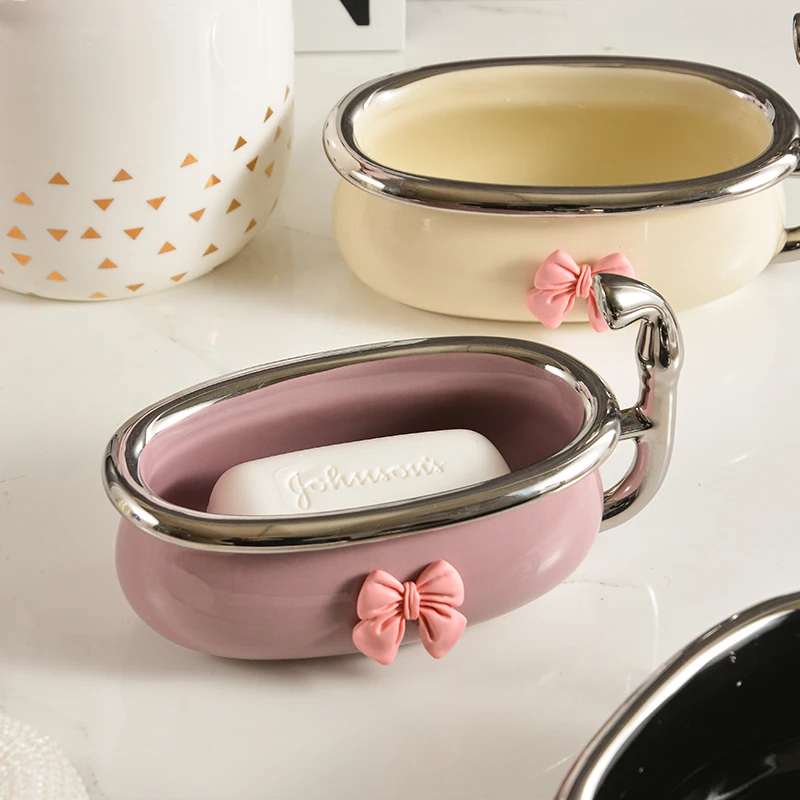
Ceramic products are part of daily life. People drink from ceramic mugs, serve food in ceramic bowls, and cook with ustensiles de cuisine en céramique. Most of the time, these products are safe to use. And most of the consumers are thinking that every ceramic product is automatically safe. That is not completely right.
En tant que ceramic tableware manufacturer, we fully understand that the safety of ceramic glazes is the key to the safety of ceramic products.
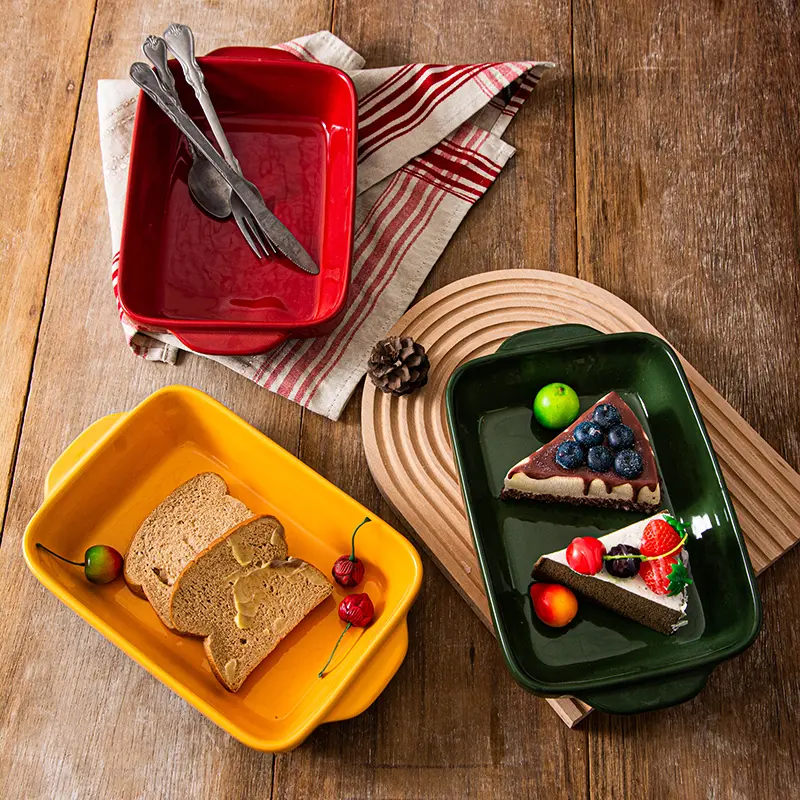
What is Ceramic Glaze?
Ceramic glaze is a glass-like coating applied to the surface of ceramic products. It has three main jobs.
- First, it seals the porous clay body so the item does not absorb water or food residue.
- Second, it makes the surface easier to clean.
- Third, it gives the product its final appearance, including color, shine, texture, and decorative effects.
How is Ceramic Galze Manufactured?
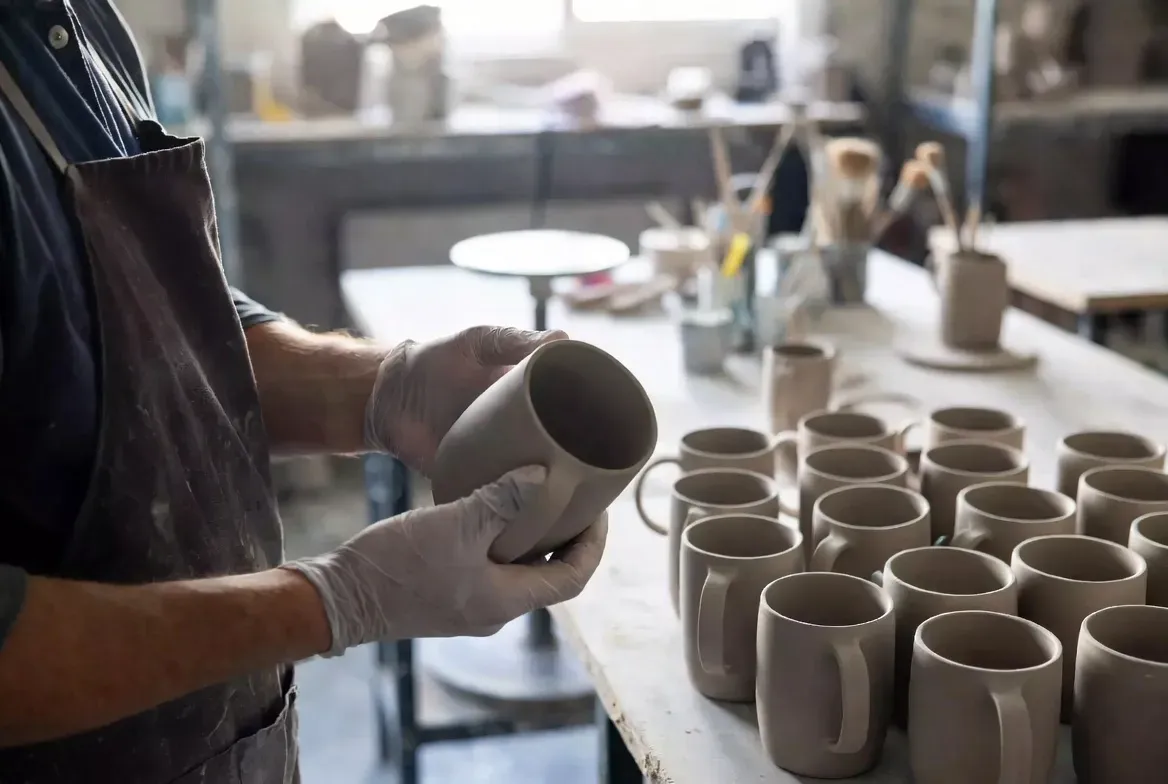
After the liquid glaze has been expertly applied—whether dipped, sprayed, or brushed—and has completely dried on the raw ceramic body, ceramics are fired at high temperatures, typically between 1000°C and 1300°C. This firing ensures the glaze bonds with the clay body and becomes resistant to everyday wear.
However, improper formulation or firing can compromise ceramic glaze safety, making careful selection essential.

Is Ceramic Glaze Toxic?
The answer is hidden in the specific glaze formulations.
Some older formulations historically used lead or cadmium to create certain colors and surface effects. When ceramic glazes contain lead or cadmium, these heavy metals may leach from the glaze layer into food or liquids upon contact with food or beverages—particularly acidic items such as coffee, tea, fruit juices, vinegar, and tomato sauce—or during prolonged use at high temperatures.
Modern food-safe glazes are usually lead-free and cadmium-free; they are formulated to meet food-contact safety standards. But that is not something a consumer should assume without proof.
Potential Risks of Unsafe Ceramic Glaze
Unsafe or poorly formulated glazes are making ceramic products toxic in specific circumstances, and posing several risks:
- Lead and cadmium leaching: These heavy metals can migrate into food and beverages, particularly acidic foods, causing potential health issues.
- Toxic compounds: Some low-quality glazes contain other hazardous chemicals that can leach under heat.
- Degradation over time: Chipped or faded glazes can increase the likelihood of chemical exposure.
- High-temperature reactions: Using non-certified ceramics in ovens or microwaves can exacerbate leaching.
These risks demonstrate why ceramic glaze safety should never be assumed solely based on a product’s appearance or material.
How Ceramic Glaze Safety Is Ensured
Professional ceramic manufacturers ensure glaze safety through rigorous regulatory frameworks and quality control processes. Key standards include:
- FDA (US): Limits heavy metal migration in food-contact ceramics.
- LFGB (Germany/EU): Ensures chemical safety for European markets.
- EC 1935/2004 (EU): Sets general rules for materials intended to contact food.
Laboratory testing serves to verify whether products comply with relevant standards; test parameters include the migration levels of lead and cadmium, as well as heat and chemical resistance. During the manufacturing phase, specialized ceramic factories ensure rigorous control over raw materials, precisely regulate firing temperatures, and implement batch traceability. Through the synergistic application of these various measures, the safety of ceramic glazes is guaranteed throughout the entire journey—from the factory floor to the hands of the consumer.
How to Identify Ceramic-Glaze Safe Products
For consumers
- Check the label. Look for wording such as “food-safe,” “lead-free,” or “cadmium-free.” Ceramic products with certifications such as FDA or LFGB are stronger indicators that they have been tested.
- Avoid relying only on looks. A beautiful mug or bowl can still be unsafe if the glaze was not properly tested. Vintage ceramics and imported items without clear documentation should be treated with caution.
- Also, inspect the item physically. Cracks, chips, and crazing can all compromise the glaze barrier. If a mug has visible damage, it should not be trusted for regular food use.
For B2B buyers and retailers, the standard should be higher.
- Request migration test reports, compliance documents, and technical data from the supplier.
- Ask what glaze is used, how it was fired, and whether the factory has batch records.
A strong supplier should be able to support ceramic glaze safety with evidence, not just marketing language.
Practical Tips – How to Use Glazed-Ceramic Products Safely
- Avoid cooking acidic foods in non-certified ceramics
- Do not use chipped or cracked ceramic mugs or kitchenware
- Follow the manufacturer’s temperature instructions
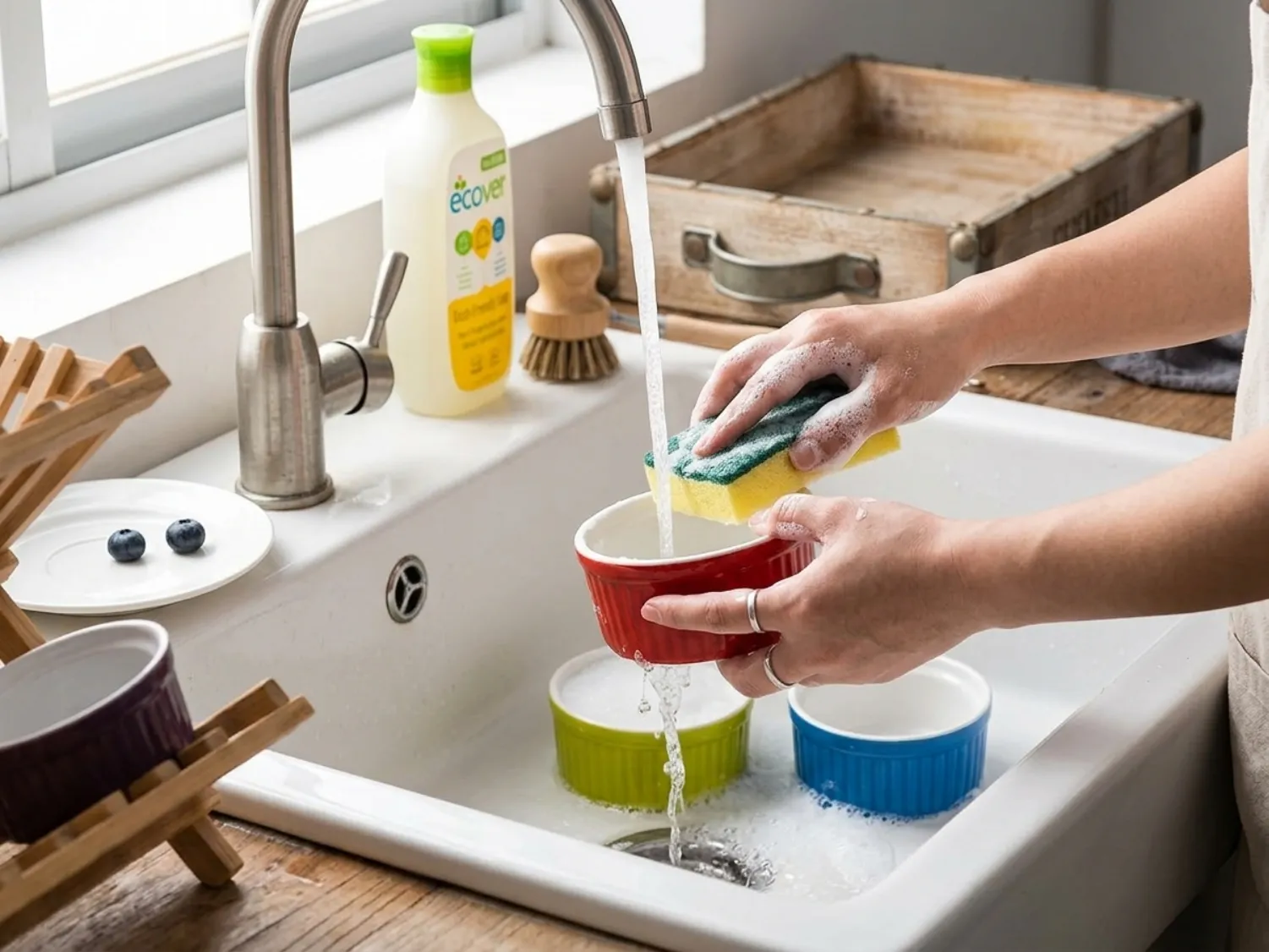
- Hand-wash delicate or decorated items to preserve glaze integrity, unless the ceramic product, like a mug, is claimed dishwasher safe
Conclusion
Good-looking ceramic mugs, ustensiles de cuisine en céramique, et vaisselle en céramique are not automatically glazed-safe ceramics. True ceramic glaze safety depends on proper formulation, correct firing, and real testing. For consumers, that means checking labels and avoiding damaged or uncertified products. For buyers and retailers, it means asking suppliers for proof.
FAQ
Q1: Are all ceramic glazes food-safe?
A1: No. Only glazes that are properly formulated and tested for food contact should be considered food-safe. Decorative or uncertified ceramics may not meet safety standards.
Q2: How can I tell if my ceramic mug is lead-free?
A2: Look for product labeling such as “lead-free” or “food-safe,” and check whether the product has FDA or LFGB compliance documentation. If there is no clear information, do not assume it is safe.
Q3: Can decorative ceramic kitchenware leach chemicals?
A3: Yes. Decorative paints, decals, metallic trims, and low-quality glazes can all create leaching risk, especially when used with acidic food or hot liquids.
Q4: Does dishwasher or microwave use affect glaze safety?
A4: Not directly. Dishwasher or microwave labels usually refer to durability, not chemical safety. A mug can be microwave-safe but still not fully tested for glaze migration.
Q5: What certification should I look for in safe ceramic products?
A5: FDA, LFGB, or EC 1935/2004 compliance are the most useful indicators. These suggest the product has passed relevant food-contact safety testing.
À propos de Kedali
Kedali est une principal fabricant de vaisselle en céramique, providing B2B clients with high-quality ceramic products, fully compliant with FDA, LFGB, and EU standards. Our products undergo strict quality control, ensuring safe glazes, proper firing, and batch traceability.
Les offres de Kedali customized ceramic tableware and kitchenware, in design, size, and decoration, while supporting technical guidance and testing, enabling brands and retailers to deliver safe, attractive, and reliable ceramic mugs, bowls, and kitchenware to their customers.