Le choix des accessoires de salle de bains pour un hôtel, une chaîne de magasins ou un programme de vente en gros est une décision d'achat, et non un caprice esthétique. La bonne sélection réduit les retours, diminue le coût du cycle de vie et protège la perception de la marque.
Dans ce guide, Kedali, un principal fabricant d'accessoires de salle de bains en céramique, Il décompose la décision en quatre dimensions pratiques - matériaux, conception du produit, capacité de l'usine, coût total et valeur à long terme - et établit des comparaisons claires afin que les équipes chargées des achats puissent faire correspondre les choix aux cas d'utilisation.
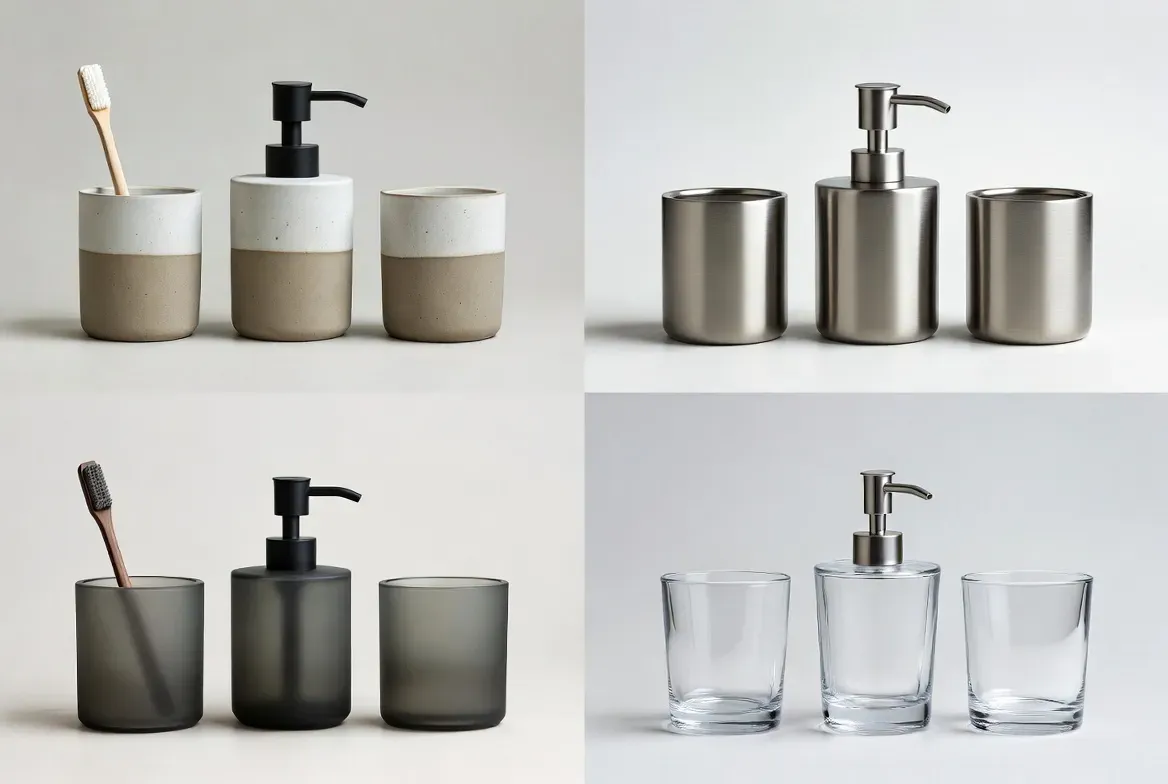
Matériel : Adapter l'environnement et le positionnement de la marque
Pourquoi c'est important : Le matériau des accessoires de salle de bains détermine la durabilité, l'entretien, la sécurité et la qualité perçue. Vous trouverez ci-dessous les options les plus courantes et le moment où il convient de les privilégier.
- Céramique
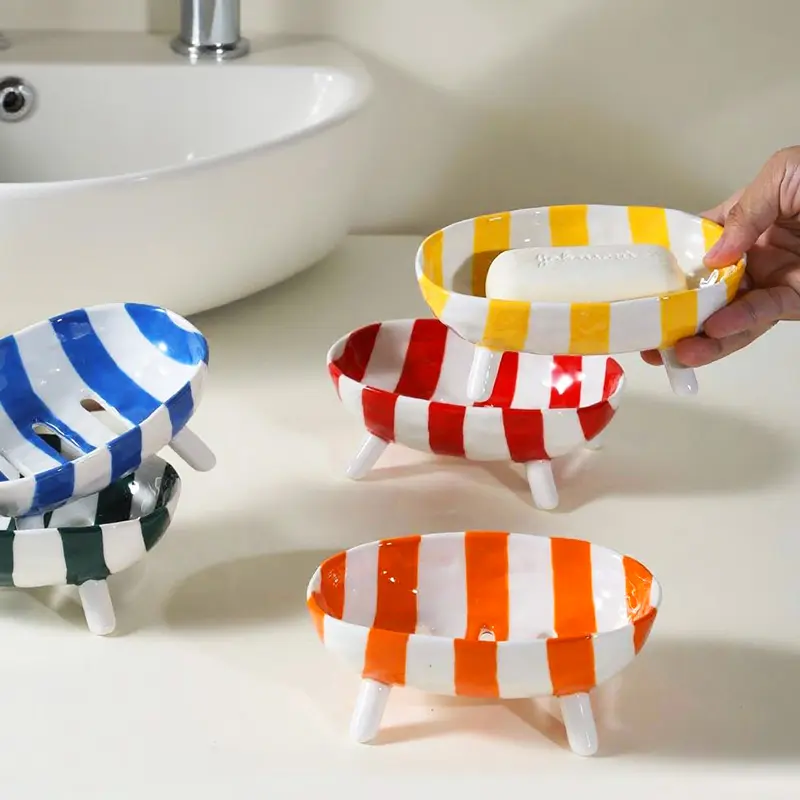
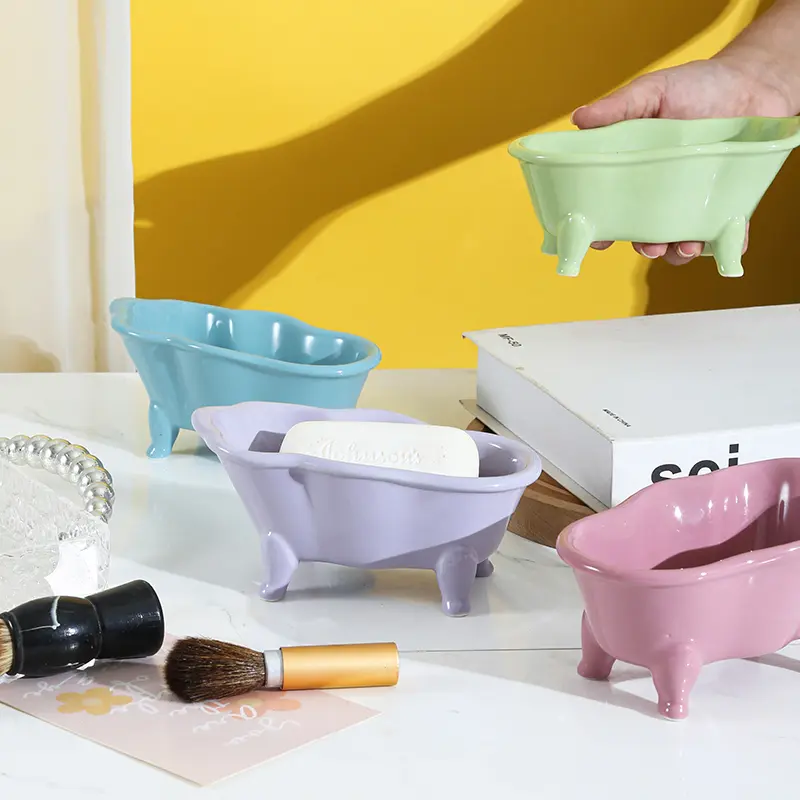
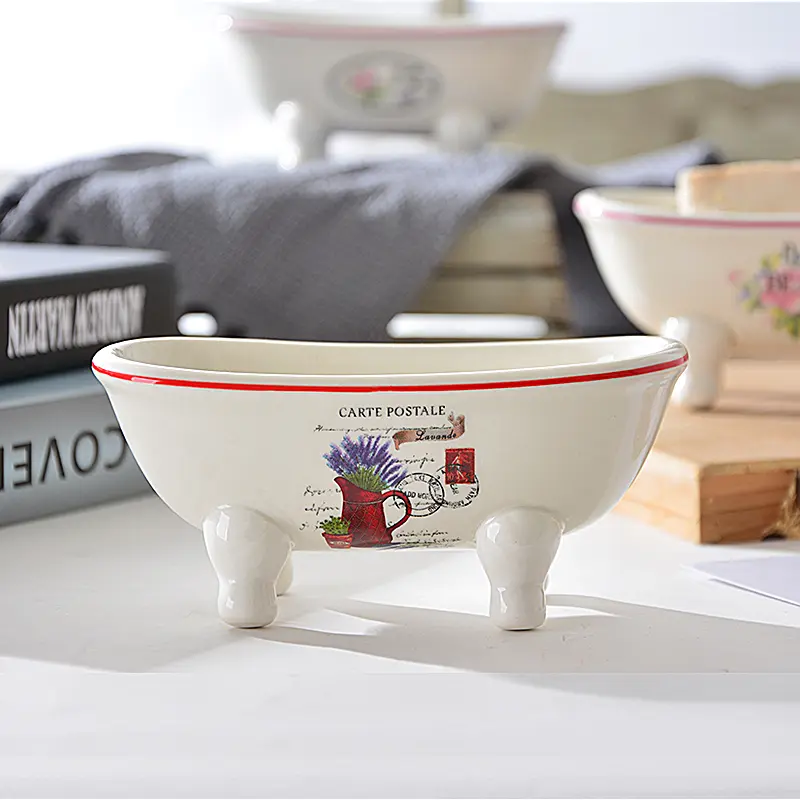
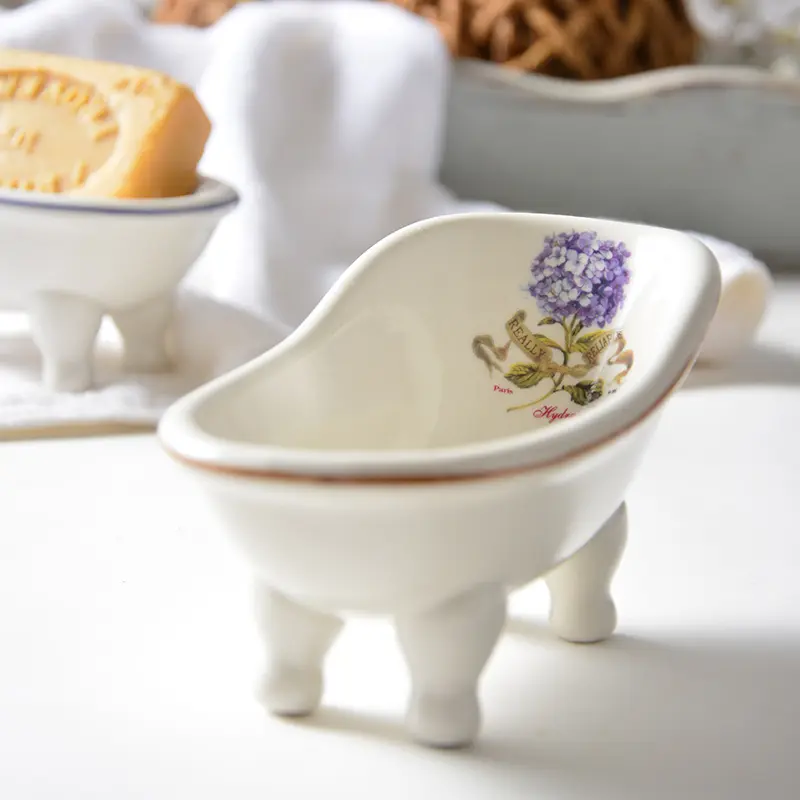
- Points forts : aspect haut de gamme et poids tactile, bonne résistance à la chaleur et à l'humidité lorsqu'il est émaillé, facile à nettoyer, positionnement fort de la marque pour les marchés de milieu et de haut de gamme.
- Risques : plus lourd pour l'expédition ; des copeaux sont possibles si la fabrication ou la manipulation ne sont pas correctes.
- Acier inoxydable
- Points forts : excellente résistance aux chocs et à la corrosion, peu de casse, idéal pour les environnements à fort trafic ou institutionnels.
- Risques : peut sembler utilitaire ; les rayures visibles s'accumulent et peuvent réduire la valeur perçue.
- Résine
- Points forts : faible coût, légèreté, casse quasi nulle en cours de transport.
- Risques : qualité perçue inférieure, vulnérabilité à la décoloration et aux attaques chimiques ; ne convient pas aux marques de qualité supérieure.
- Verre
- Points forts : esthétique haut de gamme.
- Risques : fragile, lourd, emballage et logistique coûteux.
Liste de contrôle des décisions :
- Environnements à forte humidité, en contact avec les clients → céramique ou en acier inoxydable de haute qualité.
- Zones utilitaires à forte perte (salles du personnel, toilettes publiques) → acier inoxydable ou en résine durable.
- Collections de détail haut de gamme → céramique pour l'amélioration de la marque et la photographie.
Conception de produits et adaptation fonctionnelle : La forme suit l'usage
Pourquoi c'est important : La conception des accessoires de salle de bains a une incidence sur la facilité d'utilisation, la sécurité et l'entretien dans les salles de bains réelles, et pas seulement sur les étagères.
Critères fonctionnels clés à évaluer :
- Stabilité/répartition du poids : les bases lourdes ou les pieds antidérapants empêchent le basculement sur les comptoirs humides.
- Montage et ajustement : les éléments fixés au mur doivent correspondre aux normes métriques et aux types de substrats utilisés dans vos projets.
- Facilité d'entretien : les pièces défaillantes (pompes, joints, ventouses) doivent pouvoir être remplacées.
- Ergonomie du nettoyage : Les géométries simples et les coutures accessibles réduisent le temps de nettoyage et les coûts de main d'œuvre.
Compromis de conception :
- Les lignes épurées et minimalistes photographient bien mais peuvent cacher des salissures dans les coutures serrées.
- Les conceptions ornées mettent à l'épreuve les tolérances de fabrication et augmentent le risque de défaut.
Orientation de la décision :
- Hospitalité et projets : privilégier la stabilité, la facilité d'entretien et de nettoyage.
- Collections de détail/de marque : privilégier un design distinctif mais le valider par des tests de durabilité.

Capacité de l'usine : Évaluer les fournisseurs, pas seulement les échantillons
Pourquoi c'est important : Un excellent échantillon ne garantit pas une production de masse régulière. Les capacités de l'usine déterminent les taux de défauts, les délais et la conformité.
Types d'usines et implications
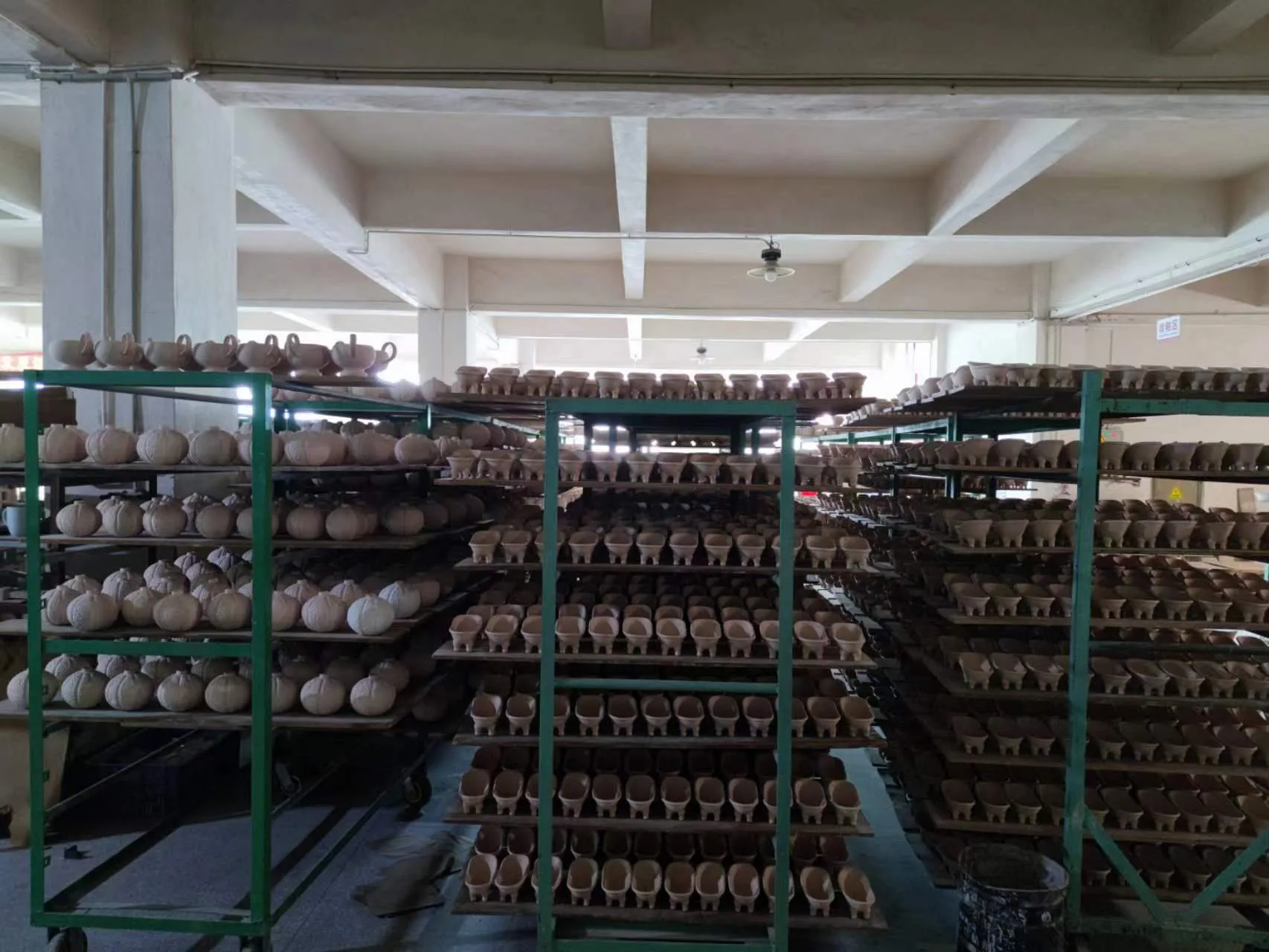
- Usines spécialisées dans les accessoires de salle de bains (moulage, vitrage, placage en interne) : la meilleure solution pour une qualité constante et des projets sur mesure.
- Usines générales de céramique/inoxLes entreprises de l'Union européenne peuvent être compétitives en termes de prix, mais nécessitent un contrôle de qualité plus rigoureux.
- Sociétés commercialesLes produits de l'Union européenne : utiles pour les petits volumes, mais moins de contrôle sur la production et le contrôle de qualité.
Critères d'usine à vérifier impérativement
- Processus internes : Les étapes critiques (moulage, galvanisation, vitrage) sont-elles internes ou externalisées ? Le contrôle interne réduit la variabilité.
- Systèmes de qualité : Contrôles des matériaux entrants, points de contrôle en cours de fabrication, inspections NQA finales et traçabilité des lots.
- Capacités d'essai : Essais de résistance à la corrosion, au brouillard salin, à l'adhérence et à l'humidité pour les matériaux concernés.
- Expérience en matière de conformité : Capacité à produire selon les normes du marché (par exemple, REACH, RoHS, le cas échéant) et à fournir des rapports d'essai.
- Capacité et évolutivité : Débit en période de pointe, fours ou lignes de secours et plans d'urgence.
Orientation de la décision : Pour les marques privées ou les programmes à long terme, préférez les usines spécialisées dont le contrôle de qualité et les tests sont documentés. Pour les achats ponctuels, vérifiez les plans d'inspection des tiers et les politiques de retour claires.
Coût total et valeur à long terme : Penser cycle de vie et non prix unitaire
Pourquoi c'est important : Le prix unitaire cache souvent les coûts de remplacement, de maintenance, de logistique et de réputation.
Éléments de coût à modéliser :
- Coût unitaire × durée de vie prévue (y compris le taux de rupture)
- Emballage et expédition d'articles fragiles (la céramique exige une protection plus forte et plus coûteuse)
- Frais de garantie et de retour
- Maintenance opérationnelle (produits chimiques de nettoyage, temps de travail)
- Impact de la marque (les critiques négatives ou les radiations ont un coût élevé en aval)
Règles pratiques
- Un prix unitaire inférieur ne se justifie que si le coût total au débarquement (y compris les retours) reste inférieur.
- Pour les accessoires destinés aux clients, il convient de prendre en compte dans le retour sur investissement l'augmentation du chiffre d'affaires résultant d'une meilleure présentation (augmentation du prix des chambres, augmentation du prix des produits).
- Négocier les seuils de NQA et les clauses de remplacement pour équilibrer le risque et le prix.
La mise en commun des connaissances : Recommandations de scénarios
| Scénario de l'acheteur | Stratégie recommandée pour les matériaux | Priorités de sélection | Exigences du fournisseur / de l'usine |
|---|---|---|---|
| Hôtels et marques de restauration haut de gamme | Céramique pour les zones d'accueil ; acier inoxydable pour l'arrière-boutique | Aspect, résistance à l'humidité, stabilité à la chaleur, perception de la marque | Usines spécialisées ; contrôle de la qualité des glaçures ; rapports d'essais de migration du plomb/cadmium |
| Marques de distributeur | Collections axées sur la céramique | Différenciation du design, cohérence visuelle, attrait du rayon | Contrôle strict des couleurs et des dimensions des lots ; processus d'approbation des échantillons en or |
| Projets institutionnels à pertes élevées | Acier inoxydable ou résine renforcée | Résistance aux chocs, faible coût de remplacement, durabilité opérationnelle | Rentabilité ; approvisionnement stable ; conformité de base et contrôle de qualité |
| Vendeurs de commerce électronique | Céramique avec emballage optimisé, ou acier inoxydable | Coût de l'emballage, taux de rupture, rentabilité de l'UGS | Différenciation du design, cohérence visuelle et attrait en rayon |
Liste de contrôle finale pour les équipes chargées des achats
- Définir le cas d'utilisation principal (face à l'invité ou utilitaire).
- Choisir des matériaux adaptés à l'environnement et à la marque.
- Valider la conception en termes de nettoyage, de stabilité et d'aptitude à l'emploi.
- Vérifier les capacités de l'usine : processus internes, contrôle qualité, essais et capacité.
- Calculer le coût du cycle de vie (unité + emballage + retours + maintenance).
- Exiger l'approbation des échantillons dorés, des accords NQA et de la documentation sur la conformité.
Conclusion
Choisir accessoires de salle de bains est une décision stratégique. En alignant le matériau, la conception, la capacité de l'usine et le coût du cycle de vie sur votre modèle d'entreprise, vous transformez un achat de produits de base en un avantage opérationnel et de marque.
À propos de Kedali
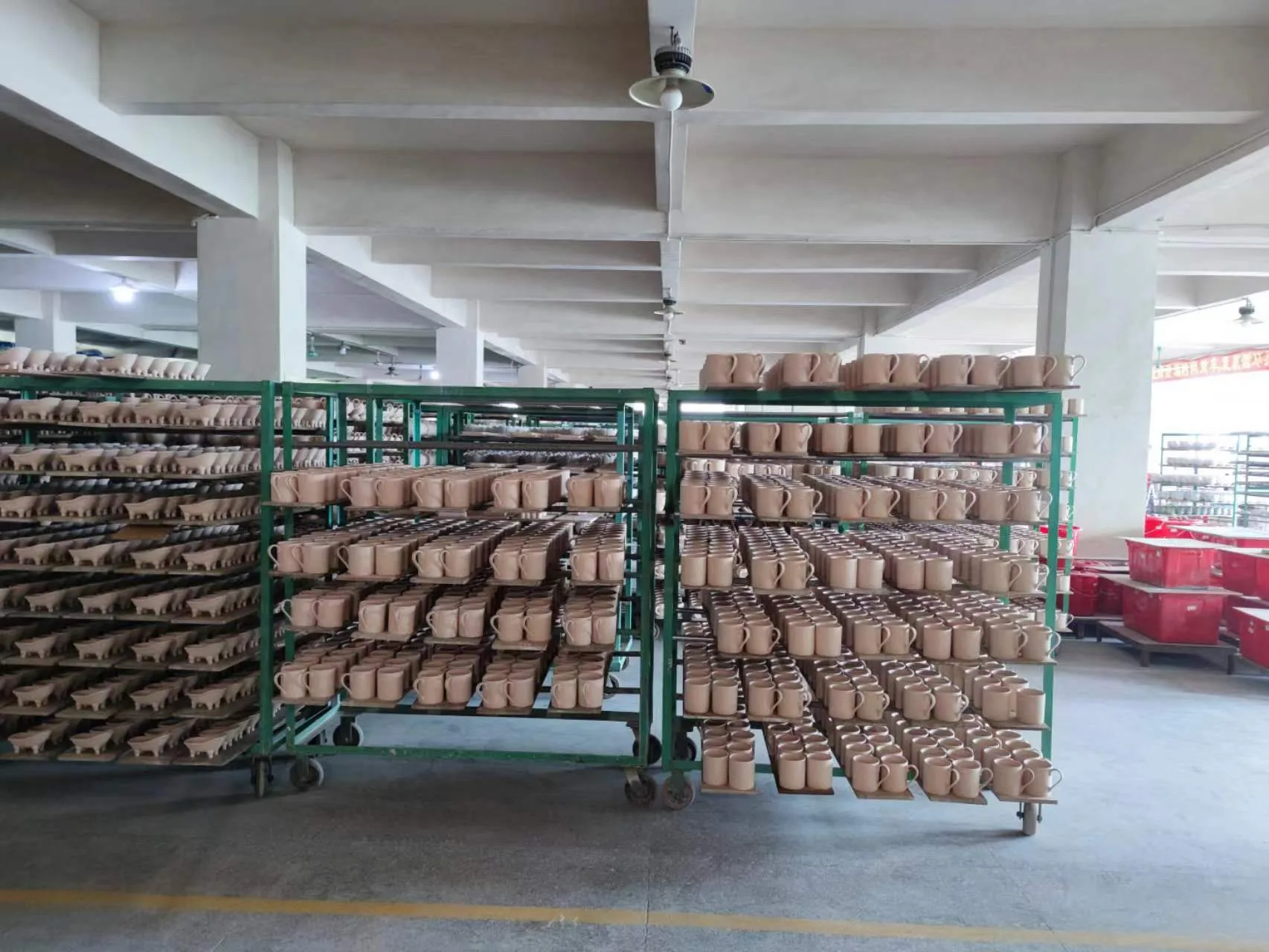
Kedali opère en tant que Grossiste en accessoires de salle de bain en céramique, spécialisée dans solutions d'accessoires de salle de bain en céramique sur mesure pour les marques qui recherchent à la fois cohérence et caractère.
En tant que fournisseur basé en usine, nous nous appuyons sur des capacités de fabrication de céramiques matures pour traduire les intentions de conception en produits raffinés et fonctionnels. Du développement de la forme au traitement de surface, notre équipe de production soutient l'esthétique propre à la marque tout en restant ouverte aux nouvelles techniques et orientations créatives.
Avec une production stable et une personnalisation flexible, Kedali aide les marques de salles de bains à créer des collections différenciées en toute confiance.