The global kitchenware market continues to evolve as consumers place greater emphasis on food safety, sustainability, aesthetics, and convenience. For wholesalers, distributors, importers, and private-label brands, understanding which product categories are growing fastest is critical for inventory planning and long-term profitability.
Among the most important material categories in today’s market are stainless steel and ceramic kitchenware. Both have experienced significant growth, but for different reasons and in different product segments.
So which category is growing faster?
The answer depends on whether buyers are targeting functionality-driven products or lifestyle-driven products. In this article, we’ll compare market drivers, product trends, sourcing opportunities, and growth potential to help commercial buyers make informed decisions.
Understanding the Two Major Kitchenware Categories
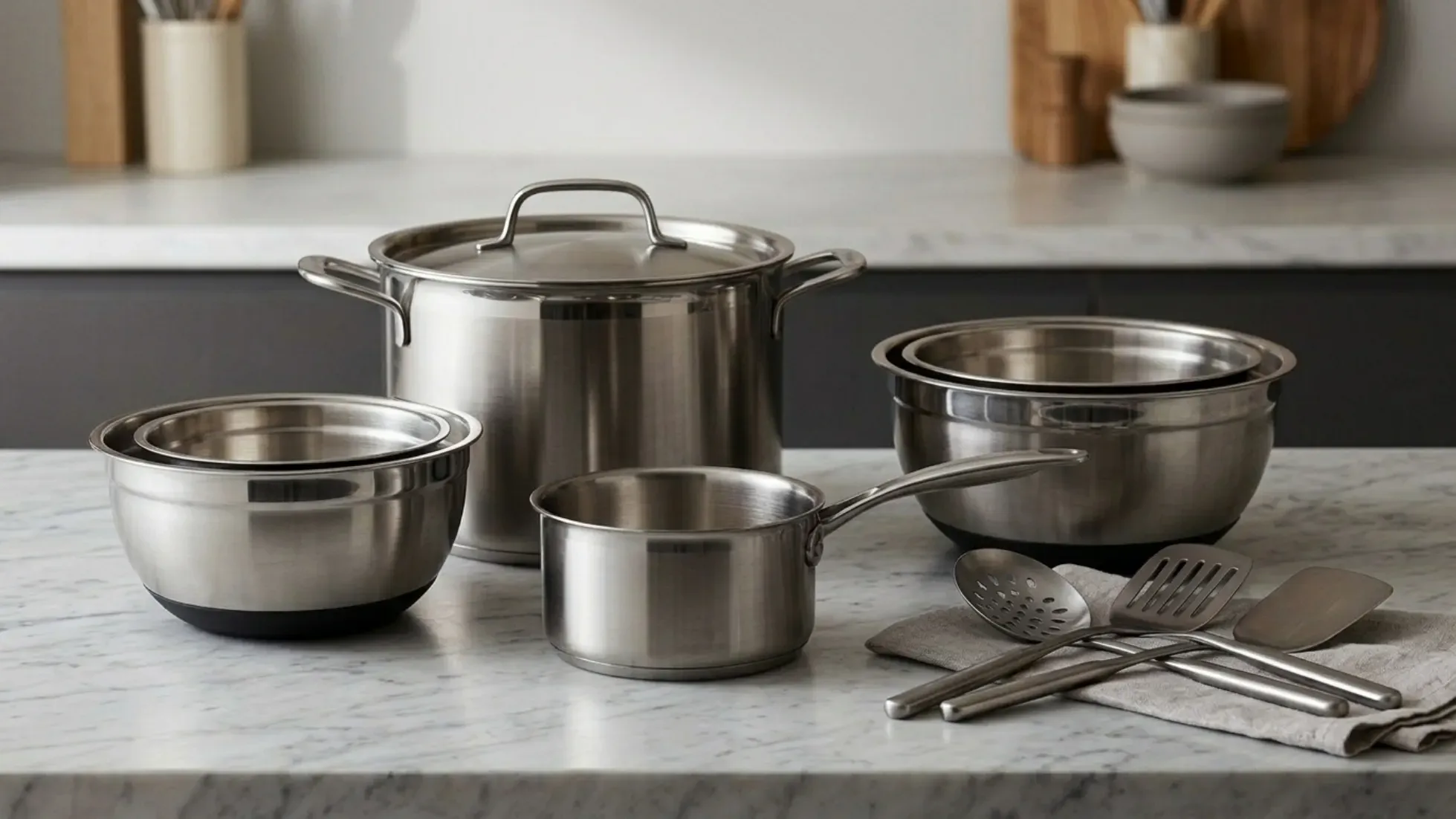
What Is Stainless Steel Kitchenware?
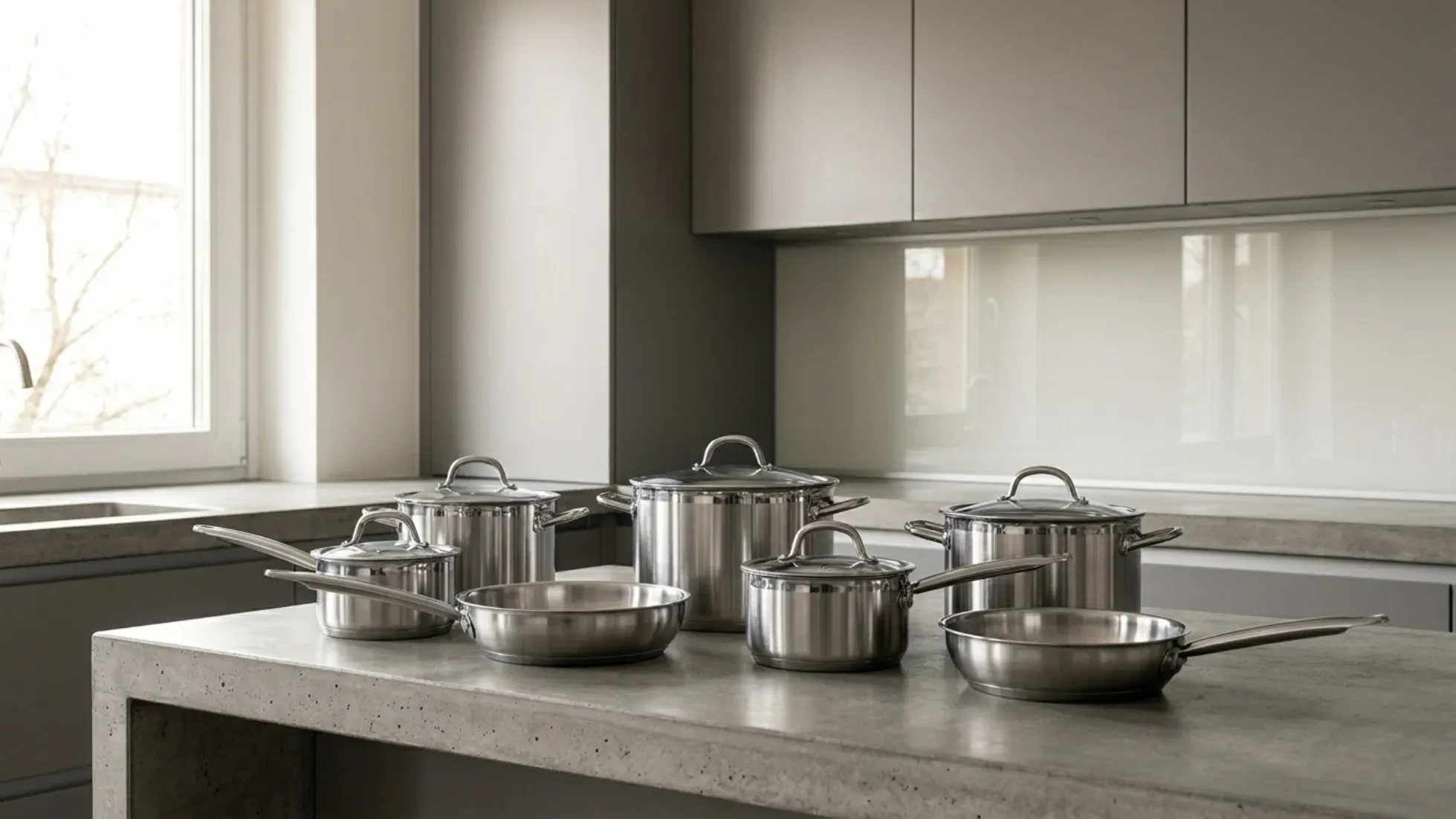
Stainless steel kitchenware includes a wide range of products designed for durability and daily functionality, such as:
- Cookware
- Mixing bowls
- Food storage containers
- Lunch boxes
- Water bottles
- Kitchen utensils
- Colanders and strainers
Most products are manufactured using food-grade stainless steel, particularly 304 and 316 grades, which offer excellent corrosion resistance and long service life.
What Is Ceramic Kitchenware?
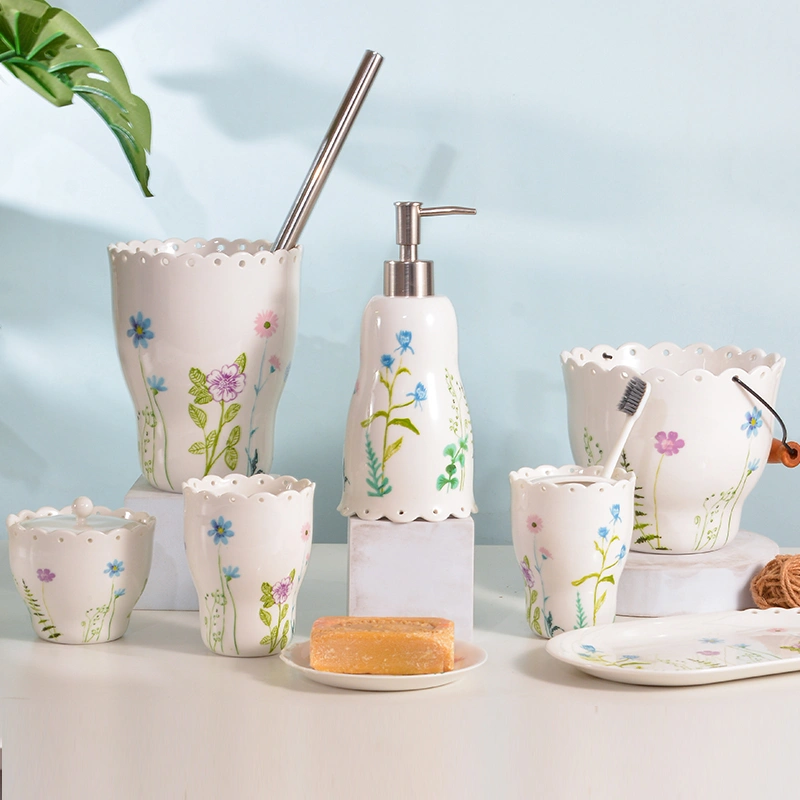
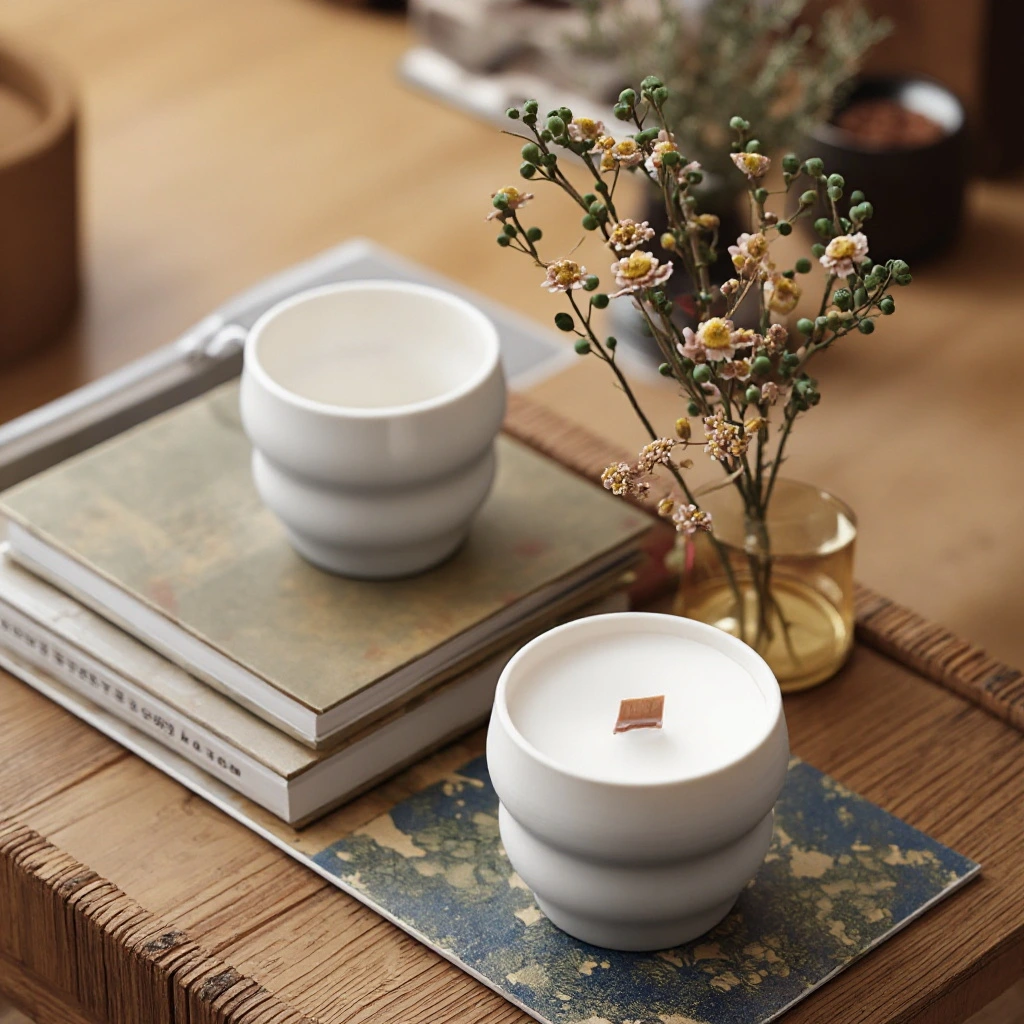
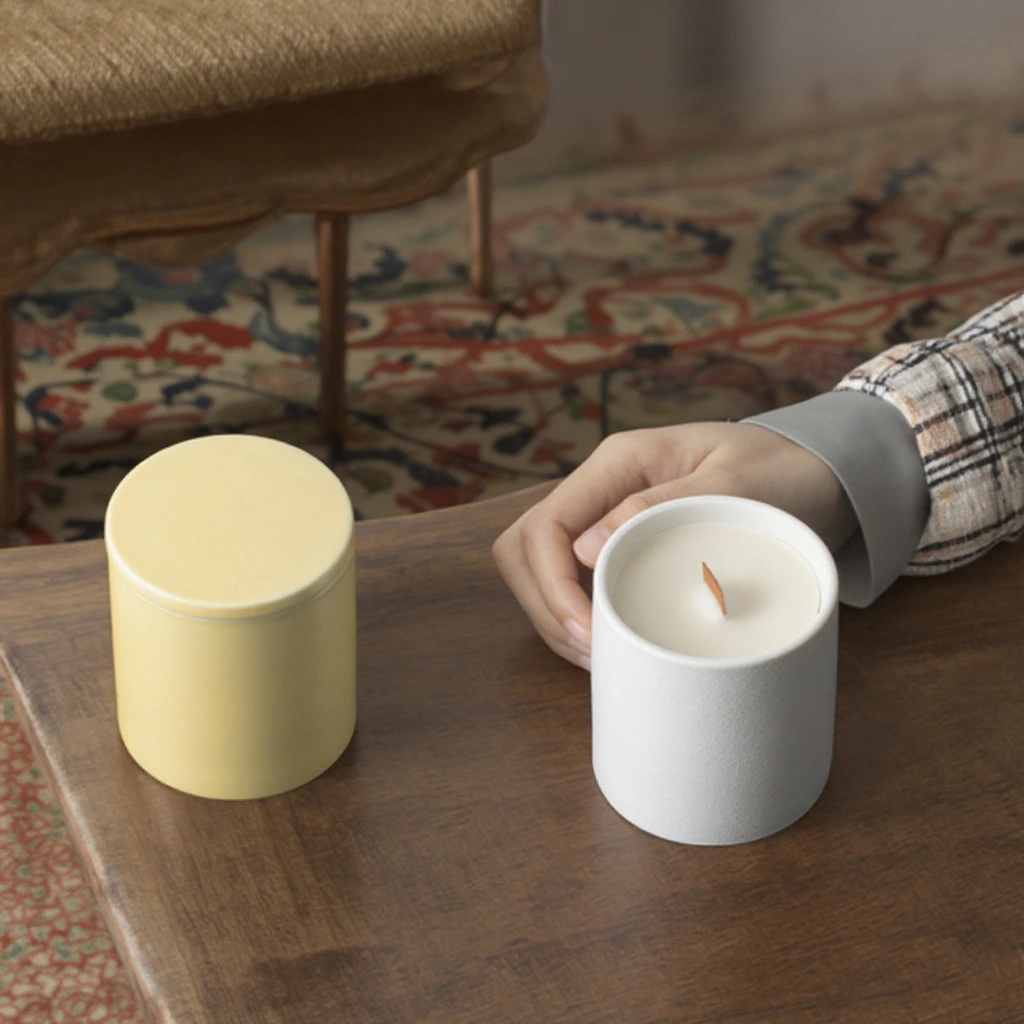
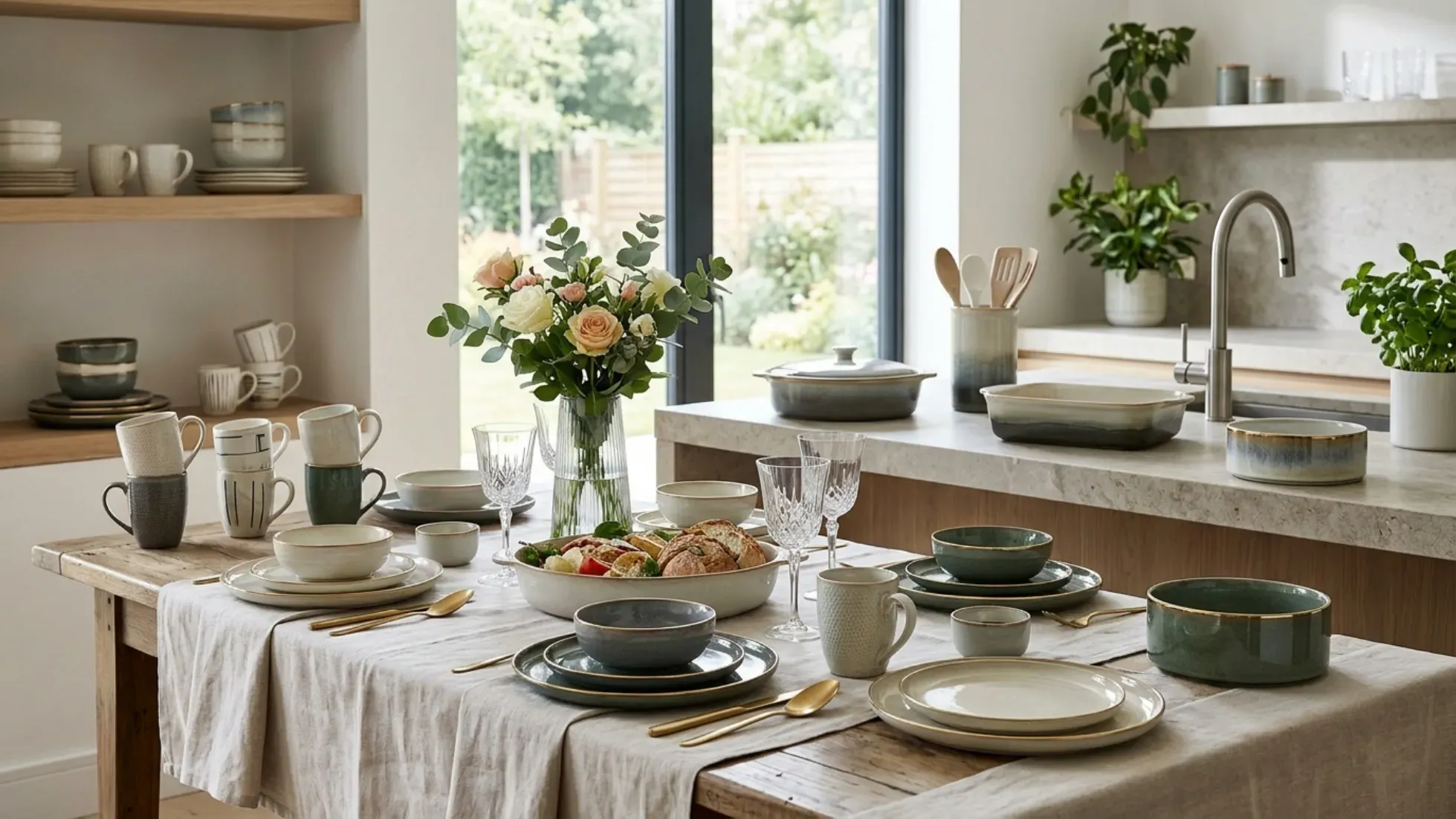
Ceramic kitchenware focuses more heavily on food presentation, dining experiences, and decorative appeal.
代表的な製品には次のようなものがあります:
- 食器
- Plates and bowls
- マグカップ
- オーブン用調理器具
- Pet bowls
- Serving dishes
- キッチン用品
The category ranges from affordable everyday products to premium handcrafted collections designed for upscale consumers.
Why Buyers Often Compare These Categories
Although stainless steel and ceramic products serve different functions, buyers frequently compare them because both compete for shelf space, manufacturing budgets, and consumer spending.
The choice often depends on whether consumers prioritize practicality or aesthetics.
Global Market Trends Driving Kitchenware Demand
Growth of Home Cooking
The home cooking trend continues to influence kitchenware purchasing decisions worldwide.
Consumers are investing in products that improve food preparation, food storage, and dining experiences. This trend benefits both stainless steel and ceramic categories, although in different ways.
Premiumization of Kitchen Products
Consumers increasingly view kitchenware as an extension of their lifestyle.
Rather than purchasing purely functional products, many buyers seek premium designs, better materials, and products that enhance the appearance of their kitchens and dining spaces.
Sustainability and Food Safety Concerns
The global shift away from disposable plastics has significantly increased demand for reusable and food-safe materials.
Both stainless steel and ceramic products benefit from this trend because they are:
- Durable
- Reusable
- Non-plastic
- 食品用
- Long-lasting
Social Media and Lifestyle Influence
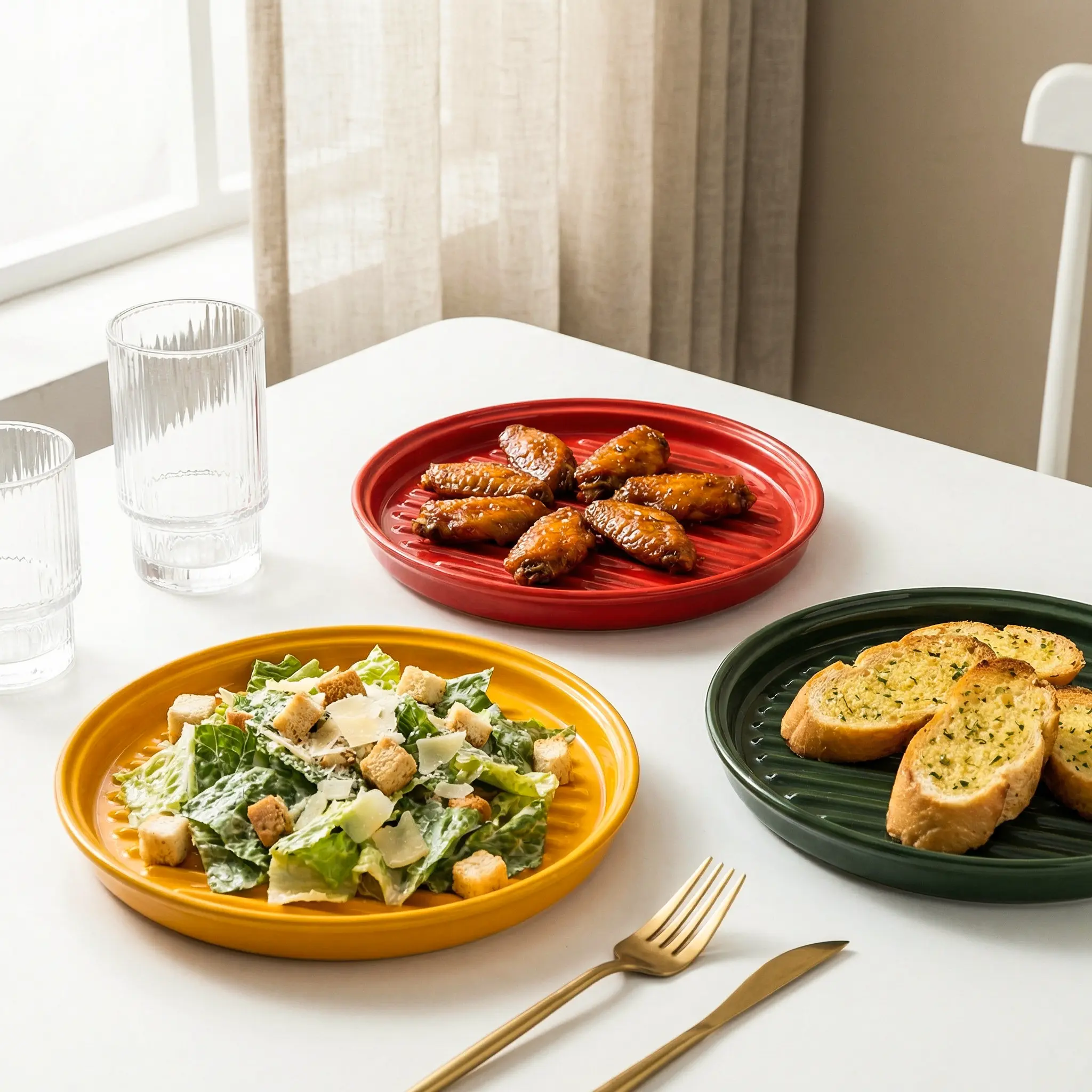
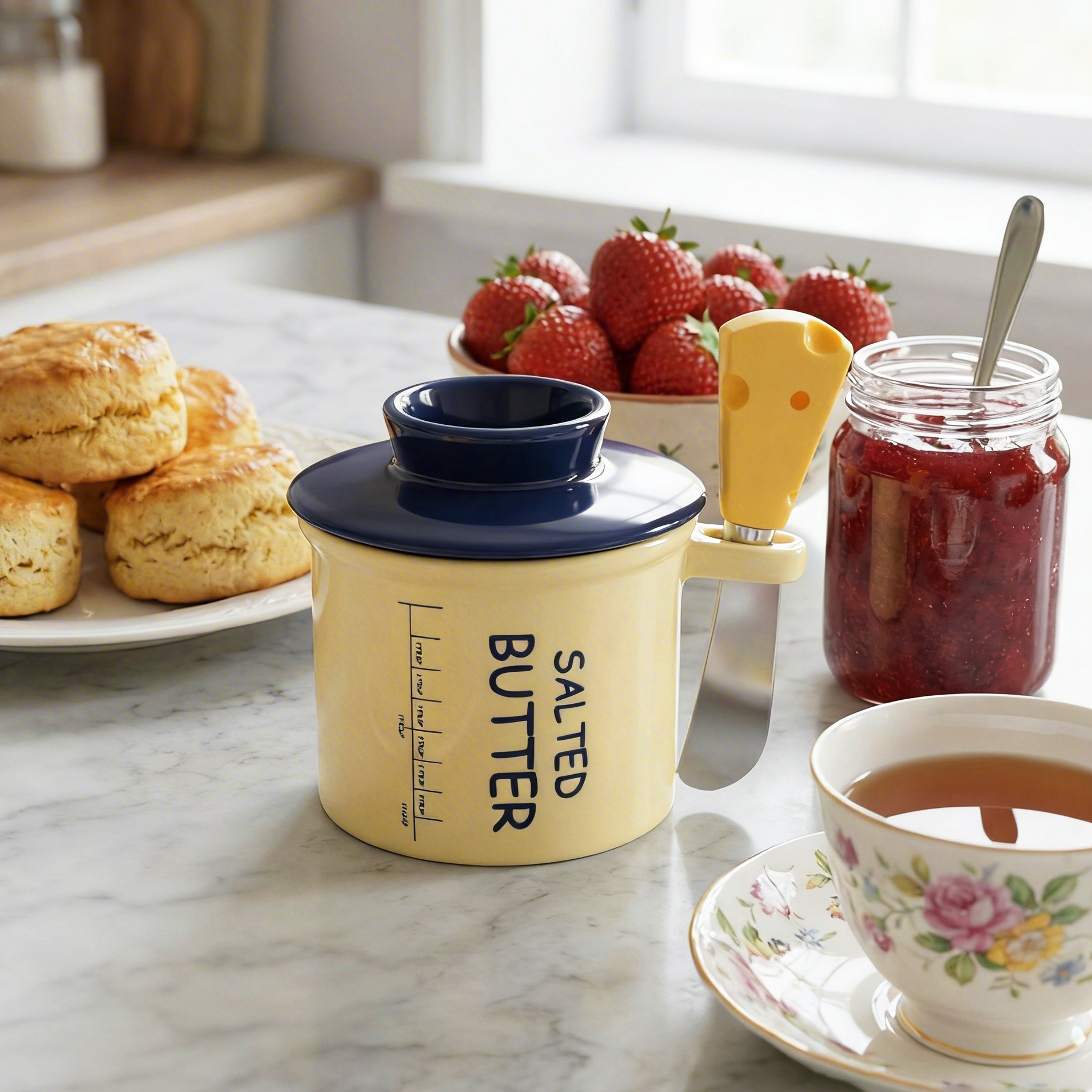
Platforms such as Instagram, Pinterest, and TikTok have transformed kitchenware from a utility purchase into a lifestyle purchase.
Consumers increasingly choose products based on appearance, design trends, and visual appeal, creating new opportunities for both categories.
Stainless Steel Kitchenware Growth Analysis
Fastest Growing Stainless Steel Product Categories
Several stainless steel products have experienced exceptional growth in recent years:
Stainless Steel Lunch Boxes
Consumers increasingly seek plastic-free food storage solutions. Stainless steel lunch boxes appeal to environmentally conscious families, office workers, and students.
Food Storage Containers
Reusable storage systems continue to gain popularity as consumers reduce reliance on disposable packaging.
Meal Prep Containers
Health-conscious consumers and fitness enthusiasts are driving demand for durable meal-prep solutions.
Reusable Drinkware
Stainless steel tumblers, water bottles, and insulated drinkware continue to grow rapidly worldwide.
304 Stainless Steel Cookware
Premium cookware remains one of the strongest-performing categories due to durability and food safety advantages.
Major Growth Drivers
Several factors are accelerating demand:
- Sustainability initiatives
- Plastic reduction efforts
- Food safety awareness
- Outdoor lifestyle trends
- Long product lifespan
- 耐久性に関する要件
These drivers create consistent demand across multiple consumer segments.
Regional Demand Trends
北米
Growth is strongest in reusable containers, insulated drinkware, and meal-prep products.
ヨーロッパ
Environmental regulations and sustainability initiatives support continued demand.
東南アジア
Growing middle-class populations are increasing spending on premium kitchen products.
中東
Urbanization and premium lifestyle trends continue to boost demand for quality kitchenware.
Opportunities for Importers and Brands
Stainless steel products offer:
- Strong repeat demand
- Broad market appeal
- Relatively low design risk
- Long product life cycles
- Stable consumer demand
For many importers, stainless steel products provide predictable and scalable business opportunities.
Ceramic Kitchenware Growth Analysis
Fastest Growing Ceramic Product Categories
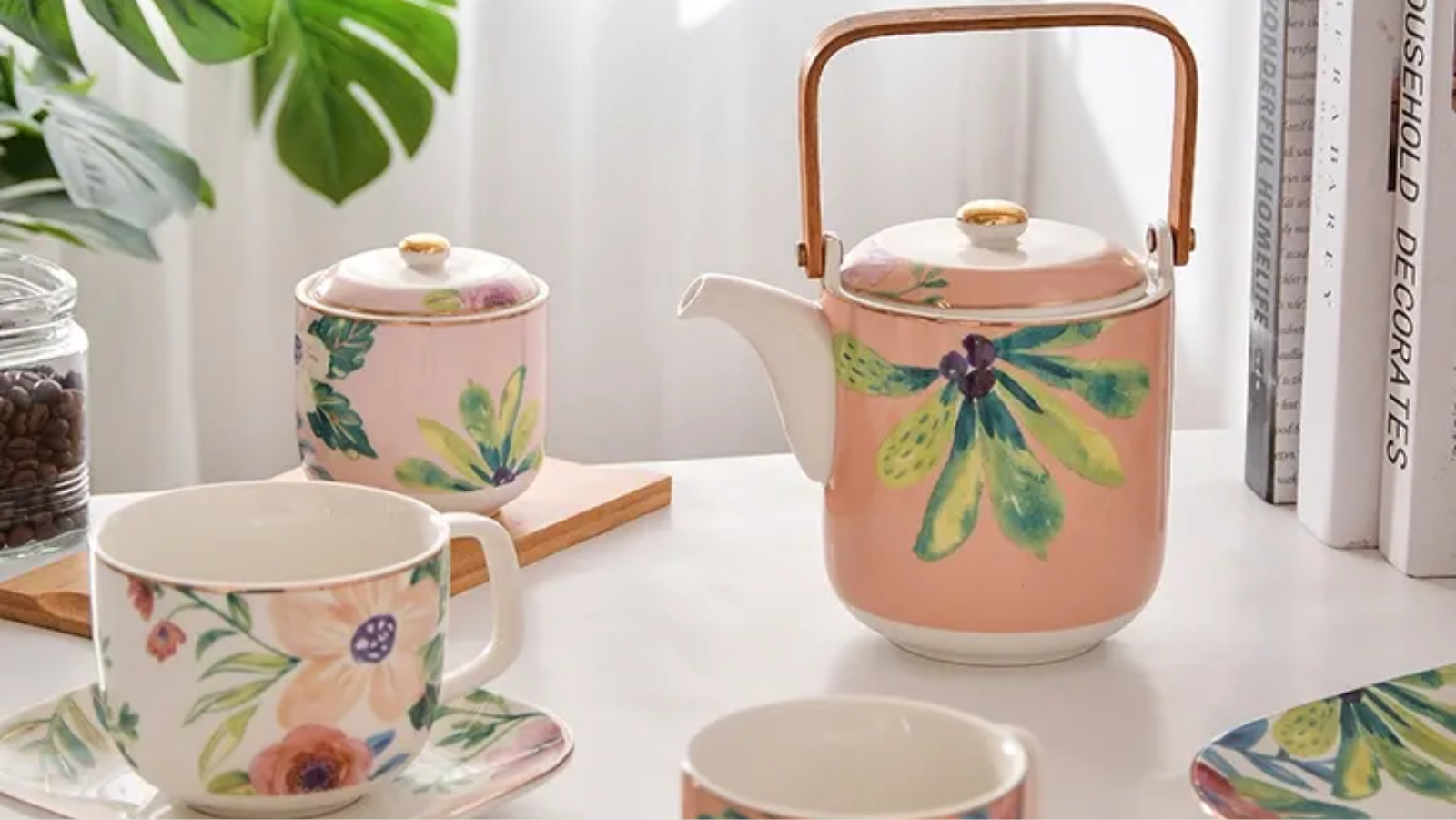
While stainless steel dominates utility-focused applications, ceramic products are leading several premium categories.
セラミック食器
Consumers increasingly invest in dining experiences at home, driving demand for attractive tableware collections.
セラミック・マグカップ
Customized and specialty mugs remain one of the strongest-performing ceramic product categories.
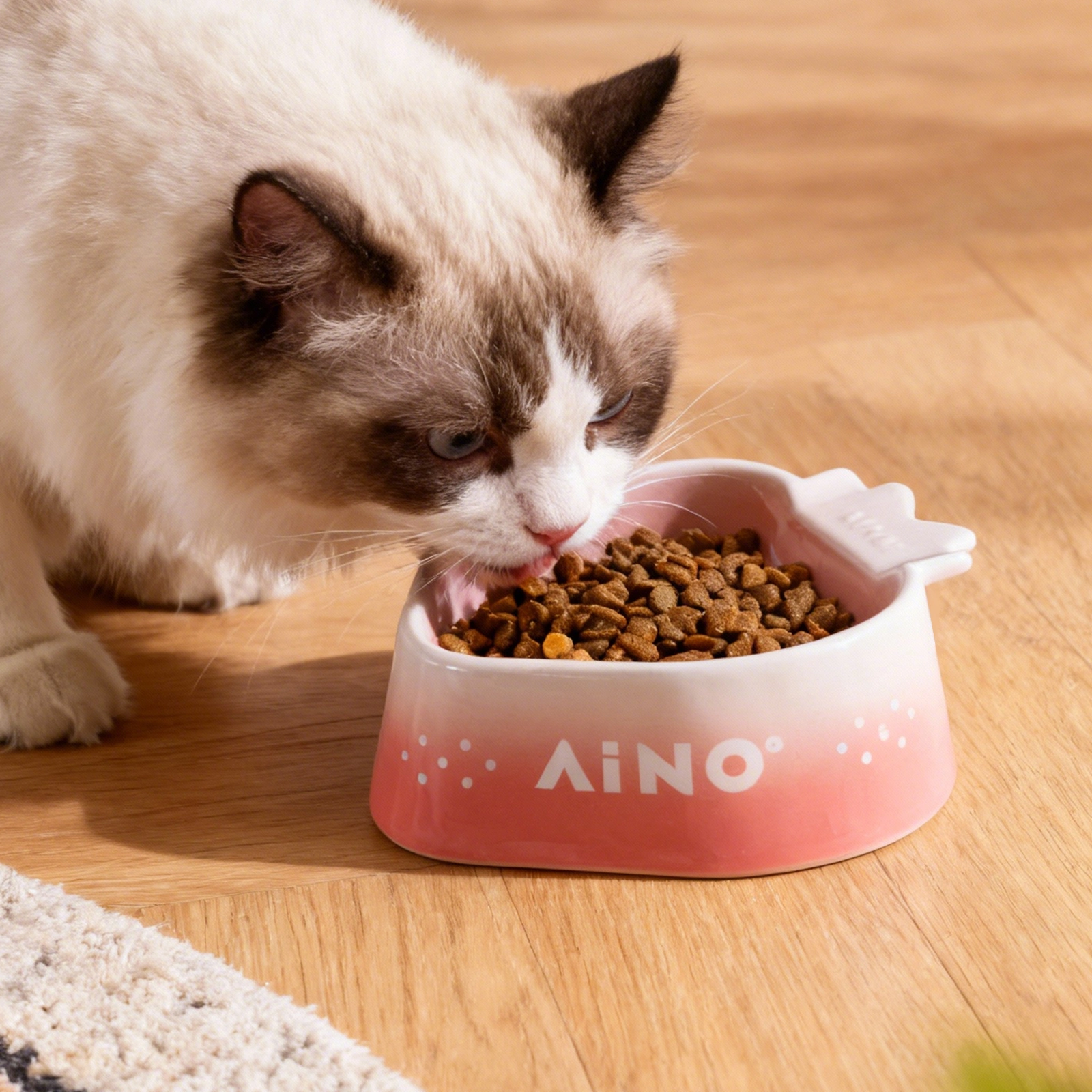
Ceramic Pet Bowls
The global pet industry continues to expand, creating opportunities for premium feeding products.
Reactive Glaze Dinnerware
Unique glaze finishes create visual differentiation and command higher retail prices.
Handcrafted Ceramic Collections
Consumers increasingly value artisanal aesthetics and unique product designs.
Major Growth Drivers
The growth of ceramic kitchenware is largely driven by:
- Home décor trends
- 最高級のダイニング体験
- Social media influence
- Gifting markets
- Hospitality sector demand
- Private-label opportunities
Unlike stainless steel, much of ceramic’s growth is fueled by emotional and aesthetic purchasing decisions.
Regional Demand Trends
北米
Consumers increasingly purchase ceramic products that combine functionality with visual appeal.
ヨーロッパ
Sustainability and premium craftsmanship continue to support ceramic demand.
Australia
Lifestyle-oriented dining culture drives strong demand for contemporary ceramic collections.
中東
The luxury dining and hospitality sectors support growth in premium ceramic products.
Opportunities for Importers and Brands
Ceramic products often offer:
- Higher perceived value
- デザインの自由度が高まる
- Premium retail positioning
- Strong private-label potential
For branding-focused businesses, ceramic products often provide greater differentiation opportunities.
Stainless Steel vs Ceramic Kitchenware: Head-to-Head Comparison
Market Growth Potential
Stainless steel currently leads in utility-driven categories such as food storage, meal preparation, and reusable products.
Ceramic leads in premium dining, tableware, gifting, and home décor segments.
Both categories are expanding, but they are growing in different directions.
Profit Margin Potential
Ceramic products often provide higher margins because:
- Design plays a larger role in purchasing decisions.
- Consumers are willing to pay premiums for aesthetics.
- Branding opportunities are stronger.
However, stainless steel products typically generate higher sales volumes.
Product Lifecycle
Stainless steel products generally offer:
- Longer durability
- Lower breakage rates
- Reduced replacement costs
Ceramic products offer:
- Premium appearance
- Higher perceived value
- Stronger gifting appeal
Supply Chain Complexity
Stainless steel products generally have:
- Lower shipping risk
- Less breakage
- Easier inventory management
Ceramic products require:
- Protective packaging
- More careful logistics planning
- Enhanced quality inspections
Which Category Is Growing Faster?
The Short Answer
Neither category is universally outperforming the other.
Instead:
- Stainless steel is growing faster in functionality-driven segments.
- Ceramics are growing faster in lifestyle-driven and premium segments.
Where Stainless Steel Leads
Stainless steel performs particularly well in:
- Food storage
- Meal preparation
- Reusable drinkware
- Outdoor products
- Sustainability-focused categories
Where Ceramic Leads
Ceramic performs particularly well in:
- Dining presentation
- Premium tableware
- Home décor integration
- Customized gifting
- Hospitality applications
The Most Attractive Opportunity for Buyers
The strongest commercial opportunity may not be choosing one category over the other.
Instead, many successful importers and distributors build complementary product portfolios that combine stainless steel and ceramic products to capture multiple consumer trends simultaneously.
Recommended Strategies for Different Buyers
Importers and Distributors
Maintain balanced product portfolios that include both practical stainless steel products and premium ceramic collections.
Retail Brands
Focus on product differentiation, storytelling, and premium positioning to maximize margins.
Eコマースの出品者
Leverage trending ceramic products while offering complementary stainless steel items to increase average order value.
Private-Label Brands
Build integrated kitchenware collections that combine multiple materials and serve diverse customer needs.
結論
Stainless steel and ceramic kitchenware are both experiencing strong growth, but for different reasons.
Stainless steel dominates categories driven by practicality, sustainability, and food storage needs. Ceramic leads categories driven by aesthetics, premium dining experiences, and lifestyle trends.
For wholesalers, distributors, importers, and private-label brands, the most resilient strategy is often a balanced product portfolio that leverages the strengths of both materials.
By partnering with an experienced kitchenware manufacturer offering OEM/ODM development, strict quality control, wholesale production capabilities, and global export support, buyers can position themselves to capitalize on emerging opportunities across both categories.
ケダリについて
として 大手陶磁器キッチン用品メーカー, Kedali specializes in wholesale porcelain kitchenware for wholesalers, retailers, and importers. With the support of our self-possessed manufacturing factories, we are able to produce a large quantity of your order per day. Moreover, we have the capability to offer OEM/ODMセラミック台所用品 for our global clients who are seeking to develop their private brand of ceramic products, covering custom product development, logo branding, packaging design, and exclusive product solutions, helping clients build differentiated product lines and strengthen market positioning.
よくあるご質問
Is stainless steel kitchenware growing faster than ceramic?
Not overall. Stainless steel is growing faster in food storage and reusable products, while ceramic is growing faster in premium dining and decorative categories.
Which kitchenware category offers higher profit margins?
Ceramic products often generate higher margins due to stronger design differentiation and premium positioning.
What are the fastest-growing stainless steel kitchen products?
Food storage containers, lunch boxes, reusable drinkware, meal-prep containers, and premium cookware.
What are the fastest-growing ceramic kitchen products?
Ceramic tableware, mugs, pet bowls, reactive glaze dinnerware, and handcrafted collections.
Which category is easier for private-label brands?
Ceramic products generally offer more customization and branding opportunities, although stainless steel products provide stable, long-term demand.
Should wholesalers sell both stainless steel and ceramic products?
In many cases, yes. A diversified portfolio helps capture both utility-driven and lifestyle-driven consumer demand.