Ceramic tableware is used directly with food and beverages, making food safety an important requirement for manufacturers, importers, wholesalers, and private label brands. However, requirements are not identical across markets. The EU, US, UK, Canada, and Australia/New Zealand each have their own regulatory frameworks and compliance expectations. For buyers, understanding these differences helps reduce compliance risks and ensures that ceramic plates, bowls, mugs, and other products are suitable for their target markets.
What Food Safety Standards Apply to Ceramic Tableware?
Ceramic tableware must meet requirements related to food-contact safety, material composition, and the potential migration of substances into food. These requirements can apply to the ceramic body, glaze, pigments, and decorative layers.
Why Does Ceramic Tableware Need Food Safety Testing?
Ceramic products are often used repeatedly with hot, acidic, salty, or oily foods. Substances from the product surface can potentially migrate into food under certain conditions.
For this reason, ceramic tableware safety testing commonly considers the finished product rather than looking only at individual raw materials.
What Food Safety Risks Should Buyers Check?
For ceramic tableware, buyers should pay particular attention to:
- Lead and cadmium
- Substance migration
- 釉薬組成
- Decorative pigments
- Food-contact surfaces
- Manufacturing consistency
Lead and cadmium migration are particularly important because these substances can be associated with ceramic glazes and decorations if materials and processes are not properly controlled.
Do All Markets Have the Same Ceramic Tableware Requirements?
No. Different markets establish their own regulatory frameworks, limits, testing methods, and documentation requirements.
A product that meets the requirements of one market should not automatically be assumed to meet every requirement in another market. Buyers should identify the destination market before selecting applicable tests and documentation.
What Are the Ceramic Tableware Requirements in the EU?
The EU has a general framework for food-contact materials as well as specific requirements relevant to ceramic articles intended to contact food.
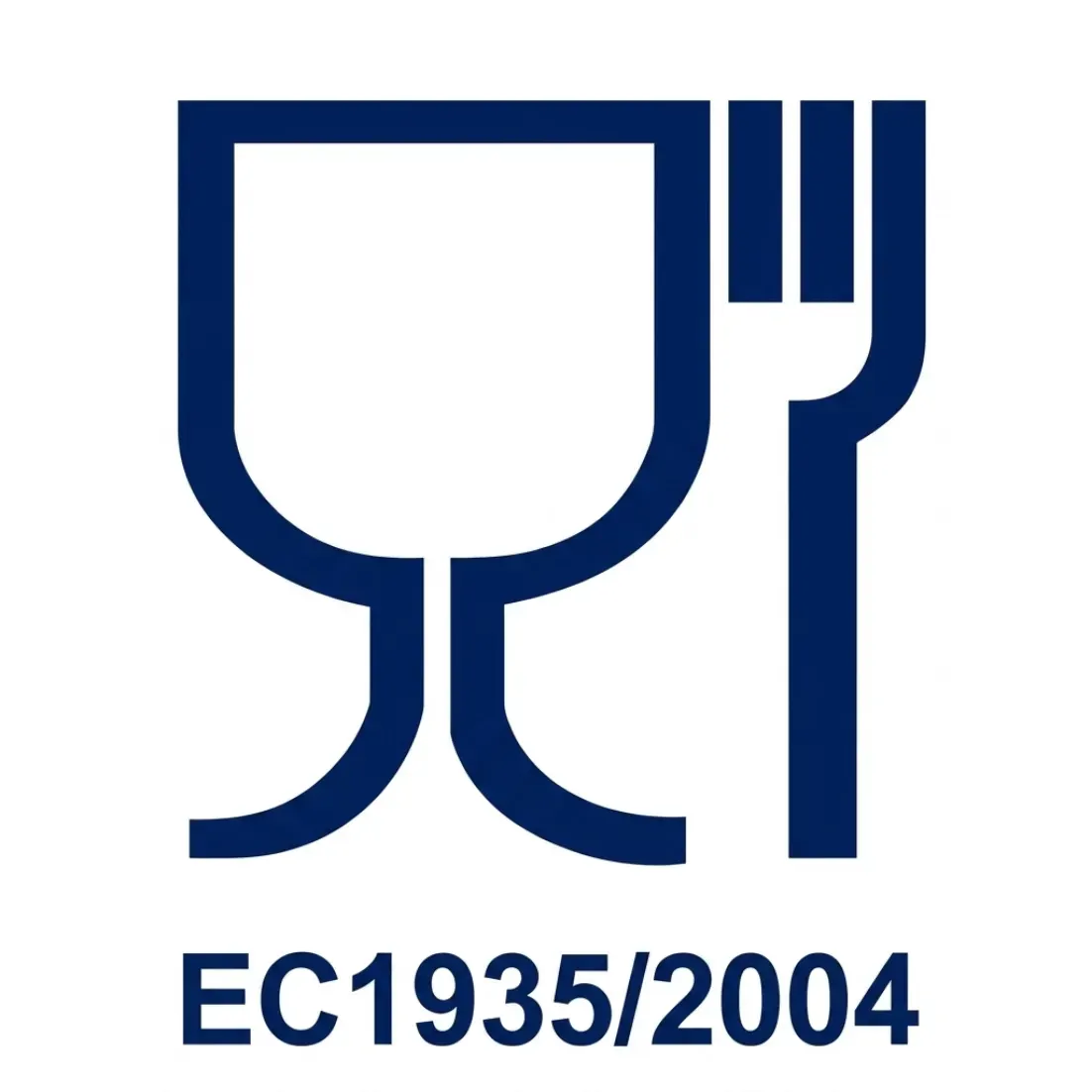
Regulation (EC) No 1935/2004 establishes general requirements for materials and articles intended to come into contact with food. The framework is designed to ensure that materials do not transfer substances to food at levels that could endanger health or cause unacceptable changes to food.
Ceramic articles are also subject to specific EU requirements concerning the migration of certain substances.
Why Are Lead and Cadmium Important in EU Ceramic Tableware?
Lead and cadmium migration testing is an important consideration for ceramic tableware sold in the EU.
The testing focuses on whether these substances can migrate from the ceramic article into food or food simulants under specified test conditions.
For manufacturers, controlling glaze formulations, pigments, firing conditions, and finished surfaces is therefore important.
What Documents Do EU Buyers Need From Suppliers?
Depending on the product and applicable requirements, buyers may need supporting documentation such as:
- Relevant laboratory test reports
- Product specifications
- Material information
- コンプライアンス関連文書
- Traceability information
Buyers should verify that documents correspond to the actual product being purchased rather than relying on unrelated certificates.
What Are the Ceramic Tableware Requirements in the UK?
The UK maintains its own food-contact regulatory framework following its departure from the EU.
UK requirements cover materials and articles intended to come into contact with food, including relevant requirements for ceramic articles.
Buyers should therefore check current UK requirements rather than assuming that EU documentation automatically covers every UK compliance obligation.
What Should UK Buyers Check Before Importing Ceramic Tableware?
UK buyers should confirm:
- Applicable food-contact requirements
- Lead and cadmium migration testing where relevant
- Product specifications
- Testing documentation
- Supplier quality controls
For products also sold in the EU, manufacturers may need to manage documentation and testing for both regulatory environments.
What Are the Ceramic Tableware Requirements in Australia and New Zealand?
Australia and New Zealand use a joint food standards framework administered by Food Standards Australia New Zealand (FSANZ).
FSANZ develops food standards covering areas including food safety and materials that may affect food. For ceramic tableware, buyers need to consider the applicable requirements for food-contact materials and potential migration of substances.
What Should Australian and New Zealand Buyers Check?
Importers should review:
- Applicable food-contact requirements
- Product materials
- Glaze and decoration
- Relevant testing
- Supplier documentation
Market-specific requirements should be confirmed before commercial production.

What Are the Ceramic Tableware Requirements in the US?
The US uses a different regulatory framework, with the Food and Drug Administration (FDA) playing a central role in food-contact safety.
The FDA regulates substances and materials that come into contact with food. Ceramic tableware therefore needs to be evaluated according to the applicable food-contact requirements for its materials and intended use.
For importers, compliance should be considered during product development rather than after the goods have already been manufactured.
What Does US Ceramic Tableware Testing Cover?
Depending on the product, testing may evaluate potential migration of substances from the finished ceramic article.
Lead and cadmium are important considerations for ceramicware, particularly where glazes, pigments, or decorative materials are involved.
The exact testing approach should be determined according to the product and applicable US requirements.
What Should US Importers Request From Manufacturers?
Importers should consider requesting:
- Product specifications
- Relevant laboratory reports
- Material and glaze information
- Food-contact suitability information
- Supporting compliance documentation
A supplier’s statement that a product is “FDA compliant” should not replace appropriate product-specific evidence.
What Are the Ceramic Tableware Requirements in Canada?
Canada has its own framework governing materials that come into contact with food.
Canadian requirements focus on food safety and the suitability of materials used with food. Depending on the product, buyers should consider potential contaminants and migration from ceramic surfaces, glazes, and decorations.
What Should Canadian Buyers Consider When Sourcing Ceramic Tableware?
Importers should confirm that the finished product and its materials are appropriate for the intended food-contact application.
Relevant testing, material information, and supplier documentation can help establish compliance and reduce sourcing risks.

Summary Table OF Ceramic Tableware Standards Across Markets
| Market | Main Regulatory Framework | Key Buyer Concern | Compliance Focus |
|---|---|---|---|
| EU | EU food-contact framework | Food-contact safety | Migration, lead and cadmium |
| 米国 | FDA framework | Food-contact safety | Food-contact substances and migration |
| UK | UK food-contact framework | Food-contact safety | Ceramic articles and migration |
| Canada | Canadian food-contact framework | Material safety | Food-contact materials and contaminants |
| Australia & NZ | FSANZ framework | Food-contact safety | Food-contact materials |
What Should Buyers Test Before Importing Ceramic Tableware?
Lead and Cadmium Migration Testing
Ceramic tableware can contain glazes or decorations that require migration evaluation. The purpose of testing is to determine whether relevant substances can migrate from the finished product under specified conditions.
This is why buyers should focus on finished-product testing, not simply ask whether the raw ceramic material contains lead or cadmium.
Glaze and Decorative Areas
Glazes, printed patterns, pigments, and other surface decorations can affect food-contact safety. If a product has multiple colors or decorative treatments, buyers should confirm that the relevant food-contact surfaces have been properly evaluated.
Physical Quality Test
Food safety testing should be combined with basic quality inspection, including:
- Surface and glaze condition
- Cracks and chips
- Dimensional consistency
- Shape and stability
- Finish quality
Does Every Ceramic Tableware Product Need the Same Tests?
Not necessarily.
Testing requirements can depend on:
- Target market
- Product type
- Food-contact application
- Ceramic composition
- グレーズ
- Decoration
- Applicable regulations
The appropriate compliance plan should be established according to the actual finished product.
How Can Kedali Help Brands Develop Ceramic Tableware for Different Markets?
Different markets may require different product specifications, testing strategies, and documentation. This makes manufacturer involvement important from the beginning of an OEM project.
Customize Ceramic Tableware for Different Markets
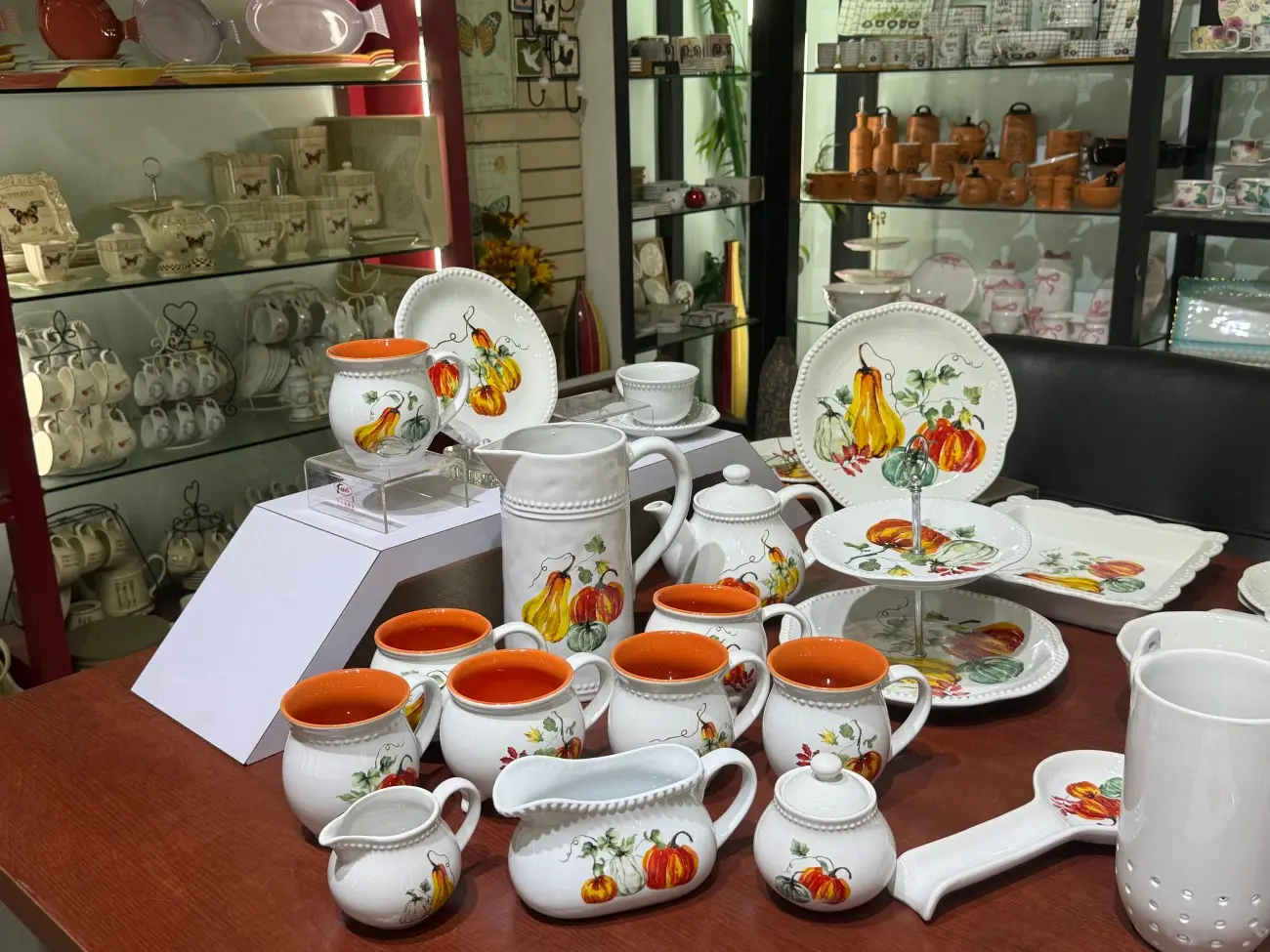
Kedali supports customized ceramic tableware development, including:
- Shapes & Sizes: Develop different dimensions for household, hospitality, retail, or gifting applications.
- Glazes & Colors: Customize surface finishes and colors to match brand identity and market preferences.
- Patterns & Logos: Add custom patterns, logos, and decorative elements for private label products.
- パッケージング: Develop packaging solutions based on retail presentation, shipping requirements, and brand positioning.
〜と協力して オーダーメイドの陶磁器食器メーカー gives brands greater control over both product appearance and specifications instead of relying entirely on ready-made products.
Wholesale Ceramic Tableware Projects
Kedali can support OEM/ODM and bulk tableware projects for brands, importers, wholesalers, and distributors.
として 陶器製食器の卸売業者, Kedali can combine product development, manufacturing, quality control, and export support for different commercial requirements. Kedali combines:
- Product development
- OEM/ODM customization
- Bulk manufacturing
- Quality control
- Packaging support
- Export support
This allows buyers to work with one manufacturing partner from initial product development through commercial production, while adapting the ceramic tableware line to their target market and brand requirements.

結論
Food safety should be considered from the beginning of a ceramic tableware project, not treated as paperwork after production. Different markets have different regulatory frameworks, so brands and importers need to identify their target markets and applicable requirements before placing bulk orders.
For manufacturers, compliance depends on more than laboratory testing. Material control, glaze management, firing consistency, finished-product inspection, and appropriate testing all contribute to reliable ceramic tableware production.
Kedali combines ceramic manufacturing, OEM/ODM customization, production quality control, and market-oriented product development to help brands develop ceramic tableware for different international markets.