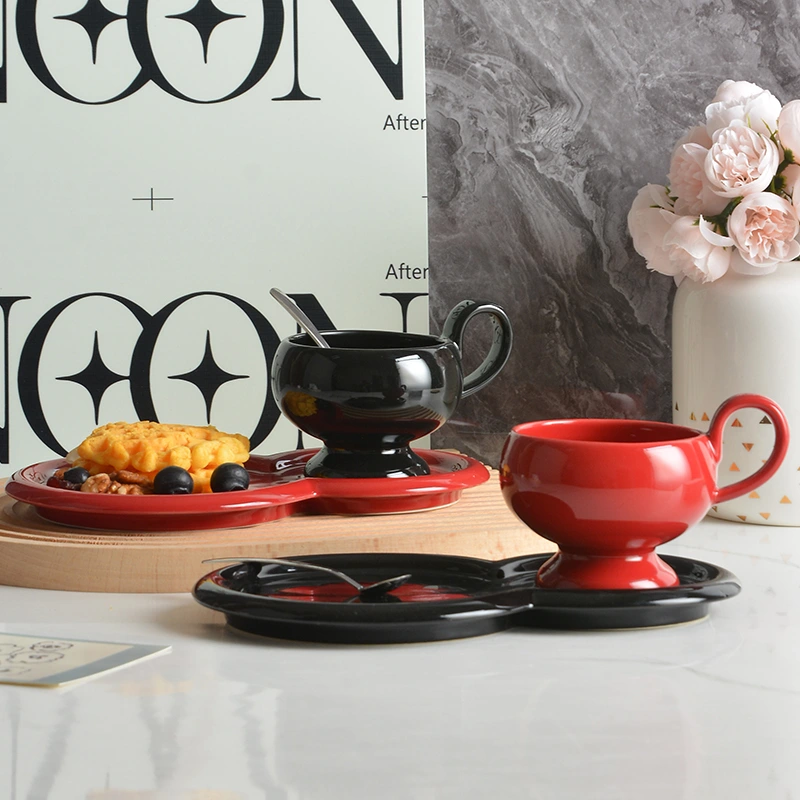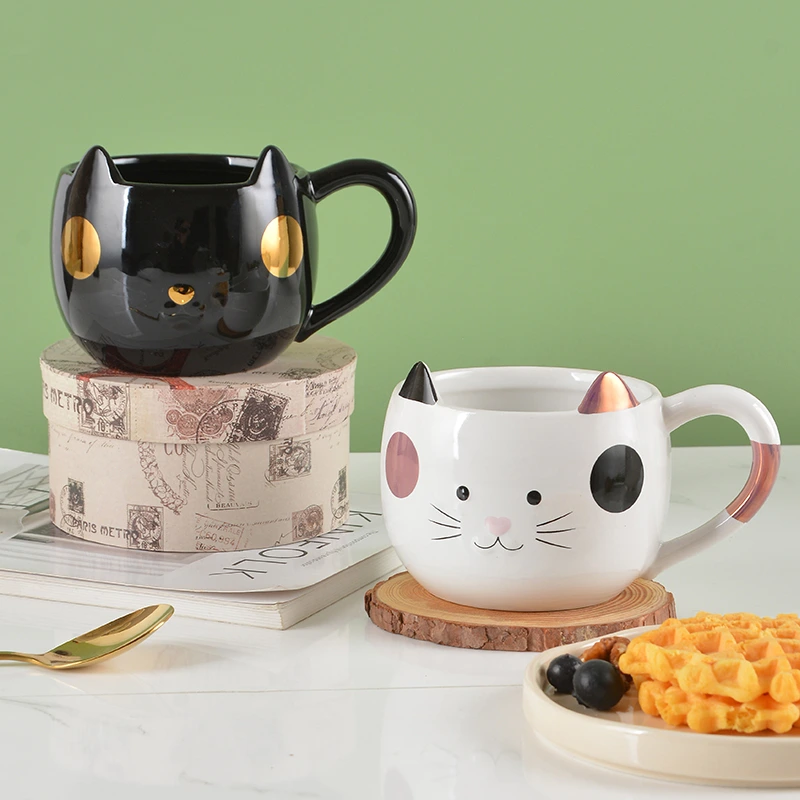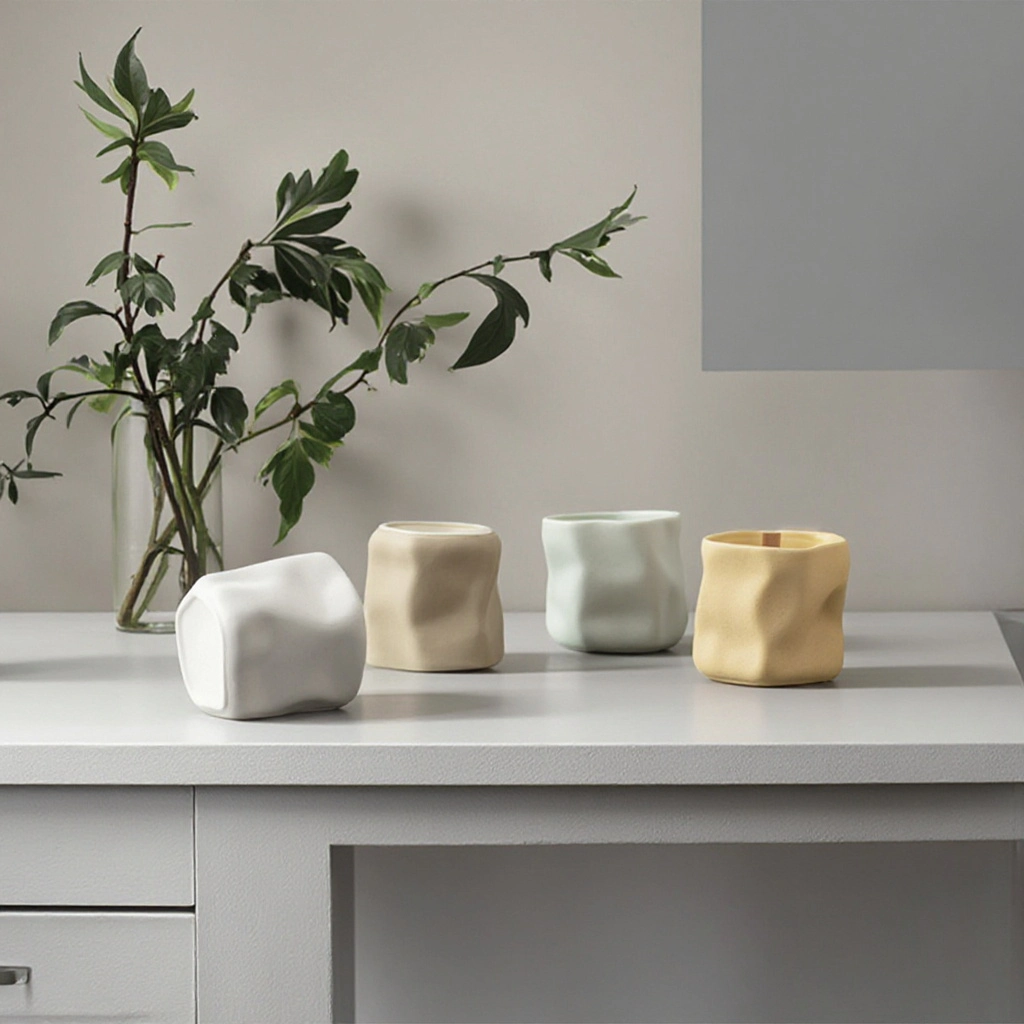
Ceramic tableware is used every day—plates, bowls, and mugs come into direct contact with hot food, liquids, and repeated washing cycles. As consumers become more aware of material safety, questions naturally arise: Can ceramic tableware release harmful substances? Are they safe for long-term use?
The key issue is often misunderstood. The answer is that properly manufactured ceramic tableware is safe for daily use.
로 세라믹 식기 제조업체, Kedali knows that the answer lies in three factors: material chemistry, high-temperature transformation, and controlled manufacturing processes. When these are properly managed, ceramic tableware becomes one of the most stable and food-safe materials available.
The Science Behind Ceramic Tableware Safety
High-Temperature Firing Creates Chemical Stability
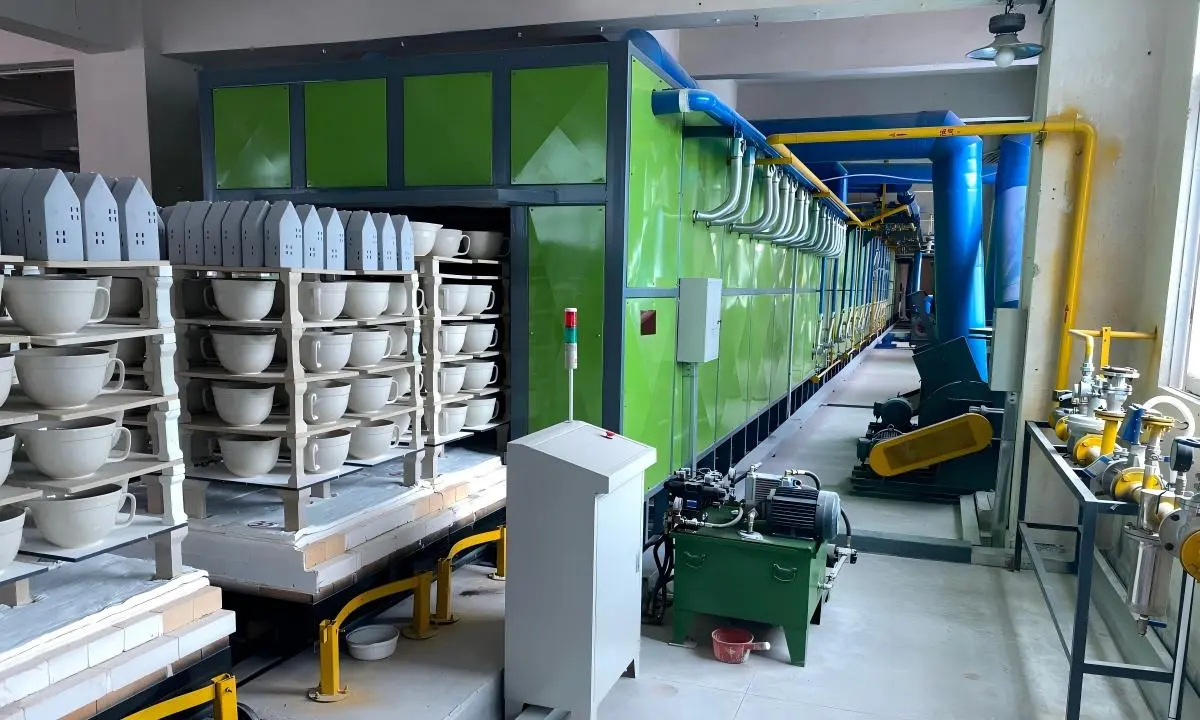
Ceramic products are fired at extremely high temperatures, typically between 1000°C and 1300°C. At this stage, raw materials such as clay, feldspar, and quartz undergo irreversible physical and chemical transformations.
This process creates a chemically inert structure, meaning the material does not react with food, liquids, or heat during normal use. Unlike plastics, which can degrade or release compounds over time, ceramics maintain stability even under high temperatures.
This is the foundation of why ceramic tableware is considered safe for daily use.
Glaze Forms a Glass-Like Protective Barrier
The glaze is the most critical component in food-contact safety. A properly formulated glaze melts during firing and forms a non-porous, glass-like surface.
This layer performs several essential functions:
- Seals the ceramic body
- Prevents absorption of liquids, oils, and bacteria
- Provides a smooth, easy-to-clean surface
When glaze formulation and firing are correct, it becomes a durable and hygienic barrier. This is a key reason ceramic tableware is widely trusted in both household and commercial food environments.
Low Porosity Prevents Contamination
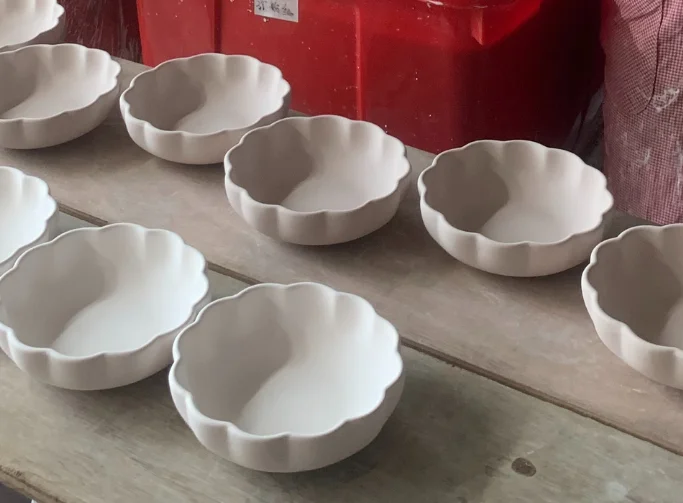
High-quality ceramic tableware has low water absorption, meaning it is dense and fully vitrified. This prevents moisture from penetrating the material.
Low porosity ensures:
- No internal bacterial growth
- No retention of food residues
- Consistent hygiene over long-term use
This is a critical advantage over lower-grade materials that may absorb moisture and degrade over time.
When Is Ceramic Tableware NOT Safe?
Ceramic tableware is not inherently risky—but it can become unsafe under poor manufacturing conditions.
The most common risk scenarios include:
- Use of lead or cadmium in low-quality glazes
- Underfired ceramics with high porosity
- Glaze defects such as crazing, pinholes, or uneven coating
- Physical damage like cracks or chips
These issues are not material flaws—they are production failures.
This distinction is important. Ceramic itself is a stable and safe material. The risk comes from a lack of quality control, not from the material category.
Safety Validation: How the Industry Proves It
Global Compliance Standards
Ceramic tableware intended for food contact must meet strict regulatory requirements. The most recognized standards include:
- 미국 식품의약국(FDA) regulations for food-contact materials
- LFGB (Germany/EU), known for stricter testing protocols
- EC 1935/2004 (EU) framework for material safety
These standards ensure that products do not release harmful substances under normal use conditions.
Migration Testing (Core Proof)
The most critical test for ceramic safety is migration testing. This process simulates real-world conditions using acidic solutions and heat to determine whether heavy metals can leach from the glaze.
Only products that pass these tests can be considered safe for food contact.
Factory-Level Quality Control
Beyond certifications, real safety depends on manufacturing discipline. Reliable producers implement:
- Strict raw material selection
- Controlled glaze formulation
- Stable kiln temperature management
- Batch traceability systems
This is why working with a qualified [ceramic tableware manufacturer] is essential. Safety is not a feature—it is the result of controlled production.
Daily Use Performance: Why Ceramic Is Practical and Safe
Heat Resistance and Thermal Stability
Ceramic tableware can safely handle high temperatures, making it suitable for hot food, oven use (depending on type), and repeated heating cycles.
Dishwasher and Chemical Resistance
High-quality glazes are resistant to alkaline detergents used in dishwashers. This ensures that the surface remains stable and does not degrade easily over time.
Microwave Compatibility
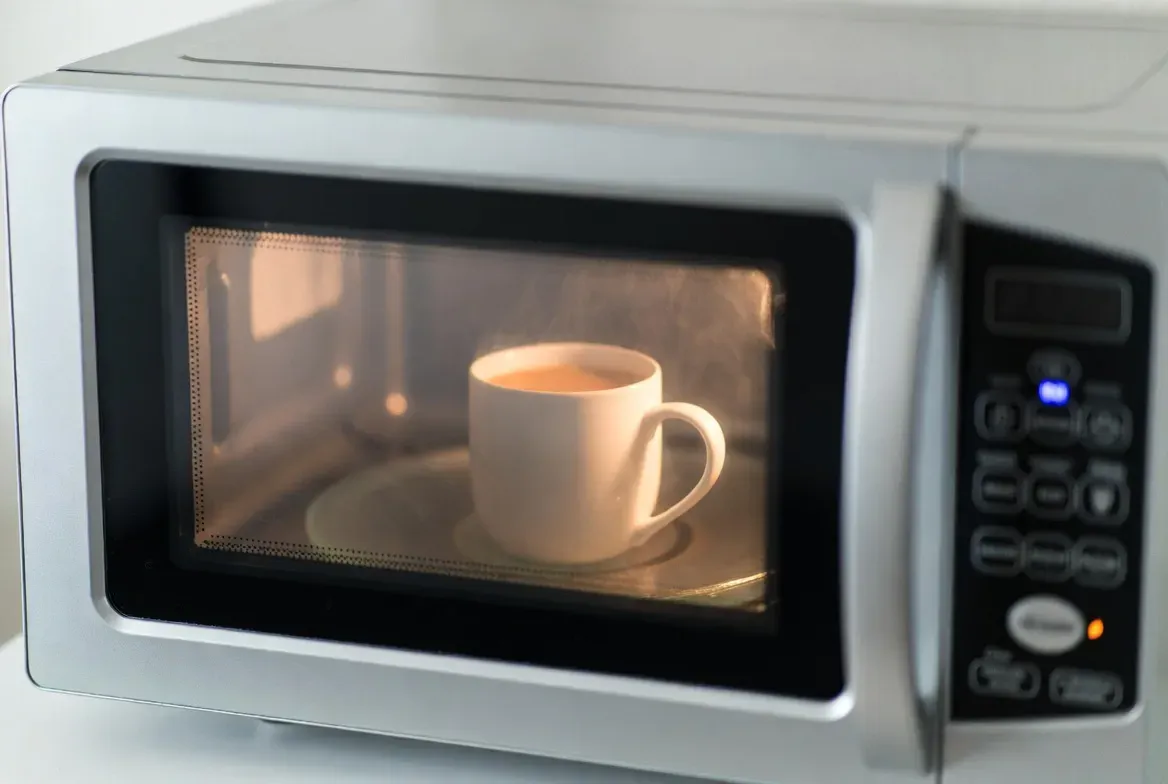
Unlike metal, ceramic does not interfere with microwave energy. Most ceramic tableware is microwave-safe as long as it does not contain metallic decorations.
Importantly, these performance factors reinforce long-term safety stability, not just initial compliance.
Common Misconceptions About Ceramic Safety
Several misconceptions distort how buyers evaluate ceramic tableware:
- “All ceramics are safe” → incorrect; manufacturing quality determines safety
- “Microwave-safe means food-safe” → these are different criteria
- “Heavier products are better” → weight has no direct correlation with safety
The correct approach is to evaluate engineering, materials, and testing, not superficial attributes.
Buyer Decision Guide: How to Ensure Safe Ceramic Tableware
For Consumers
- Look for “food-safe,” “lead-free,” or certification labels
- Avoid using damaged or chipped tableware
- Choose products from reputable brands
For B2B Buyers
For importers, wholesalers, and brand owners, the requirements are higher:
- Request migration test reports
- Verify compliance with FDA or LFGB standards
- Conduct factory audits or third-party inspections
- Approve pre-production and golden samples
A reliable [ceramic tableware supplier] should provide documentation, not just claims.
Best Practices for Safe Daily Use
Even high-quality ceramic tableware requires proper use:
- Do not use items with visible cracks or chips
- Avoid exposing products to extreme temperature changes
- Follow manufacturer guidelines for oven and microwave use
- Replace damaged tableware promptly
These practices help maintain long-term safety and performance.
Conclusion: Ceramic Is Safe — When Made Right
Ceramic tableware is widely considered safe because of its high-temperature transformation, inert structure, and protective glaze layer.
However, safety is not guaranteed by material alone. It depends on proper manufacturing, testing, and quality control.
For consumers, this means choosing certified, high-quality products. For B2B buyers, it means selecting reliable suppliers who can prove compliance and consistency.
In the end, ceramic tableware is not just safe—it is one of the most dependable materials for daily food use, when produced correctly.
자주 묻는 질문
Is ceramic tableware safe for daily use?
Yes, when properly manufactured and certified, ceramic tableware is safe for daily food contact.
Can ceramic plates contain lead?
Low-quality or uncertified ceramics may contain lead. Certified products must pass migration tests to ensure safety.
Why is ceramic considered food-safe?
Because it is chemically stable, non-reactive, and protected by a non-porous glaze layer.
Is ceramic safer than plastic or metal?
Ceramic is generally more chemically stable than plastic and does not react like some metals under acidic conditions.
How do I verify ceramic safety as a buyer?
Check certifications (FDA, LFGB), request test reports, and evaluate the manufacturer’s quality control processes.
케달리 소개
Kedali is a reliable B2B 세라믹 식기 제조업체 focused on stable supply, strict quality control, and long-term partnership support. We specialize in food-safe ceramic products that comply with global standards, ensuring safety through controlled glaze formulation, high-temperature firing, and rigorous migration testing.
With strong OEM/ODM capabilities, we provide customized ceramic tableware designs, shapes, and surface finishes to meet diverse brand requirements. Backed by consistent production systems and responsive technical support, we help B2B clients reduce sourcing risk and build scalable ceramic product lines with confidence.