Weighted ceramic pet bowls can help reduce sliding and tipping during mealtime. For dogs that nudge their bowls and cats that push dishes across the floor, a heavier bowl with a well-designed base may provide a more stable feeding experience.
However, weight alone does not guarantee stability. Bowl dimensions, base width, shape, and floor contact also influence performance.
For wholesalers, importers, retailers, and private-label brands, understanding these factors helps when evaluating ceramic pet bowls for a product range. This guide explains what makes a bowl more stable, what buyers should check, and how to assess products for wholesale sourcing.
Why Stability Matters in Pet Food and Water Bowls
Reducing Sliding During Mealtime
Lightweight bowls can move when pets push them with their noses or paws. Repeated movement may scatter dry food, spill water, and make the feeding area harder to keep clean.
A heavier ceramic bowl can be more resistant to these movements than a lightweight alternative, depending on its design and the floor surface. This makes weight a useful consideration when comparing pet feeding products.
Helping Reduce Tipping and Spills
Sliding and tipping are different problems. A bowl may resist horizontal movement but still tip if its base is narrow or its weight is poorly distributed.
A broad, balanced base can help improve stability by supporting the bowl more evenly. Combined with appropriate weight, this design may reduce accidental spills during normal feeding.
Why Stability Matters for Both Dogs and Cats
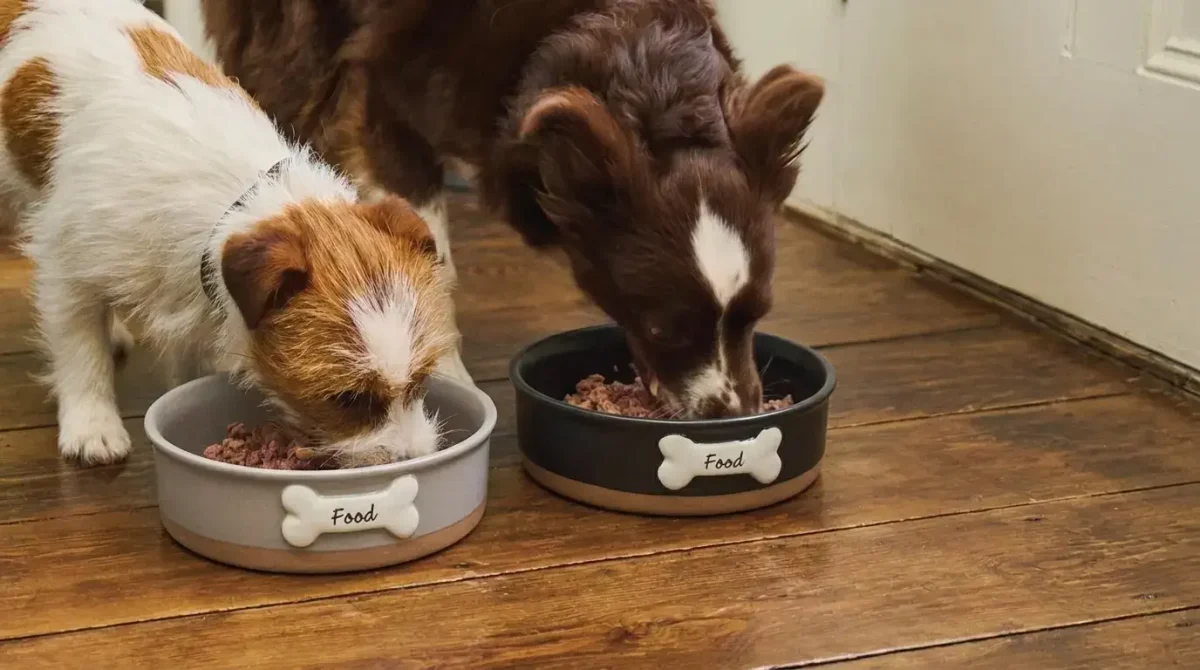
Dogs may push bowls while eating, while some cats move dishes with their paws or noses. The degree of movement depends on the individual animal, its size, and its feeding behavior.
A stable bowl can help keep food and water in place, but no bowl design can guarantee that every pet will be unable to move or overturn it.
What Makes a Ceramic Pet Bowl More Stable?
Bowl Weight and Ceramic Thickness
Weight is one factor affecting how easily a bowl moves. A heavier bowl generally requires more force to accelerate than a lighter bowl under otherwise comparable conditions.
Ceramic construction can provide substantial weight, but not all ceramic bowls are equally heavy. Their dimensions, wall thickness, shape, and overall construction influence the final weight.
For wholesale buyers, the practical approach is to check the listed product weight rather than assuming that ceramic construction automatically means a bowl is sufficiently heavy.
A Wide and Balanced Base
Base design matters alongside weight. A wider base can provide a more stable support area, while the bowl’s height and center of mass affect its resistance to tipping.
Kedali’s wide-base ceramic pet bowl is one product buyers can examine when comparing bowl proportions. Its listed specifications include a size of 20 × 20 × 6 cm and a gross weight of 0.6 kg.
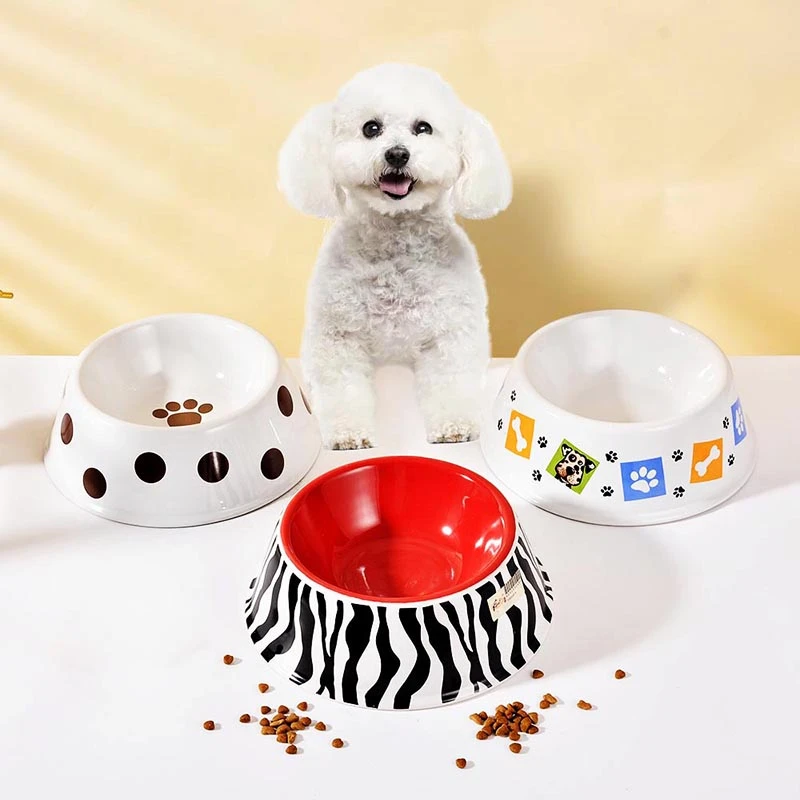
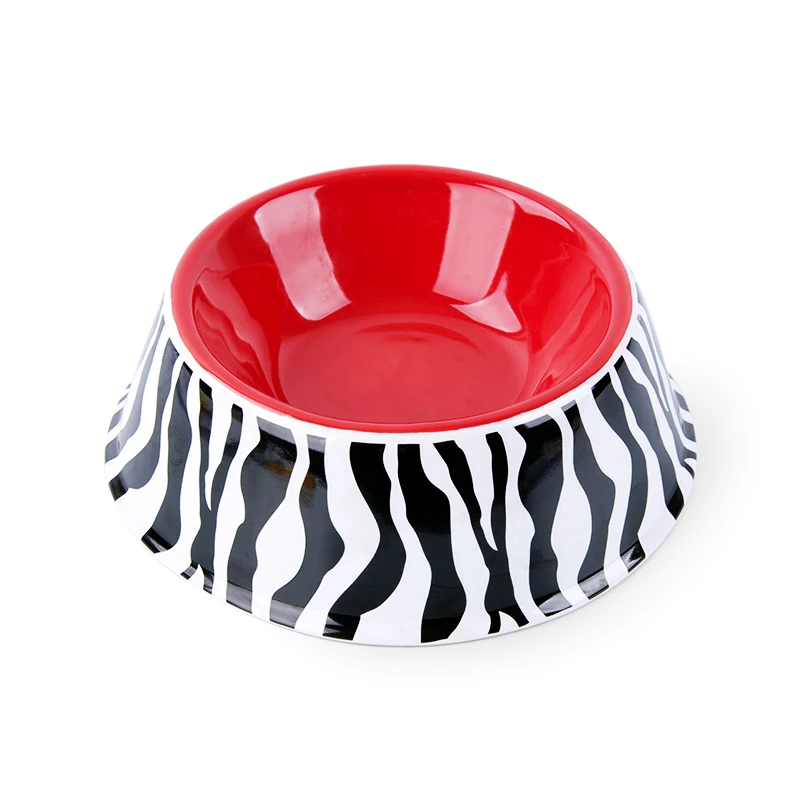
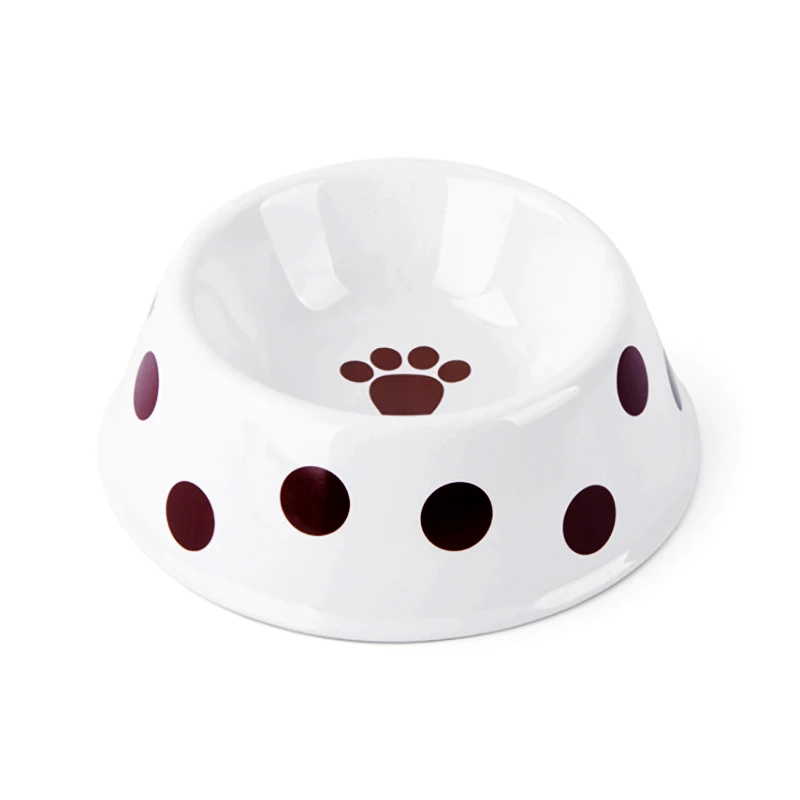
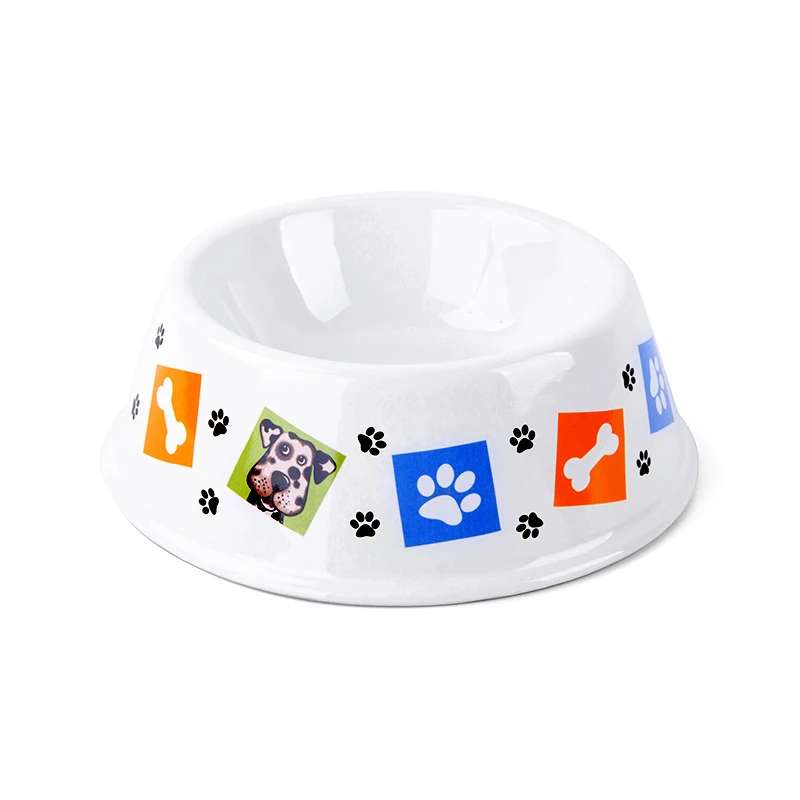
These figures provide a starting point for product comparison, but gross weight should not automatically be treated as the empty bowl’s weight. Buyers should confirm the measurement basis and evaluate the actual product before drawing conclusions about stability.
Non-Slip Features and Floor Contact
A heavy ceramic bowl is not necessarily a non-slip bowl. Weight can help resist movement, while dedicated non-slip components, where present, are intended to increase friction between the bowl and the floor.
Buyers should distinguish between these features when comparing products. Check whether the bowl has a rubber ring, non-slip pad, or another specified base component rather than inferring its presence from photographs.
The floor surface also matters. A bowl that stays relatively stable on one surface may move more easily on another.
Are Weighted Ceramic Pet Bowls Suitable for Dogs and Cats?
Choosing a Bowl for Dogs
When selecting a ceramic dog bowl, consider the dog’s size, feeding behavior, and typical food or water intake. Larger dogs may need greater capacity, while dogs that push their bowls around may benefit from a heavier design and a broader base.
Check the bowl’s diameter, depth, and overall proportions. A bowl that is too small may not meet the dog’s needs, while one that is unnecessarily deep or difficult to access may be unsuitable for some pets.
Choosing a Bowl for Cats
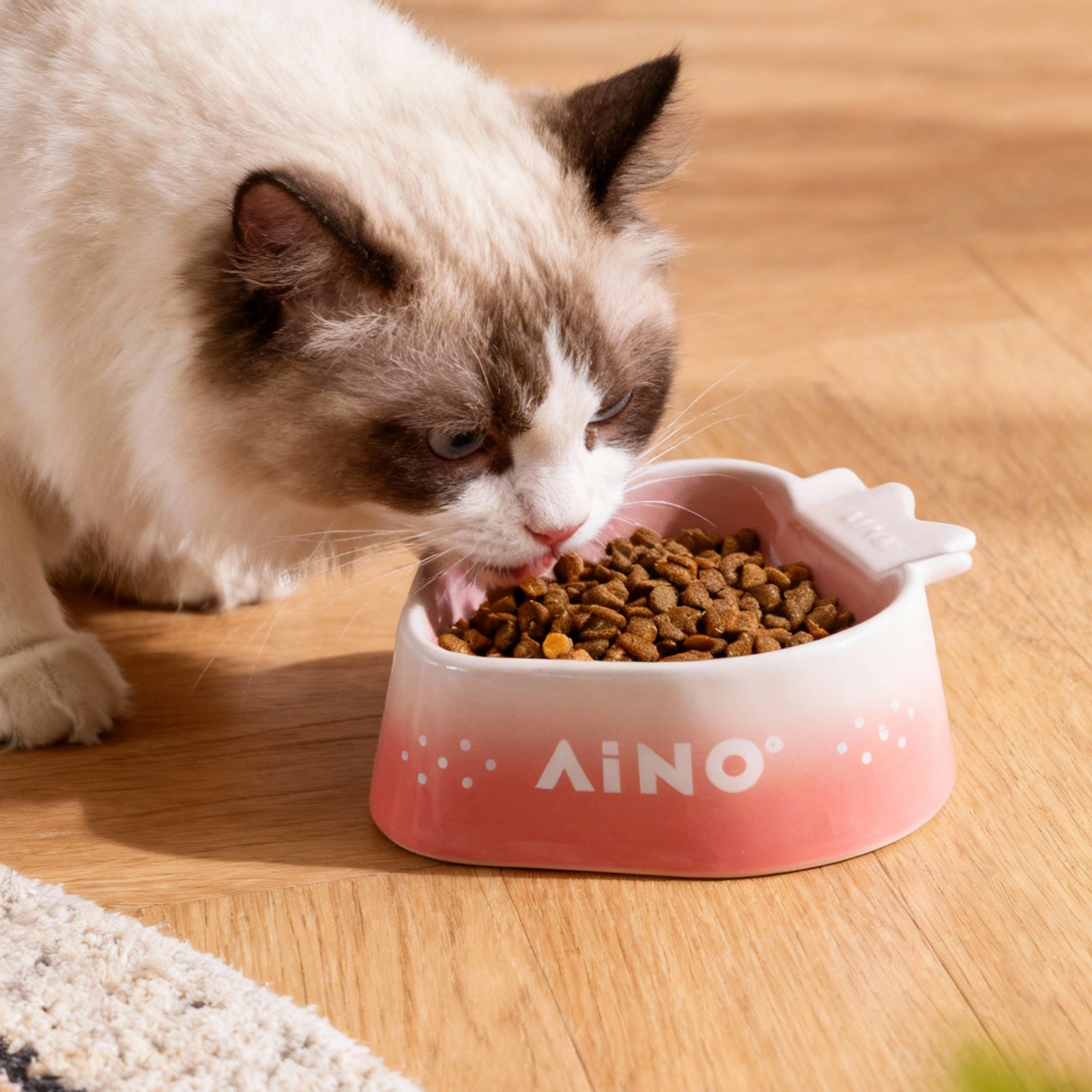
Ceramic bowls can also suit cats, provided their dimensions and shape match the animal’s needs. Pay attention to the opening diameter, depth, and ease of access rather than choosing by weight alone.
For cats that tend to move their dishes, a heavier bowl may help reduce sliding. However, the bowl should remain comfortable to use and easy to clean.
Match Bowl Dimensions to the Pet
Size labels such as small, medium, and large are not consistent across suppliers. Buyers should compare actual dimensions and capacity when evaluating products.
Kedali’s 도매용 세라믹 반려동물 사료 그릇 provide a starting point for reviewing available designs and sizes. Confirm the specifications of each product before deciding which options fit the intended customer segment.


Stability Is Important, but Buyers Should Check Other Product Factors
Glaze and Ease of Cleaning
The glaze and surface finish affect a bowl’s appearance and everyday maintenance. Buyers should inspect the surface for visible defects and confirm the manufacturer’s cleaning instructions.
For wholesale orders, request relevant product documentation when food-contact safety or specific compliance requirements apply. Do not assume that a product meets a particular standard without supporting documentation.
Durability and Breakage Risk
Ceramic bowls are rigid but can chip or break when dropped or struck. A heavier bowl may resist some movement, but its weight does not make it impact-proof.
Wholesale buyers should assess sample quality, inspect the rim and glaze, and consider protective packaging for transportation. Damaged bowls should be replaced if cracks or chips could compromise safe use.
Appearance and Retail Positioning
Color, shape, and decorative patterns influence how ceramic pet bowls fit into a retailer’s product range. Minimalist designs may suit one collection, while colorful or patterned bowls may suit another.
Appearance should complement functional requirements rather than replace them. Buyers should first confirm dimensions, weight, base design, and product quality before choosing a design for their catalog.
What Wholesale Buyers Should Evaluate When Sourcing Ceramic Pet Bowls
Verify Weight, Dimensions, and Capacity
Request clear specifications for each product, including:
- Product weight: Confirm whether the figure refers to the empty bowl or the packaged product.
- Dimensions: Check diameter, height, and base measurements.
- Capacity: Verify the stated volume where available.
- Product configuration: Confirm whether accessories or non-slip components are included.
Accurate specifications make it easier to compare suppliers and prepare reliable product listings.
Check the Base Design and Product Sample
Photographs can help buyers shortlist products, but samples provide a better basis for evaluating construction and finish.
Where practical, test samples on representative floor surfaces and observe whether they move during normal handling. Check the base for unevenness and verify any claimed anti-slip features.
Avoid relying on descriptions such as “heavy-duty” or “stable” without reviewing the actual design and available specifications.
Confirm Quality, Packaging, and Order Requirements
Before placing a bulk order, discuss the following with the supplier:
| Item | What to Confirm |
|---|---|
| Product quality | Glaze finish, dimensions, visible defects, and consistency |
| 포장 | Individual protection and carton arrangement |
| Order quantity | MOQ and available product quantities |
| Production | Lead time and sample approval process |
| Compliance | Applicable documentation for the destination market |
These checks help buyers evaluate the complete sourcing arrangement rather than focusing only on the unit price.
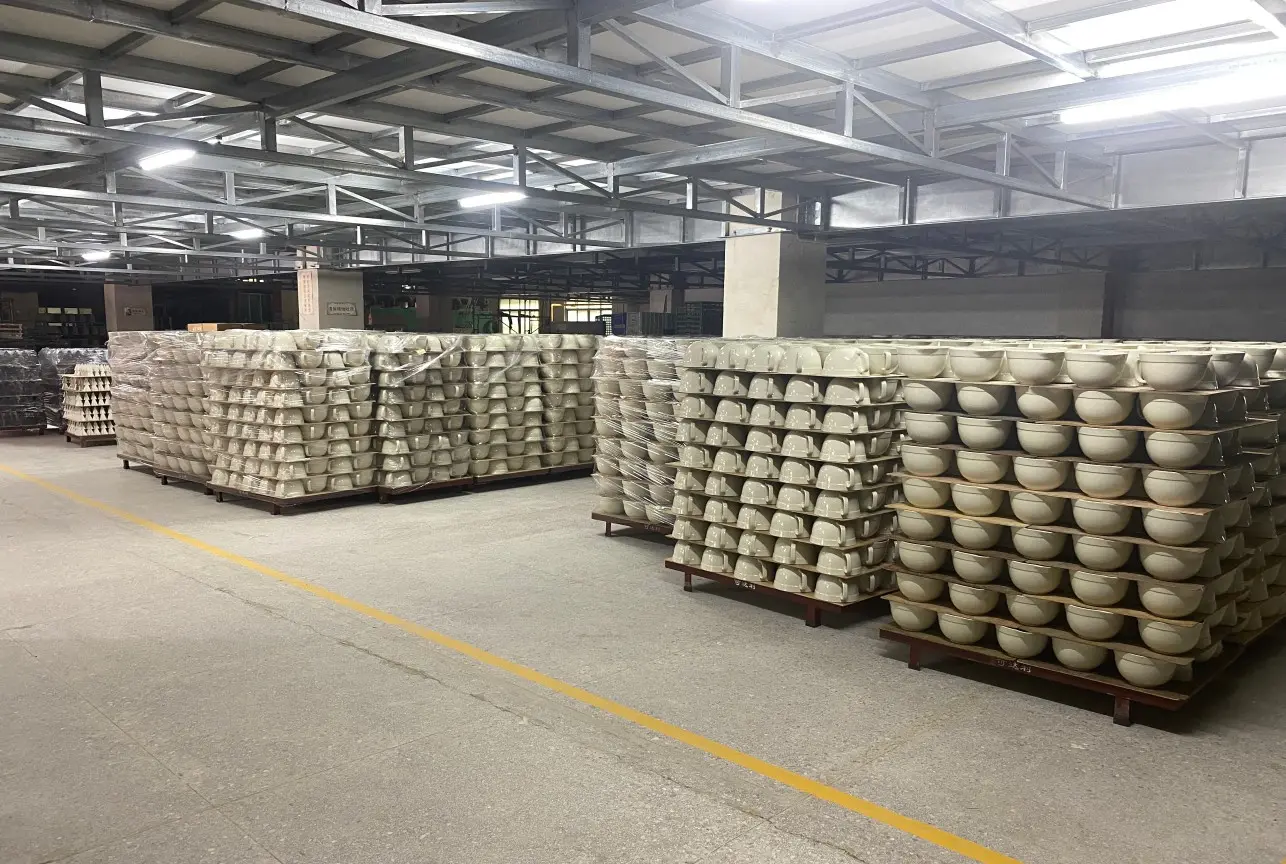
Custom Weighted Ceramic Pet Bowls for Wholesale and Private-Label Brands
Some buyers need ceramic pet bowls that match a particular brand identity, product range, or retail positioning. Depending on feasibility, customization may involve dimensions, shapes, colors, decorative patterns, logos, or packaging.
For stability-focused products, design changes should be evaluated carefully. A new shape or altered base may affect the bowl’s proportions and performance, so buyers should review samples before confirming production.
Kedali offers a custom ceramic product service for buyers exploring customized products. When making an inquiry, provide the intended bowl dimensions, target weight if relevant, design references, estimated order quantity, and destination market.
Clear requirements help establish whether the proposed design is feasible and what further development or sampling may be needed.
결론
Weighted ceramic pet bowls can help reduce sliding and spills during mealtime, but stability depends on more than weight alone. Base width, bowl shape, dimensions, and floor contact all influence performance. Choosing the right bowl means balancing these factors with the pet’s size and feeding habits to create a more stable and practical feeding experience.
자주 묻는 질문
Are weighted ceramic pet bowls better than lightweight bowls?
Weighted ceramic bowls may be less likely to move during feeding because their greater mass can resist movement. However, performance also depends on base design, floor surface, and pet behavior. A heavier bowl is not automatically the better choice for every animal.
Do heavier ceramic pet bowls prevent tipping?
No. Greater weight may reduce the likelihood of tipping under some conditions, but the bowl’s base width, height, shape, and weight distribution also matter. No design can guarantee that every pet will be unable to overturn a bowl.
Are ceramic pet bowls suitable for both dogs and cats?
Yes, ceramic bowls can suit both dogs and cats when their size, depth, capacity, and design match the individual animal. Buyers should evaluate the actual dimensions rather than relying solely on general size labels.