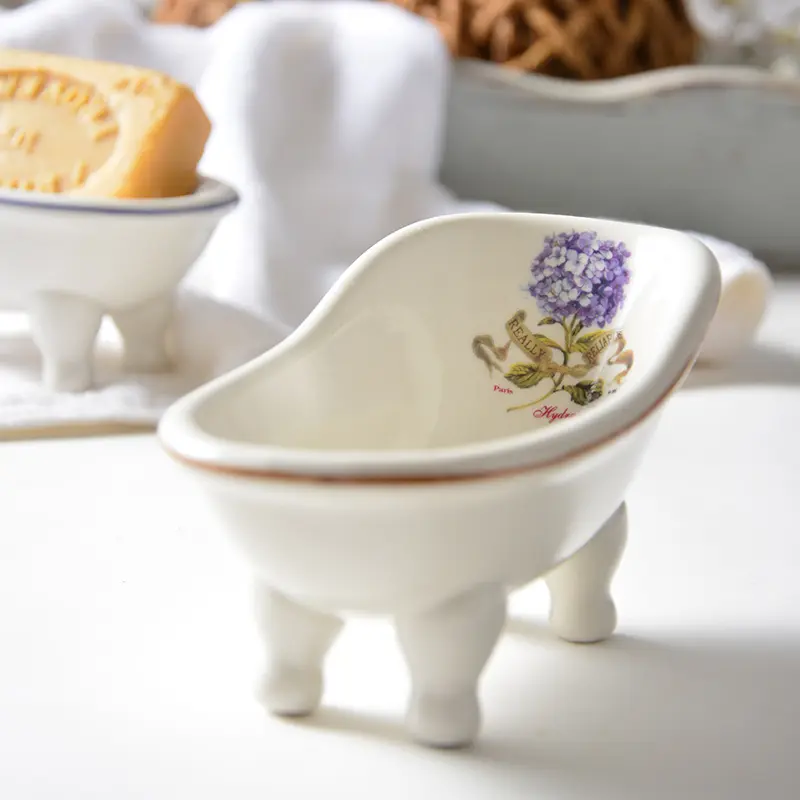
전문 외식 서비스에서 식기는 종종 배경 소품으로 취급됩니다. 하지만 실제로는 음식의 품질, 고객 인식, 브랜드 포지셔닝에 직접적인 역할을 합니다. 스테인리스 스틸은 많은 운영 환경에서 여전히 일반적입니다, 세라믹 식기 는 고객 경험을 우선시하는 레스토랑, 호텔, 다이닝 컨셉에 분명한 이점을 제공합니다.
이 기사에서는 도매 세라믹 식기 제조업체, 에서는 세라믹 식기가 고객을 대면하는 식품 서비스 환경에서 장기적으로 더 높은 가치를 지속적으로 제공하는 이유를 설명합니다.
식기류는 더 이상 단순한 비용 항목이 아닙니다.
예전에는 많은 운영자가 가장 내구성이 뛰어나고 위험이 가장 낮은 옵션을 선택하는 간단한 방식으로 식기를 결정했습니다. 하지만 지금은 상황이 달라졌습니다.
모던 다이닝 브랜드가 경쟁합니다:
- 프레젠테이션 품질
- 편안한 식사
- 시각적 아이덴티티 및 소셜 미디어 호소력
이러한 맥락에서, 세라믹 식기 는 단순한 재료 선택이 아닙니다. 주방의 결과물을 고객의 인식과 연결하는 전체 다이닝 시스템의 일부입니다.
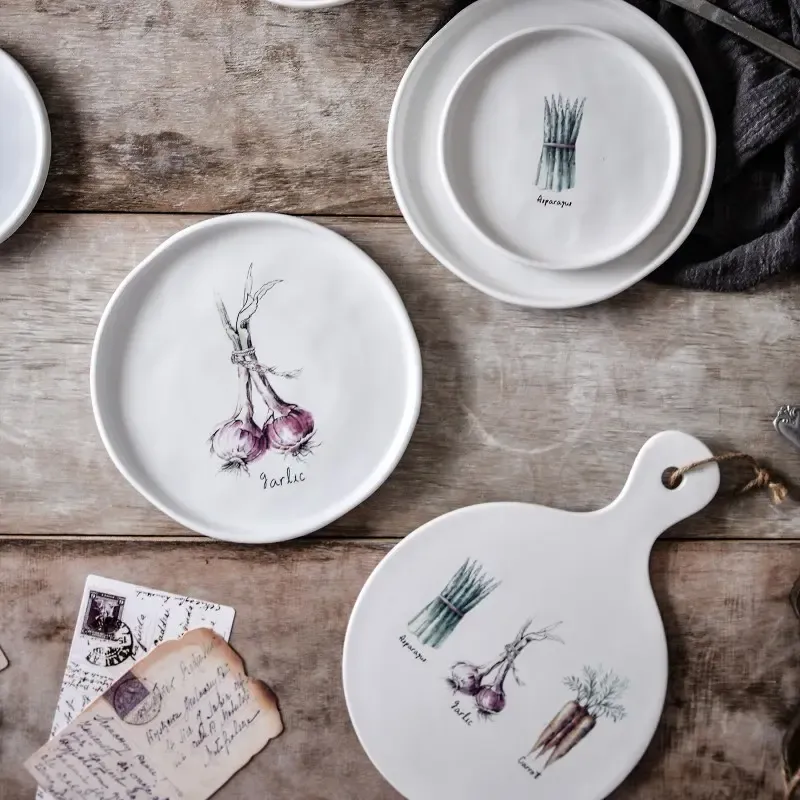
보온성: 식품 품질에 직접적인 영향
가장 실용적인 장점 중 하나는 세라믹 식기 는 열 성능입니다.
세라믹은 예열이 제대로 된 경우 얇은 금속보다 열 질량이 높습니다. 도금하는 동안 열을 흡수하고 테이블에서 천천히 방출합니다. 이는 일상적인 서비스에서 중요합니다:
- 뜨거운 요리는 더 오래 뜨겁게 유지
- 소스가 응고되지 않고 유동적으로 유지됩니다.
- 치즈 기반 또는 레이어드 요리의 식감 유지
반면 스테인리스 스틸은 열을 빠르게 전달하고 마찬가지로 빠르게 식습니다. 특히 풀서비스 레스토랑과 같은 접시 서비스의 경우 몇 분 안에 음식의 품질에 부정적인 영향을 미칠 수 있습니다.
레스토랑 운영의 관점에서 세라믹은 맛이나 식감의 저하 없이 더 넓은 서비스 창을 제공합니다.
고객 경험 및 브랜드 인지도
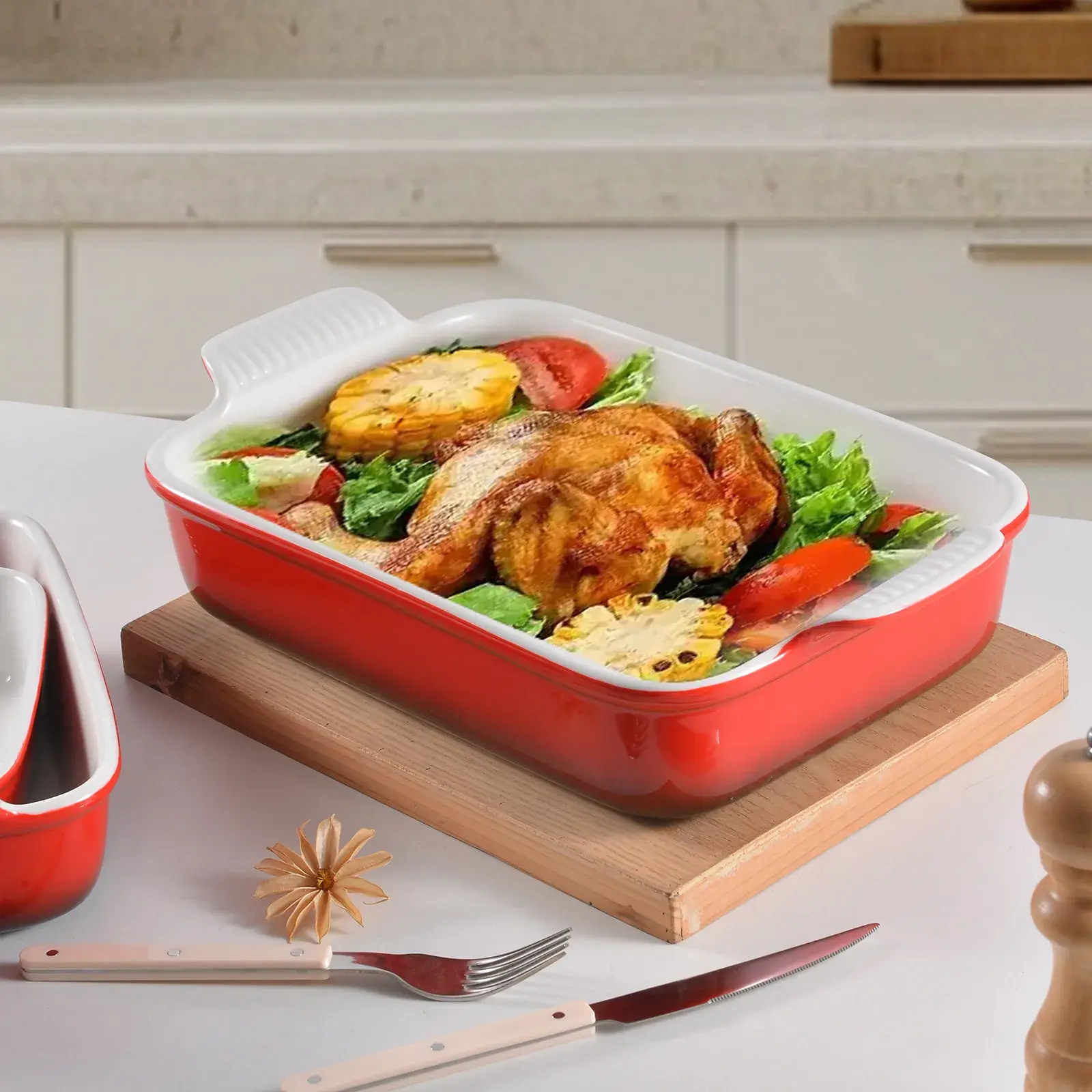
스테인리스 스틸이 기능을 전달하는 곳, 세라믹 식기 의도를 전달합니다.
세라믹은 허용합니다:
- 풍부한 유약 색상과 마감
- 도금을 향상시키는 시각적 대비
- 견고하고 안심할 수 있는 그립감
이러한 디테일은 고객이 음식을 한 입 먹기도 전에 음식의 품질을 판단하는 데 영향을 미칩니다. 프리미엄 및 중간 규모 식당에서 세라믹 접시와 그릇은 주방을 넘어 장인 정신이 깃든 음식이라는 메시지를 강조합니다.
프레젠테이션, 스토리텔링 또는 시각적 일관성에 의존하는 브랜드의 경우 세라믹 식기류는 브랜드 언어의 일부가 됩니다.
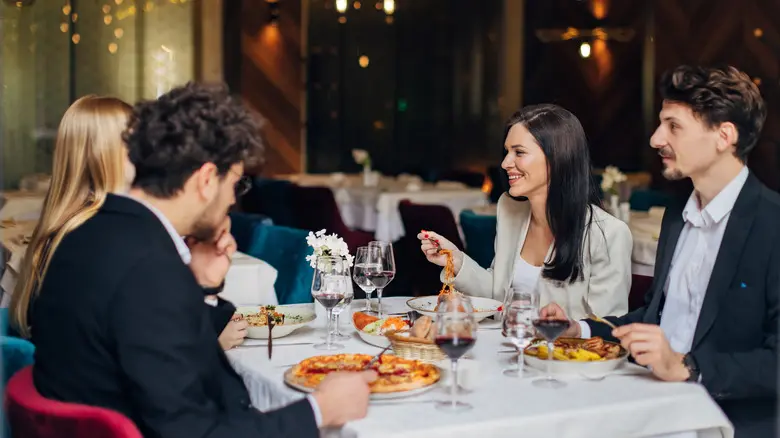
소음, 무게 및 식사 편의성
운영 효율성도 중요하지만 식사 편의성도 간과해서는 안 됩니다.
스테인리스 스틸은 쌓고, 치우고, 서빙할 때 눈에 띄는 소음이 발생합니다. 분주한 식당에서는 더 열악한 음향 환경을 조성합니다.
세라믹 식기 는 두 가지 이점을 제공합니다:
- 작동 중 청소 프로세스가 더 조용해집니다.
- 테이블 위에 접시를 안정적으로 올려놓을 수 있는 무거운 무게
이러한 요소는 미묘한 요소이지만, 특히 호텔, 카페, 풀서비스 레스토랑에서 더 차분하고 편안한 식사 경험을 제공하는 데 기여합니다.
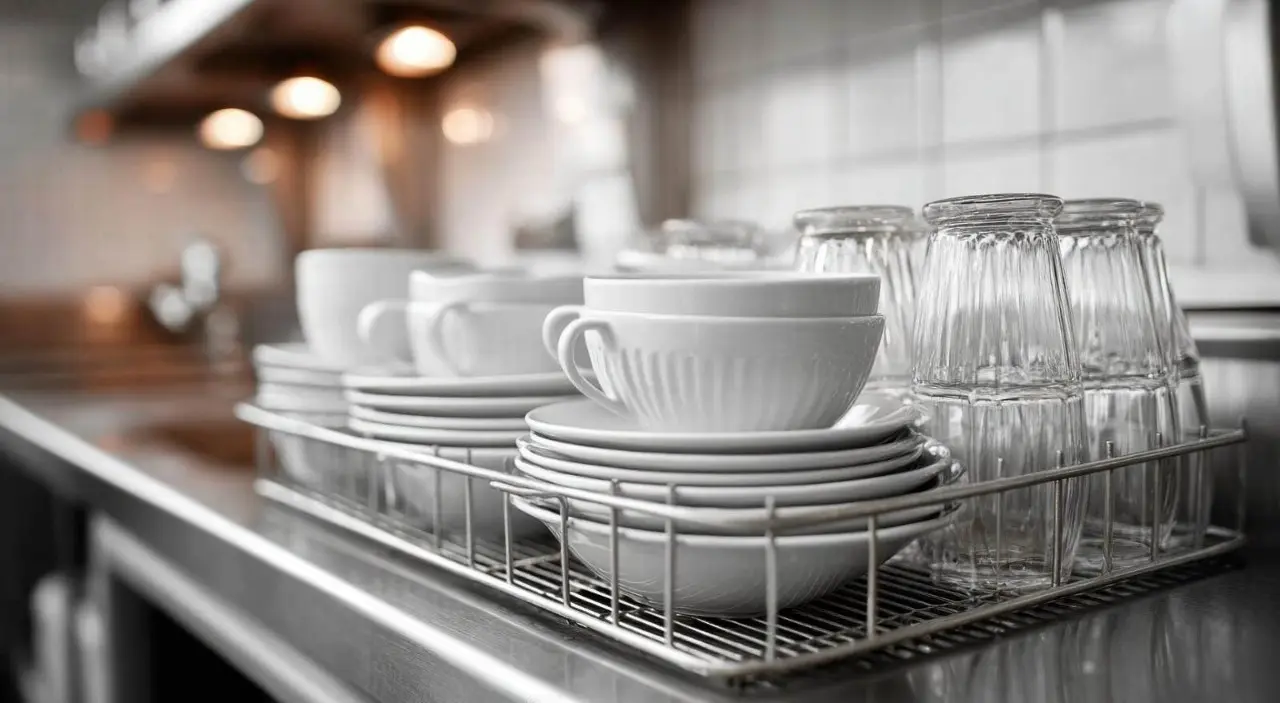
위생 및 식품 안전: 외관도 중요합니다
스테인리스 스틸은 종종 위생에 대한 찬사를 받곤 하는데, 이는 당연한 일입니다. 하지만 제대로 제조된 세라믹 식기 는 외식 서비스 환경에서도 뛰어난 성능을 발휘합니다.
검증된 고품질 세라믹 식기 기능:
- 완전 유약 처리된 비다공성 표면
- 소스, 오일 및 산으로 인한 얼룩에 대한 내성
- 상업용 식기 세척기와의 호환성
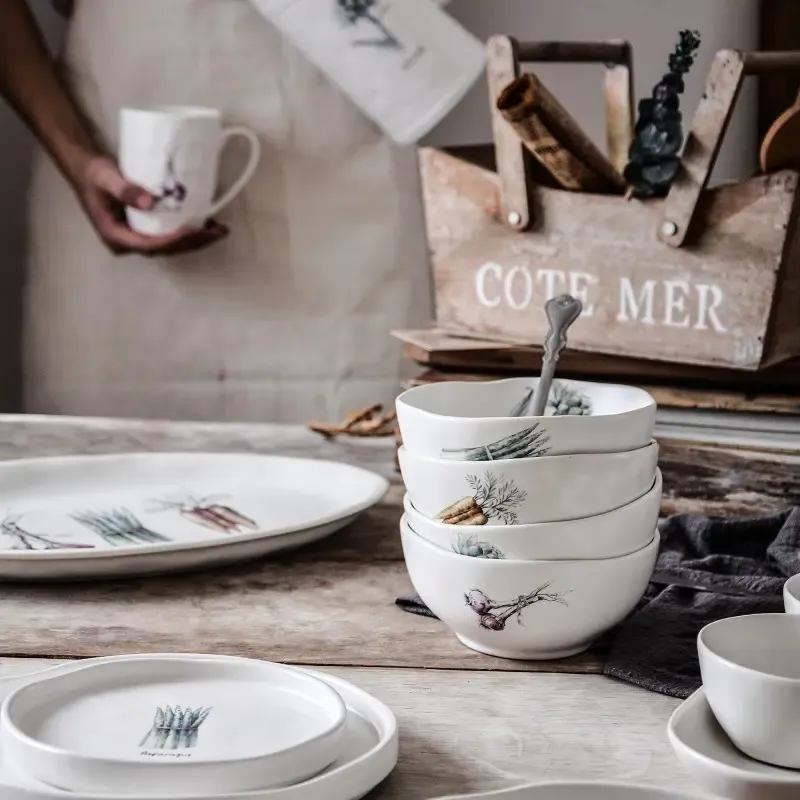
비용 분석: 단가 대 비즈니스 가치
초기 단가는 스테인리스 스틸이 유리합니다. 장기적인 가치는 종종 세라믹을 선호합니다.
조달 팀이 평가할 때
- 메뉴 가격 책정 가능성
- 게스트 만족도 및 후기
- 시각적 마케팅 가치(사진, 소셜 미디어)
세라믹 식기 는 전반적인 수익률이 더 높은 경우가 많습니다. 요리당 인지 가치를 높이고 브랜드 일관성을 강화하여 매출에 직접적인 영향을 미치는 결과를 얻을 수 있습니다.
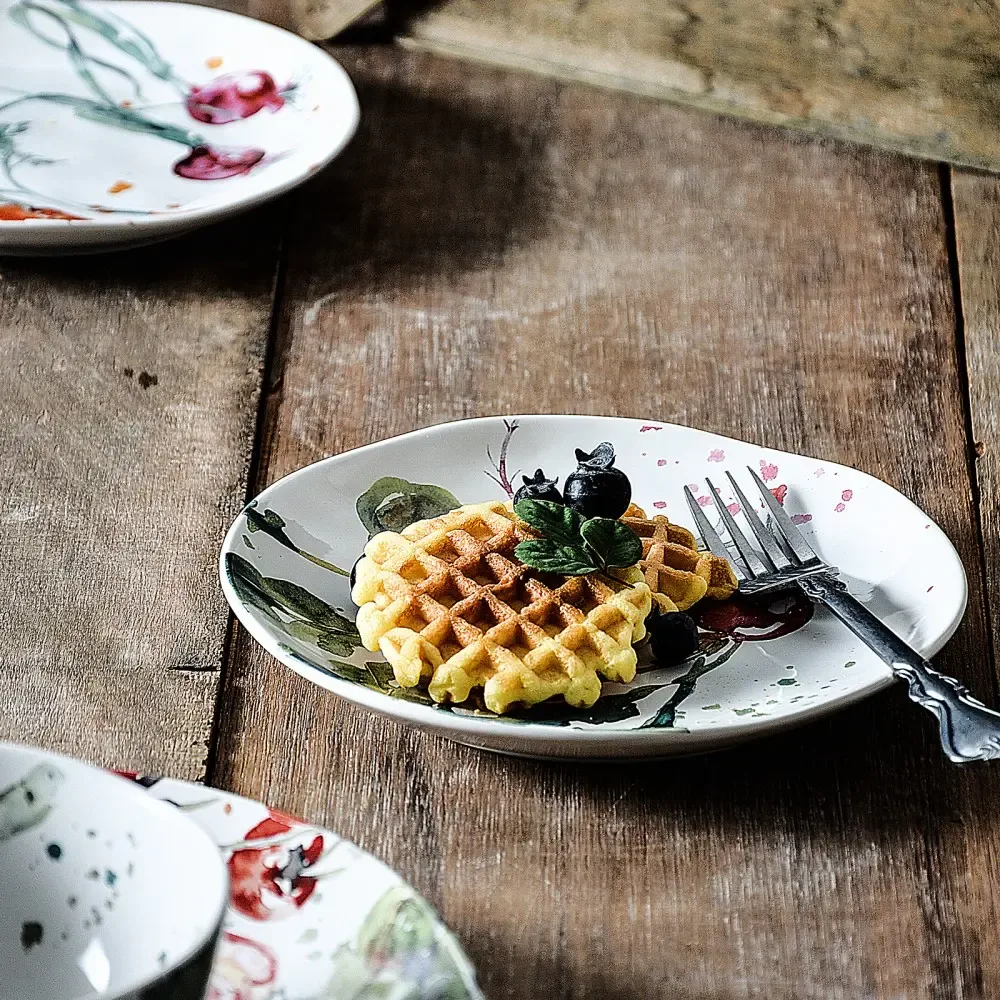
지속 가능성 및 브랜드 연계
세라믹은 불활성이며 오래 지속되는 소재입니다. 코팅이 없고 미세 플라스틱을 방출하지 않으며 자연 또는 장인의 브랜드 스토리와 잘 어울립니다.
품질, 수명, 책임감 있는 소싱을 중심으로 포지셔닝하는 외식 브랜드에 적합합니다, 세라믹 식기 는 기능적 목표와 마케팅 목표를 모두 지원합니다.
식품 서비스 구매자를 위한 실용적인 권장 사항
세라믹의 가치를 극대화합니다:
- 식품 접촉 규정 준수 및 유약 테스트 지정
- 세라믹 사용량을 고객 대면 서비스에 맞추기
- 식사 공간용 세라믹과 백하우스 업무용 스테인리스 스틸의 결합
- 상업용 소성 및 포장 표준을 이해하는 공급업체와 협력하세요.
빠른 요약 표
| Aspect | 스테인리스 스틸 | 세라믹 식기 |
|---|---|---|
| 소재 느낌 | 가볍고, 차갑고, 순전히 기능적인 | 견고하고 따뜻하며 손에 잡히는 프리미엄 |
| 보온성 | 빠른 가열 및 냉각 | 높은 열 질량으로 음식을 더 오래 따뜻하게 유지 |
| 음식 프레젠테이션 | 실용적이고 제도적인 모습 | 도금 및 시각적 매력 향상 |
| 브랜드 인지도 | 실용적이고 비용 중심적인 | 프리미엄 및 경험 중심 브랜드 지원 |
| 서비스 중 소음 | 눈에 띄는 금속 소리 | 더 조용한 핸들링, 더 차분한 식사 환경 |
| 테이블 안정성 | 가볍고 미끄러지거나 기울이기 쉬움 | 테이블 위에서 더 무겁고 안정적으로 |
| 위생 및 식품 안전 | 비다공성, 살균이 용이함 | 유약, 비다공성, 잘 만들면 얼룩에 강함 |
| 시간 경과에 따른 내구성 | 찌그러짐과 긁힘이 그대로 보입니다. | 실제 칩핑까지 외관 유지 |
| 비용 구조 | 낮은 단가, 손실 내성 | 더 높은 단가, 더 강력한 수명주기 ROI |
| 가장 적합한 사용 사례 | 사내, 구내 식당, 영향력이 큰 구역 | 높은 열 질량으로 음식을 더 오래 따뜻하게 유지 |
결론
스테인리스 스틸은 순수하게 기능적인 환경에서는 여전히 유용합니다. 하지만 고객을 대면하는 식품 서비스 운영의 경우, 세라믹 식기 는 보온성, 프레젠테이션, 식사 편의성, 브랜드 인지도 면에서 확실한 이점을 제공합니다.
라이프사이클과 경험 중심의 렌즈를 통해 평가할 때, 세라믹은 깨지기 쉬운 사치가 아니라 음식의 품질과 고객 만족을 위한 전략적 투자입니다.
케달리 소개
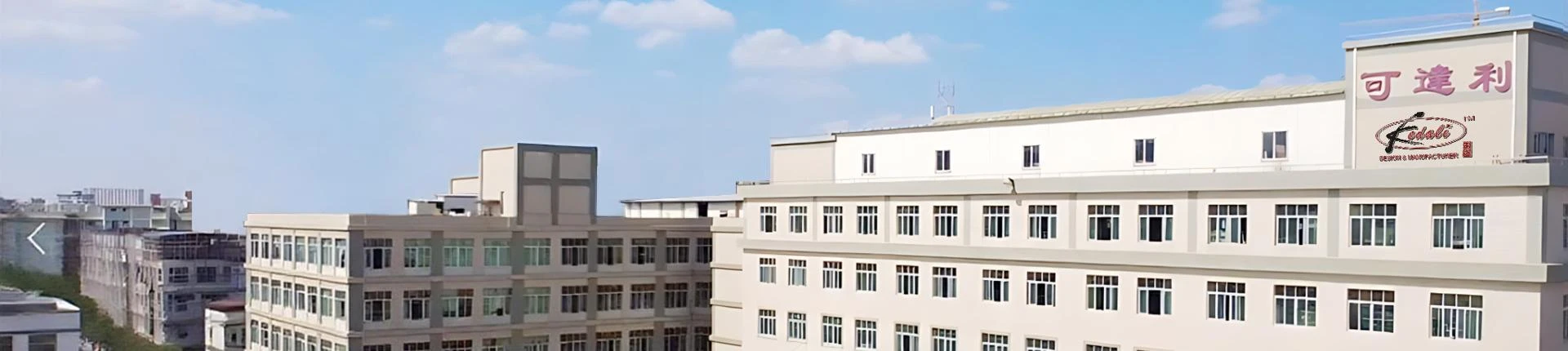
케달리는 전문 세라믹 식기 공장. 검증된 프리미엄 도자기를 생산하기 위해 최선을 다하고 있습니다. 또한 다음을 제공할 수 있습니다. 도자기 식기 도매 공급 그리고 맞춤형 세라믹 식기 솔루션 글로벌 고객을 위해.
“케달리” 브랜드 설립 이후 “미국 수출 생활도자기 인증”, “품질보증센터 품질경영시스템 인증”, “디자인 특허 인증” 등 수많은 명예 인증서를 받았습니다.”
이러한 성과는 당사가 신뢰할 수 있는 기업임을 입증했습니다. 도자기 식기 및 주방용품 제조업체.