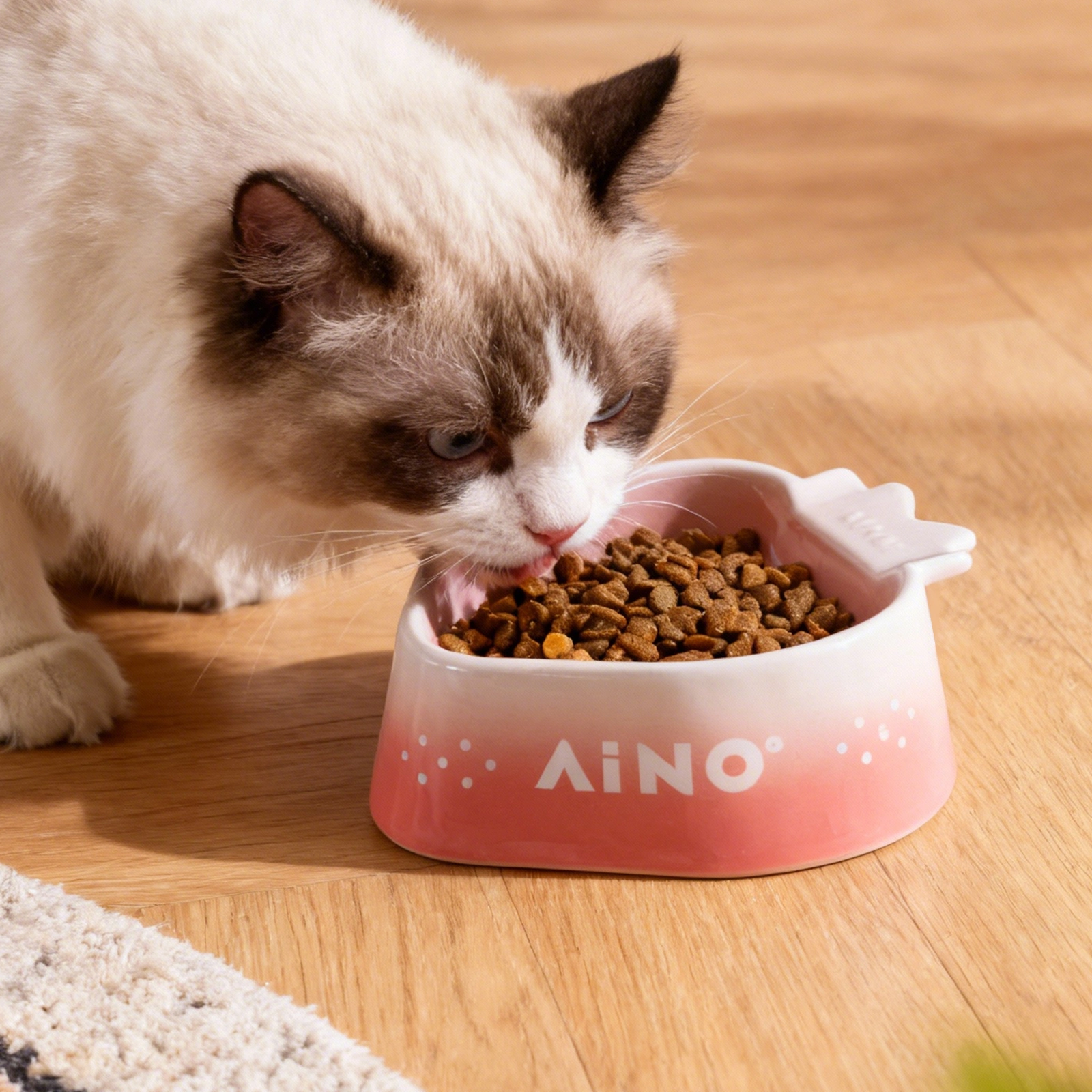
É insuficiente e tardio julgar uma taça de cerâmica para animais de estimação pelo seu aspeto quando se trata de marcas, distribuidores e equipas de compras que as selecionam para fins comerciais. A margem de lucro a longo prazo e o ’passa-a-palavra" dos clientes serão prejudicados por um produto de baixa qualidade.
Aqui, Kedaili, um fabricante líder de cerâmica de uso diário, A empresa B2B, Inc., apresenta-lhe um guia prático, orientado para a inspeção, que abrange os sinais técnicos, os testes e o controlo dos fornecedores em que os compradores B2B devem insistir antes de efectuarem uma encomenda em massa.
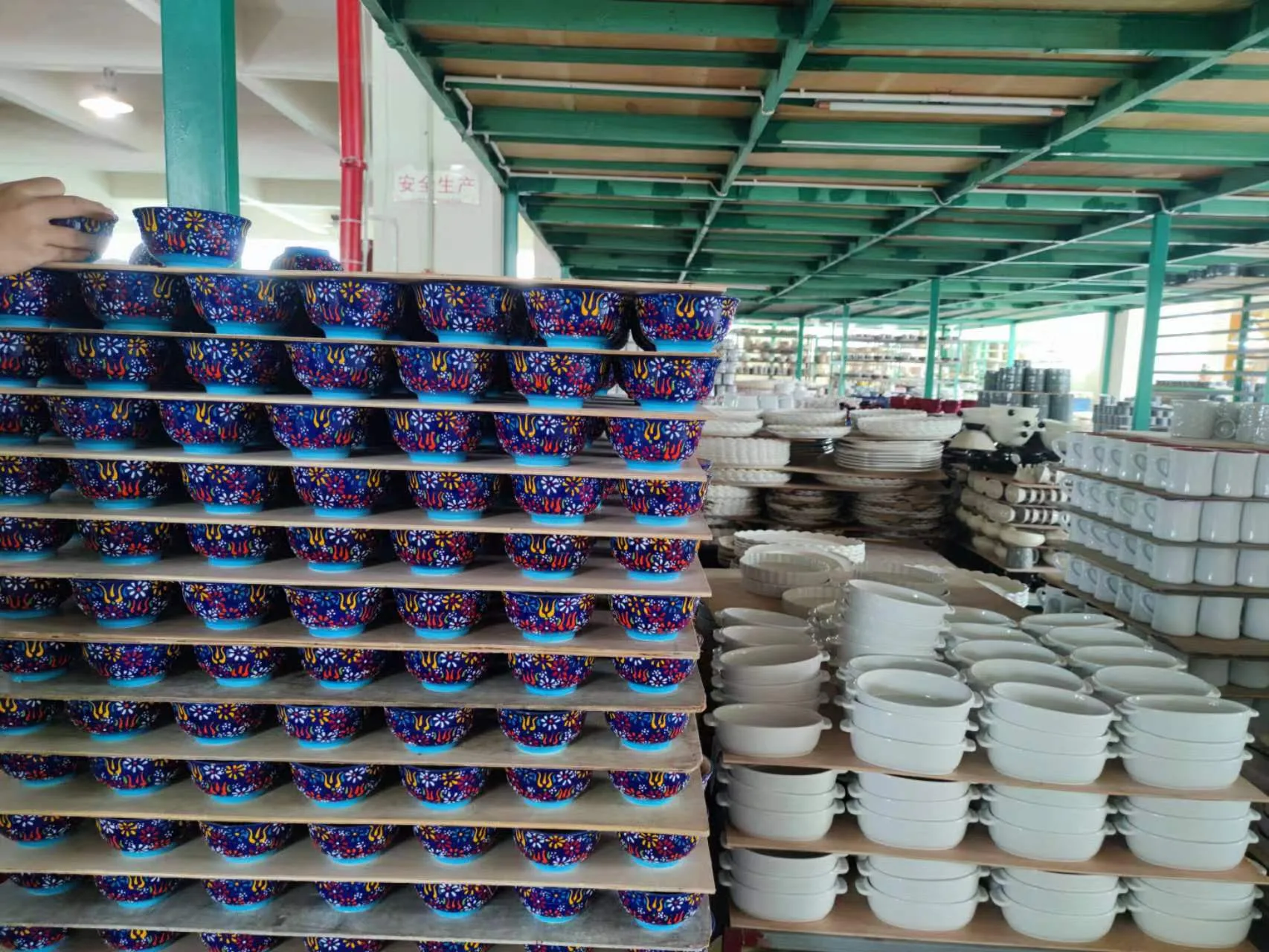
Começar com o corpo de argila e o processo de cozedura
Porque é que é importante: A formulação da argila e o processo de cozedura determinam a porosidade, a resistência mecânica e a estabilidade térmica - indicadores essenciais da longa vida útil de uma tigela de cerâmica para animais de estimação.
O que deve ser solicitado e verificado
- Tipo de material: Confirme se o fornecedor utiliza porcelana, grés de alta cozedura ou faiança; para tigelas para animais de estimação duráveis, prefira corpos de alta cozedura.
- Perfil de disparo: Solicite a documentação das temperaturas de cozedura e das curvas do forno ou uma declaração da fábrica que descreva a produção de “alta cozedura”.
- Indicadores de porosidade: Solicitar resultados de testes de absorção de água ou de porosidade; uma menor porosidade está relacionada com uma melhor higiene e um menor risco de fissuração.
- Tolerância da espessura da parede: Especificar as gamas de espessura aceitáveis e a consistência do peso para cada SKU, a fim de evitar deformações e queima irregular.
Sinais de alerta: respostas vagas sobre a queima, grande variação nos pesos das amostras ou ausência de dados sobre a porosidade.
Inspecionar a qualidade do esmalte e a segurança em contacto com os alimentos
Porque é que é importante: As tigelas de cerâmica para animais de estimação são artigos que entram em contacto com os alimentos para animais de estimação - as falhas de esmalte ou a lixiviação tóxica criam responsabilidade e risco de exclusão da lista.
Requisitos do comprador
- Testes de migração: Exigir relatórios laboratoriais actualizados para a migração de chumbo/cádmio e conformidade com os mercados compradores (por exemplo, normas de contacto com alimentos da FDA/LFGB/UE).
- Defeitos de superfície a rejeitar: Os orifícios, as bolhas, a fissuração, o rastejamento e o brilho inconsistente são defeitos de produção; rejeitar os lotes que os apresentem.
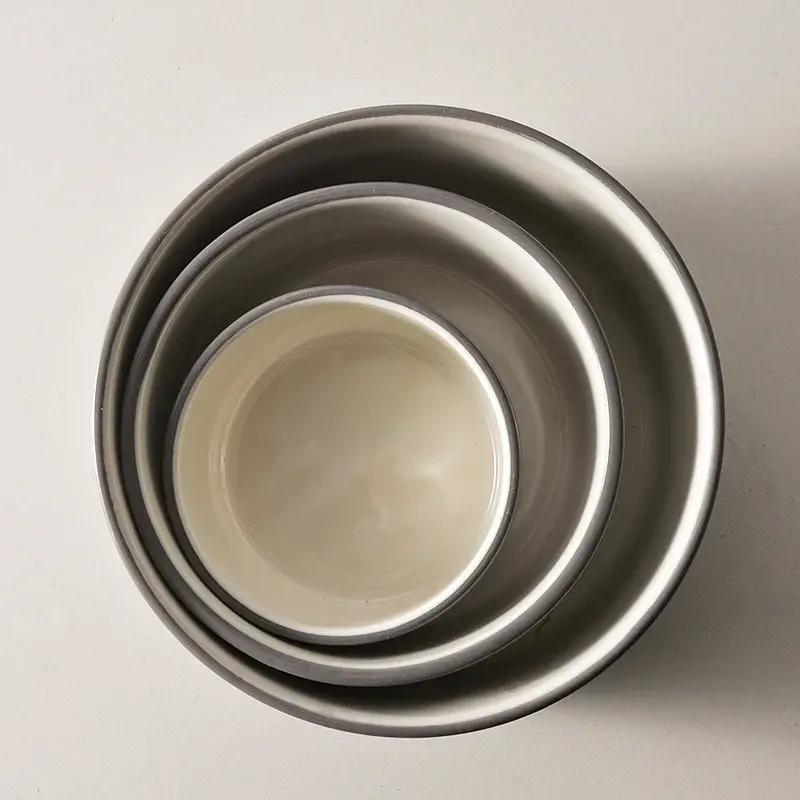
- Escolha do acabamento vs. função: Os esmaltes brilhantes são mais fáceis de limpar e geralmente menos porosos; os acabamentos mate podem ser comercializados como premium, mas necessitam de um controlo de qualidade mais rigoroso.
Peça aos fornecedores que forneçam certificados de teste recentes de terceiros e fotografias de inspeção de amostras antes da aprovação em massa.
Avaliar a conceção funcional e a estabilidade
Porque é que é importante: Os animais de estimação deslocam-se; as taças de cerâmica que se inclinam ou deslizam geram queixas e devoluções.
Controlos de conceção das amostras
- Peso de base e centro de gravidade: Bases mais pesadas reduzem a inclinação - medir o peso da base e comparar entre amostras.
- Soluções anti-derrapantes: Rever a durabilidade dos anéis de silicone, dos pés de borracha ou das bases de cerâmica texturizada; verificar a aderência/resistência após os ciclos de lavagem da loiça.
- Profundidade e diâmetro: Faça corresponder as dimensões das taças aos tipos de animais de estimação (taças pouco profundas para raças de focinho achatado, taças mais fundas para animais de maior porte); assegure a exatidão das dimensões em relação às folhas de especificações.
Realizar um teste de estabilidade simples durante a amostragem - aplicar força lateral para simular um animal de estimação ativo e documentar os resultados.
Testes de durabilidade: Resistência a lascas, fissuras e térmica
Porque é que é importante: A durabilidade determina as taxas de devolução e a exposição à garantia.
Testes para exigir ou testemunhar
- Ensaio de impacto de borda/aro: Simular choques comuns para avaliar a resistência das aparas.
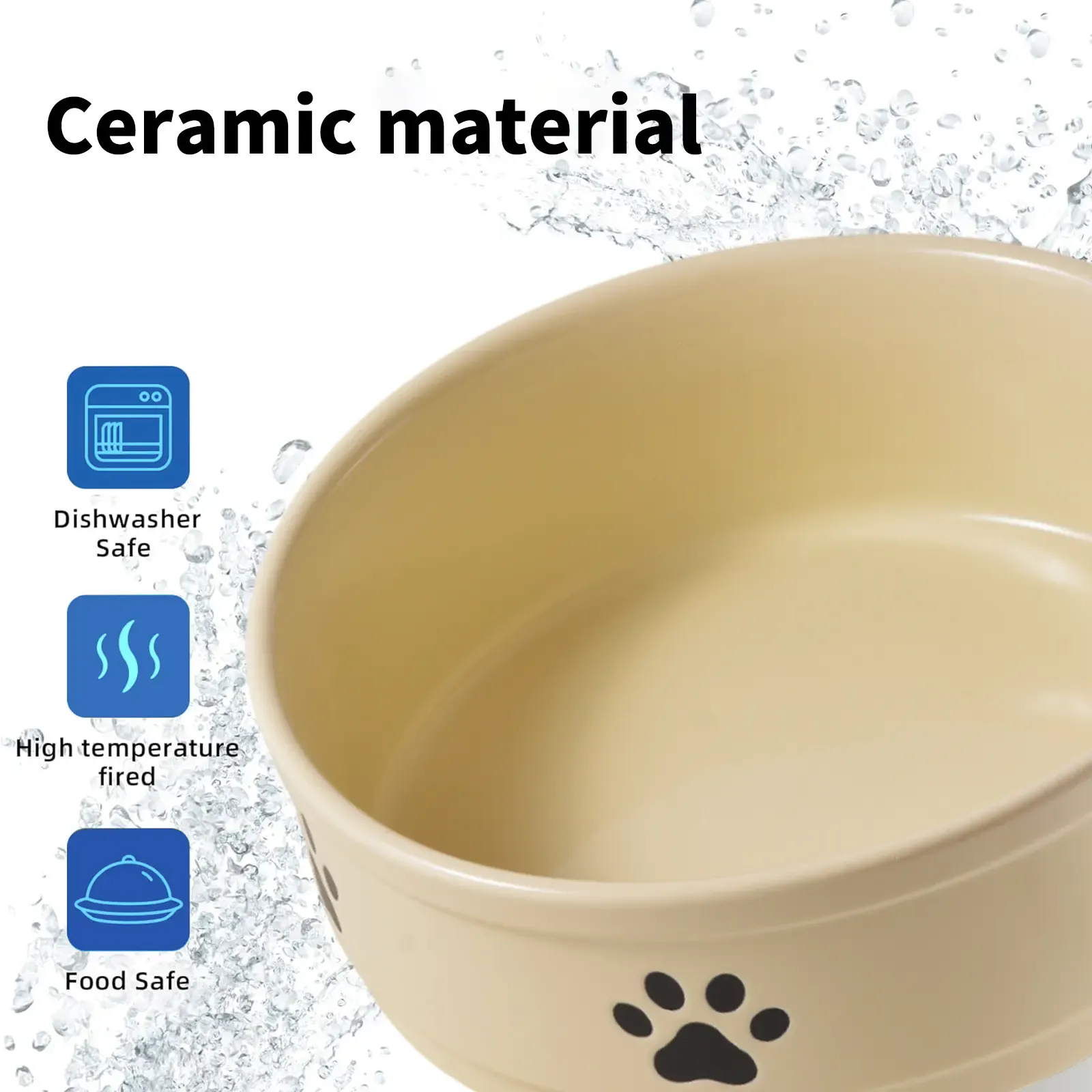
- Ensaio de choque térmico: Efetuar ciclos de amostras entre condições quentes e frias, de acordo com o protocolo do fornecedor, para revelar pontos fracos da cozedura ou do vidrado.
- Simulação do ciclo da máquina de lavar loiça: Peça resultados de ciclos padronizados (por exemplo, um número especificado de ciclos) que não mostrem degradação do vidrado. Na prática, poucas pessoas misturariam a sua tigela com a tigela do animal de estimação, mas é um requisito padrão para europeus e americanos.
Exigir relatórios de testes e considerar a verificação de laboratórios de terceiros para novos fornecedores ou novas famílias de produtos.
Higiene, manutenção e usabilidade no mundo real
Porque é que é importante: As superfícies não porosas e a facilidade de limpeza reduzem o odor, a acumulação de bactérias e as críticas negativas.
Controlos práticos
- Porosidade vs. odor: Verificação cruzada dos dados de porosidade com testes de odor/absorção.
- Ergonomia da limpeza: As superfícies brilhantes normalmente limpam-se mais depressa; os acabamentos mate devem ser testados quanto à retenção de nódoas.
- Micro-ondas e máquina de lavar louça claros: Não aceite rótulos de “segurança” não comprovados - exija resultados de testes documentados.
Controlo dimensional e consistência dos lotes
Porque é que é importante: As listas de comércio eletrónico, a embalagem e o cumprimento dependem de dimensões e pesos consistentes.
O que aplicar
- Folhas de tolerância: Definir tolerâncias dimensionais e de peso admissíveis na OP.
- Sistema de amostra dourada: Aprovar uma amostra dourada assinada que a fábrica deve conservar como referência de produção.
- Verificação de lotes: Solicitar a retenção de amostras e fotografias de lotes cruzados para confirmar a repetibilidade.
Embalagem, proteção no transporte e rastreabilidade
Porque é que é importante: A maioria das quebras de tigelas de cerâmica para animais de estimação ocorre na logística - não na produção.
Normas de embalagem a exigir
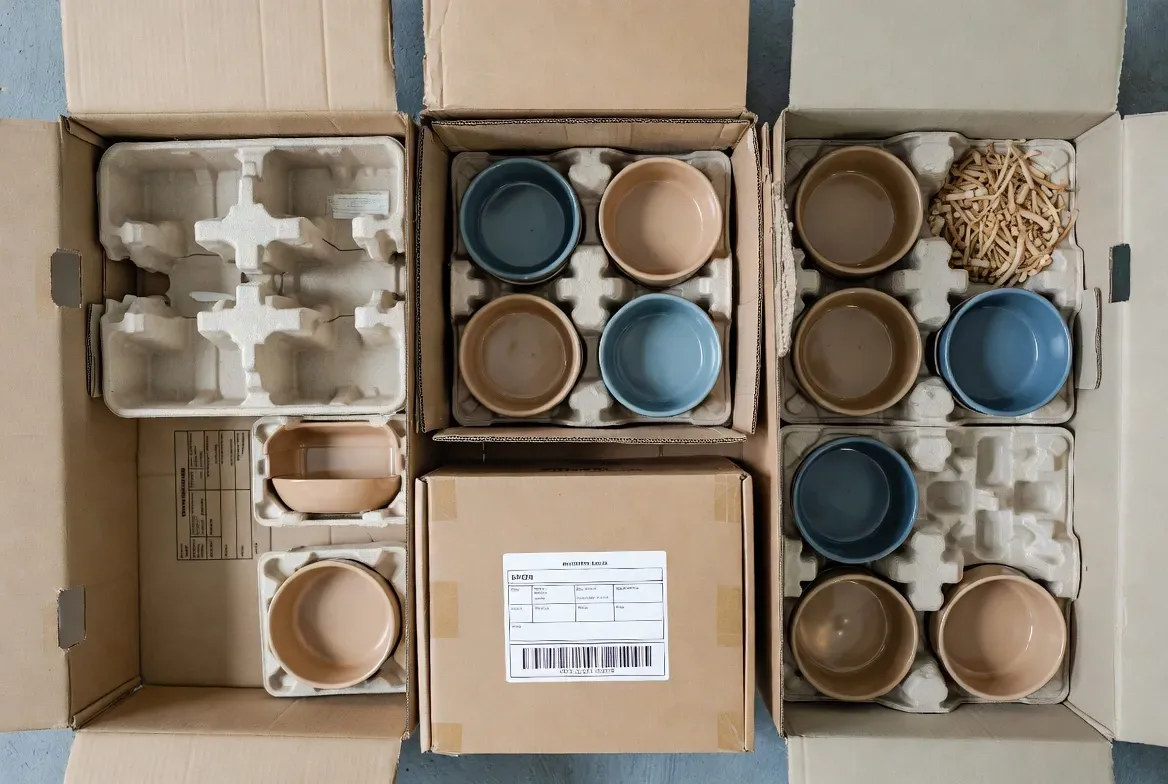
- Proteção interior: Tabuleiros de pasta de papel, inserções de espuma ou embalagens compartimentadas, conforme aplicável.
- Resistência da caixa de cartão e teste de queda: Especificar caixas de cartão de parede dupla e exigir provas de teste de queda da embalagem.
- Rastreabilidade: Códigos de lote e rotulagem de caixas de cartão para apoiar o tratamento de pedidos.
Sistemas de qualidade dos fornecedores e protecções contratuais
Porque é que é importante: Processos robustos de produção de taças de cerâmica para animais de estimação reduzem as surpresas.
Controlos dos fornecedores para verificar
- Inspecções em linha e finais: Confirmar os pontos de inspeção e o pessoal responsável.
- Acordo AQL (Limite de Qualidade de Aceitação): Definir níveis explícitos de AQL para defeitos maiores, menores e críticos.
- Condições contratuais: Estipular etapas de pagamento ligadas à aceitação da inspeção, políticas de substituição e penalizações por tempo de espera.
Conclusão
Uma qualidade elevada taça de cerâmica para animais de estimação combina os materiais certos, a produção disciplinada, os testes de segurança verificados, o design inteligente e a embalagem protetora. Para os compradores B2B, o objetivo é a repetição de padrões em todas as séries de produção - não uma amostra única e bonita. Utilize as verificações acima como uma lista de verificação de aquisição: exija documentação, insista em testes e codifique as expectativas no seu contrato. Investir esforço antecipadamente evita devoluções, preserva a reputação da marca e protege a margem a longo prazo.
Sobre Kedali
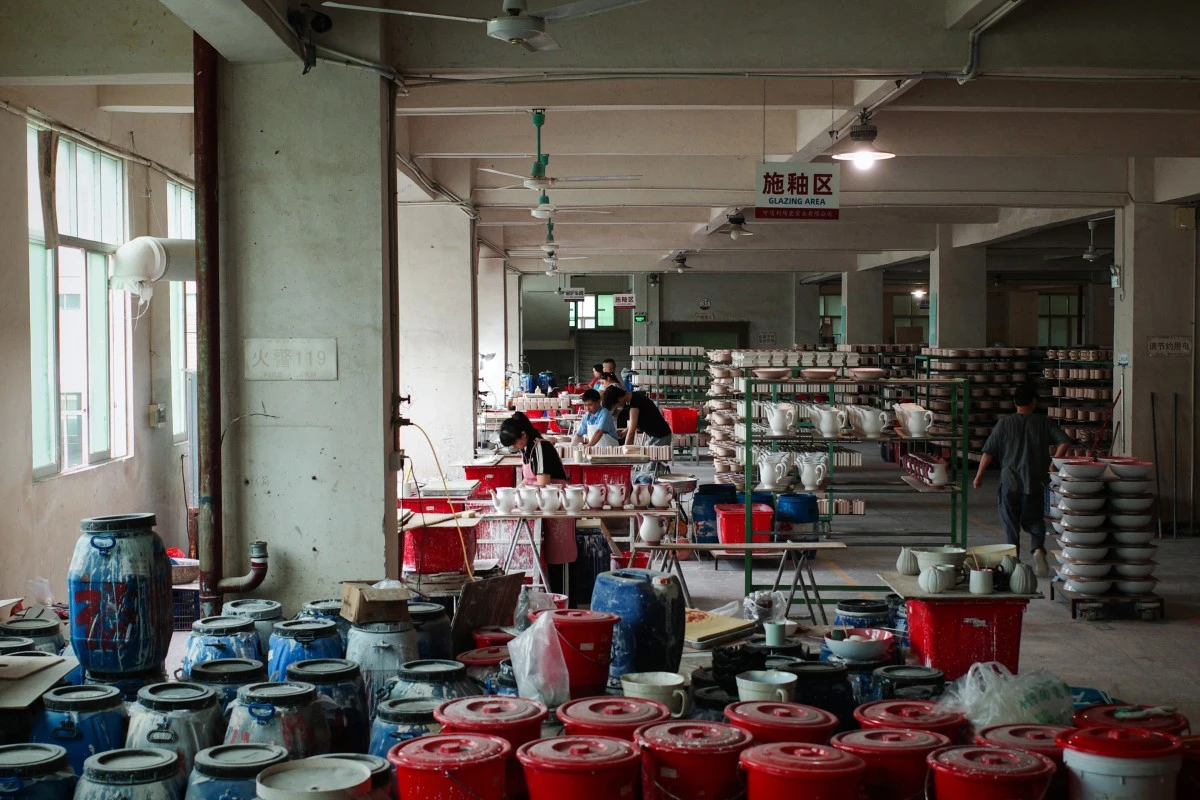
Kedali é um principal fabricante de produtos de uso diário, especializada em oferta grossista de tigelas de cerâmica para animais de estimação para marcas globais, vendedores de comércio eletrónico e distribuidores. Desenvolvemos soluções personalizadas de tigelas de cerâmica para animais de estimação para corresponder a diferentes mercados e necessidades de marca.
Como parceiro de fábrica de confiança, a nossa produção funciona de acordo com normas de segurança internacionais rigorosas, e toda a loiça de porcelana é verificada através de testes reconhecidos por terceiros para garantir uma qualidade e conformidade estáveis.