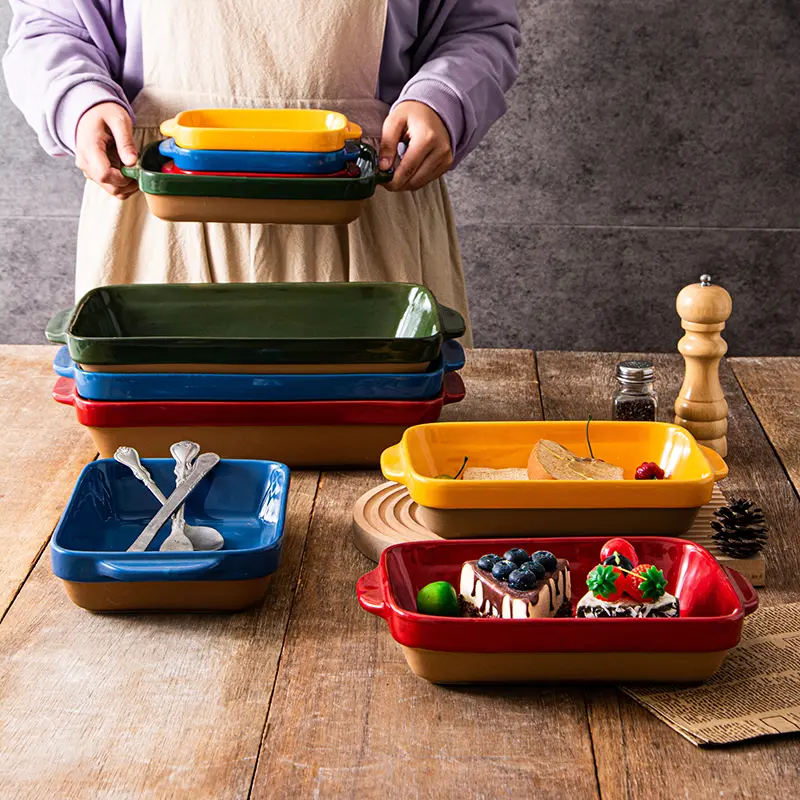
Está a ter dificuldades em escolher assadeiras de cerâmica a granel para o seu utensílios de cozinha em cerâmica linha de produtos? É certo que as placas de cozedura enfrentam temperaturas elevadas, ciclos térmicos, produtos de limpeza agressivos e manuseamento frequente. Como um fabricante líder de utensílios de cozinha em cerâmica, Kedali sabe que o objetivo das marcas e dos retalhistas é um desempenho previsível à escala: baixas taxas de falhas, aparência consistente, conformidade regulamentar e fornecimento fiável.
Somos especializados em pastelaria por atacado, A Kedali tem todo o prazer em apresentar às equipas de compras a forma de selecionar utensílios de cozinha em cerâmica de alta qualidade.
Corpo de argila: Densidade, Porosidade e Absorção de Água
O corpo cerâmico cozido é o núcleo estrutural. Peça aos fornecedores resultados de testes objectivos, não alegações.
- Absorção de água: valores mais baixos indicam um corpo mais denso e vitrificado. Para artigos de forno, o objetivo é uma absorção baixa de um dígito ou inferior a 1%, dependendo do tipo de corpo.
- Densidade/vitrificação na fornalha: A maior vitrificação reduz a entrada de humidade e melhora a estabilidade térmica.
- Controlo da espessura da parede: especificar as tolerâncias. As paredes irregulares concentram as tensões e aumentam o risco de fissuras.
Exigir relatórios de absorção de água ASTM/ISO e dados de retração por cozedura. Kedali é uma fábrica que fornece artigos para pastelaria de cerâmica de alta qualidade por atacado.
Desempenho do esmalte: Proteção e segurança
O esmalte é a pele funcional dos utensílios de cozedura em cerâmica - tem de ser durável, não poroso e quimicamente estável.
- Acabamento não poroso: evita a formação de manchas e a retenção de bactérias. Verificar os testes de porosidade da superfície após o esmalte.
- Resistência à abrasão: as marcas de talheres e a abrasão dos utensílios são comuns; solicitar dados de testes de dureza ou de abrasão.
- Segurança: os certificados de migração de terceiros (chumbo/cádmio) para cada esmalte acabado não são negociáveis para a maioria dos mercados.
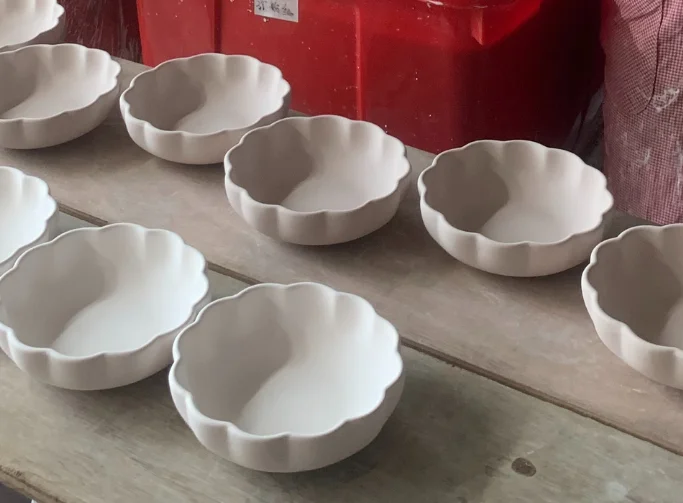
Resistência a choques térmicos e fissuras
O desempenho térmico é o critério que define os utensílios de cozedura em cerâmica.
- Ensaio de choque térmico: insistir na tolerância ΔT documentada e nos resultados de ciclos repetidos de aquecimento/arrefecimento.
- Controlo do perfil do forno: o fornecedor deve fornecer curvas registadas de rampa/imersão/arrefecimento que mostrem a queima controlada e o alívio de tensões.
- Considerações sobre a conceção: escolher pratos com cantos arredondados, espessura de parede uniforme e aros reforçados para reduzir a concentração de tensões.
A alegação “seguro para ir ao forno” não é suficiente e não é aceitável aquando da primeira cooperação com a fábrica. Exigir protocolos de teste e relatórios de lotes representativos é mais prático.
Segurança do forno / micro-ondas / máquina de lavar loiça - O que significa realmente “seguro”?
Os rótulos têm significados diferentes consoante os canais; verifique os pormenores.
- Pode ir ao forno: solicitar a classificação da temperatura máxima contínua (por exemplo, 230-300°C) e os testes de ciclo.
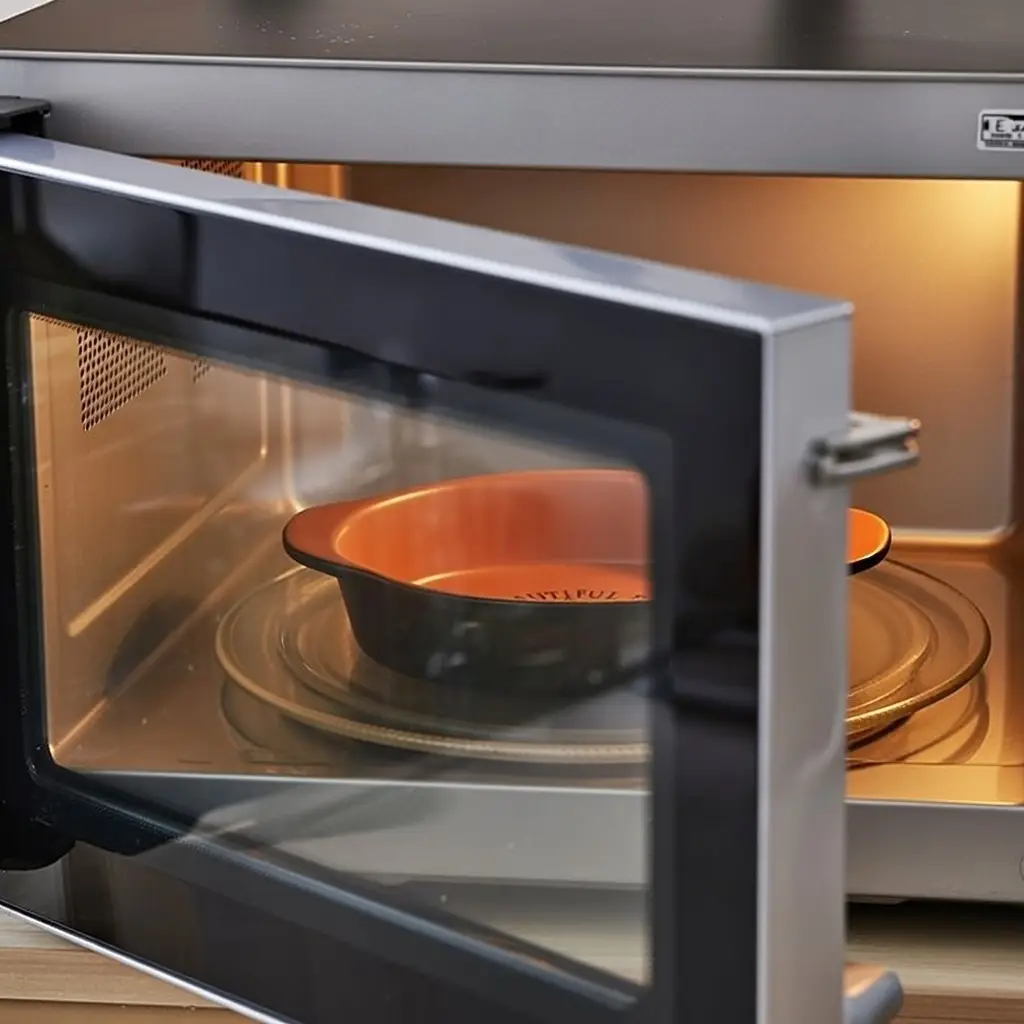
- Microonda-seguro: confirmar a ausência de guarnições metálicas e a baixa porosidade para evitar danos internos por vapor.
- Pode ser lavado na máquina de lavar louça: exigem a realização de ensaios com ciclos de detergentes comerciais alcalinos, caso se destinem a mercados de serviços alimentares.
Insista em certificados de ensaio que correspondam ao seu caso de utilização e aos seus regimes de limpeza.
Durabilidade em utilização real
Os modos de falha comuns conduzem a devoluções e a danos para a reputação.
- Lascagem da borda: especificar a espessura da jante e os pormenores de reforço.
- Arranhões no esmalte: requer dados de resistência à abrasão/utensílio.
- Desgaste do anel do pé: Design de controlo para evitar a abrasão do fundo e danos na bancada.
Peça aos fornecedores taxas históricas de defeitos em SKUs comparáveis e amostras de testes de desgaste pós-utilização.
O design deve alinhar-se com os factos logísticos
Os bakeware de cerâmica são inerentemente de alto risco; otimizar a sua integridade estrutural logística é fundamental para mitigar a erosão dos resultados.
- Capacidade de empilhamento: afecta a expedição, o armazenamento e a exposição a retalho.
- Dimensões normalizadas: facilitar o controlo da produção e a gestão do inventário.
- Compatibilidade das tampas e colecções: planear matrizes SKU para venda cruzada e peças de substituição.
- Embalagem: As inserções projectadas e as caixas de cartão classificadas fazem parte das especificações do produto - não são uma reflexão posterior.
Se negligenciar a embalagem e a logística, pagará por isso em devoluções, independentemente da qualidade da produção.
Capacidade da fábrica: o ponto de controlo do fornecedor
Os registos de uma fábrica são o melhor indicador de uma qualidade consistente.
- Laboratório interno de cozedura e esmaltagem e não apenas serviços subcontratados.
- Registos da curva do forno e monitorização da temperatura zonal.
- Rastreabilidade dos lotes de materiais de revestimento e esmalte.
- Retenção de amostras douradas e normas de inspeção AQL.
- Historial de defeitos em linhas semelhantes de artigos para pastelaria.
Um fornecedor que esteja disposto a cooperar terá todo o gosto em partilhar registos de processos ou registos de lotes.
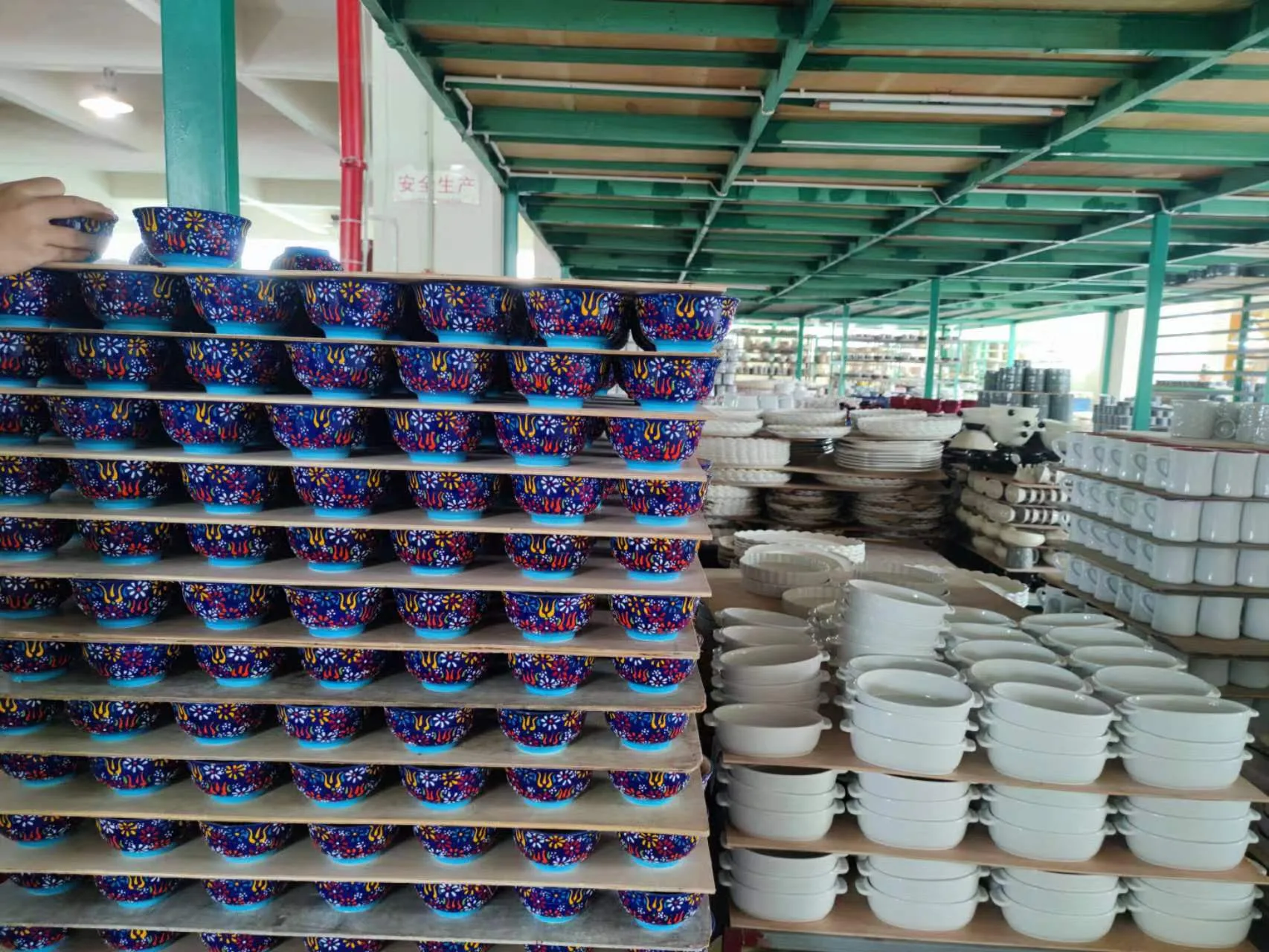
Conclusão
Para os compradores B2B, o verdadeiro utensílio de pastelaria de cerâmica de alta qualidade é aquele que o ajuda a obter lucro evitando riscos. Não aceite declarações de marketing - exija relatórios de testes, amostras douradas e registos de produção. Isso converte a estética em desempenho previsível e escalável para a sua linha de produtos.
Sobre Kedali
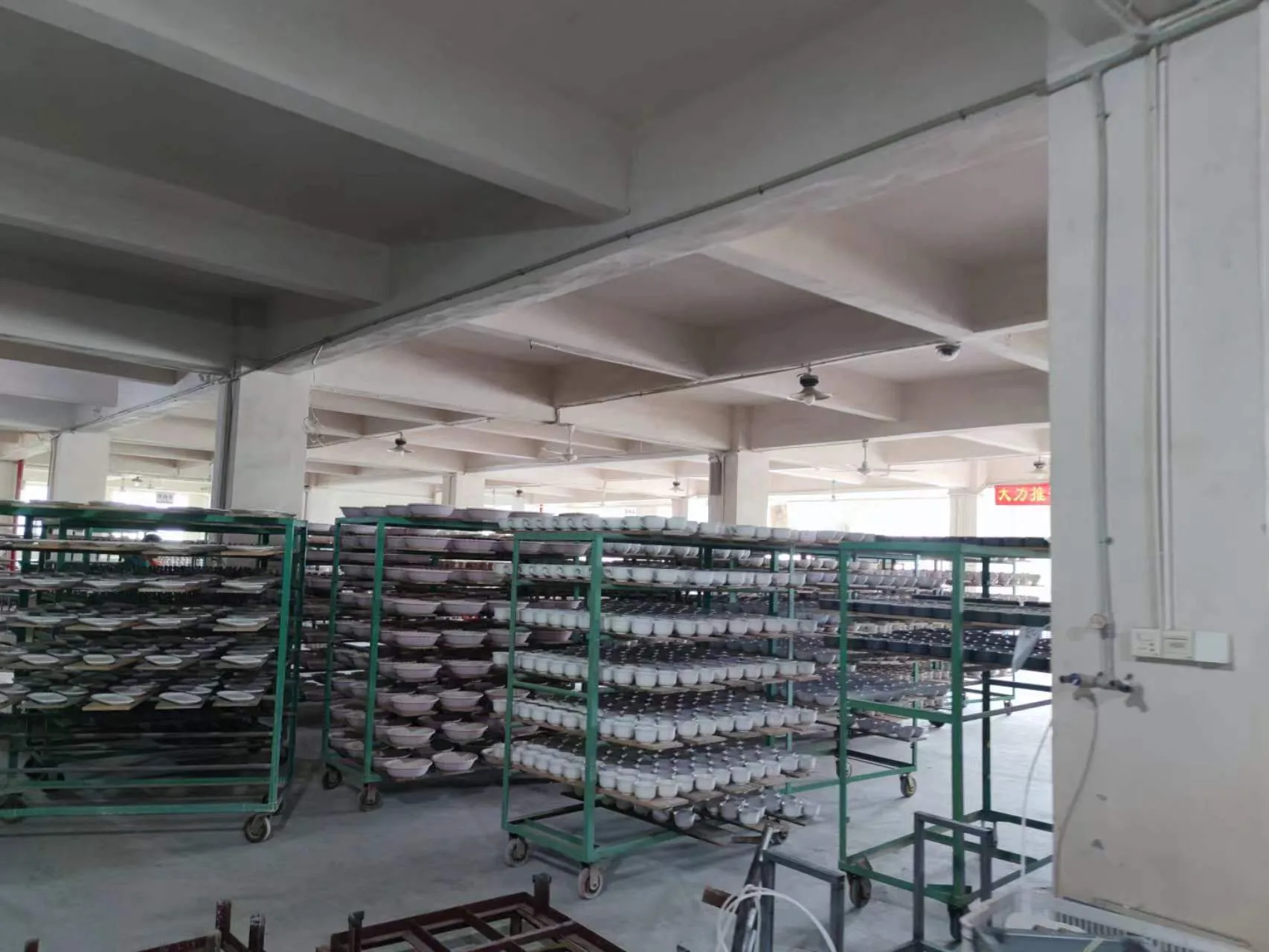
Kedali é um profissional fabricante de utensílios de cozinha em porcelana e cerâmica servindo os compradores B2B em todo o mundo, fornecendo utensílios de cozinha em cerâmica construídos com ciclos térmicos, exposição à máquina de lavar louça e consistência de retalho a longo prazo.
Com o controlo do fornecimento de matérias-primas e a gestão estável da produção em lotes, a Kedali mantém a densidade do corpo, o desempenho do vidrado e o aspeto uniformes em encomendas de grande escala. Apoiada por uma produção interna e sistemas de inspeção de qualidade rigorosos, a nossa fábrica suporta Utensílios de cozinha em cerâmica OEM/ODM, A nossa gama de produtos é composta por formas, cores, logótipos e soluções de embalagem personalizadas - ajudando as marcas, os retalhistas e os grossistas a reduzir o risco de defeitos e a dimensionar linhas fiáveis de pastelaria em cerâmica.