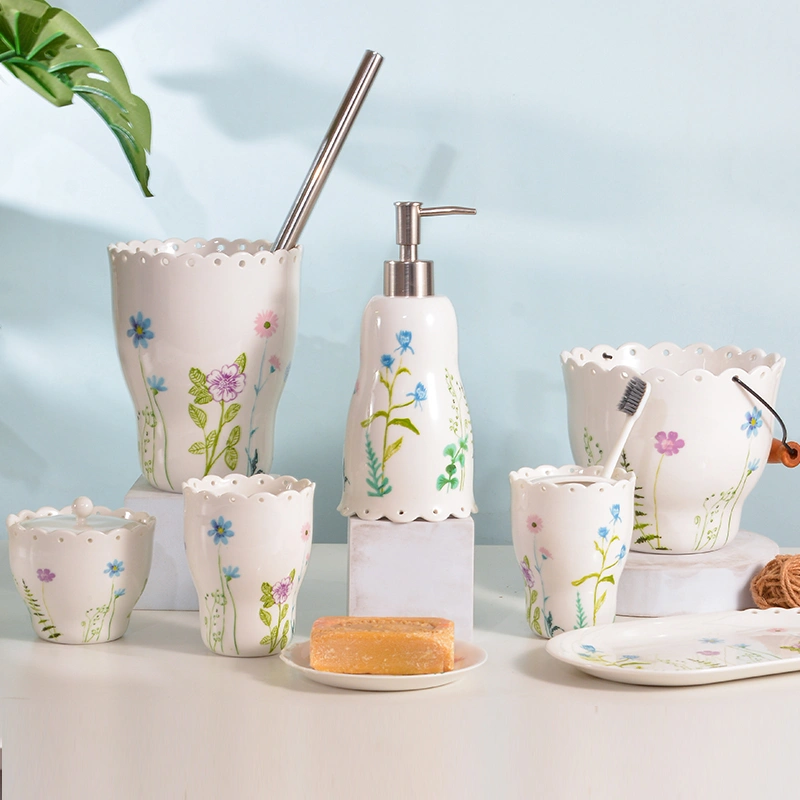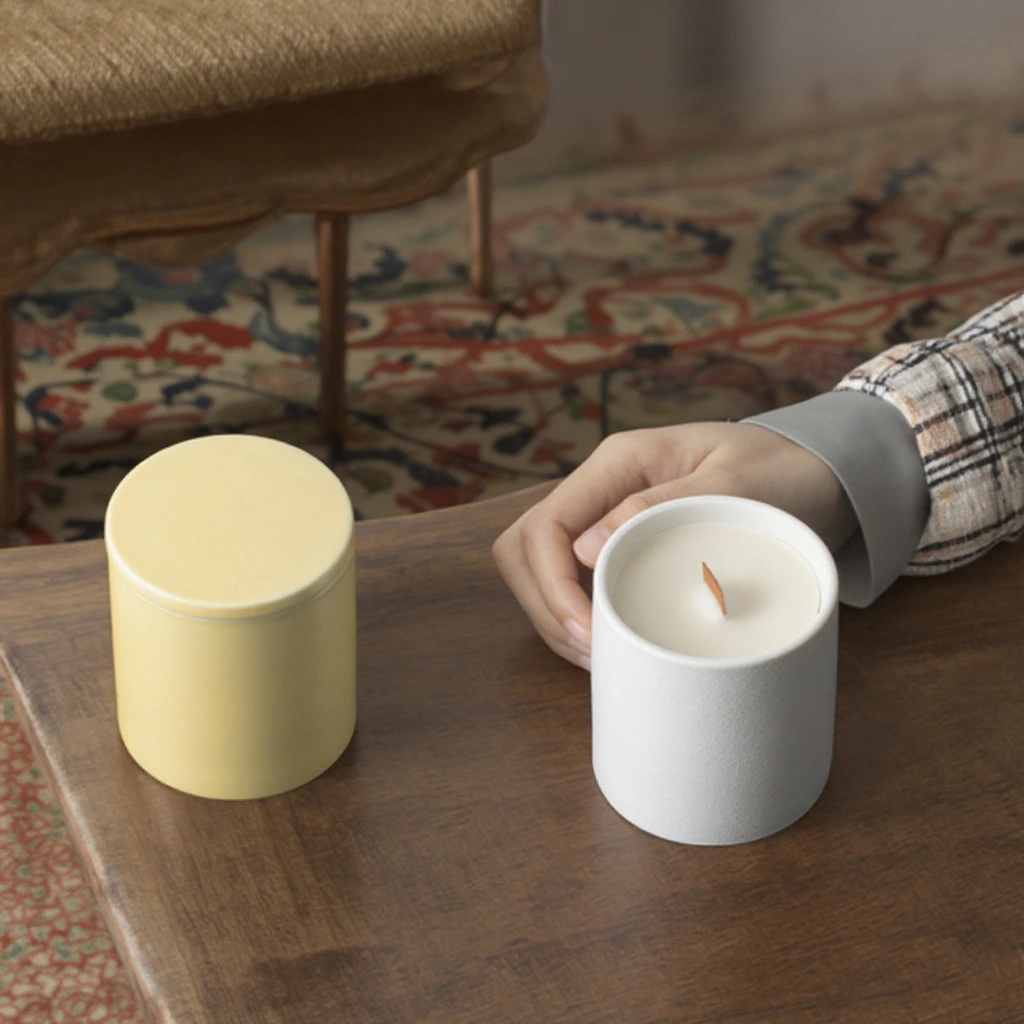
Заказы на крупные партии керамических кружек увеличивают как выгоду, так и риски. Для отделов закупок, занимающихся закупками керамическая кружка В программах для розничной торговли, частных торговых марок или электронной коммерции даже небольшие проблемы с производством могут обернуться значительными затратами: переделкой продукции, возвратами, удалением товаров из ассортимента и ущербом для репутации бренда.
В качестве профессиональный производитель керамических кружек, Кедали расскажет об основных причинах возникновения брака, о том, что делают профессиональные фабрики для его предотвращения, и — что особенно важно — о мерах контроля со стороны покупателя, которые позволяют избежать неприятных сюрпризов и восстановить доверие.
Распространенные дефекты керамических кружек на этапе производства
Прежде чем приступать к профилактике, необходимо понять, что обычно не срабатывает при масштабном внедрении.
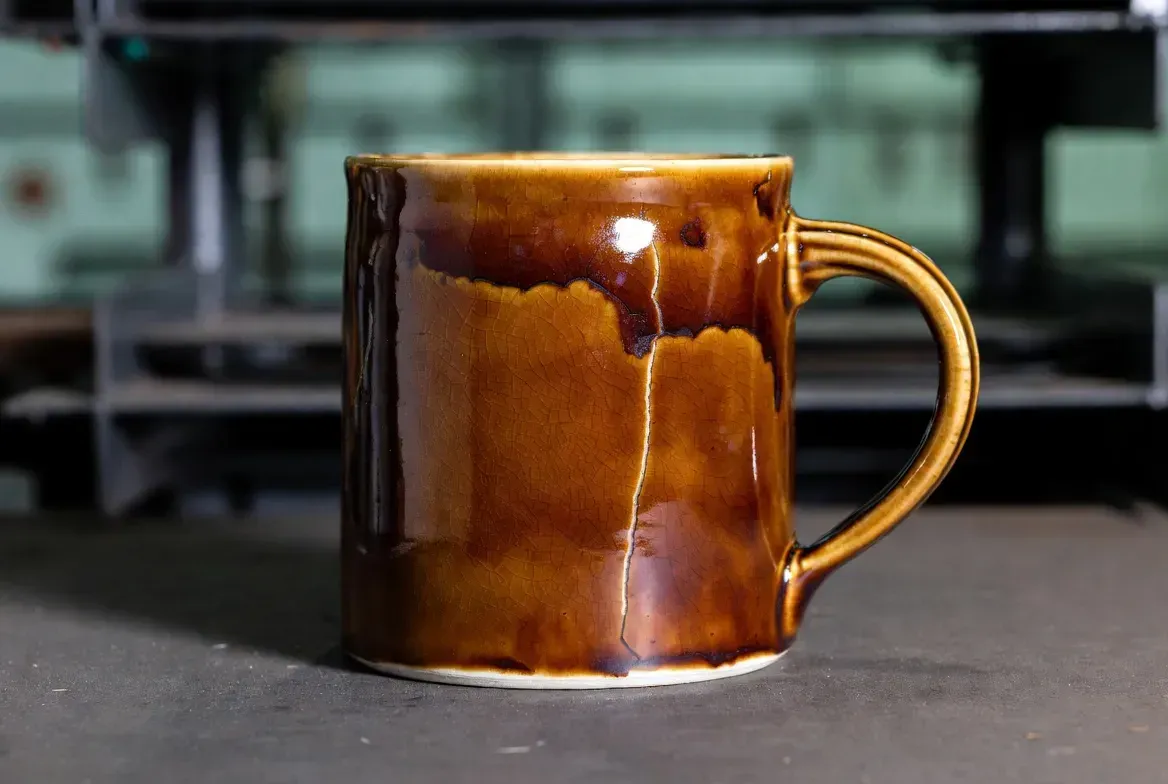
Визуальные и поверхностные
- Мелкие отверстия, ползание глазури, образование пузырей
- Смещение цвета в партии или неравномерный блеск
- Неправильно наклеенные наклейки или напечатанные логотипы
Структурные и функциональные
- Деформированные обода и неравномерная толщина кромки
- Мелкие трещины, скрытые трещины от напряжения
- Непрочные или неправильно закрепленные ручки (риск отсоединения)
Эффективность и соблюдение требований
- Высокая водопоглощаемость (пористость)
- Повреждения в результате термического удара (трещины при перепаде температур)
- Миграция свинца/кадмия или несоответствие требованиям при испытаниях на контакт с пищевыми продуктами
Знание этих категорий поможет вам заранее определить тесты и критерии отбраковки.
Почему количество дефектов растет с увеличением объема производства (основные причины)
На шкале видны небольшие отклонения в процессе изготовления керамических кружек. Типичные причины:
Изменчивость сырья
- Неоднородный состав глины, влага или посторонние примеси приводят к деформации и появлению пор.
Проблемы с обжигом и печью
- Неравномерность температурных зон в печи, перегрузка печи или неправильные параметры обжига приводят к появлению недообжига или переобжига изделий.
Варианты остекления и отделки
- Нестабильная вязкость глазури или неравномерное нанесение приводят к появлению микроотверстий и изменению цвета. Нанесение деколей или неправильная вторая обжига приводят к выцветанию или нарушению адгезии.
Упаковка и логистика
- Недостаточная внутренняя защита не обеспечивает изоляцию ручек и ободов; прочность картонной коробки слишком низкая для штабелирования грузов; отсутствуют результаты испытаний на падение.
Управление технологическими процессами и человеческий фактор
- Отсутствие стандартных операционных процедур, несогласованные стандарты проверки или давление с целью ускорения работы линий приводят к утечкам.
Чем отличаются надежные заводы
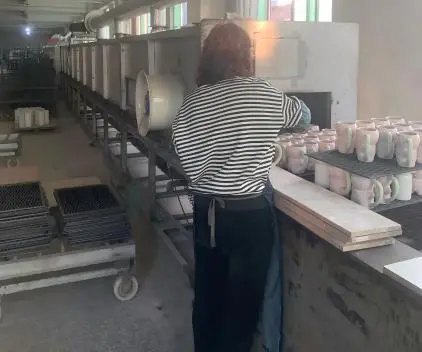
Ведущие предприятия систематизируют управление рисками в процессе производства керамических кружек, создавая предсказуемую структуру, благодаря которой каждое решение становится постоянным и воспроизводимым активом. Основные методы:
Материальная дисциплина
- Исправлены рецепты глины, отслеживание партий и проверка поступающего сырья.
- Регулярные испытания на водопоглощение и усадку.
Обжиг и управление технологическим процессом
- Туннельные или вальцовые печи с контролем температуры; зарегистрированные кривые обжига.
- Планирование загрузки для предотвращения перегрузки печи и обеспечения равномерности обжига.
Глазурь и управление цветом
- Регулирование вязкости глазури и автоматические системы нанесения.
- Образцы основных цветов, записи по шкале Pantone и рецептурам, а также сохраненные образцы золота.
Отделка и приклеивание
- Графики контролируемой обжига декалей и испытания на адгезию после обжига.
- Печать собственными силами с гарантированной цветостойкостью.
Технология упаковки
- Специальные вставки, изолирующие ручки и ободы.
- Прочность картонной упаковки, соответствующая требованиям штабелирования на поддонах; испытания по стандарту ISTA или внутренние испытания на падение.
Системы контроля качества
- Регистрация дефектов на линии, заданные пороговые значения AQL и отслеживаемость партий.
Эти возможности необходимы для того, чтобы превратить перспективный образец в стабильное серийное производство.
Меры контроля со стороны покупателя, позволяющие существенно сократить количество дефектов
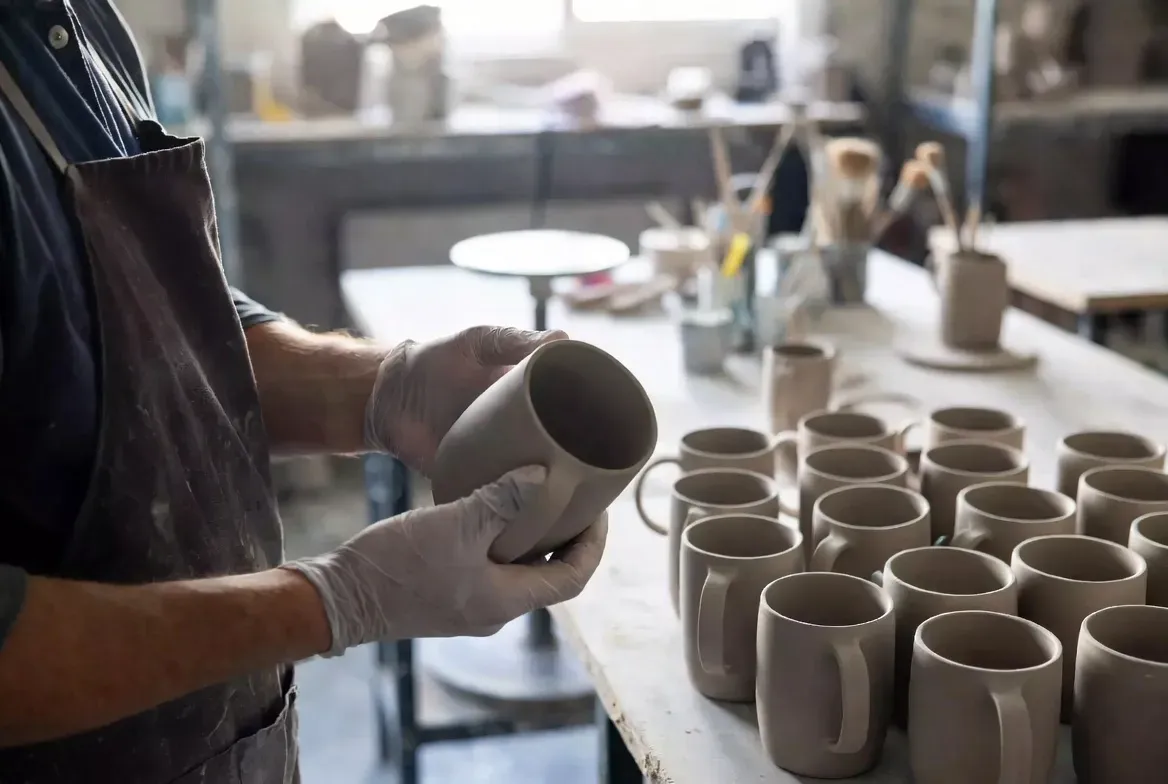
Отдел закупок может и должен контролировать этот процесс. Применяйте следующие рекомендуемые меры контроля при проверке производства керамических кружек:
Стратегия отбора проб
- Утвердить подписанный золотой образец с указанием допусков (вес, диаметр обода, выравнивание ручек, оттенок глазури).
- Перед запуском полномасштабного производства необходимо провести пробную партию (например, 1 000–2 000 единиц).
Проверка и испытания
- Предпроизводственная проверка материалов.
- Промежуточные (поточные) проверки.
- Заключительная выборочная проверка по критерию AQL (указать: критические/значительные/незначительные).
- Требуются отчеты сторонних лабораторий по следующим параметрам: миграция (свинец/кадмий), водопоглощение, термошок и пригодность к мытью в посудомоечной машине.
Валидация упаковки
- Требуются видеозаписи испытаний на падение, технические характеристики упаковки и максимально допустимый показатель поломки при транспортировке.
- Перед отправкой необходимо утвердить образцы упаковки и сертификаты испытаний на падение.
Прозрачность процессов
- Запросите протоколы кривых выжигания для производственных партий и идентификаторы партий, привязанные к протоколам контроля.
- Требуйте предоставления отчетов о дефектах и планов корректирующих действий для всех бракованных партий.
Торговые условия
- Связать этапы оплаты с результатами приемки.
- Включить положения о замене, переделке и штрафных санкциях в случае поставки продукции, не соответствующей техническим требованиям.
Эти практические меры контроля позволяют превратить обещания поставщиков в результаты, подлежащие исполнению.
Как быстро проверить завод по производству изделий из фарфора
Если времени мало, сосредоточьтесь на трёх поддающихся проверке показателях:
- Доказательства контроля за процессом: жучки печи, технические спецификации материала и сохранение золотых образцов.
- Возможности тестирования: в наших собственных или партнерских лабораториях с недавними испытаниями на миграцию и термические характеристики.
- Подтверждение упаковки и логистики: стандартные требования к упаковке, протоколы испытаний ISTA и испытаний на падение, а также данные о количестве повреждений при предыдущих отгрузках.
Просите предоставить документальные подтверждения, а не довольствуйтесь лишь устными заверениями. Надежные поставщики предоставят их без промедления.
Управление контрактами и ожиданиями
Отразить меры по контролю рисков в формулировках договора:
- Определите уровни AQL и категории дефектов.
- Требуется предоставление производственных образцов и утверждение пробной партии.
- Увяжите окончательную оплату с приемкой и предусмотрите в соглашении об уровне обслуживания (SLA) меры по устранению дефектов.
- Включить требования к отслеживаемости и обязательства по хранению проб.
В контрактах должны быть четко определены критерии оценки качества и порядок устранения недостатков.
Реалистичные ожидания (понимание того, что можно достичь)
При массовом производстве керамических кружек достичь нулевого уровня брака — задача нереалистичная. Вместо этого:
- Принимать пороговые значения AQL, соответствующие отраслевым стандартам (утвержденные для каждого продукта и рынка).
- Стремитесь к постоянному совершенствованию: отслеживайте динамику дефектов от партии к партии.
- Рассмотрите возможность поэтапного внедрения (начиная с небольших заказов, объем которых будет увеличиваться по мере стабилизации качества).
Рассматривая качество как контролируемый показатель, а не как однозначное обещание, вы сохраняете отношения с поставщиками и одновременно защищаете свой бренд.
Заключение
Большой керамическая кружка Заказы выполняются успешно, когда в процессе закупок качество рассматривается как управляемая система: необходимо определить точные технические требования, проверить производственные возможности поставщика, потребовать документальное подтверждение, проверить упаковку и закрепить результаты в договоре. Дефекты не являются неизбежными; они являются следствием неконтролируемой изменчивости. При выборе подходящего поставщика и применении вышеуказанных мер контроля можно наращивать объемы поставок без увеличения рисков.
О Кедали
Кедали - это профессиональный производитель керамических кружек специализируясь на стабильном, поставка керамических кружек большого объема для международных B2B-покупателей. Благодаря собственным печам, фиксированным рецептурам глины и возможности отслеживания каждой партии, наш завод уделяет особое внимание стабильности цвета, глазури, структуры и характеристик обжига в каждой партии продукции.
Мы внедряем документированные системы контроля качества, проводим проверки по критерию допустимого уровня брака (AQL) и тестирование на соответствие требованиям к материалам, контактирующим с пищевыми продуктами, с целью снижения рисков, связанных с накипью. Компания Kedali предлагает Услуги по изготовлению керамических кружек на заказ, включая разработку форм, подбор глазури и цветовой гаммы, нанесение логотипов, разработку упаковки и программы по созданию собственных торговых марок — помогая брендам и ритейлерам надежно расширять масштабы деятельности без ущерба для качества.