When sourcing ceramic cups, the choice between OEM and ODM affects more than product design. It directly influences development investment, tooling, MOQ, production efficiency, lead time, inventory risk, and achievable margins. As an OEM/ODM ceramic cup manufacturer, Kedali says that the more profitable model depends on how much differentiation the product needs and how efficiently development costs can be spread across future orders.
OEM Vs ODM Ceramic Cups
What Does OEM Mean for Ceramic Cups?
OEM ceramic cups are produced according to the buyer’s own product requirements. These may include cup dimensions, capacity, handle geometry, wall thickness, glaze, decoration, logo placement, packaging, and other specifications.
For ceramic cups, however, OEM is not simply a matter of sending a drawing to a factory. A change in cup shape or handle design can affect mold development, forming stability, firing behavior, weight, and breakage rates. The manufacturer must convert the design into a production process that can be repeated consistently at commercial volumes.
What Does ODM Mean for Ceramic Cups?
ODM ceramic cups start from designs already developed by the manufacturer. Buyers can select an existing product and customize commercially important elements such as glaze color, decoration, logo, and packaging.
Because the basic cup structure, tooling, and production process may already be established, ODM reduces the amount of development investment required from the buyer.
This gives ODM a different type of commercial advantage: it can maximize development efficiency and speed to market. For businesses testing a new ceramic cup range, preserving cash for inventory and marketing may be more valuable than creating a completely new shape.
What Is the Main Difference Between OEM and ODM?
| Фактор | OEM Ceramic Cups | ODM Ceramic Cups |
|---|---|---|
| Product design | Buyer-led | Manufacturer-developed |
| Настройка | Высокий | Умеренный |
| Development investment | Usually higher | Usually lower |
| Tooling | May require new tooling | Existing tooling may be available |
| Launch speed | Usually slower | Usually faster |
| Differentiation | Высокий | Умеренный |
| Initial financial risk | Higher | Lower |
| Best suited for | Long-term differentiated products | Fast market entry and testing |
The commercial difference is therefore where the buyer invests money and takes risk. OEM puts more investment into product development to gain differentiation, while ODM puts more emphasis on using an existing manufacturing platform efficiently.
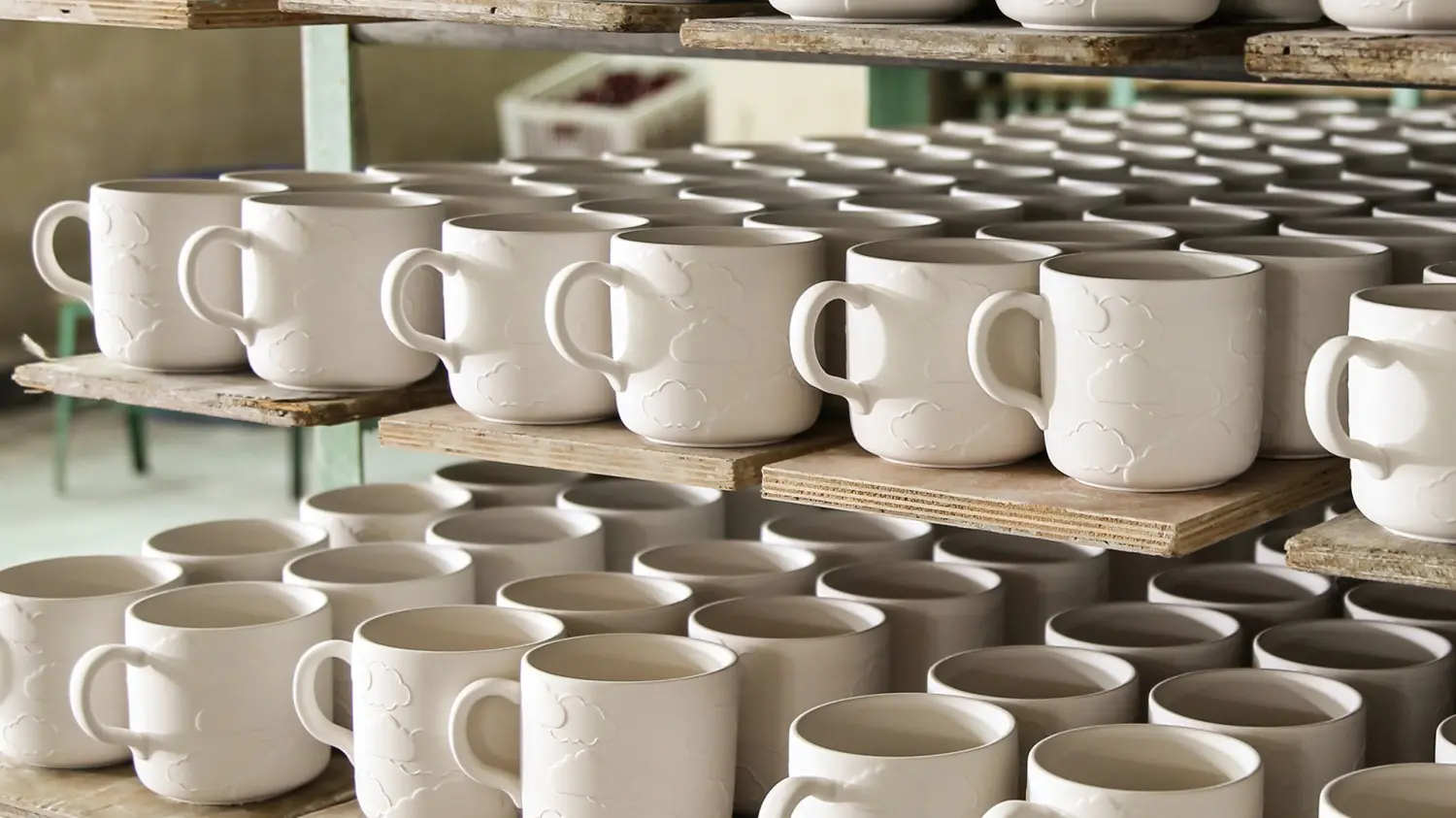
Which Is More Profitable: OEM or ODM Ceramic Cups?
Does OEM Offer Higher Profit Margins?
OEM can generate higher margins when product differentiation allows the brand to command a higher selling price.
A proprietary ceramic cup shape, distinctive handle, signature glaze, or specialized packaging can make the product less directly comparable with competing products. This can support premium positioning and stronger brand recognition.
But the calculation needs to include development costs.
For example, if a custom cup requires new tooling, several sampling rounds, special decoration testing, and a higher MOQ, the initial unit economics may be less attractive than an ODM cup. OEM becomes more profitable when these fixed costs are spread across enough units, and the resulting product can maintain a higher selling price over multiple orders.
The potential relationship may be like:
Higher customization → higher development investment → greater differentiation → potential pricing advantage.
The pricing advantage needs to outweigh the additional investment.
Can ODM Reduce the Cost of Launching Ceramic Cups?
Yes. ODM can reduce the financial barrier to launching a ceramic cup range because the buyer starts from an existing product platform.
A wholesaler, for example, may select several existing cup shapes, apply its own colors and branding, and launch them as a coordinated collection. Instead of allocating capital to product development, more of the initial budget can go toward inventory, sales channels, packaging, and marketing.
For businesses with uncertain demand, this lower upfront commitment can make ODM ceramic mugs more profitable even if the individual cup has less product differentiation.
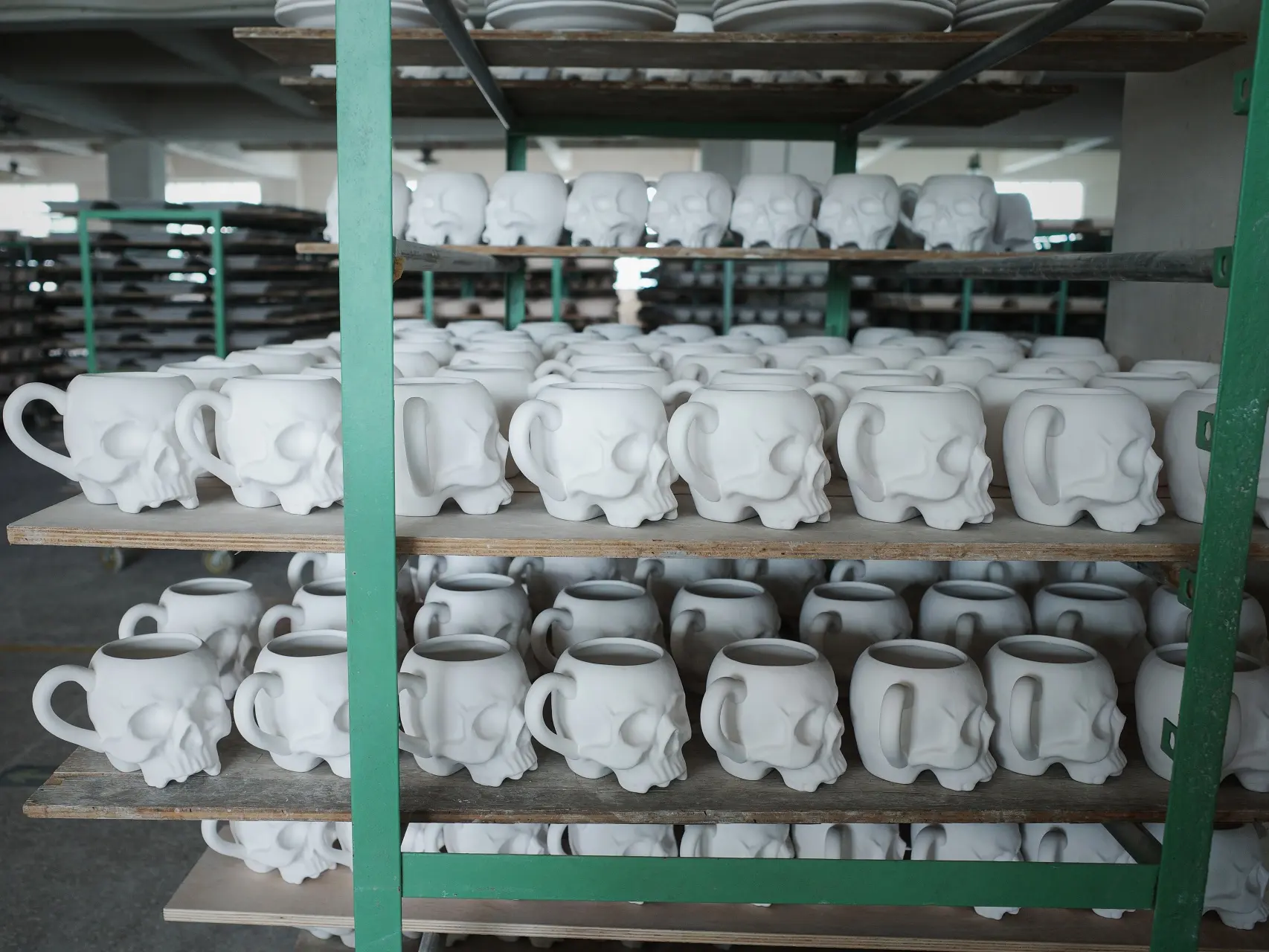
How Do OEM and ODM Compare in Cost and Investment?
Which Model Has Lower Development Costs?
ODM generally has lower development costs because the manufacturer has already invested in the core product.
OEM costs can include:
- Custom mold or tooling development
- Product sampling and revisions
- Custom glaze development
- Decoration testing
- Production trials
- Custom packaging development
Kedali’s manufacturing experience can become particularly relevant at this stage. For a custom ceramic cup project, an experienced factory can assess whether the proposed dimensions, handle structure, glaze, and decoration are suitable for ceramic production before the project reaches mass production.
That early assessment can help buyers avoid spending on a design that later requires expensive production changes.
How Does MOQ Affect OEM and ODM Profitability?
MOQ affects profitability because ceramic cup production has setup and process costs that do not decrease proportionally with a smaller order.
Custom colors, molds, decorations, and packaging can require additional preparation. If an OEM buyer orders only a small quantity, these fixed costs are distributed across fewer cups, increasing the effective cost per unit.
ODM can have an advantage when existing molds, materials, and production processes are already available. However, buyers should not assume that ODM always has the lowest total cost. The more important question is:
How much of the development and setup cost will be spread across the expected order volume?
For repeat wholesale orders, an OEM product can become increasingly competitive because the initial development investment is distributed over multiple production runs.
Which Model Offers More Ceramic Cup Customization?
How Much Can OEM Ceramic Cups Be Customized?
OEM ceramic mugs offer the greatest control over the physical product. Depending on the project, buyers can customize:
- Cup shape and dimensions
- Вместимость
- Handle design
- Wall thickness and weight
- Glaze color and finish
- Surface decoration
- Logo placement
- Упаковка
But more customization does not automatically mean more commercial value.
For example, changing a cup’s wall thickness may create a different hand feel and premium appearance, but it can also change material consumption, weight, firing behavior, shipping cost, and breakage risk.
This is where an experienced custom ceramic cup manufacturer can add value: customization decisions should be evaluated not only from a design perspective but also from their effect on production and unit economics.
What Can Brands Customize with ODM Ceramic Cups?
ODM usually allows buyers to customize the elements that have the greatest branding impact without changing the entire product structure.
Typical options include:
- Logo printing
- Цвета глазури
- Decorative patterns
- Упаковка
- Gift boxes
- Product combinations
For many private label projects, this level of customization is sufficient. A buyer can create a recognizable ceramic cup collection while keeping development costs and lead times under control.
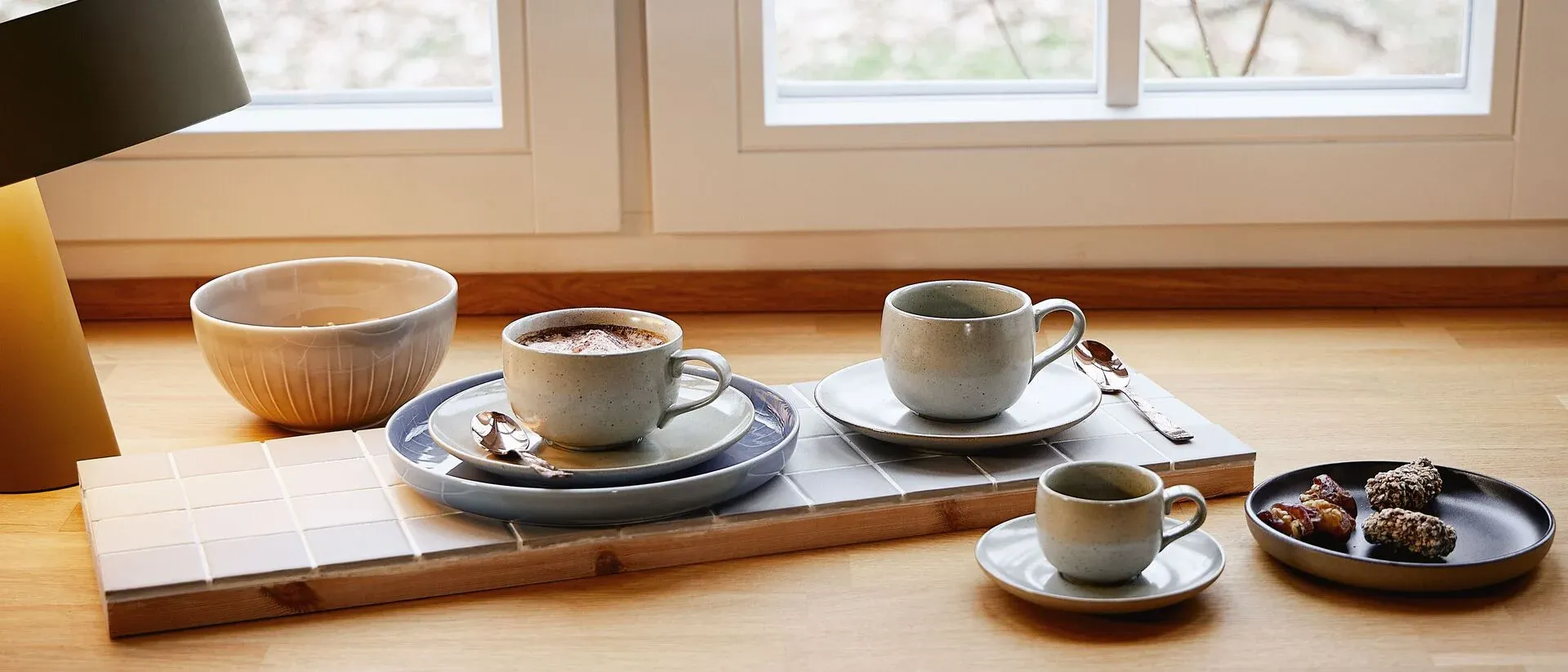
Which Model Is Faster and More Cost-Efficient for Launching a Ceramic Cup?
Why Does ODM Usually Have a Shorter Development Cycle?
ODM usually requires less development because the core product has already been established.
The manufacturer may already have the mold, forming process, glaze specifications, firing parameters, and quality standards. Buyers can therefore focus on selecting products and adapting branding rather than developing the physical cup from the beginning.
For seasonal products or market tests, this shorter cycle can have a direct financial benefit. The earlier a product reaches the market, the sooner the buyer can validate demand and avoid tying capital up in lengthy development.
When Is OEM Worth the Longer Development Time?
OEM is worth the additional development time when differentiation can create enough long-term commercial value.
A proprietary ceramic cup may support a premium price, stronger brand recognition, or exclusive distribution. If the product becomes a repeat seller, the initial development cost becomes less significant relative to cumulative sales.
For this reason, OEM should be evaluated based on product lifetime, not only first-launch speed.
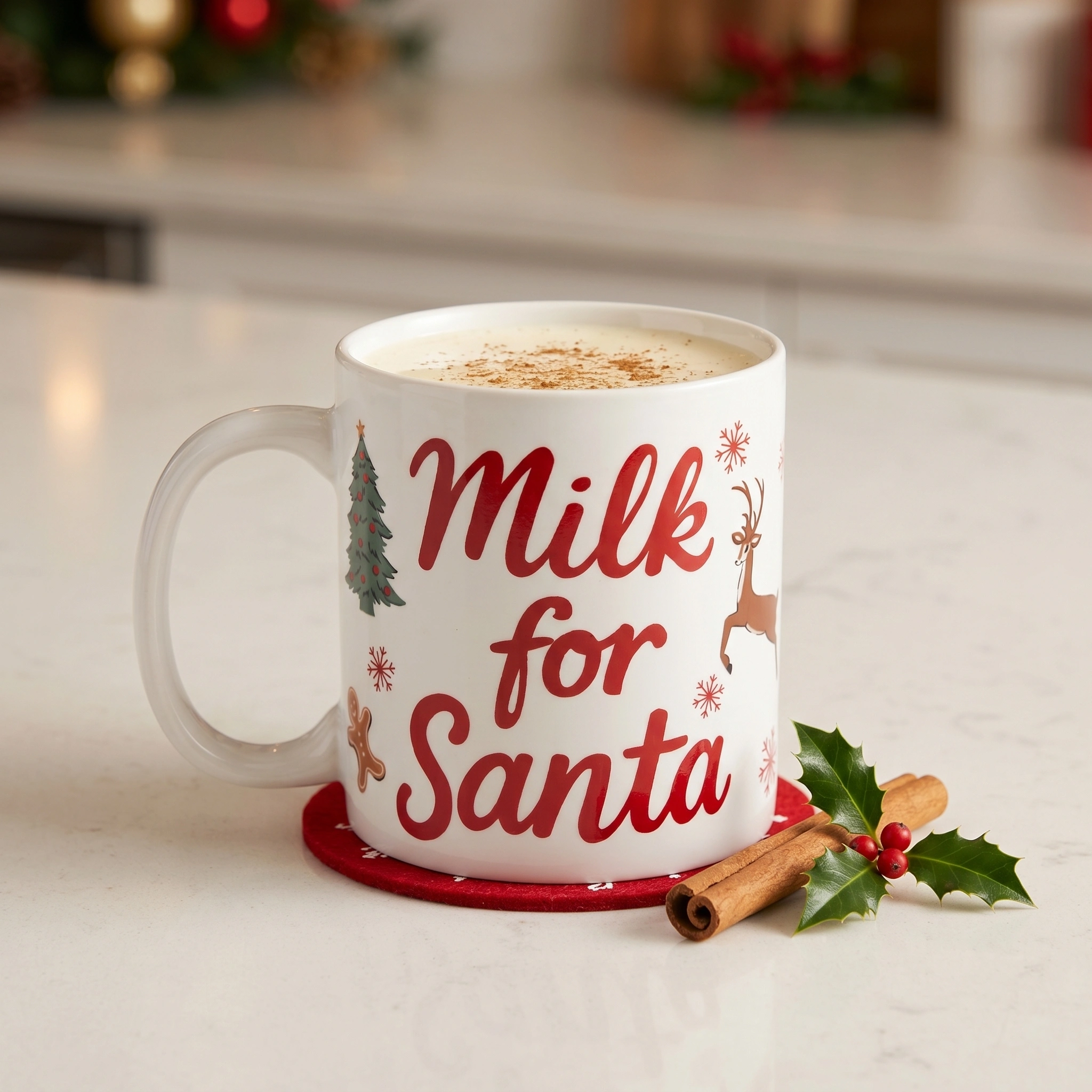
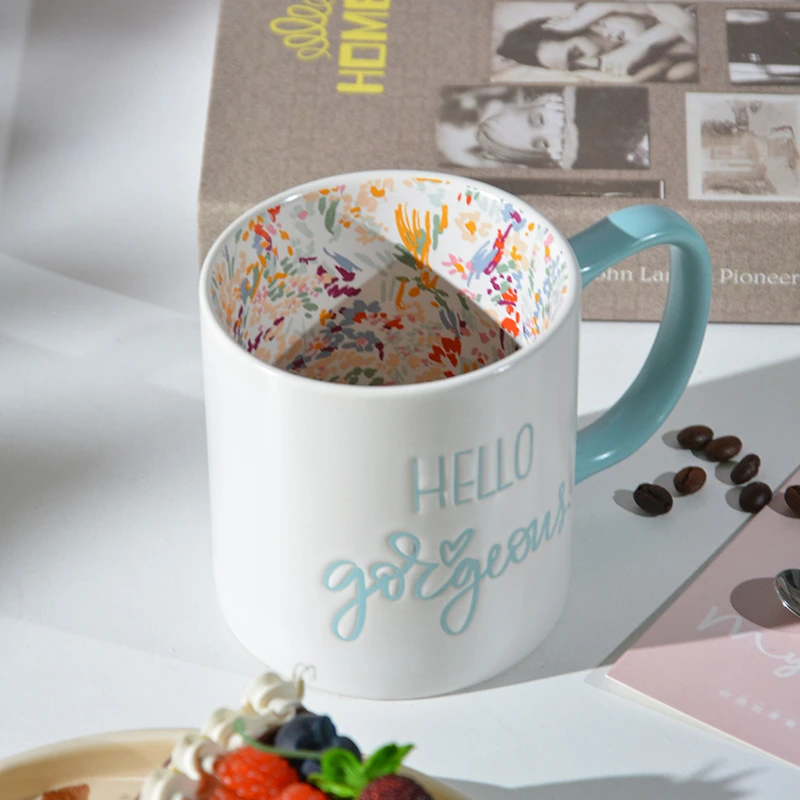
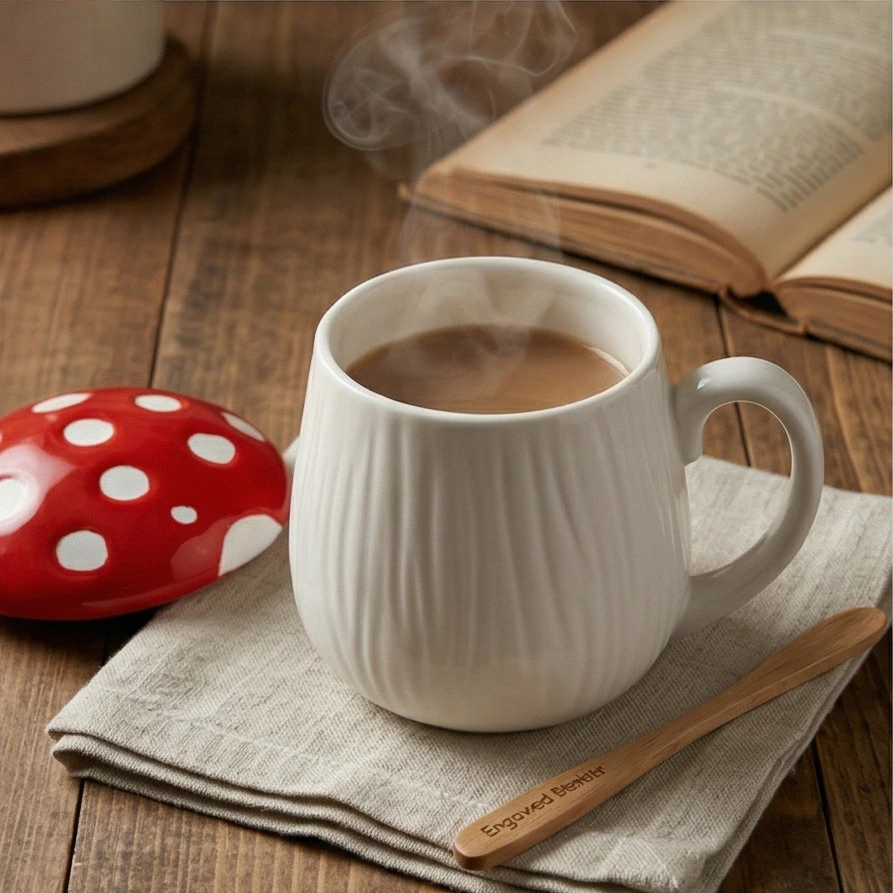
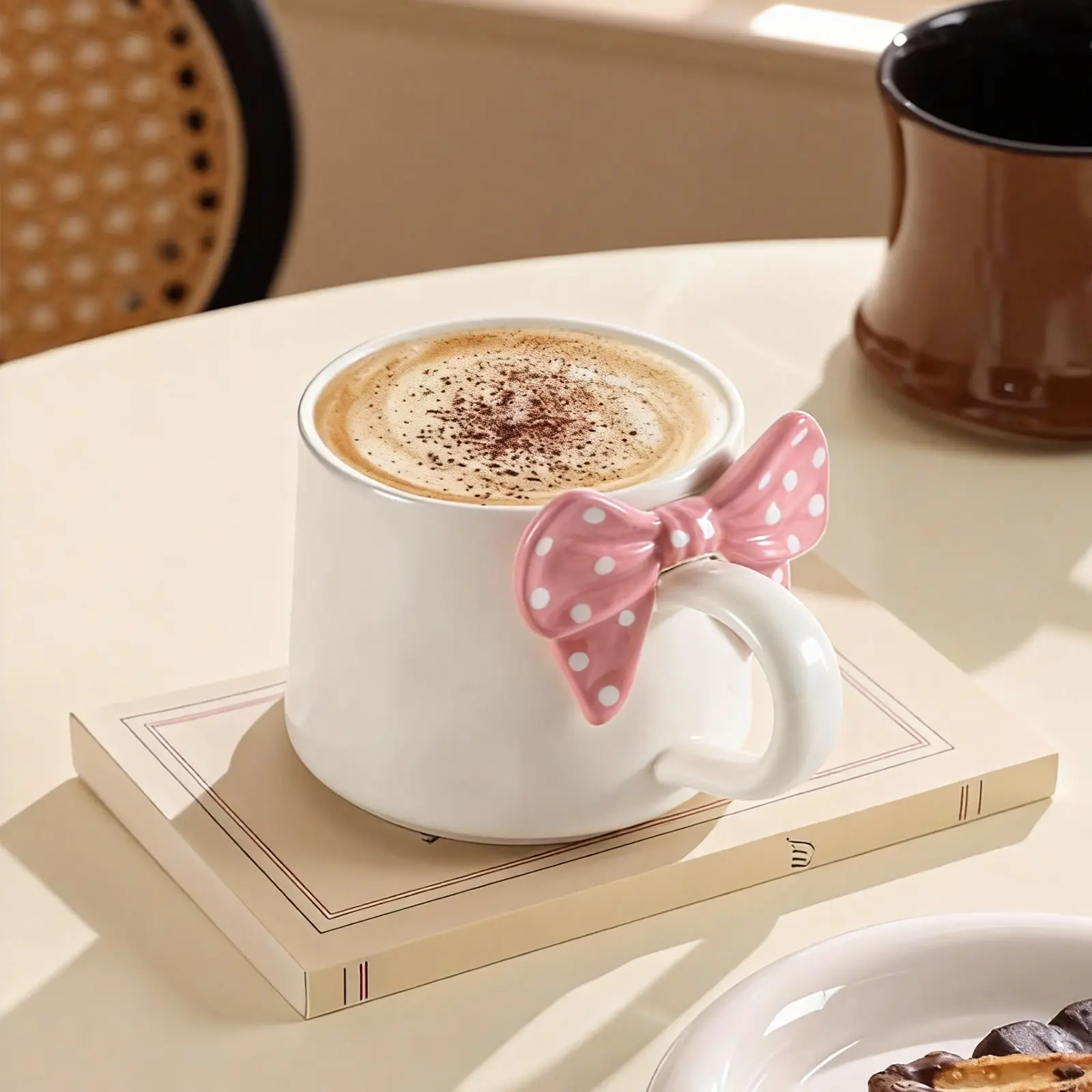
Which Model Is Better for Different Types of Buyers?
| Тип покупателя | Choose ODM When… | Choose OEM When… | Main Priority |
|---|---|---|---|
| Бренды под собственной торговой маркой | New to ceramic cups, demand is unproven, or fast launch is needed | Brand positioning and product differentiation are already clear | Balance investment and differentiation |
| Wholesalers & Importers | Need a broad range with competitive pricing and flexible product selection | Have established distribution and need exclusive designs | Product range, cost, and repeat orders |
| Retail & E-Commerce Brands | Want to test multiple designs with lower development costs | A proven product needs deeper customization and stronger differentiation | Market testing and product uniqueness |
How Can Kedali Support Both OEM and ODM Ceramic Cup Projects?
How Does Kedali Support Custom Ceramic Cup Development?
Kedali combines ceramic manufacturing capabilities with product customization for buyers developing differentiated products.
For OEM projects, our support can cover product specifications such as shapes, sizes, colors, patterns, logos, and packaging. More importantly, the manufacturing process needs to be considered alongside the design.
A custom ceramic cup should be evaluated for forming, glazing, firing, dimensional consistency, and production stability before mass production. This helps reduce the risk that a visually attractive concept becomes difficult or expensive to manufacture.
For buyers planning larger or repeat orders, this manufacturing input can help balance customization, production cost, quality, and scalability from the beginning.
How Does Kedali Support ODM Ceramic Cup Projects?
Для ODM ceramic mug projects, Kedali allows buyers to start from existing ceramic product designs and adapt them to their target market.
Instead of investing in an entirely new cup structure, buyers can focus on high-impact commercial details such as glaze colors, patterns, branding, and packaging.
This can help wholesalers and private label brands develop a wider product range while keeping development costs and lead times under control.
For businesses that need bulk ceramic cup supply, ODM can also provide a practical way to scale proven product designs before investing in deeper customization.
How Does Kedali Control Ceramic Cup Quality During Production?
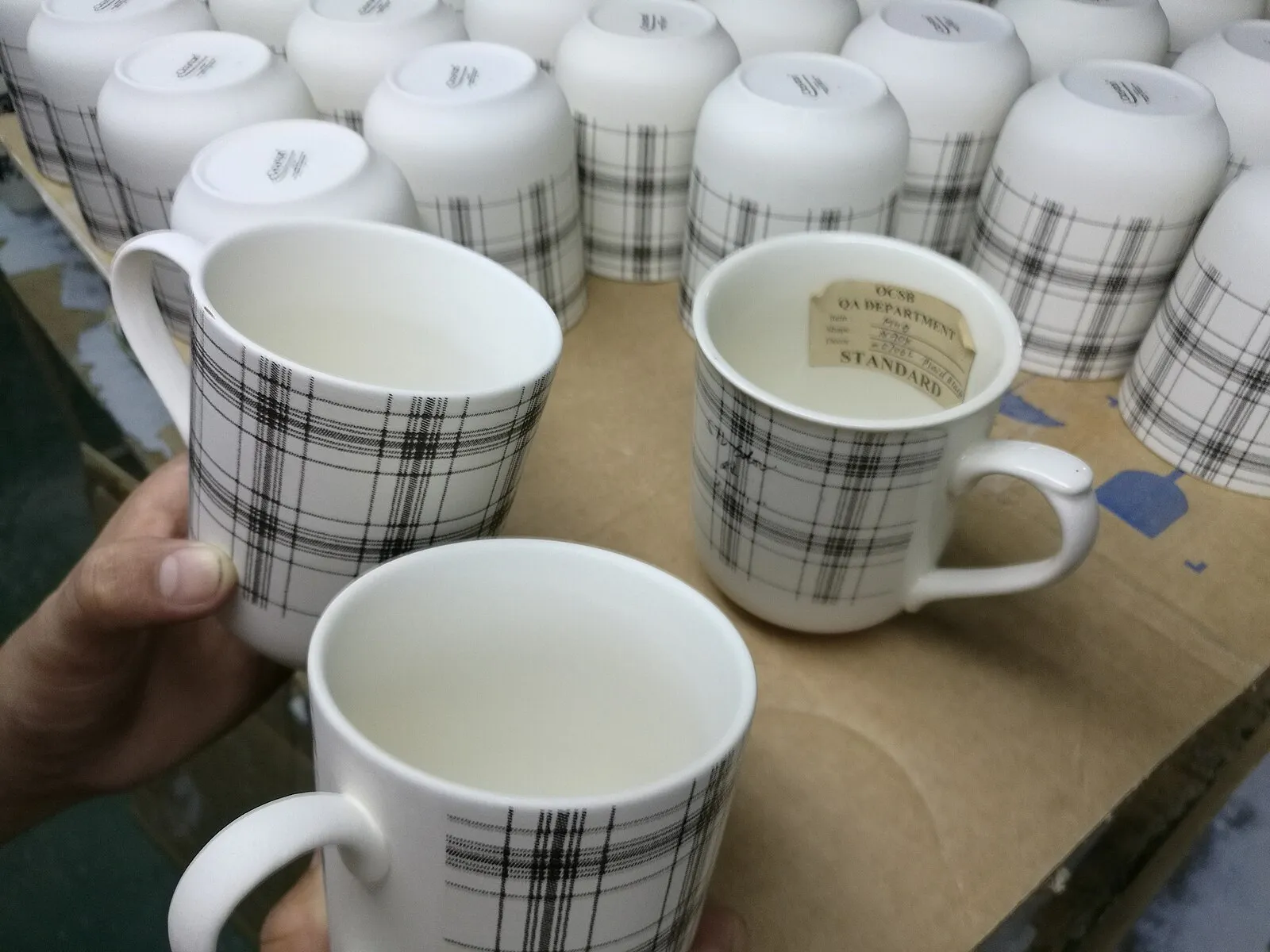
Ceramic cup quality depends on consistency across the entire production process, including material preparation, forming, glazing, firing, decoration, inspection, and packaging.
Kedali’s manufacturing approach covers these stages rather than treating final inspection as the only quality checkpoint.
This is particularly important for OEM ceramic mugs. A custom design may introduce new variables that affect dimensions, glaze appearance, weight, or structural integrity. Controlling these variables during production helps ensure that the mass-produced cups remain consistent with the approved sample.
For buyers, this reduces one of the major hidden costs in ceramic sourcing: rejected batches, rework, and inconsistent repeat orders.
How Should You Choose Between OEM and ODM Ceramic Cups?
| Business Priority | Better Starting Model | Commercial Reason |
|---|---|---|
| Minimize upfront investment | ODM | Lower product development requirements |
| Launch quickly | ODM | Existing product structure and tooling |
| Test market demand | ODM | Lower financial commitment |
| Create exclusive designs | OEM | Greater product differentiation |
| Build a flagship product | OEM | Higher long-term differentiation |
| Generate repeat wholesale orders | OEM or ODM | Depends on required exclusivity |
| Protect premium pricing | OEM | Unique design can reduce direct comparison |
| Build a broad product range | ODM | Easier to expand existing designs |
Заключение
The more profitable model depends on how the product generates profit over its entire sales cycle.
ODM generally has an advantage in the early stage because it can reduce development investment, shorten launch time, and lower the financial risk of testing a new ceramic cup.
OEM can have a stronger long-term advantage when customization creates meaningful differentiation, supports a higher selling price, and generates repeat orders that spread the original development cost across a larger volume.
The decision can therefore be viewed through four commercial variables:
Development cost + unit cost + achievable selling price + repeat-order potential.
If demand is uncertain, ODM can protect cash flow. If demand is proven and differentiation matters, OEM can create stronger long-term economics.
FAQs About OEM and ODM Ceramic Cups
Can an OEM Ceramic Cup Be Based on an Existing ODM Design?
Yes. Buyers can use an existing ODM design as a starting point and make bigger changes to create a more customized OEM product.
How Does Ceramic Cup Weight Affect Shipping Cost?
Heavier cups can provide a more substantial feel but increase shipping weight. Weight should therefore be balanced against product positioning and freight cost.
When Is Custom Ceramic Cup Tooling Worth the Cost?
Tooling is more worthwhile when the product has strong repeat-order potential, allowing the initial cost to be spread across larger production volumes.