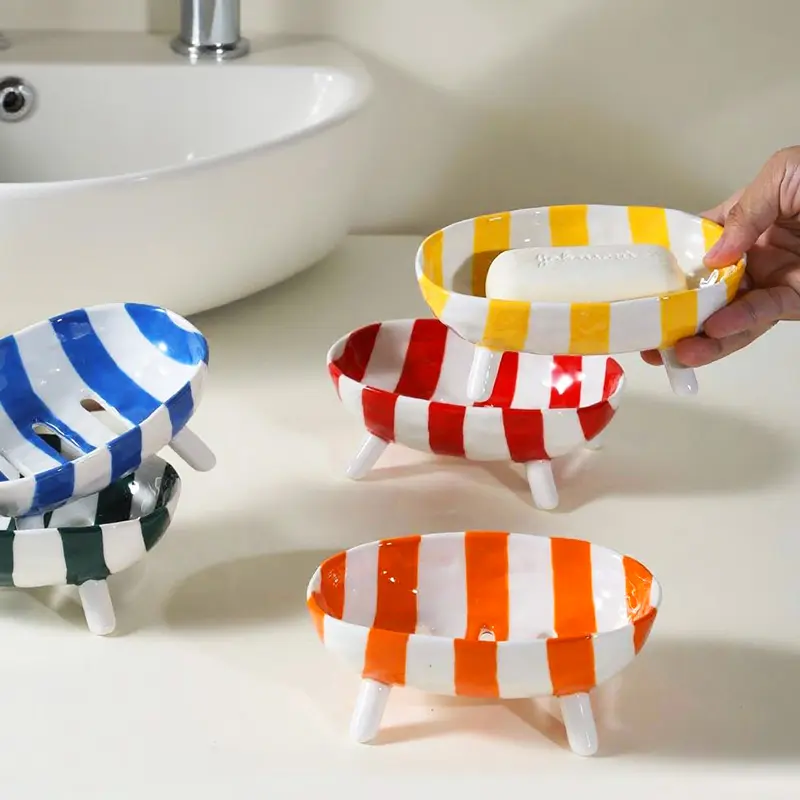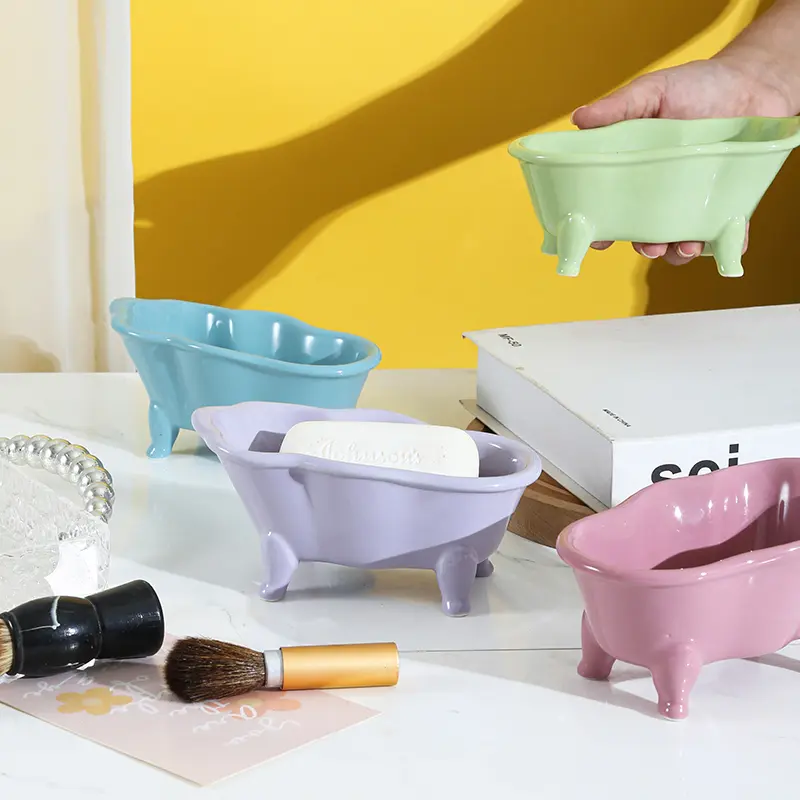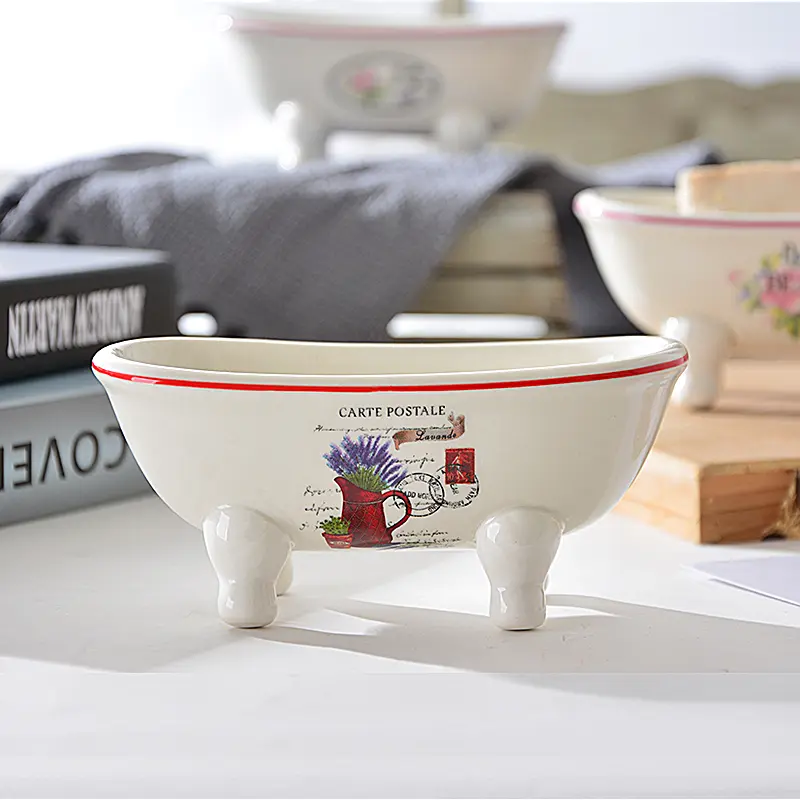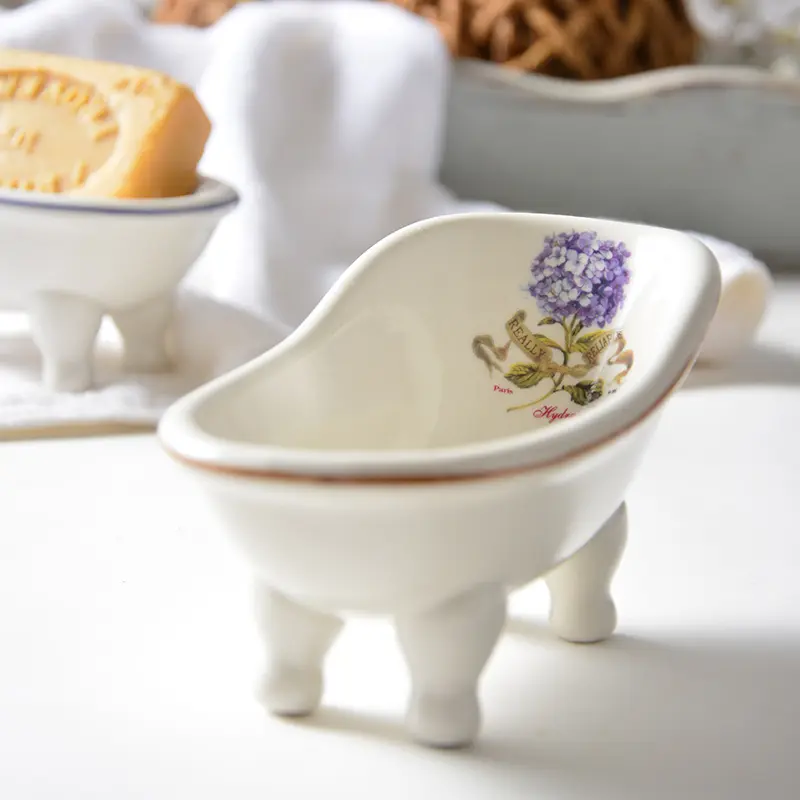
Правильный выбор аксессуаров для ванной комнаты для отеля, розничной линии или оптовой программы - это решение о закупках, а не эстетическая прихоть. Правильный выбор сокращает количество возвратов, снижает стоимость жизненного цикла и защищает восприятие бренда.
В этом путеводителе Кедали, а ведущий производитель керамических аксессуаров для ванной комнаты, В ней решение разбито на четыре практических аспекта - материал, дизайн продукта, возможности фабрики и общая стоимость и долгосрочная ценность - и приведены четкие сравнения, чтобы команды закупщиков могли соотнести выбор с конкретными случаями использования.
Материал: Соответствие окружающей среде и позиционированию бренда
Почему это важно: Материал, из которого изготовлены аксессуары для ванной комнаты, определяет долговечность, уход, безопасность и воспринимаемое качество. Ниже перечислены распространенные варианты и то, когда стоит отдать предпочтение каждому из них.
- Керамика
- Сильные стороны: премиальный внешний вид и тактильный вес, хорошая термо- и влагостойкость при глазуровании, легкость очистки, сильное позиционирование бренда на рынках среднего и высокого класса.
- Риски: тяжелее при транспортировке; при неправильном изготовлении или обращении возможны сколы.
- Нержавеющая сталь
- Сильные стороны: отличная ударопрочность и коррозионная стойкость, малое количество поломок, идеально подходит для помещений с высокой проходимостью или учреждений.
- Риски: может показаться утилитарным; накапливаются видимые царапины, что может снизить воспринимаемую ценность.
- Смола
- Сильные стороны: низкая стоимость, малый вес, практически полное отсутствие поломок при транспортировке.
- Риски: более низкое качество, подверженность обесцвечиванию и химическому воздействию; не подходит для премиальных брендов.
- Стекло
- Сильные стороны: эстетика премиум-класса.
- Риски: хрупкость, тяжесть, дорогостоящая упаковка и логистика.
Контрольный список решений:
- Среда с высокой влажностью, в которой находятся гости → керамика или высококачественной нержавеющей стали.
- Помещения с высокой интенсивностью использования (комнаты персонала, общественные туалеты) → нержавеющая сталь или прочной смолы.
- Розничные коллекции премиум-класса → керамика для поднятия бренда и фотосъемки.
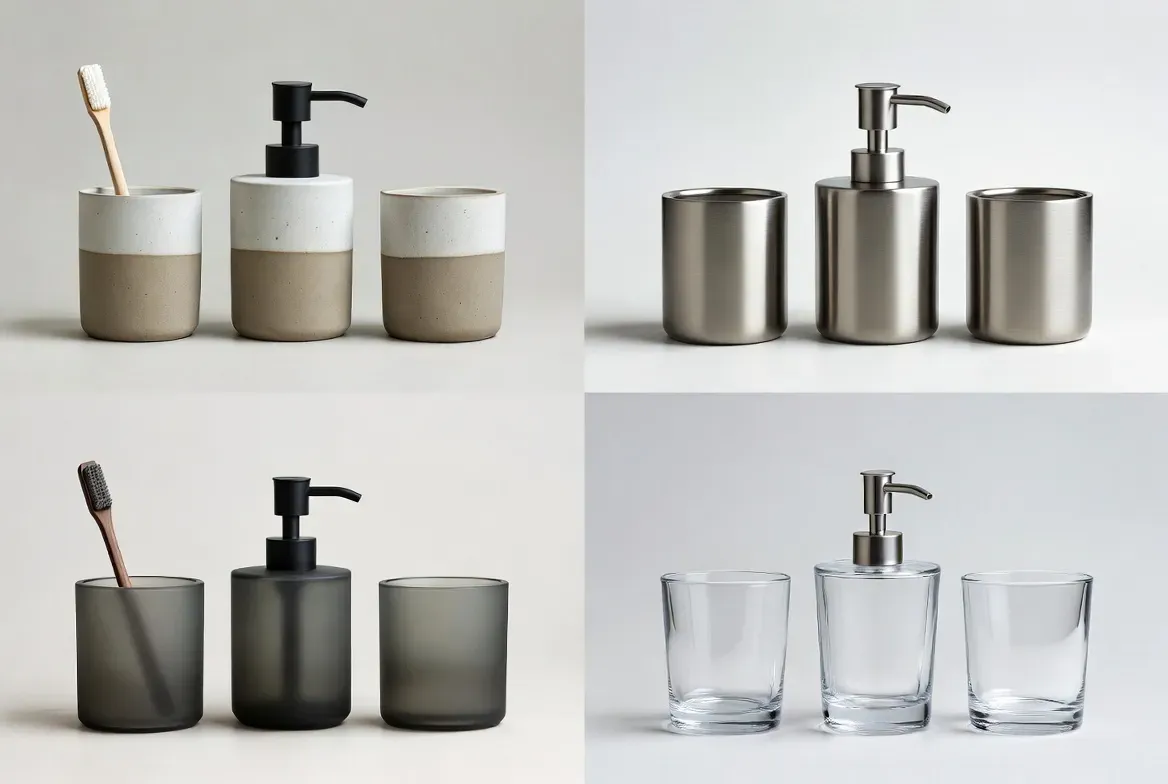
Дизайн продукта и функциональная подгонка: Форма следует за использованием
Почему это важно: Дизайн аксессуаров для ванной комнаты влияет на удобство использования, безопасность и обслуживание в реальных ванных комнатах, а не только на полке с продуктами.
Ключевые функциональные критерии для оценки:
- Устойчивость/распределение веса: Тяжелые основания или нескользящие ножки предотвращают опрокидывание на мокрых столах.
- Монтаж и установка: Настенные элементы должны соответствовать метрическим стандартам и типам оснований, используемых в ваших проектах.
- Удобство обслуживания: детали, которые выходят из строя (насосы, уплотнения, присоски), должны быть заменяемыми.
- Эргономика уборки: Простая геометрия и доступные швы сокращают время чистки и трудозатраты.
Компромиссы в дизайне:
- Гладкие минималистичные линии хорошо фотографируются, но могут скрывать загрязнения в узких швах.
- Вычурные конструкции проверяют производственные допуски и повышают риск брака.
Руководство по принятию решений:
- Гостеприимство и проекты: в приоритете стабильность, удобство в эксплуатации и простота уборки.
- Коллекции для розничной торговли/брендов: приоритет отдается оригинальному дизайну, но при этом проверяется на прочность.

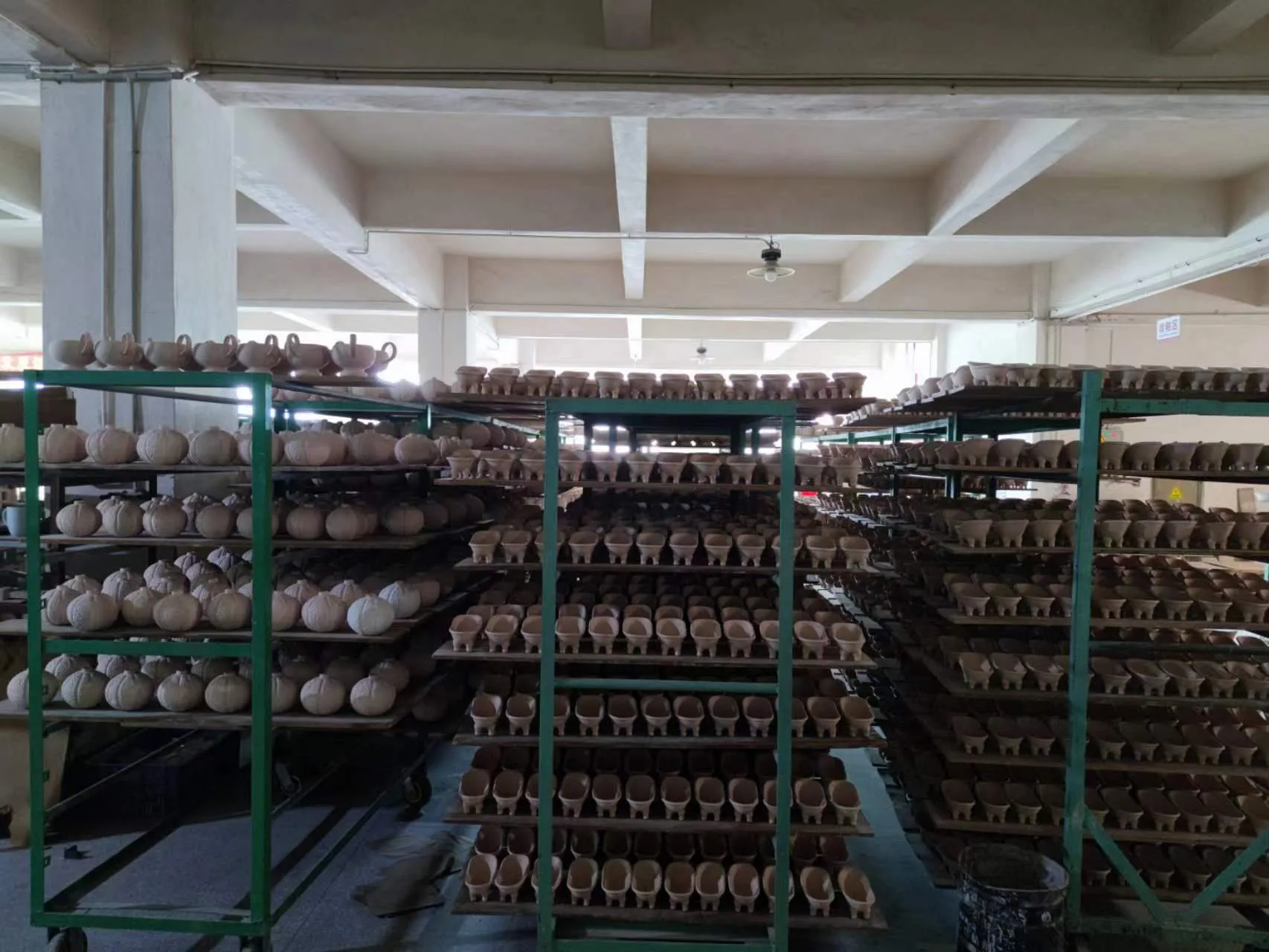
Возможности завода: Оценивайте поставщиков, а не только образцы
Почему это важно: Отличный образец не гарантирует стабильного массового производства. Возможности фабрики определяют количество брака, время выполнения заказа и соответствие требованиям.
Типы фабрик и их последствия
- Специализированные фабрики по производству аксессуаров для ванных комнат (собственная формовка, остекление, гальваническое покрытие): лучше всего подходит для стабильного качества и индивидуальных проектов.
- Общие керамические/нержавеющие заводы: могут быть конкурентоспособными по цене, но требуют более жесткого контроля качества.
- Торговые компании: полезно для небольших объемов, но при этом меньше контроля над производством и контролем качества.
Обязательная проверка заводских критериев
- Внутренние процессы: Критические этапы (формовка, гальваника, остекление) выполняются внутри компании или передаются на аутсорсинг? Внутренний контроль снижает вариативность.
- Системы качества: Проверки поступающих материалов, контрольные точки в процессе производства, окончательные проверки по AQL и прослеживаемость партий.
- Возможности тестирования: Испытания на коррозию, солевой туман, адгезию и влагостойкость для соответствующих материалов.
- Опыт работы в сфере соблюдения нормативных требований: Способность производить продукцию в соответствии с рыночными стандартами (например, REACH, RoHS, где это применимо) и предоставлять отчеты об испытаниях.
- Вместимость и масштабируемость: Пропускная способность в пиковый сезон, резервные печи или линии и планы на случай непредвиденных обстоятельств.
Руководство по принятию решений: Для частных марок или долгосрочных программ отдавайте предпочтение специализированным фабрикам с документально подтвержденным контролем качества и тестированием. При выборочных покупках проверяйте планы проверки третьими сторонами и четкие правила возврата.
Общая стоимость и долгосрочная ценность: Думайте о жизненном цикле, а не о цене за единицу продукции
Почему это важно: За ценой единицы продукции часто скрываются расходы на замену, обслуживание, логистику и репутацию.
Компоненты затрат для моделирования:
- Стоимость единицы продукции × ожидаемый срок службы (с учетом частоты поломок)
- Упаковка и доставка хрупких предметов (керамика требует более надежной и дорогостоящей защиты)
- Расходы на гарантийное обслуживание и возврат товара
- Эксплуатационное обслуживание (чистящие средства, рабочее время)
- Влияние бренда (негативные отзывы или делистинг влекут за собой большие убытки)
Практические правила
- Более низкая цена за единицу продукции оправдана только в том случае, если общая стоимость на месте (включая возврат) остается ниже.
- Для аксессуаров, предназначенных для гостей, учитывайте в показателях рентабельности инвестиций прирост доходов от более качественной презентации (повышение стоимости номеров, увеличение ASP продукта).
- Проведите переговоры о пороговых значениях AQL и оговорках о замене, чтобы сбалансировать риск и цену.
Собираем все воедино: Рекомендации по сценарию
| Сценарий покупателя | Рекомендуемая стратегия использования материалов | Ключевые приоритеты выбора | Требования к поставщикам/заводам |
|---|---|---|---|
| Отели и премиальные бренды F&B | Керамика для гостевых зон; нержавеющая сталь для внутренних помещений | Внешний вид, влагостойкость, термостойкость, восприятие бренда | Специализированные фабрики; контроль качества глазури; отчеты о проверке миграции свинца/кадмия |
| Розничные частные торговые марки | Коллекции, ориентированные на керамику | Дифференциация дизайна, визуальная согласованность, привлекательность на полке | Строгий контроль цвета и размеров партии; процесс утверждения золотого образца |
| Институциональные проекты с большими потерями | Нержавеющая сталь или армированная смола | Устойчивость к ударам, низкая стоимость замены, долговечность в эксплуатации | Экономическая эффективность; стабильные поставки; базовое соответствие и контроль качества |
| Продавцы электронной коммерции | Керамика с оптимизированной упаковкой или нержавеющая сталь | Стоимость упаковки, количество поломок, рентабельность SKU | Дифференциация дизайна, визуальная согласованность и привлекательность на полках |
Заключительный контрольный список для команд по закупкам
- Определите основной сценарий использования (гостевой или утилитарный).
- Выберите материал, соответствующий окружающей среде и бренду.
- Проверьте конструкцию на предмет очистки, стабильности и работоспособности.
- Проведите аудит возможностей завода: внутренних процессов, контроля качества, тестирования и мощностей.
- Рассчитайте стоимость жизненного цикла (единица товара + упаковка + возврат + обслуживание).
- Требуются подписи золотых проб, соглашения AQL и документация о соответствии.
Заключение
Выбор аксессуары для ванной это стратегическое решение. Согласуйте материал, дизайн, возможности завода и стоимость жизненного цикла с вашей бизнес-моделью - и вы превратите товарную покупку в бренд и операционное преимущество.
О Кедали
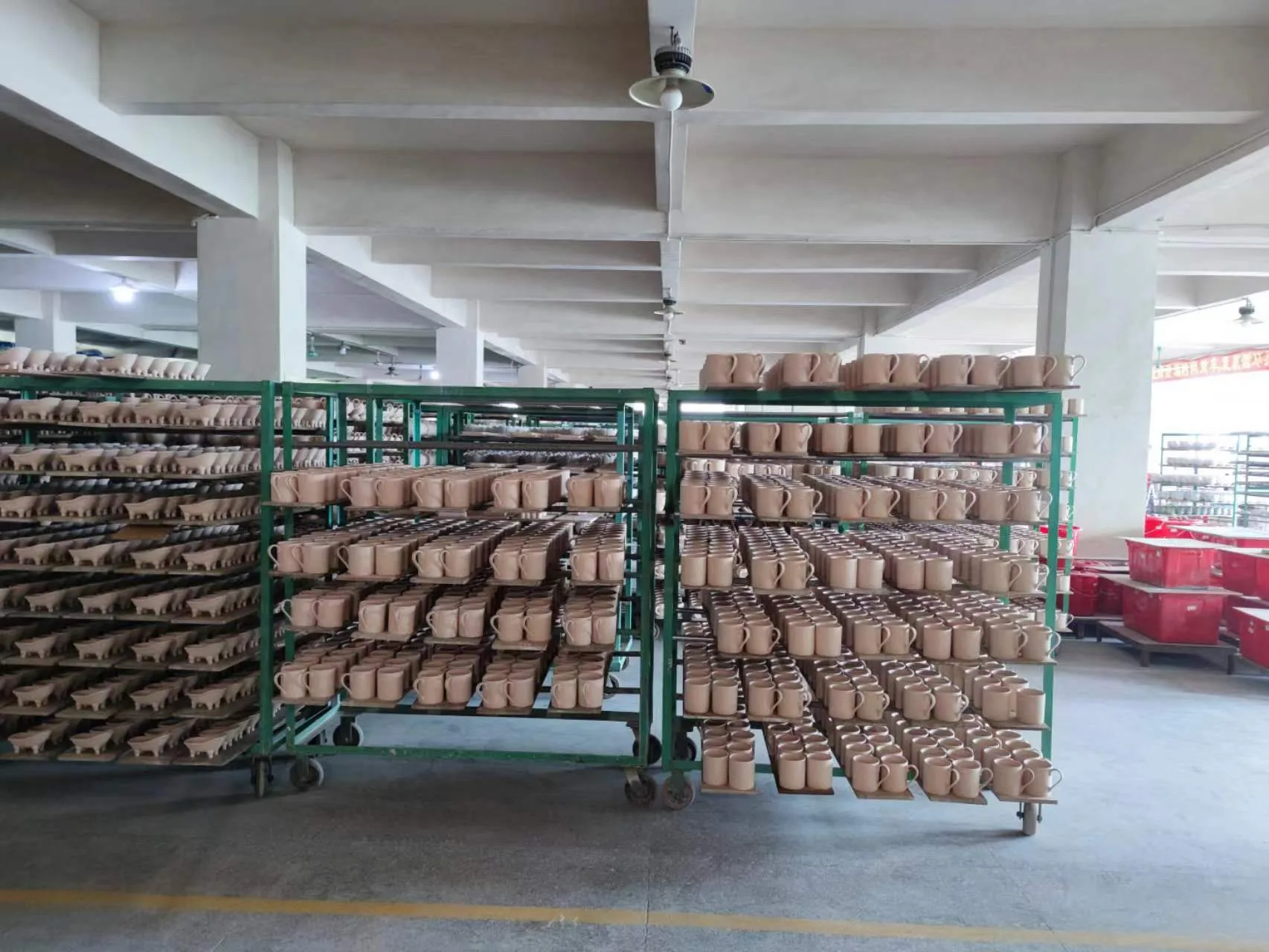
Кедали работает как керамические аксессуары для ванной комнаты оптовик, специализирующаяся на Индивидуальные решения керамических аксессуаров для ванной комнаты для брендов, стремящихся к постоянству и характерности.
Как поставщик, работающий на заводе, мы полагаемся на зрелые возможности производства керамики, чтобы воплотить дизайнерский замысел в изысканные, функциональные изделия. От разработки формы до обработки поверхности, наша производственная команда поддерживает эстетику конкретного бренда, оставаясь открытой для новых техник и творческих направлений.
Благодаря стабильному производству и гибкой настройке Kedali помогает брендам, производящим ванные комнаты, создавать дифференцированные коллекции с уверенностью.