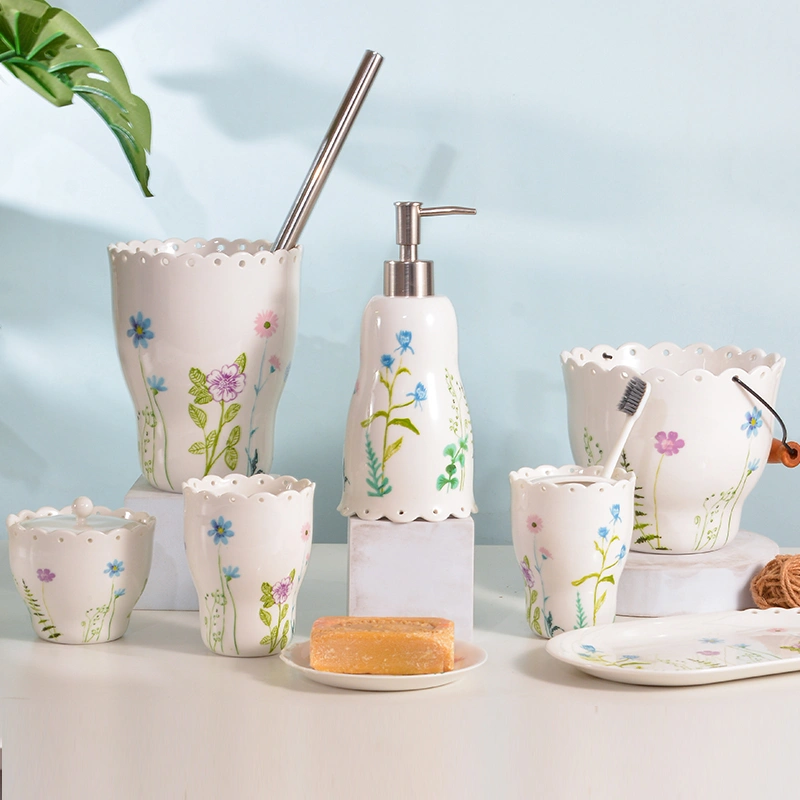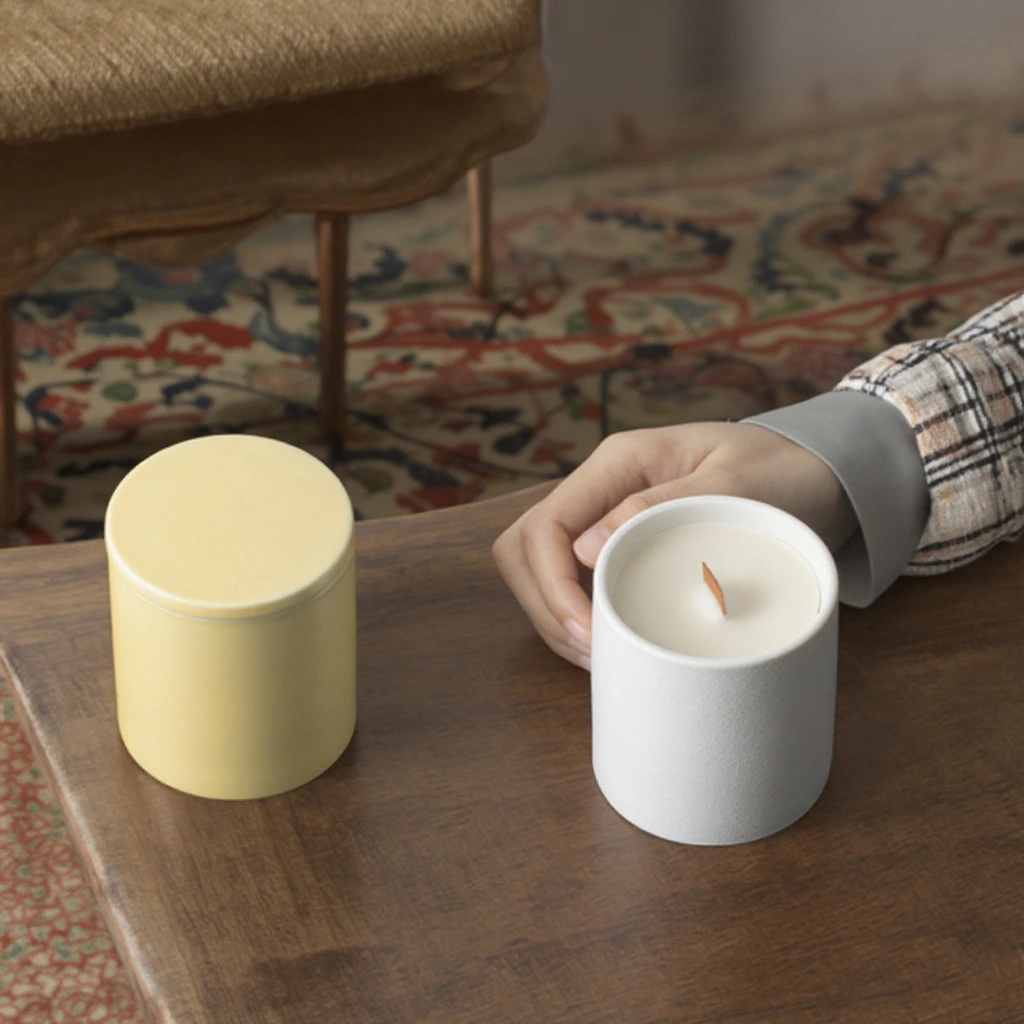
Les ustensiles de cuisine sous marque de distributeur sont devenus l'un des segments connaissant la plus forte croissance au sein du secteur mondial des articles pour la maison et la cuisine. Des vendeurs Amazon aux chaînes de distribution, en passant par les importateurs et les marques lifestyle, les entreprises lancent de plus en plus de collections exclusives d'ustensiles de cuisine en céramique afin de se démarquer sur un marché très concurrentiel.
À mesure que les marques se développent, cependant, nombre d'entre elles se rendent compte que leur modèle d'approvisionnement a un impact direct sur la qualité des produits, la rentabilité et la rapidité de mise sur le marché. Si les sociétés commerciales continuent de jouer un rôle important dans l'approvisionnement international, les marques mieux établies choisissent de plus en plus de travailler directement avec les fabricants.
Pourquoi cette évolution s'opère-t-elle ? Cet article examine les avantages de s'approvisionner en ustensiles de cuisine en céramique sous marque de distributeur directement auprès des usines, compare les fabricants et les sociétés commerciales, et explique comment choisir le bon partenaire de production.
Pourquoi le marché des ustensiles de cuisine sous marque de distributeur connaît-il une croissance aussi rapide ?
Demande croissante des consommateurs pour des produits originaux
Les consommateurs d'aujourd'hui recherchent des produits qui reflètent leur style personnel. La vaisselle standard cède peu à peu la place à des collections aux couleurs originales, aux glaçures réactives, aux finitions artisanales et aux designs modernes.
Pour les marques, les marques de distributeur constituent un moyen de se démarquer sans devoir miser uniquement sur le prix.
Essor du commerce électronique et des marques vendant directement aux consommateurs
L'essor d'Amazon, de Shopify et d'autres plateformes de commerce électronique a facilité la création d'une marque d'ustensiles de cuisine. Plutôt que de vendre des produits identiques à ceux de tous leurs concurrents, les entreprises investissent désormais dans des collections de céramique personnalisées qui renforcent la notoriété de leur marque et la fidélité de leur clientèle.
De meilleures marges grâce aux marques de distributeur
Posséder sa propre marque permet d'exercer un meilleur contrôle sur la tarification, le marketing et l'expérience client. Plutôt que de se livrer à une concurrence axée sur de faibles marges, les entreprises peuvent créer de la valeur à long terme grâce à des produits exclusifs et à un positionnement haut de gamme.
Le rôle traditionnel des sociétés commerciales
En quoi consiste l'activité d'une société de négoce ?
Une société de négoce joue le rôle d'intermédiaire entre les acheteurs et les fabricants. Au lieu de produire elle-même des biens, elle s'approvisionne auprès de plusieurs usines, gère la communication et coordonne les achats et les exportations.
Avantages des sociétés de négoce
Les sociétés de négoce présentent encore plusieurs avantages, notamment pour les petits acheteurs :
- Accès à plusieurs catégories de produits auprès d'un seul fournisseur
- Des quantités minimales de commande (QMC) plus faibles
- Une communication simplifiée pour les nouveaux importateurs
- Simplification de l'approvisionnement lors de l'achat de différents produits
Pour les entreprises qui passent de petites commandes d'essai ou qui s'approvisionnent dans plusieurs catégories, les sociétés commerciales restent une option pratique.
Pourquoi de nombreuses marques en pleine croissance finissent par dépasser le stade des sociétés de négoce
À mesure que le volume des commandes augmente, les marques ont souvent besoin d'un contrôle accru sur le développement des produits, la constance de la qualité, la tarification et les calendriers de production. À ce stade, le recours à un intermédiaire peut entraîner des coûts supplémentaires et limiter la flexibilité, ce qui rend les partenariats directs avec les usines plus intéressants.
Pourquoi de plus en plus de marques s'approvisionnent directement auprès des fabricants d'ustensiles de cuisine en céramique
Une meilleure personnalisation des produits
La personnalisation est l'une des principales raisons pour lesquelles les marques optent pour un approvisionnement direct auprès des usines.
Un professionnel fabricant d'ustensiles de cuisine en céramique sur mesure peut développer des produits adaptés à votre marque, notamment :
- Formes et tailles exclusives
- Couleurs de glaçure personnalisées
- Logos en relief ou imprimés
- Finitions de surface uniques
- Emballage prêt à la vente
La communication directe avec l'équipe de production permet également d'accélérer les révisions de conception et les validations d'échantillons.
Réduction des coûts d'approvisionnement à long terme
Si les sociétés commerciales facilitent l'approvisionnement, elles entraînent également des coûts supplémentaires.
Travailler directement avec un fabricant peut aider les marques à :
- Réduire les marges des intermédiaires
- Négocier de meilleurs tarifs pour les commandes récurrentes
- Améliorer les marges bénéficiaires
- Optimiser les coûts de production au fil du temps
Pour les entreprises qui passent régulièrement des commandes en gros, ces économies peuvent s'avérer considérables.
Un contrôle qualité plus rigoureux
La cohérence des produits est essentielle pour les marques de distributeur.
Les partenariats directs avec les usines offrent une meilleure visibilité sur :
- Sélection des matières premières
- Formulation de l'émail
- Processus de production
- Contrôles en cours de fabrication
- Contrôle qualité final
Ce niveau de contrôle permet de garantir que chaque lot de production respecte les mêmes normes de qualité.
Accélération du développement des produits
Le lancement de nouveaux produits nécessite souvent plusieurs cycles d'échantillonnage et de mise au point.
Le fait de travailler directement avec les ingénieurs et les responsables de production permet aux acheteurs de :
- Résoudre plus rapidement les problèmes techniques
- Réduire la durée des cycles de développement des échantillons
- Améliorer la précision de la communication
- Mettre plus rapidement de nouveaux produits sur le marché
Une plus grande transparence de la chaîne d'approvisionnement
Les fabricants peuvent fournir des informations actualisées en temps réel sur les calendriers de production, la disponibilité des matériaux et les délais de livraison.
Cette transparence permet aux marques de mieux gérer leurs stocks, de prévoir la demande et de réduire les perturbations dans la chaîne d'approvisionnement.
Comparaison entre un fabricant d'ustensiles de cuisine en céramique sous marque de distributeur et une société de négoce
| Comparaison | Fabricant | Société commerciale |
|---|---|---|
| Coût du produit | Réduire les coûts d'approvisionnement à long terme en limitant le nombre d'intermédiaires | Prix plus élevés en raison de la marge appliquée sur les services |
| Personnalisation | Large gamme d'options OEM/ODM, de moules, de glaçures et d'emballages | Généralement limité aux capacités de l'usine |
| Contrôle qualité | Supervision directe tout au long de la production | Dépend de la coordination avec les fournisseurs |
| Quantité minimale de commande | Généralement plus élevé | Souvent plus flexible pour les petites commandes |
| Développement de produits | Une communication plus rapide avec les équipes d'ingénierie | L'ajout de couches de communication supplémentaires peut ralentir les révisions |
| Délai de livraison | Une meilleure planification de la production pour les commandes récurrentes | Cela dépend de la coordination avec l'usine |
| Accès à l'usine | Audits directs et visibilité sur la production | Transparence limitée au niveau des usines |
| Communication | En collaboration directe avec les équipes de production et de qualité | Communication centralisée par l'intermédiaire du courtier |
| Idéal pour | Marques établies, grossistes, distributeurs et acheteurs de longue date | Nouveaux importateurs, petites entreprises et approvisionnement dans plusieurs catégories |
Point à retenir : Les sociétés de négoce offrent la simplicité, tandis que les fabricants garantissent un meilleur contrôle. À mesure que les marques de distributeur se développent, les partenariats directs avec les usines offrent généralement des avantages plus importants en termes de personnalisation, de rentabilité et de constance de la qualité.
Dans quels cas est-il encore judicieux de faire appel à une société de négoce ?
Malgré la tendance à l'approvisionnement direct, les sociétés de négoce continuent de jouer un rôle important dans plusieurs situations.
Petites commandes d'essai
Les entreprises qui testent un nouveau marché ou lancent un produit avec un capital limité peuvent tirer parti des quantités minimales de commande (MOQ) moins élevées proposées par les sociétés commerciales.
Achats multi-catégories
Si un acheteur a besoin d'ustensiles de cuisine en céramique, de produits en acier inoxydable, d'emballages et d'accessoires provenant de différentes usines, une société de négoce peut regrouper les achats et simplifier la logistique.
Expérience limitée en matière d'importation
Pour les importateurs débutants, les sociétés commerciales peuvent apporter leur aide en matière de recherche de fournisseurs, de coordination avec ces derniers et de préparation des documents d'exportation, ce qui simplifie considérablement les premières étapes des achats à l'international.
Comment choisir le bon fabricant d'ustensiles de cuisine en céramique
Évaluer l'expérience en matière de fabrication
Recherchez des fabricants ayant une expérience avérée dans la production d'ustensiles de cuisine en céramique destinés aux marchés internationaux. Une usine disposant de plusieurs années d'expérience dans l'exportation est plus à même de comprendre les attentes en matière de qualité, les exigences de conformité et les normes d'expédition.
Présentation des capacités OEM et ODM
Une solution fiable céramique fabricant d'ustensiles de cuisine devrait prendre en charge :
- Développement de produits sur mesure
- Conception de moules
- Décoration du logo
- Finitions à glaçure réactive
- Solutions d'emballage pour la grande distribution
Ces fonctionnalités permettent aux marques de créer des collections de produits uniques, plutôt que de vendre des articles génériques issus d'un catalogue.
Vérifier les systèmes de contrôle qualité
La qualité doit faire l'objet d'un suivi tout au long du processus de fabrication.
Renseignez-vous auprès des fournisseurs potentiels sur :
- Contrôle des matières premières
- Suivi de la production
- Contrôle des produits finis
- Vérification des emballages
- Homogénéité des lots
Travailler avec un professionnel fournisseur d'ustensiles de cuisine en céramique réduit le risque de problèmes de qualité après l'expédition.
Évaluer la capacité de production
Veillez à ce que l'usine soit en mesure d'accompagner la croissance future de l'activité en évaluant :
- Capacité de production mensuelle
- Délais de livraison
- Équipement
- Évolutivité pendant les périodes de forte affluence
Vérifier l'expérience en matière d'exportation à l'international
Les exportateurs expérimentés peuvent fournir :
- Documentation relative à la conformité
- Rapports d'essais de produits
- Solutions d'emballage pour l'exportation
- Coordination logistique
Choisir un professionnel expérimenté fournisseur en gros d'ustensiles de cuisine en céramique contribue à rationaliser l'approvisionnement à l'international et à réduire les risques liés à la livraison.
Les signes qui indiquent que votre entreprise de trading est devenue trop petite pour vous
Vous êtes peut-être prêt à travailler directement avec un fabricant si :
- Vous avez besoin de designs de produits exclusifs.
- Vous passez d'importantes commandes en gros, de manière régulière.
- Vous souhaitez avoir davantage de contrôle sur la qualité de la production.
- Vous avez besoin d'accélérer le développement de vos échantillons.
- Vous cherchez à réduire vos coûts d'approvisionnement à long terme.
- Votre marque se développe sur plusieurs marchés internationaux.
Ce sont là des indices forts qui montrent qu'un partenariat direct dans le domaine de la fabrication peut apporter une plus grande valeur stratégique.
Conclusion
La popularité croissante des ustensiles de cuisine en céramique vendus sous marque de distributeur modifie la manière dont les marques abordent l'approvisionnement. Alors que les sociétés commerciales continuent d'apporter une valeur ajoutée aux nouveaux importateurs et aux acheteurs en petits volumes, de nombreuses entreprises bien établies s'orientent vers des partenariats directs avec les usines afin de bénéficier d'un meilleur contrôle sur la qualité des produits, la personnalisation, la tarification et l'efficacité de la chaîne d'approvisionnement.
Si votre objectif est de créer une marque d'ustensiles de cuisine qui se démarque, optez pour un partenaire expérimenté céramique fabricant d'ustensiles de cuisine peut vous apporter l'expertise en fabrication, les capacités OEM/ODM, un contrôle qualité rigoureux, une capacité de production à grande échelle et un accompagnement à l'exportation à l'échelle mondiale dont vous avez besoin pour développer votre activité en toute confiance.