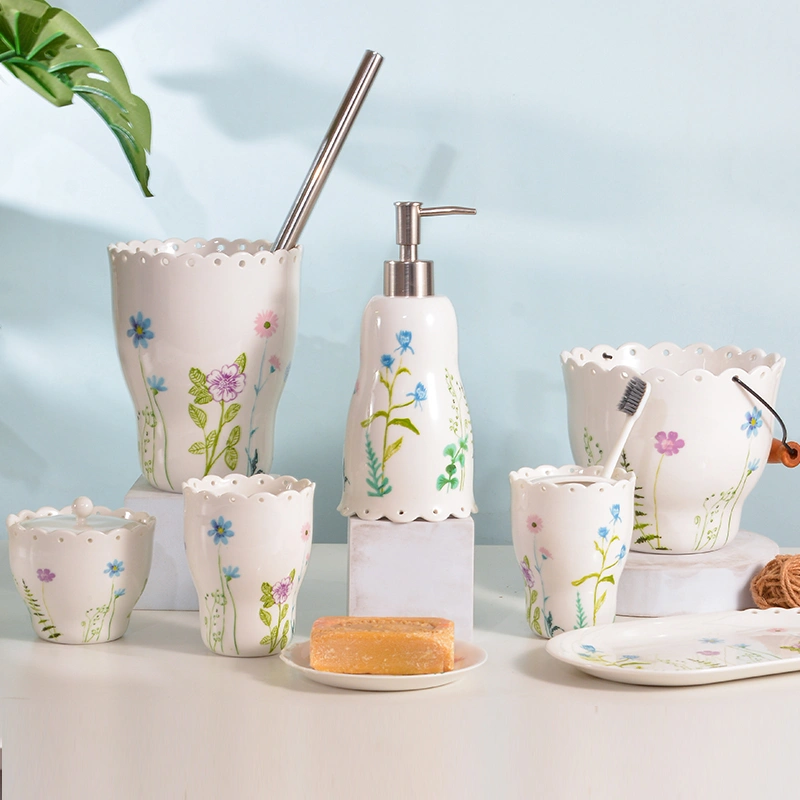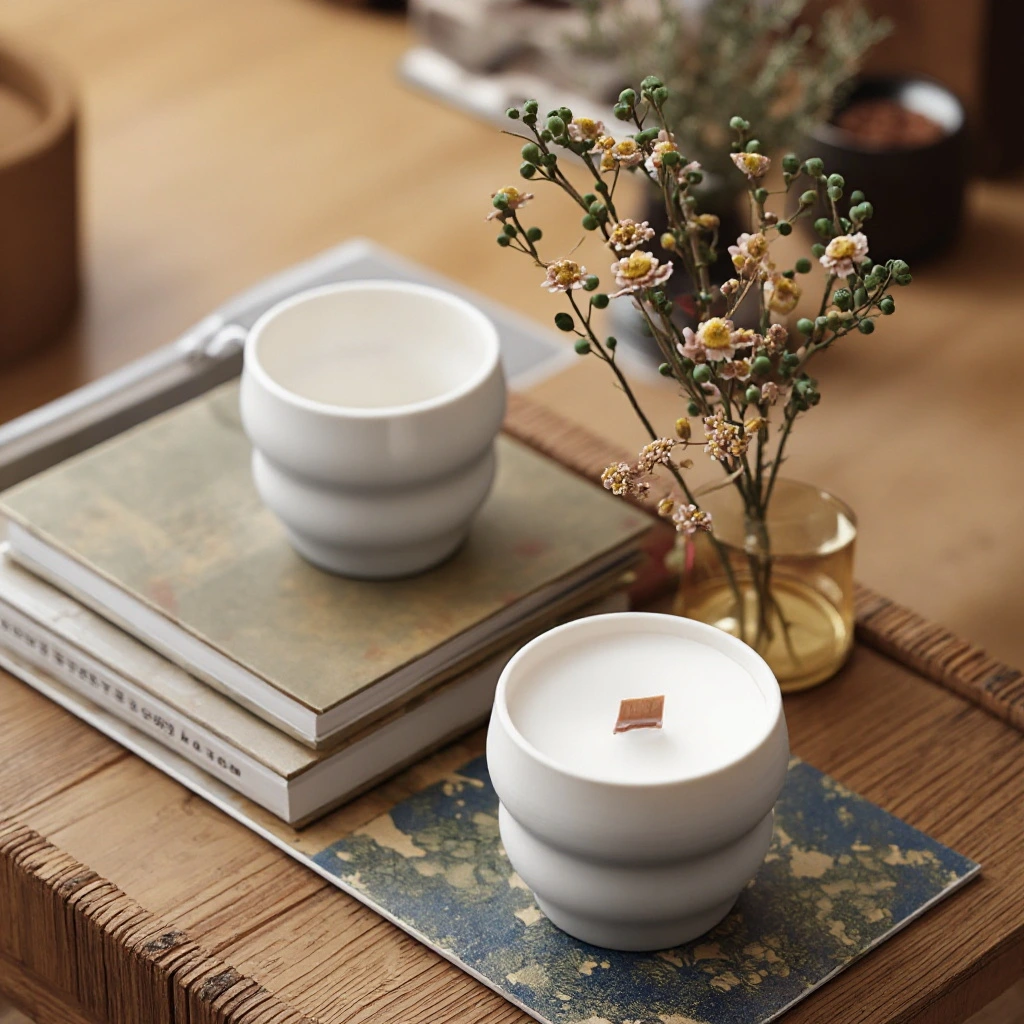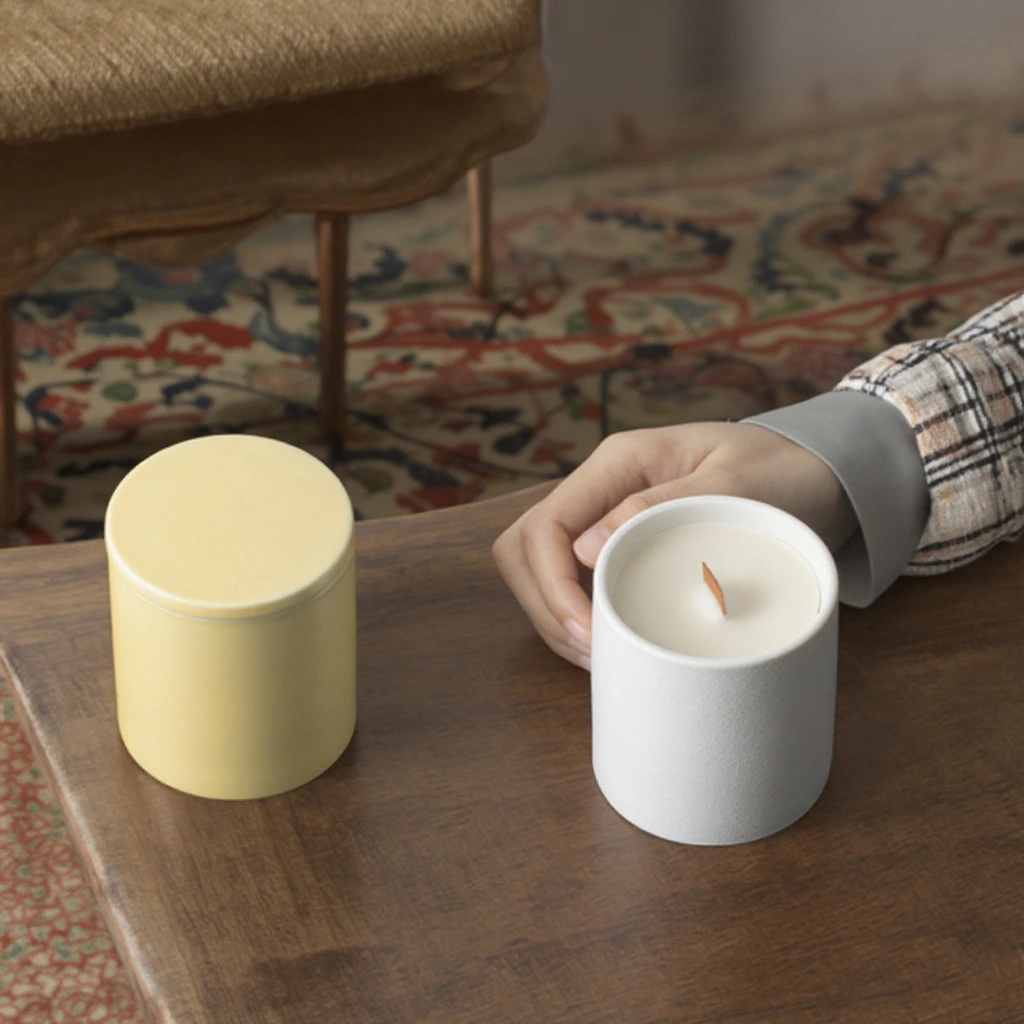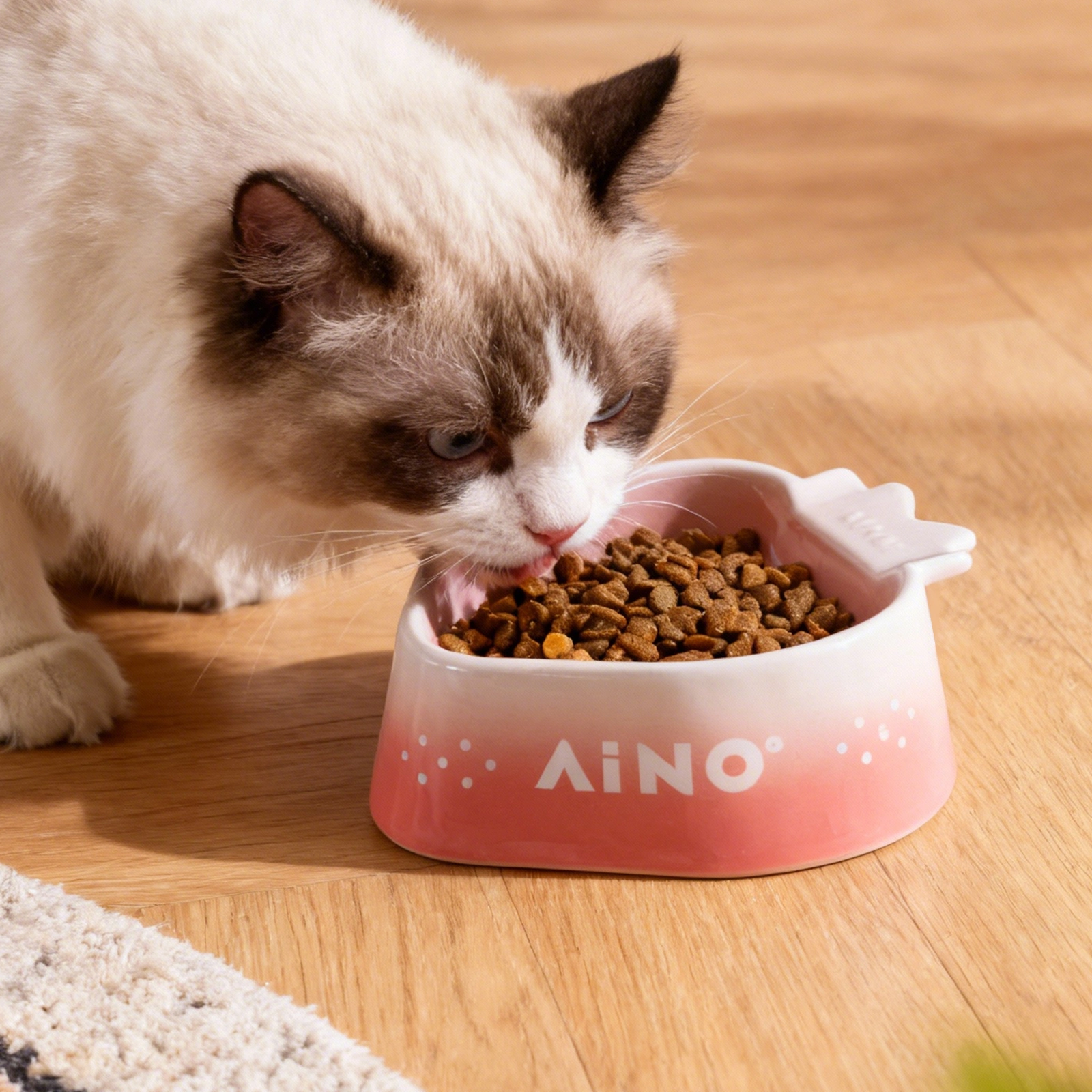
Para restaurantes, hotéis, cafés, empresas de catering e marcas de retalho, a louça de mesa é mais do que um simples utensílio de serviço — influencia diretamente a perceção dos clientes, a eficiência operacional e os custos a longo prazo.
Muitos compradores concentram-se principalmente no design ou no preço unitário quando procuram louça de mesa em cerâmica. No entanto, fatores como a durabilidade, a conformidade com as normas de segurança alimentar, a capacidade de empilhamento, a consistência da produção e a fiabilidade do fornecedor têm, muitas vezes, um impacto muito maior no desempenho global do negócio.
Quer esteja a lançar uma coleção de marca própria, a equipar um novo restaurante ou a adquirir produtos para distribuição por grosso, saber como avaliar louça de cerâmica pode ajudá-lo a tomar uma decisão de compra mais rentável.
Somos uma fabricante profissional de louça de cerâmica. A seguir, vou explicar como escolher louça de cerâmica adequada para uso comercial.
Por que razão a louça de cerâmica continua a ser a escolha preferida para a restauração comercial
Equilíbrio entre durabilidade e apresentação
Louça de cerâmica oferece uma combinação ideal de estética e funcionalidade. Em comparação com as alternativas em plástico, os produtos em cerâmica proporcionam uma experiência gastronómica de excelência, mantendo ao mesmo tempo uma excelente durabilidade para a utilização comercial diária.
As modernas tecnologias de fabrico de cerâmica melhoraram significativamente a resistência a lascas, a durabilidade do esmalte e a resistência estrutural, tornando a louça de cerâmica adequada para ambientes de hotelaria com elevado volume de tráfego.
Versatilidade em diferentes tipos de negócios de restauração
Os serviços de mesa em cerâmica são amplamente utilizados em:
- Restaurantes
- Hotéis e resorts
- Cafés
- Empresas de catering
- Refeitórios empresariais
- Marcas de artigos para o lar no retalho
Os diferentes estilos e materiais permitem que as empresas adaptem os seus serviços de mesa à identidade da marca e às expectativas específicas dos clientes.
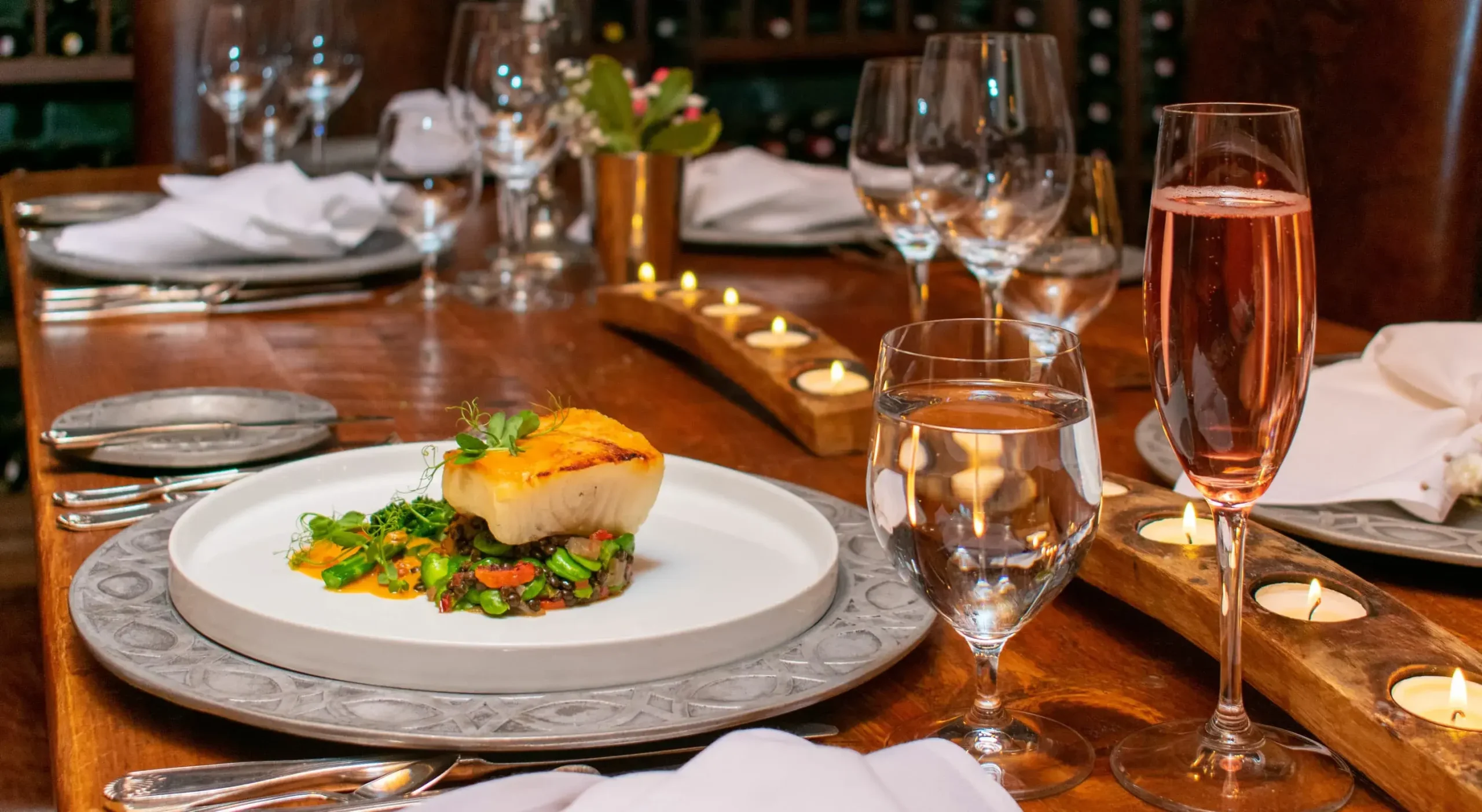
Aumento da procura por experiências gastronómicas de luxo
Os consumidores de hoje associam cada vez mais a apresentação à qualidade dos alimentos. As tendências gastronómicas impulsionadas pelas redes sociais têm vindo a aumentar ainda mais a procura por louça de mesa apelativa, que realce a fotografia dos pratos e a experiência global do cliente.
Consequentemente, os compradores comerciais estão a investir mais em louça de mesa que reforce a identidade da marca, mantendo ao mesmo tempo a praticabilidade operacional.
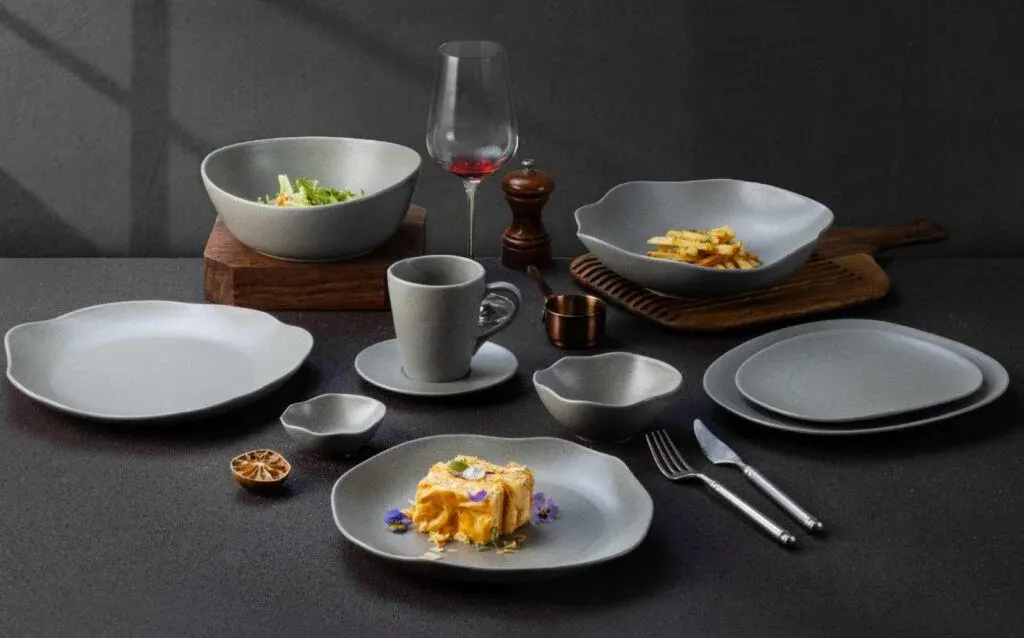
Compreender os diferentes tipos de louça de cerâmica
Louça de porcelana
A porcelana é uma das opções mais populares para aplicações comerciais.
As principais vantagens incluem:
- Elevada densidade e resistência
- Aspecto elegante
- Excelente resistência às manchas
- Construção leve
- Longa vida útil
A porcelana é frequentemente utilizada em hotéis, restaurantes de luxo e espaços de hospitalidade de alta qualidade, onde a aparência e a durabilidade são igualmente importantes.
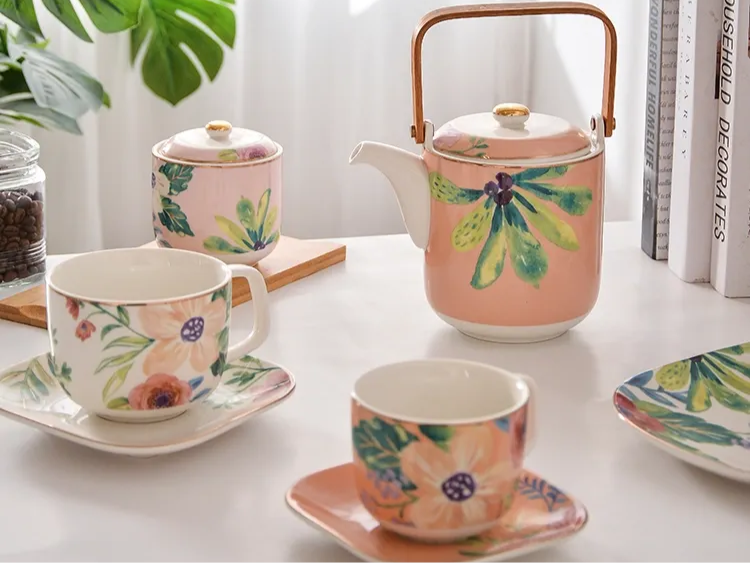
Louça de grés
O grés apresenta uma estética mais contemporânea e artesanal.
Os benefícios incluem:
- Construção robusta e resistente
- Excelente retenção de calor
- Aspecto rústico
- Grande variedade de acabamentos esmaltados
Muitos restaurantes e cafés modernos preferem a louça de grés, uma vez que esta se adequa aos conceitos de refeições informais e aos estilos contemporâneos de apresentação dos pratos.
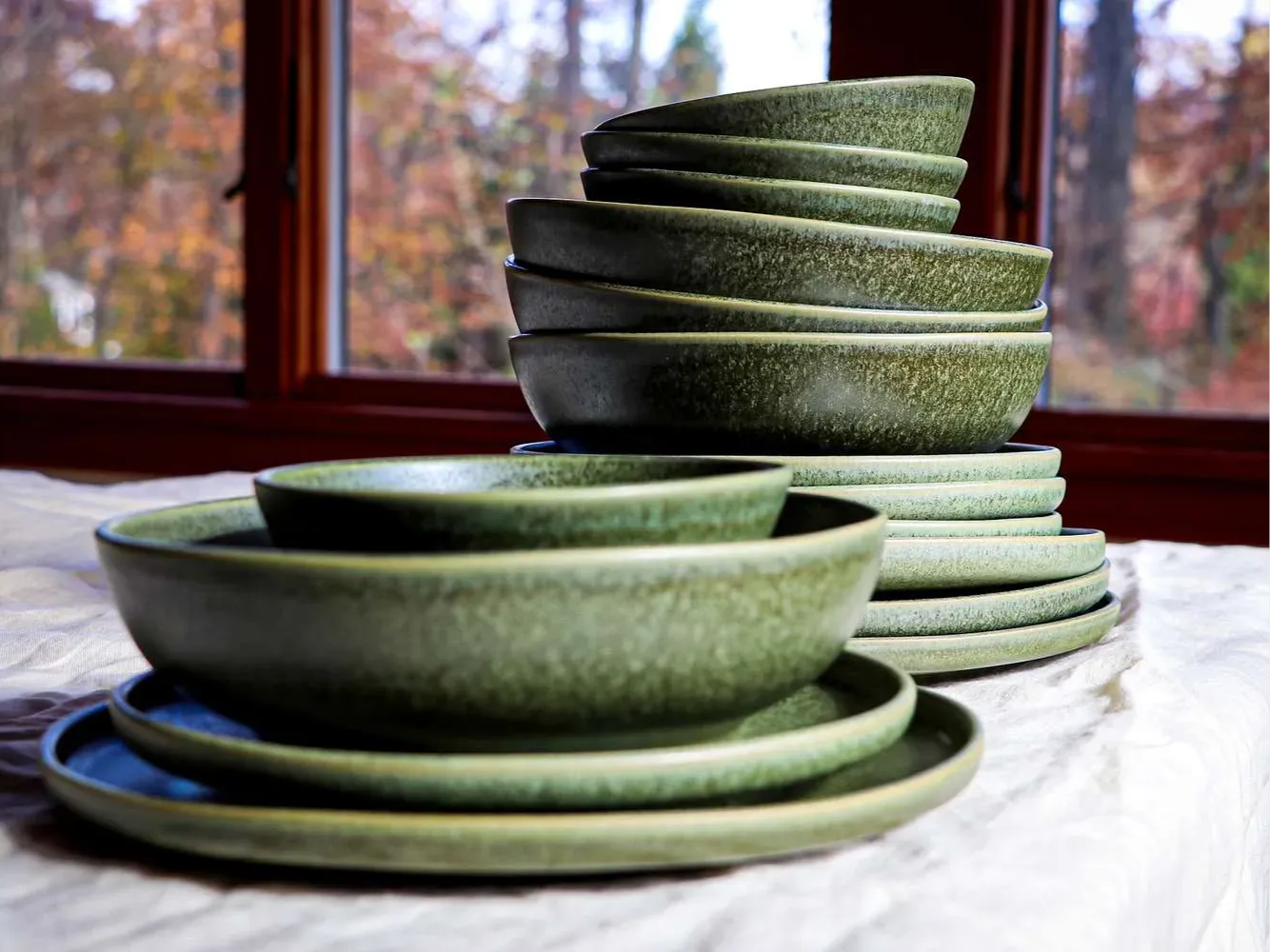
Louça de porcelana fina
A porcelana de osso é conhecida pelo seu aspeto requintado e pela sensação de leveza que transmite.
As vantagens incluem:
- Translucidez excecional
- Estética requintada
- Resistência surpreendentemente elevada, apesar das paredes finas
- Posicionamento de marcas de luxo
A porcelana de osso é frequentemente escolhida para hotéis de luxo, restaurantes de alta gama e ambientes de hospitalidade de excelência.
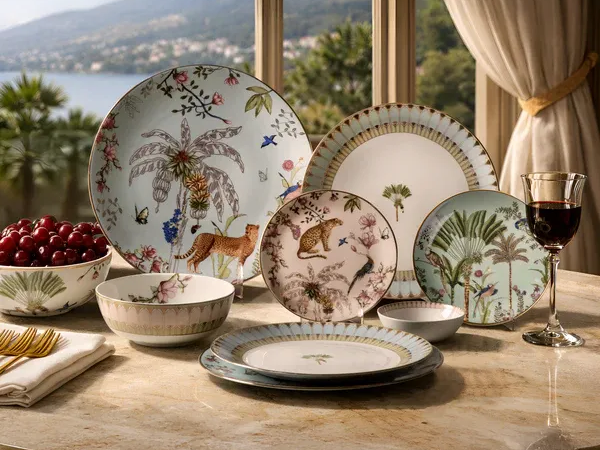
Qual é o melhor material para o seu modelo de negócio?
A escolha ideal depende dos requisitos operacionais.
- Os restaurantes de alta cozinha costumam preferir porcelana ou porcelana de osso.
- Os cafés que seguem as tendências optam frequentemente pelo grés.
- As cadeias hoteleiras costumam dar prioridade às coleções de porcelana resistentes.
- As marcas de retalho podem escolher os materiais com base no posicionamento no mercado-alvo.
Em vez de se questionarem qual é o melhor material em termos gerais, os compradores devem determinar qual o material que melhor se adequa às expectativas dos seus clientes e às suas necessidades operacionais.
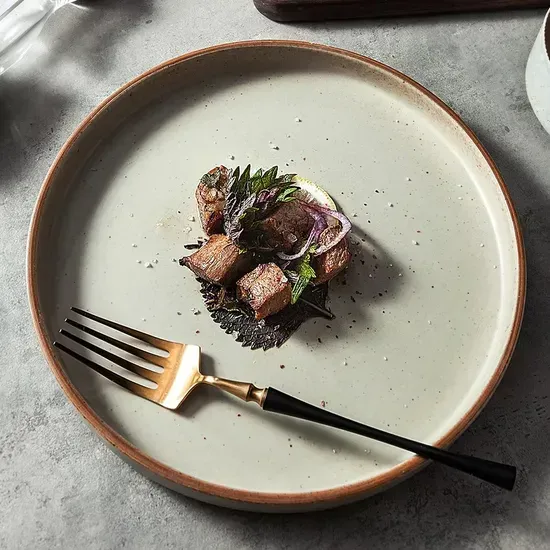
Fatores-chave a ter em conta antes de adquirir louça de cerâmica para uso comercial
Durabilidade e resistência a lascas
A quebra é um dos custos ocultos mais elevados nas operações de louça de mesa comercial.
Ao avaliar produtos, preste atenção ao seguinte:
- Reforço do aro
- Densidade do material
- Resistência ao impacto
- Dureza do esmalte
- Conceção da proteção das arestas
A louça de cerâmica de alta qualidade pode ter um custo inicial mais elevado, mas, com o tempo, apresenta frequentemente taxas de substituição significativamente mais baixas.
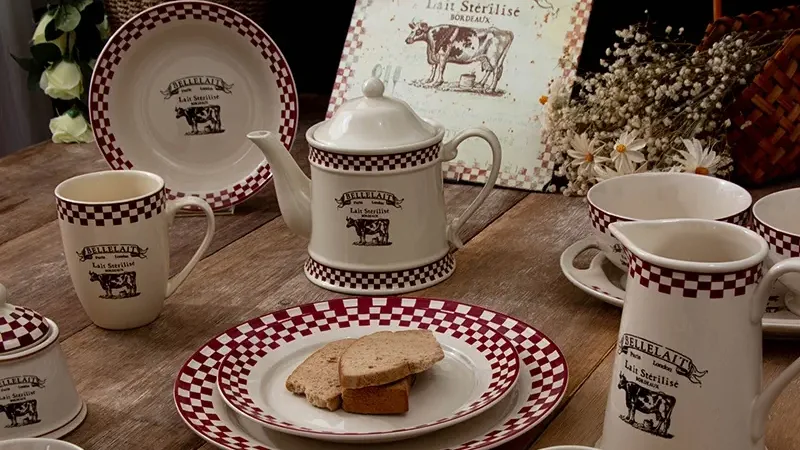
Conformidade em matéria de segurança alimentar
A segurança alimentar nunca deve ser negligenciada.
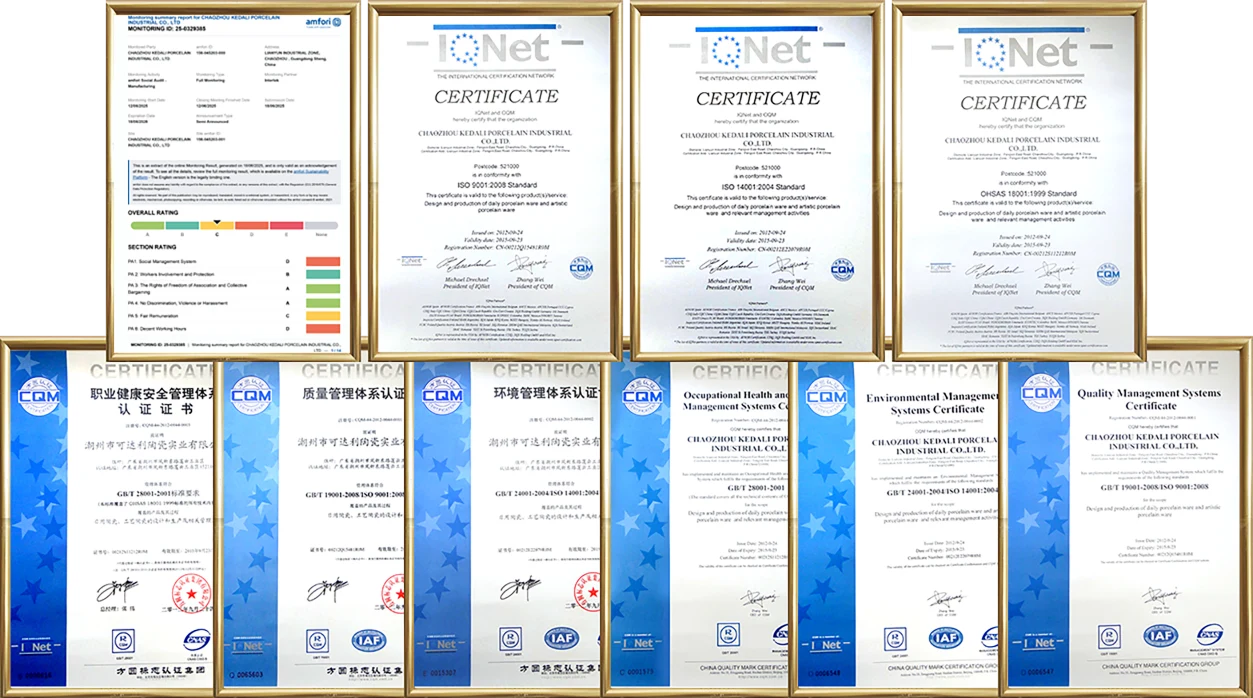
Os compradores comerciais devem verificar o cumprimento da regulamentação aplicável, incluindo:
- Requisitos da FDA
- Normas LFGB
- Testes de ausência de chumbo
- Testes sem cádmio
A certificação adequada é especialmente importante para os importadores e para as marcas próprias que vendem em mercados regulamentados.
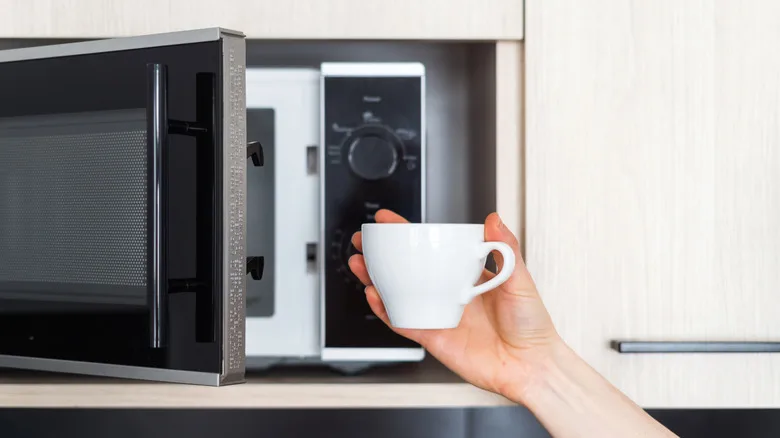
Compatibilidade com micro-ondas, máquina de lavar louça e forno
As cozinhas profissionais necessitam de louça que contribua para a eficiência dos fluxos de trabalho.
Os produtos concebidos para uso comercial devem, idealmente, ser:
- Adequado para o micro-ondas
- Pode ser lavado na máquina de lavar louça
- Resistente ao choque térmico
- Adequado para aplicações de aquecimento de alimentos
Estas funcionalidades ajudam a reduzir os custos com mão-de-obra, ao mesmo tempo que melhoram a eficiência operacional.
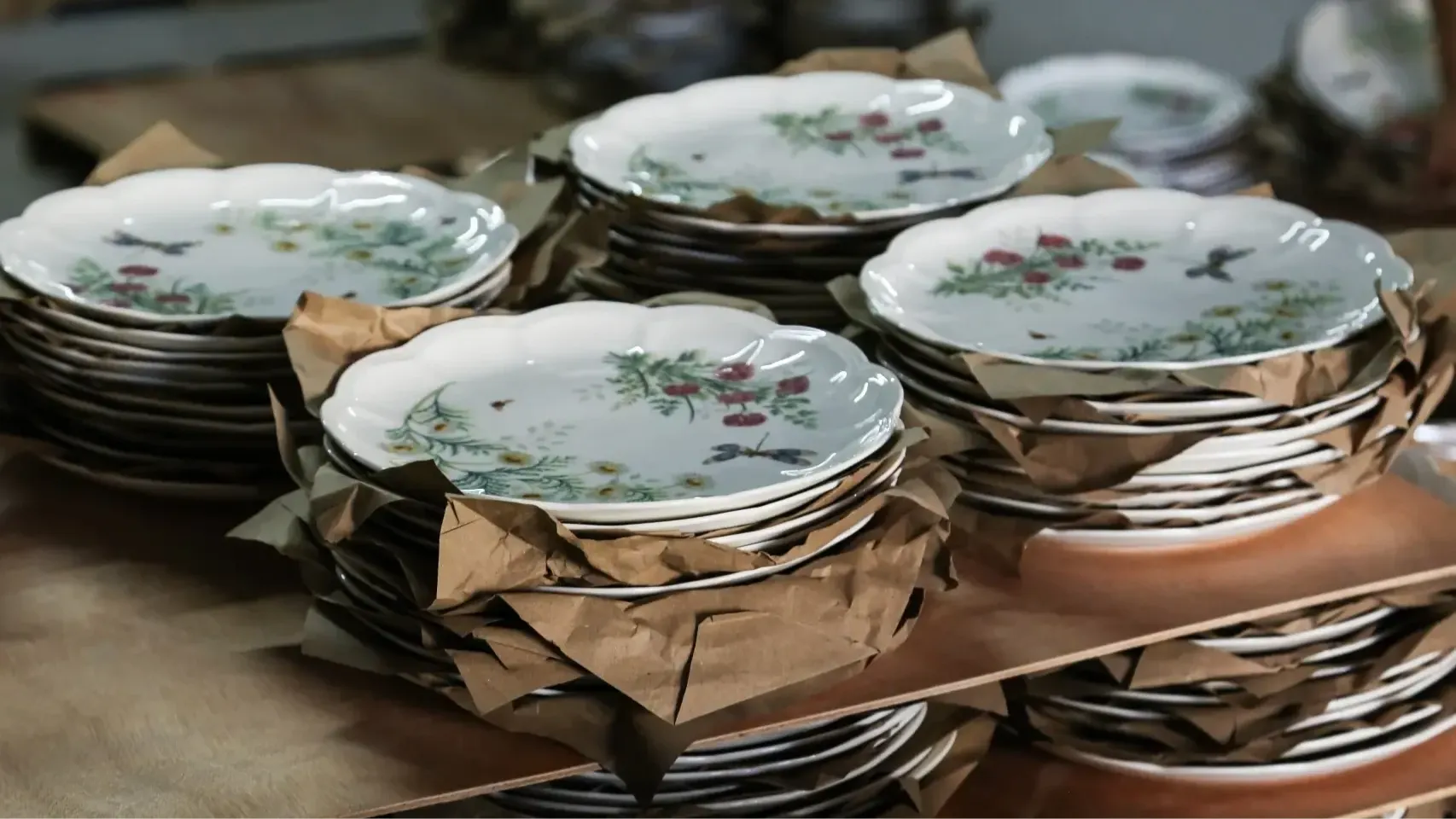
Consistência entre os lotes de produção
Para as cadeias de restaurantes e as marcas de retalho, a consistência é fundamental.
Os compradores devem avaliar:
- Consistência da cor
- Uniformidade do esmalte
- Precisão dimensional
- Posicionamento do logótipo
- Consistência da embalagem
Os processos de fabrico fiáveis garantem que as encomendas de reposição correspondam às remessas anteriores.
Considerações sobre os custos para além do preço unitário
Custo Total de Propriedade
O produto mais barato raramente representa o custo mais baixo a longo prazo.
Uma avaliação mais precisa inclui:
- Preço de compra
- Taxas de quebra
- Frequência de substituição
- Despesas de envio
- Custos de armazenamento
- Vida útil do produto
Esta perspetiva mais ampla revela, muitas vezes, que os produtos de qualidade superior geram um melhor valor a longo prazo.
Por que razão os serviços de mesa baratos podem acabar por sair caros
Os serviços de mesa de baixo custo resultam frequentemente em:
- Taxas de quebra mais elevadas
- Qualidade irregular
- Reclamações dos clientes
- Encomendas de substituição frequentes
- Problemas relacionados com a imagem da marca
O que parece ser uma decisão destinada a reduzir custos pode rapidamente tornar-se um fardo operacional.
Avaliação do valor a longo prazo
Os compradores comerciais devem comparar os produtos com base no desempenho ao longo de vários anos, em vez de se concentrarem exclusivamente nos custos iniciais de aquisição.
Os produtos duradouros proporcionam, em geral, um maior retorno do investimento, apesar do preço inicial mais elevado.
Como escolher um serviço fiável Fabricante de louça de cerâmica
Experiência na área da produção e capacidade de produção
As capacidades dos fornecedores têm um impacto direto na qualidade dos produtos e na fiabilidade das entregas.
Ao avaliar um [fabricante de louça de cerâmica], tenha em conta:
- Anos de experiência no setor
- Capacidade da fábrica
- Experiência em exportação
- Tecnologia de produção
- Carteira de clientes
Os fabricantes experientes oferecem, normalmente, uma qualidade mais estável e um abastecimento mais consistente.
Capacidades de personalização OEM e ODM
Muitas marcas necessitam de produtos personalizados, em vez de artigos padrão de catálogo.
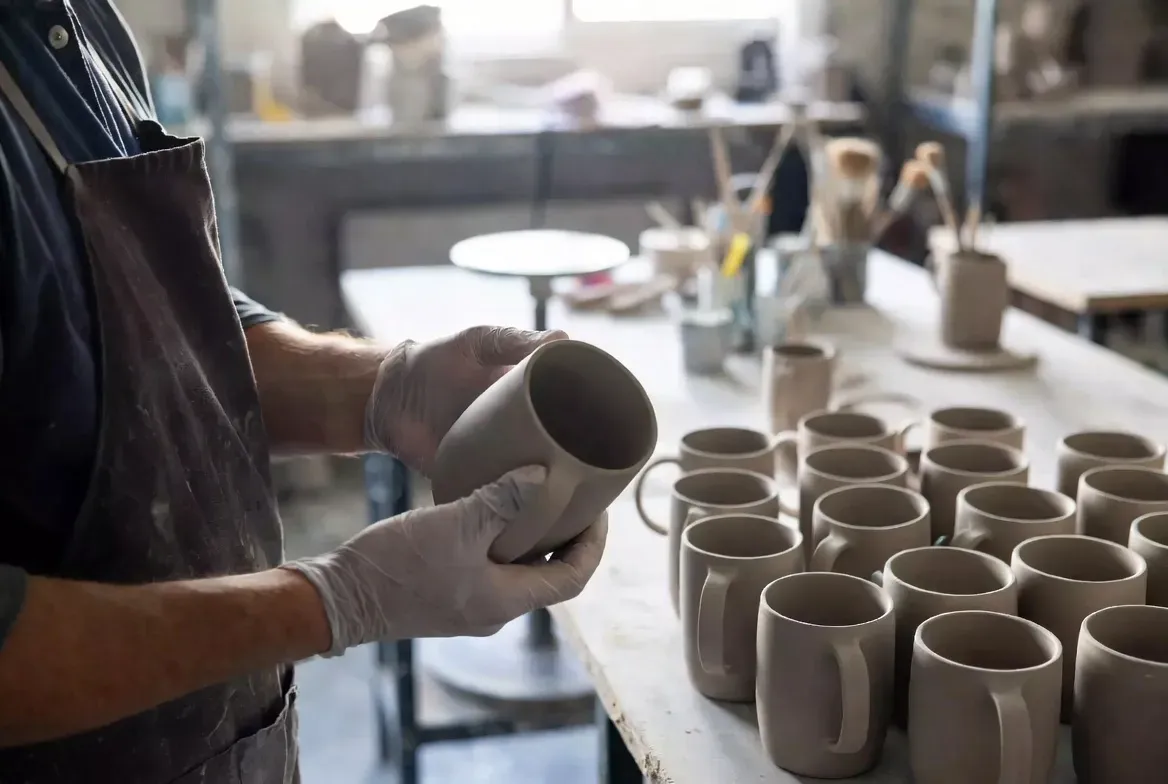
Um experiente fabricante de louça de cerâmica personalizada deverá poder fornecer:
- Formas personalizadas
- Decoração do logótipo
- Cores exclusivas de esmalte
- Embalagem para presente
- Apoio ao desenvolvimento de produtos
As sólidas capacidades em OEM e ODM ajudam as marcas a construir um posicionamento único no mercado.
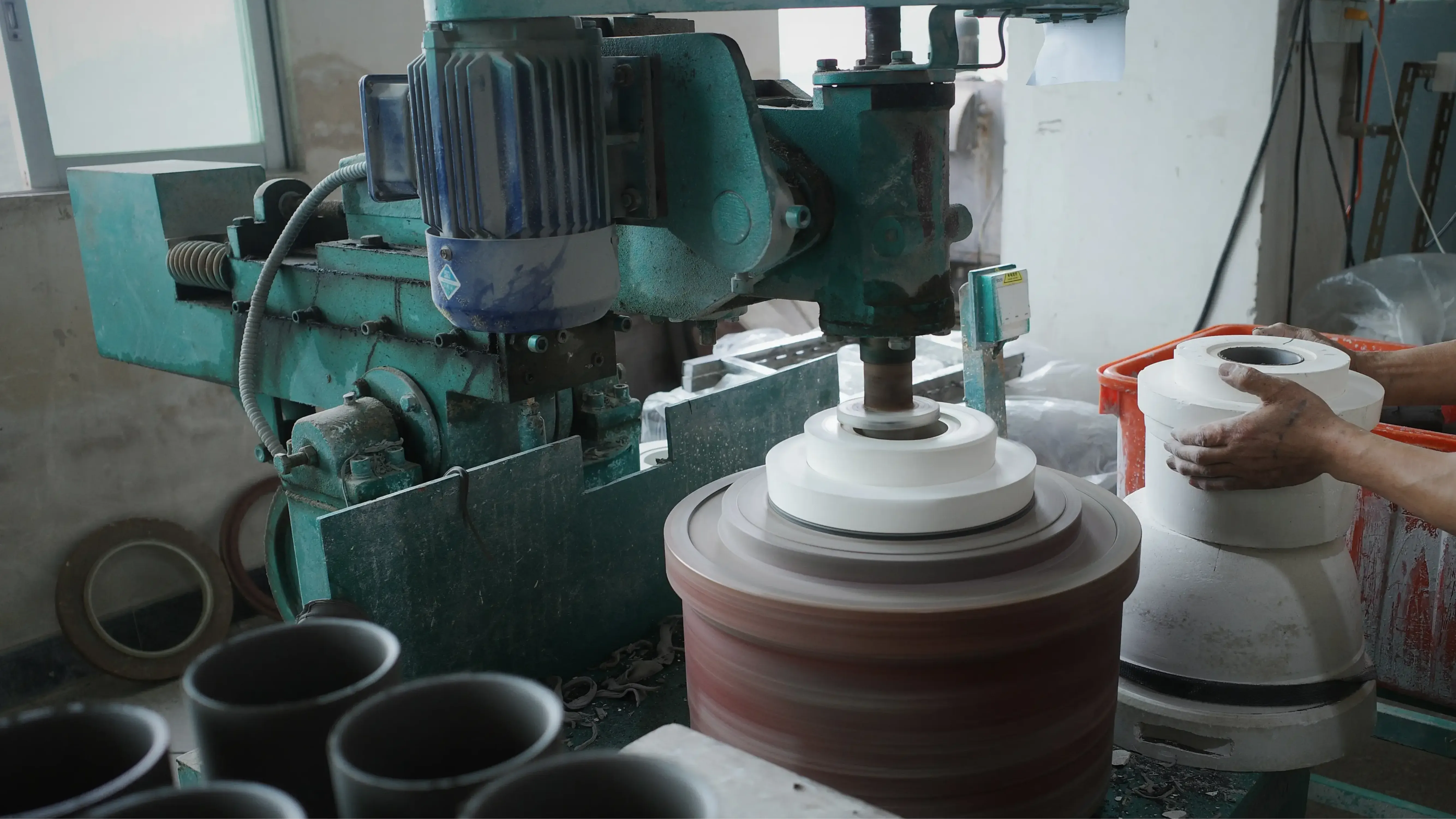
Sistemas de Controlo de Qualidade
O controlo de qualidade deve abranger todas as fases da produção.
Entre os pontos importantes a verificar, destacam-se:
- Inspeção de matérias-primas
- Monitorização durante o processo
- Testes ao produto acabado
- Inspeção de embalagens
- Verificação da remessa
Trabalhar com um profissional fornecedor de louça de cerâmica reduz os riscos associados às compras em grande volume.
Apoio à Exportação Internacional
Os compradores globais exigem frequentemente apoio adicional para além da produção.
Os principais fornecedores podem ajudar nas seguintes áreas:
- Documentação relativa à conformidade
- Relatórios de ensaio de produtos
- Coordenação de envios
- Embalagem para exportação
- Requisitos específicos do mercado
Para os importadores e distribuidores, escolher um fornecedor de confiança fornecedor grossista de louça de cerâmica pode simplificar significativamente a gestão das aquisições e da logística.

Soluções recomendadas de louça de cerâmica para diferentes tipos de compradores comerciais
Restaurantes e cadeias de cafés
As prioridades incluem:
- Durabilidade
- Relação custo-eficácia
- Substituição fácil
- Aspecto uniforme
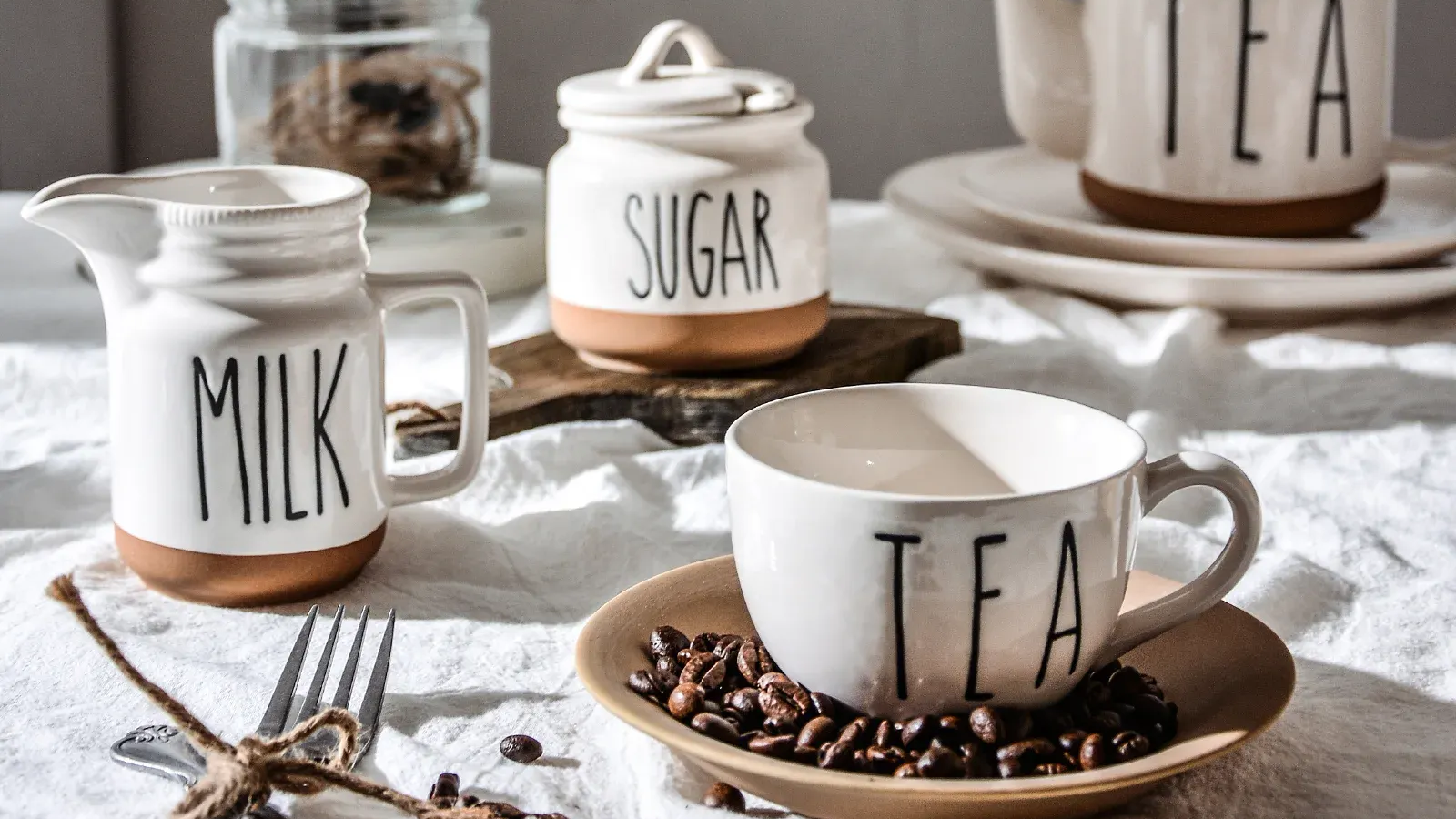
O grés e a porcelana reforçada são, muitas vezes, as opções mais práticas.
Hotéis e resorts
Os hotéis costumam dar prioridade a:
- Estética de luxo
- Coerência da marca
- Ciclo de vida do produto prolongado
- Contratação pública em grande escala
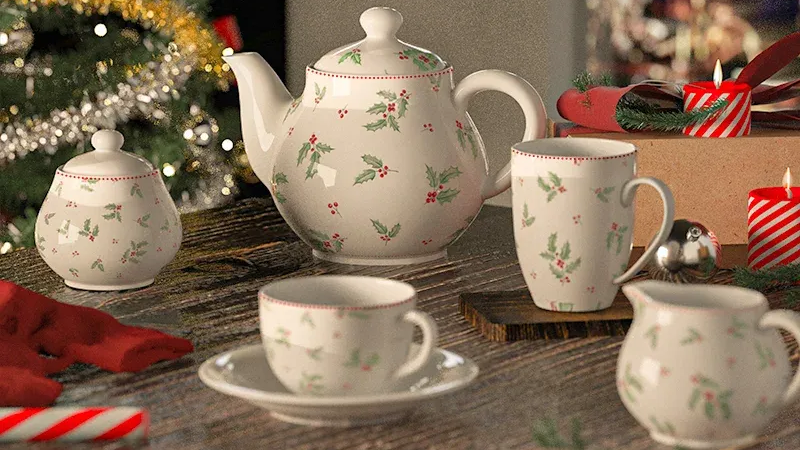
A porcelana continua a ser o material preferido de muitos grupos do setor hoteleiro.
Marcas de retalho e marcas próprias
As marcas de retalho beneficiam de:
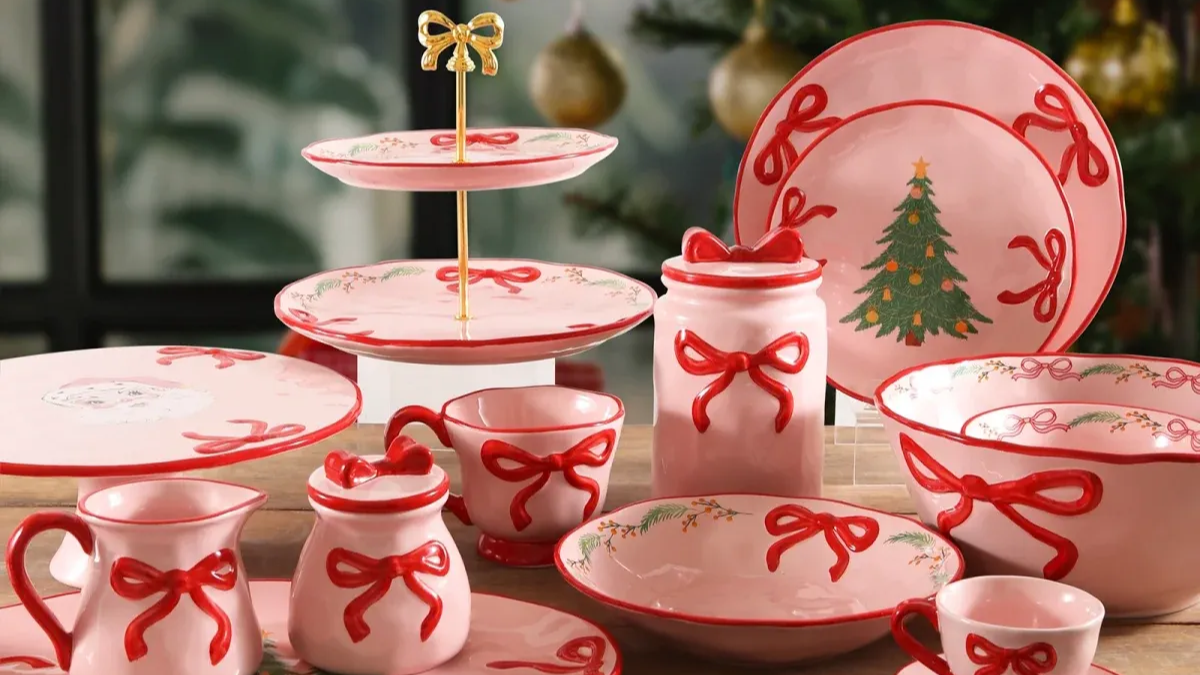
- Coleções personalizadas
- Embalagem exclusiva
- Designs exclusivos
- Excelentes oportunidades para contar histórias
As capacidades de fabrico OEM e ODM assumem uma importância particular neste segmento.
Conclusão
Escolher a louça de cerâmica adequada para uso comercial envolve muito mais do que selecionar designs apelativos. A escolha do material, a durabilidade, o cumprimento das normas de segurança alimentar, a praticabilidade operacional e a fiabilidade do fornecedor são fatores que contribuem para o sucesso a longo prazo do negócio.
Para restaurantes, hotéis, distribuidores, importadores e marcas de retalho, a louça de cerâmica deve ser encarada como um investimento estratégico e não como uma simples despesa de aquisição.
Ao estabelecerem parcerias com um fabricante experiente de louça de cerâmica que ofereça personalização OEM/ODM, um controlo de qualidade rigoroso, capacidade de produção por grosso e apoio à exportação a nível global, as empresas podem garantir produtos que reforçam tanto o desempenho operacional como o valor da marca.
Sobre Kedali
Kedali é um experiente cerâmica de louça fabricante dedicada a servir restaurantes, hotéis, grossistas, distribuidores e marcas próprias em todo o mundo. Com capacidade de produção em grande escala, instalações de fabrico avançadas e sistemas rigorosos de controlo de qualidade, fornecemos venda por grosso de louça de cerâmica diretamente da fábrica com qualidade estável, fornecimento fiável e preços competitivos.
A nossa equipa dedica-se ao sucesso dos clientes, oferecendo um serviço atencioso e flexível Louça de cerâmica OEM/ODM personalização e apoio profissional ao longo de todo o processo de desenvolvimento, produção e exportação do produto. Desde formas e cores de esmalte personalizadas até à decoração com logótipos e soluções de embalagem, a Kedali ajuda os clientes B2B a criar coleções de louça de mesa exclusivas que combinam durabilidade, segurança alimentar e desempenho comercial para os mercados globais.
Perguntas frequentes
Qual é o tipo de louça de cerâmica mais resistente para restaurantes?
Louça de porcelana de qualidade profissional é geralmente considerada uma das opções mais duradouras devido à sua elevada densidade, resistência e resistência a lascas.
A porcelana é melhor do que o grés para uso comercial?
Ambos os materiais apresentam um bom desempenho. A porcelana oferece um aspeto mais requintado e é mais leve, enquanto o grés proporciona uma estética mais rústica e uma excelente durabilidade.
Que certificações devem ter os serviços de mesa em cerâmica importados?
Os requisitos variam consoante o mercado, mas a conformidade com a FDA, a conformidade com a LFGB e os testes para detetar a ausência de chumbo e cádmio são frequentemente exigidos.
É possível personalizar louça de cerâmica com logótipos e cores da marca?
Sim. Muitos fabricantes, como a Kedali, oferecem serviços OEM e ODM, incluindo formas, cores, decorações e embalagens personalizadas.
O que devo ter em conta ao escolher um fabricante de louça de cerâmica?
Avalie a experiência em fabrico, os sistemas de controlo de qualidade, as capacidades de personalização, a experiência em exportação e a capacidade de produção.