Когда группы закупок размещают крупные заказы на фарфоровую посуду, несколько мелких технологических проблем могут стать дорогостоящей головной болью. Как производитель керамических кружек, Кедали неоднократно видит одни и те же первопричины - и мы знаем, что они поддаются контролю.
Производство керамических кружек обычно включает пять основных этапов (сырье → формовка → сушка → глазурование → обжиг). Как профессиональный производитель керамических кружек, я перечислю распространенные дефекты на каждом этапе, объясню их причины и расскажу о профилактических мерах, которые необходимо предпринять для надежного производитель керамических кружек следует принять.
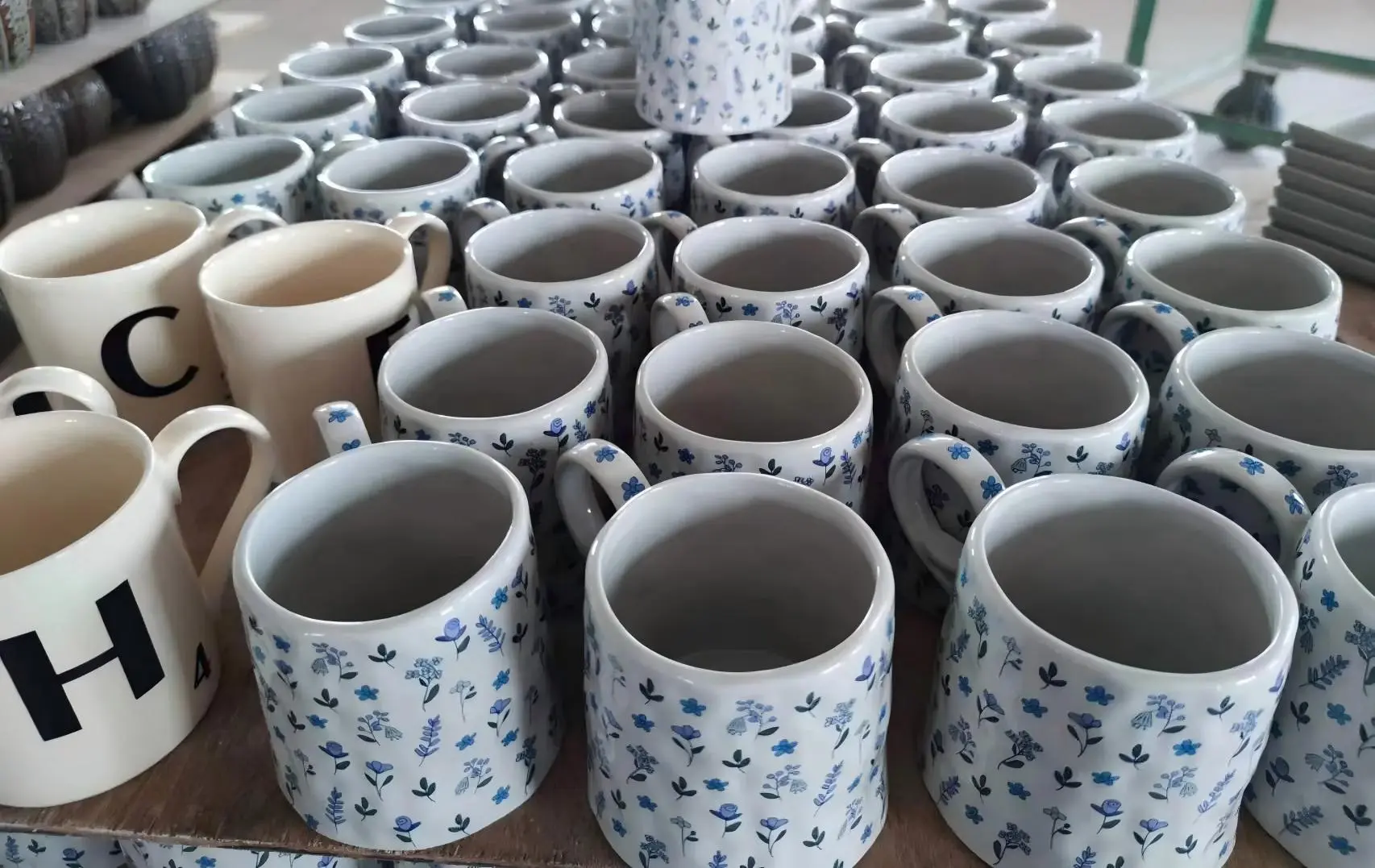
Сырье: Основа качества
Распространенные дефекты: черные пятна, железные вкрапления, проколы в глазури и несоответствие цвета.
Почему это происходит: Примеси в партиях глины или глазури, плохой контроль размера частиц или несогласованное дозирование сырья приводят к появлению видимых включений и проблем с выделением газа при обжиге. Распространенной проблемой на китайских фабриках по производству керамических кружек является колебание содержания железа в разных партиях импортной каолиновой глины, что может легко привести к появлению черных пятен или пятен железа.
Профилактика/заводской контроль:
- Отбор материала - магнитная сепарация и просеивание сырой глины и фритты для удаления металлических примесей.
- Пакетные записи - фиксированные рецепты с номерами партий глины и глазури, чтобы можно было отследить каждую партию.
- Лабораторные проверки - регулярные химические тесты и тесты на размер частиц, тесты на водопоглощение для тела и проверки pH/вязкости для глазурных шликеров.
- Квалификация поставщика - утвержденные списки поставщиков и входной контроль качества всех исходных материалов.
Совет покупателю: спросить фабрика керамических кружек для получения последних отчетов об испытаниях сырья и образца сохраненной исходной партии, используемой для вашего производства.
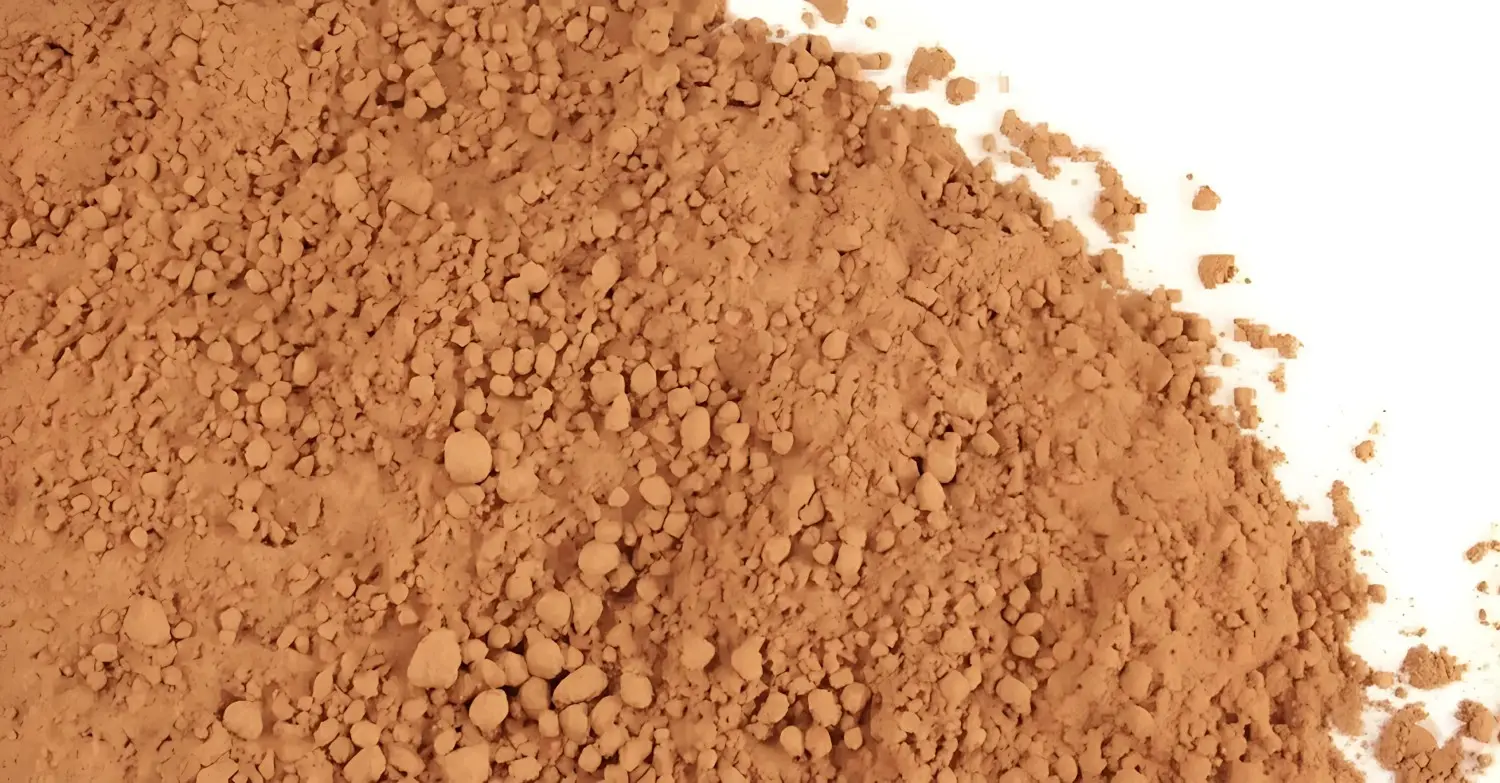
Формовка: Последовательное формирование и крепление ручек
Распространенные дефекты: деформация, неровные стенки, трещины или отслоение ручки, смещение размеров.
Почему это происходит: Неравномерное содержание влаги, непостоянное давление при прессовании/бросании или плохая техника крепления ручки приводят к несоответствию усадки и механическим нагрузкам.
Профилактика/заводской контроль:
- Контроль влажности - измеряйте и контролируйте просадку глины и содержание воды перед формованием.
- Техническое обслуживание инструментов - калиброванные пресс-формы и регулярная замена инструментов для поддержания допусков на размеры.
- Стандартизированный процесс соединения рукояток - контролируемый коэффициент скольжения, задиры на поверхности и механическое сжатие для обеспечения однородности соединения.
- Измерение в процессе производства - проверка размеров (диаметр обода, толщина стенки) через заданные интервалы на линии.
Совет покупателю: Кружки чаще всего изготавливаются методом литья под давлением или литья со скольжением. Прикрепление ручки - это этап с высоким уровнем риска, и очень важно убедиться в отсутствии пузырьков воздуха или концентрации напряжений в месте соединения. Высокоскоростные производственные линии подвержены колебаниям размеров, поэтому рекомендуется проводить несколько проверок размеров в течение каждой смены.
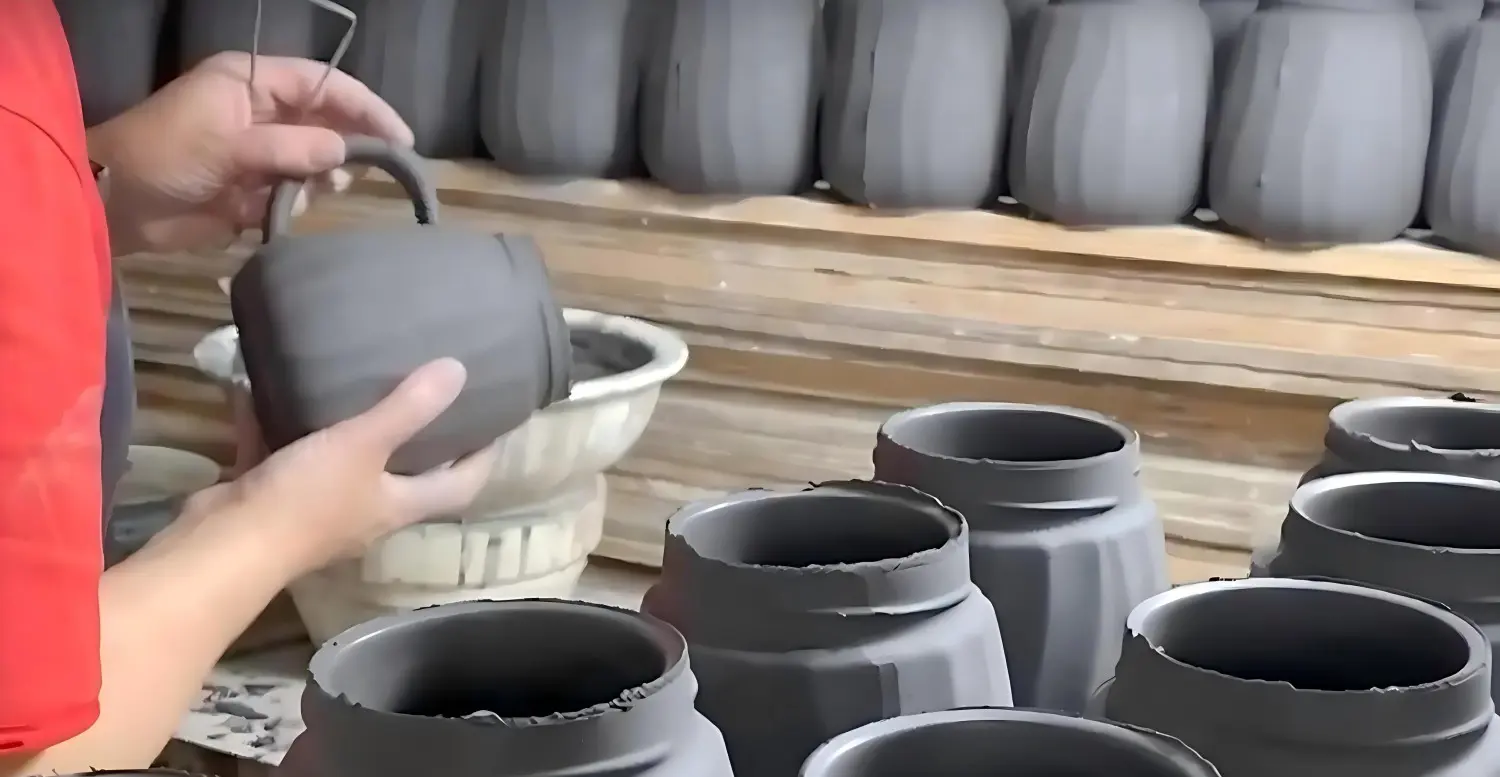
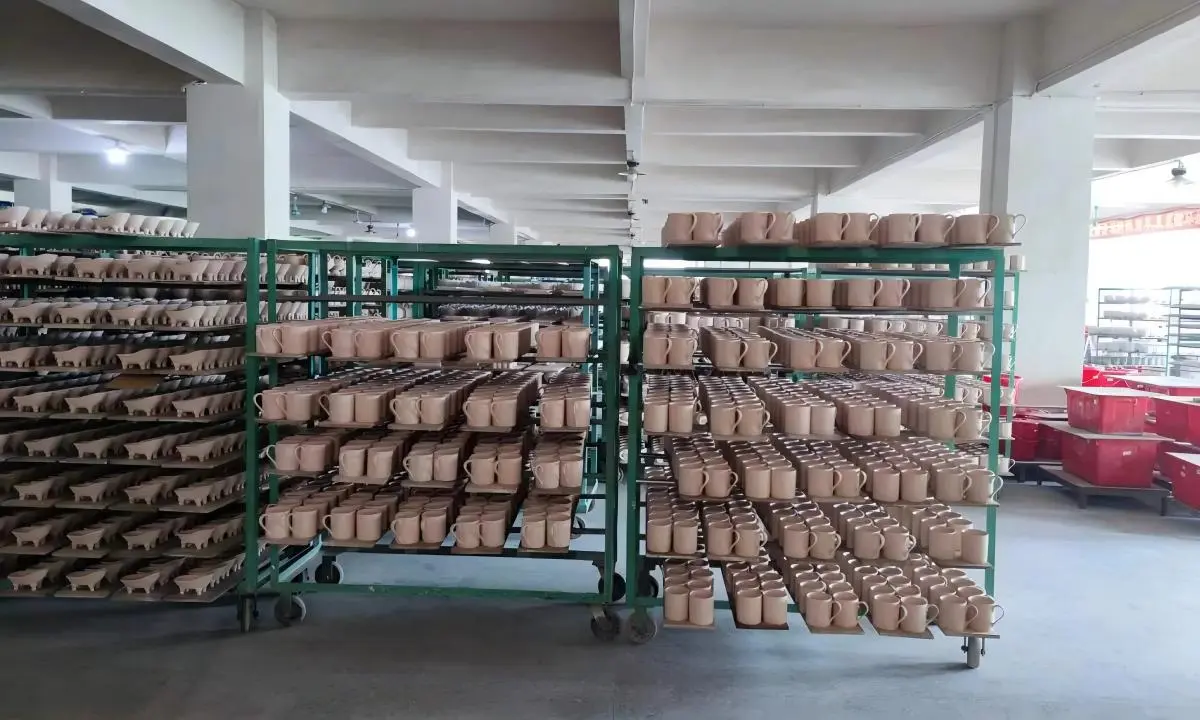
Сушка: Медленное, равномерное удаление влаги
Распространенные дефекты: трещины при высыхании, овальность обода, искривление основания и волосяные трещины на ручках.
Почему это происходит: Быстрое или неравномерное высыхание создает внутренние напряжения; различная геометрия (например, рукоятка и корпус) высыхает с разной скоростью и разрушает соединение.
Профилактика/заводской контроль:
- Управляемые сушильные камеры - заданные значения температуры, влажности и расхода воздуха; поэтапные графики сушки для различных форм.
- Конструкция стоек и креплений - поддерживают кружки, чтобы минимизировать искажения, избежать точечной нагрузки и обеспечить воздушный поток вокруг тонких участков.
- Профили сушки по SKU - некоторые формы требуют более длительных низкотемпературных этапов; это должно быть стандартизировано и зарегистрировано.
- Мониторинг и сигнализация - датчики, позволяющие выявлять отклонения в режиме реального времени.
Совет покупателю: Настаивайте на документированных профилях сушки и запрашивайте данные о количестве дефектов, связанных с сушкой, для аналогичных SKU.
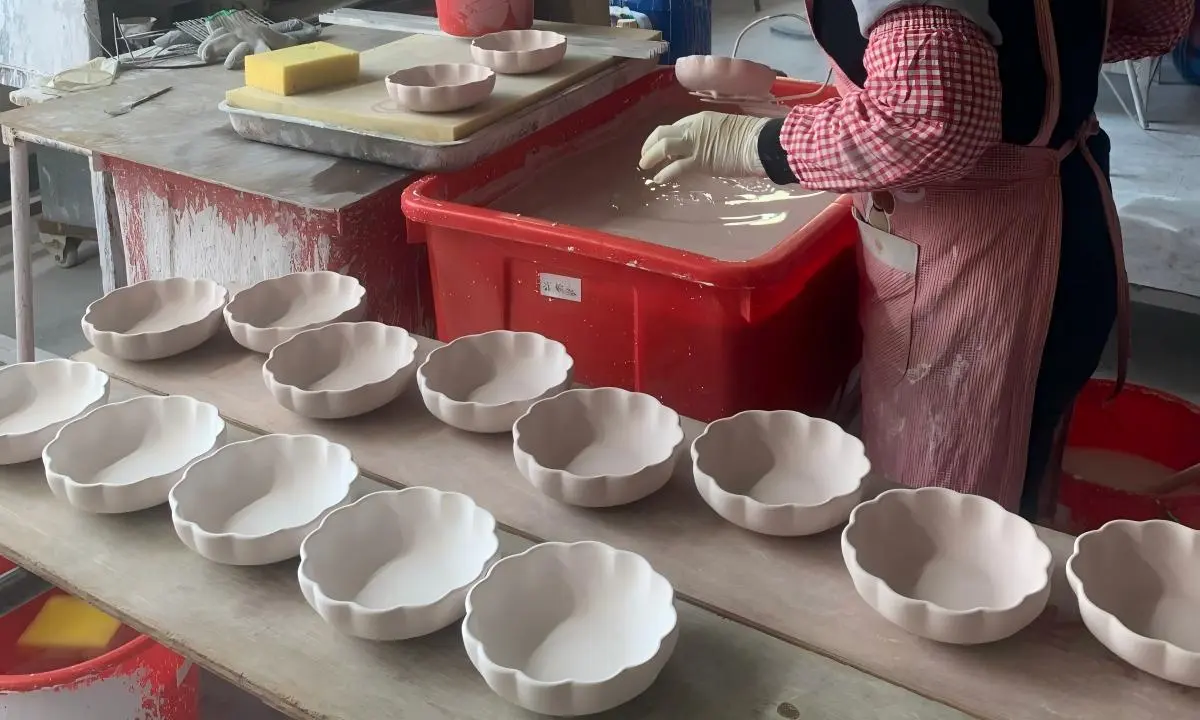
Остекление: Отделка поверхности и совместимость
Распространенные дефекты: оползание (голые участки), проколы, текстура апельсиновой корки, разводы или провисания, смещение цвета.
Почему это происходит: загрязнение поверхности, неправильная вязкость глазури, неправильные параметры распыления или окунания или несоответствие термического поведения глазури и тела.
Профилактика/заводской контроль:
- Подготовка поверхности - очистка и удаление пыли перед нанесением глазури; контролируемое обращение, чтобы избежать попадания масла на руки.
- Контроль рецептуры глазури - контроль вязкости, содержания твердых частиц и размера частиц в протоколах партий; проверка pH и удельного веса.
- Стандартизация приложений - настройка расстояния между пистолетами, давления, количества проходов и скорости конвейера для автоматического распыления; согласованное время погружения для окунания.
- Соответствие CTE - проверьте глазурь и корпус на совместимость коэффициентов теплового расширения, чтобы снизить риск образования трещин или растрескивания.
Совет покупателю: Требовать фабрика керамических кружек предоставить сертификат совместимости глазури и образцы цветных досок из точной производственной партии.
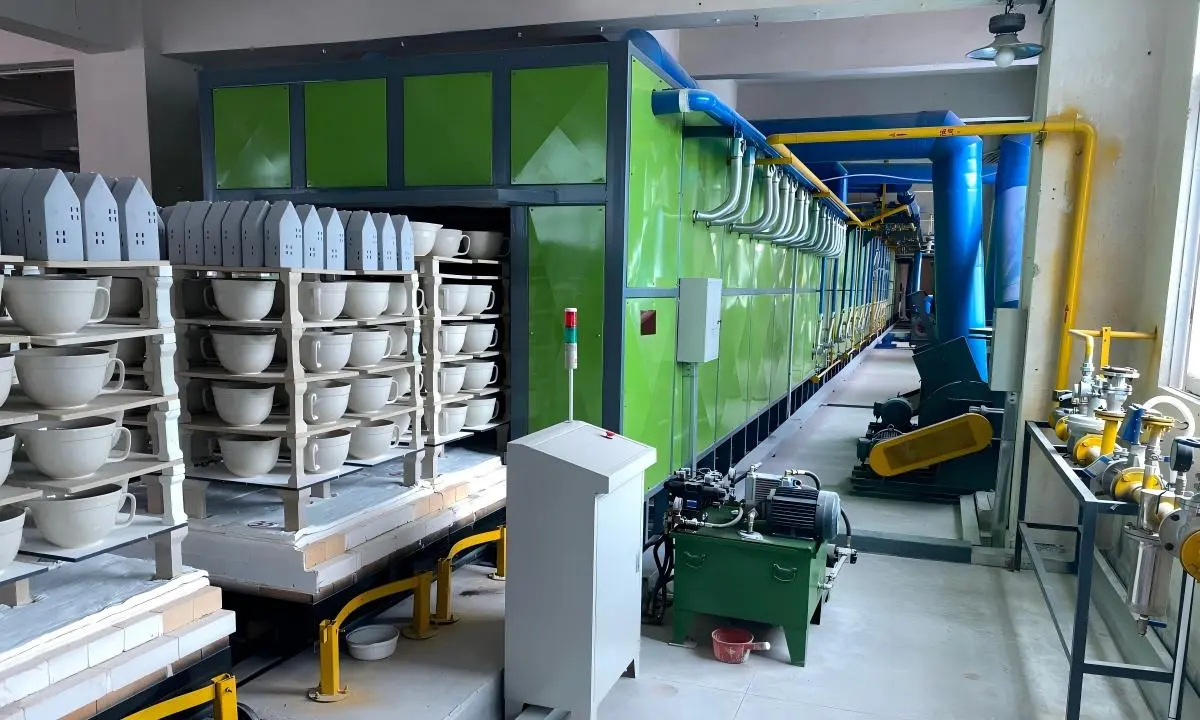
Обжиг: профиль печи, который повышает или снижает качество продукции
Распространенные дефекты: растрескивание, пузыри/проколы, недообжиг тела (мягкость, высокая впитываемость), переобжиг просадки, изменение оттенка.
Почему это происходит: Неправильные температурные режимы, неравномерные зоны печи, недостаточное время выдержки или недостаточный воздухоотвод позволяют газам выходить не по назначению.
Профилактика/заводской контроль:
- Управление кривой печи - регистрируемые профили темп-влажность-охлаждение для каждого SKU с ПИД-регулированием и резервированием.
- Зональный мониторинг температуры - несколько термопар по всей печи и регулярная калибровка.
- Планирование нагрузки - Равномерная загрузка и подходящие приставки для поддержания формы и воздушного потока.
- Этапы замачивания и вентиляции - предназначен для удаления химически связанной воды и летучих веществ перед созреванием глазури.
- Испытания после пожара - водопоглощение, проверка модуля упругости/стабильности, а также визуальный контроль по золотым образцам.
Совет покупателю: попросите предоставить журналы обжига производственных партий и протоколы испытаний (водопоглощение, тепловой удар) сторонних организаций для репрезентативных образцов. Испытание на тепловой удар (кипящая вода в холодной воде) - это стандартная процедура проверки стабильности готовой продукции.
Интеграция контроля в закупки: Что должны требовать покупатели
Чтобы снизить риски до того, как первый контейнер отправится в плавание, добавьте эти требования в RFQ и PO:
- Утверждение золотой пробы: Подписывается, сохраняется на заводе и используется в качестве производственного справочника.
- Документация по материалам и испытаниям: сертификаты на сырье, тесты на миграцию глазури, водопоглощение и журналы обжига.
- Записи процесса: профили сушки, параметры нанесения глазури и записи калибровки оборудования.
- Ворота контроля качества: Определенные проверки на линии, AQL перед отгрузкой и прослеживаемость партии.
- Проверка упаковки и транзита: конструктивные вставки, данные ISTA/испытания на падение и максимально допустимая частота поломок.
Авторитетный производитель керамических кружек Если поставщик не решается поделиться записями, считайте это тревожным сигналом.
Заключение - дефекты можно предотвратить, но не избежать
Большинство отказов при больших объемах керамическая кружка производство восходит к одному из пяти этапов производства, описанных выше. Разница между заводом, который производит случайные образцы с красивым внешним видом, и заводом, который надежно поставляет миллионы хороших единиц продукции, заключается в дисциплине: стандартизированные рецепты, зарегистрированный контроль процесса, поточный контроль и документированные испытания. Как покупатель, требуйте таких мер контроля.
О Кедали
Кедали - профессионал производитель керамических кружек специализирующаяся на массовом производстве для брендов, оптовиков и покупателей рекламной продукции. Благодаря стандартизированному рабочему процессу, включающему подготовку сырья, формовку, контролируемую сушку, глазурование и обжиг в печи, Kedali обеспечивает стабильное качество и повторяемость продукции при выполнении крупных заказов.
Завод по производству керамических кружек в Кедали поддерживает Индивидуальные решения для керамических кружек, В ассортименте представлены кружки разных форм, объемов, стилей ручек, цветов глазури, печати логотипа, а также упаковочные решения для различных розничных и подарочных программ.
Благодаря дисциплинированному управлению процессами и контролю партий продукции, Kedali помогает клиентам B2B снизить риск брака, защитить график поставок и уверенно масштабировать поставки от утверждения образцов до отгрузки полных контейнеров.