Ceramic kitchenware is not a uniform product category. The same bowl, plate, or mug can perform very differently depending on whether it is sold through retail chains, e-commerce platforms, wholesale distributors, or hospitality procurement channels.
Brands that treat all channels the same usually end up with weak margins, inconsistent inventory turnover, and fragmented brand positioning. In contrast, companies that structure their ceramic kitchenware product lines based on channel requirements achieve stronger sales efficiency, better pricing control, and more scalable growth.
Here, we’ll explain how successful brands design product strategies for different channels and how manufacturers support these decisions through OEM/ODM capabilities, production planning, and quality control systems.
Why Sales Channels Affect Ceramic Kitchenware Strategy
Different Channels = Different Buyer Behavior
Each sales channel operates under a different logic:
- Retail buyers prioritize visual appeal and shelf impact
- E-commerce buyers prioritize price-performance and reviews
- Wholesale buyers prioritize stability and cost efficiency
- Hospitality buyers prioritize durability and consistency
A single product cannot fully satisfy all these expectations.
Impact on Product Design and Cost Structure
Channel strategy directly affects:
- Material thickness (lightweight vs heavy-duty ceramic)
- Glaze type (decorative vs functional)
- Packaging (gift-ready vs logistics-optimized)
- Production cost structure
For example, a premium reactive glaze dinner set may perform well in retail but fail in wholesale due to cost sensitivity.
Why Many Brands Fail Without Channel Strategy
Without segmentation, brands often face:
- Excessive SKU complexity
- Poor inventory rotation
- Pricing conflicts across channels
- Weak differentiation between product lines
Successful brands solve this by building structured, channel-specific ceramic kitchenware portfolios.
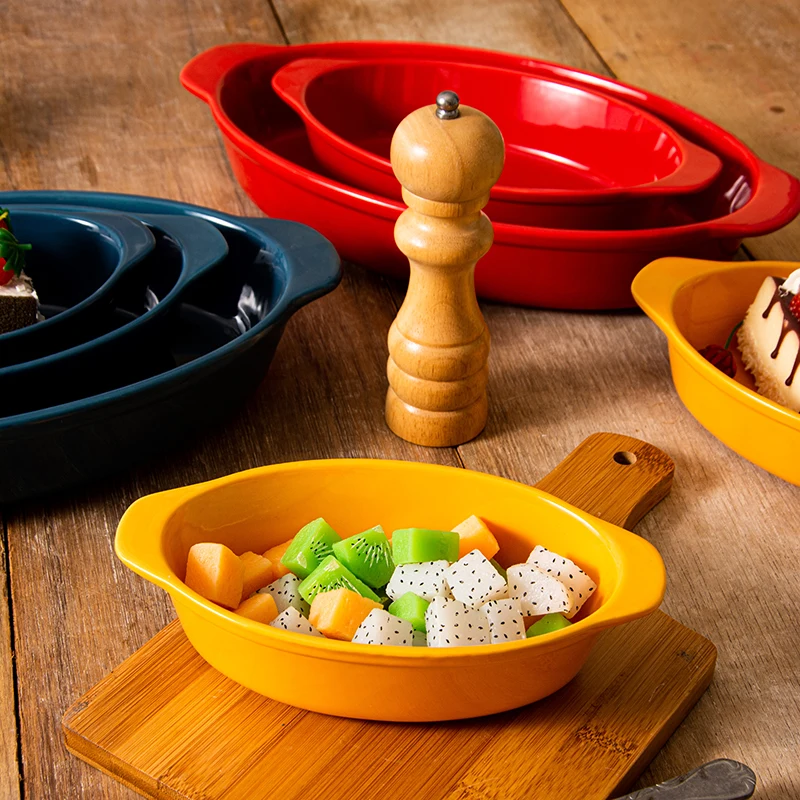
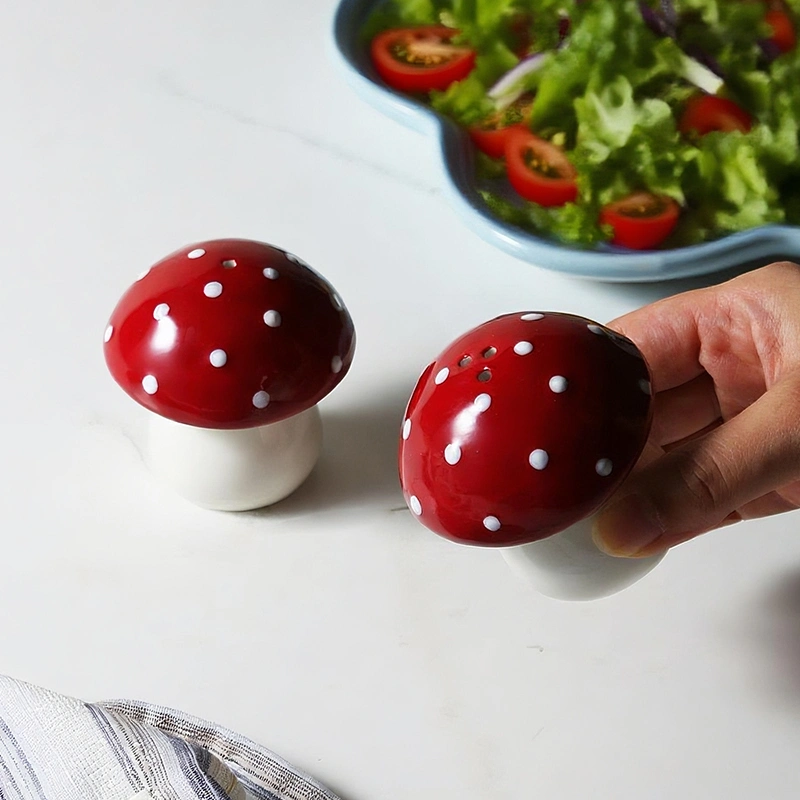
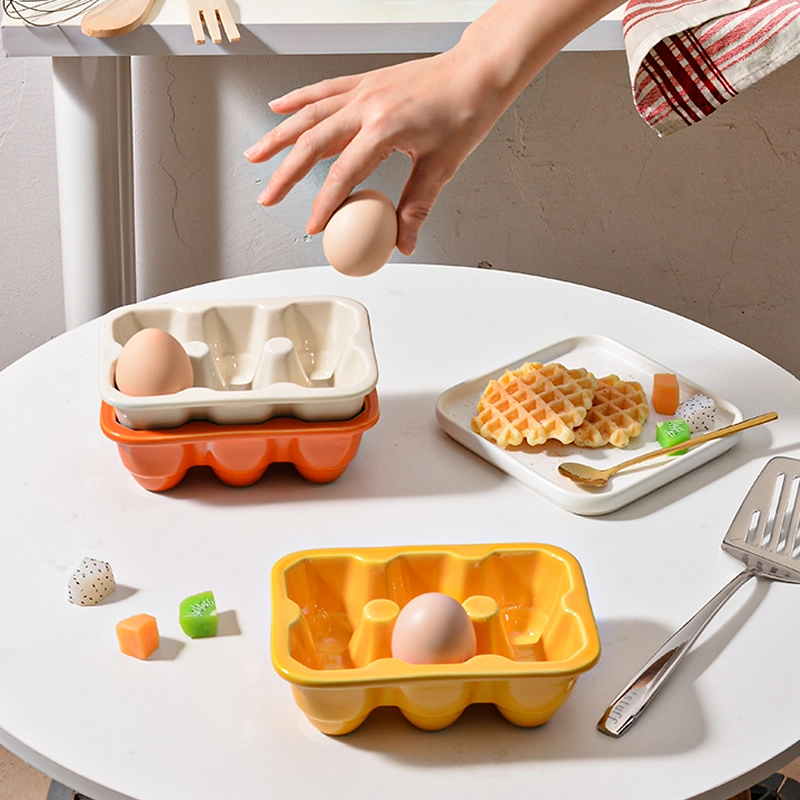
Ceramic Kitchenware Product Strategy for Retail Chains
What Retail Buyers Look For
Retail channels (supermarkets, department stores, home goods chains) prioritize:
- Strong visual merchandising
- Emotional appeal
- Mid-to-premium pricing
- Seasonal relevance
Products must attract attention quickly on shelves.
Best-Selling Ceramic Product Types in Retail
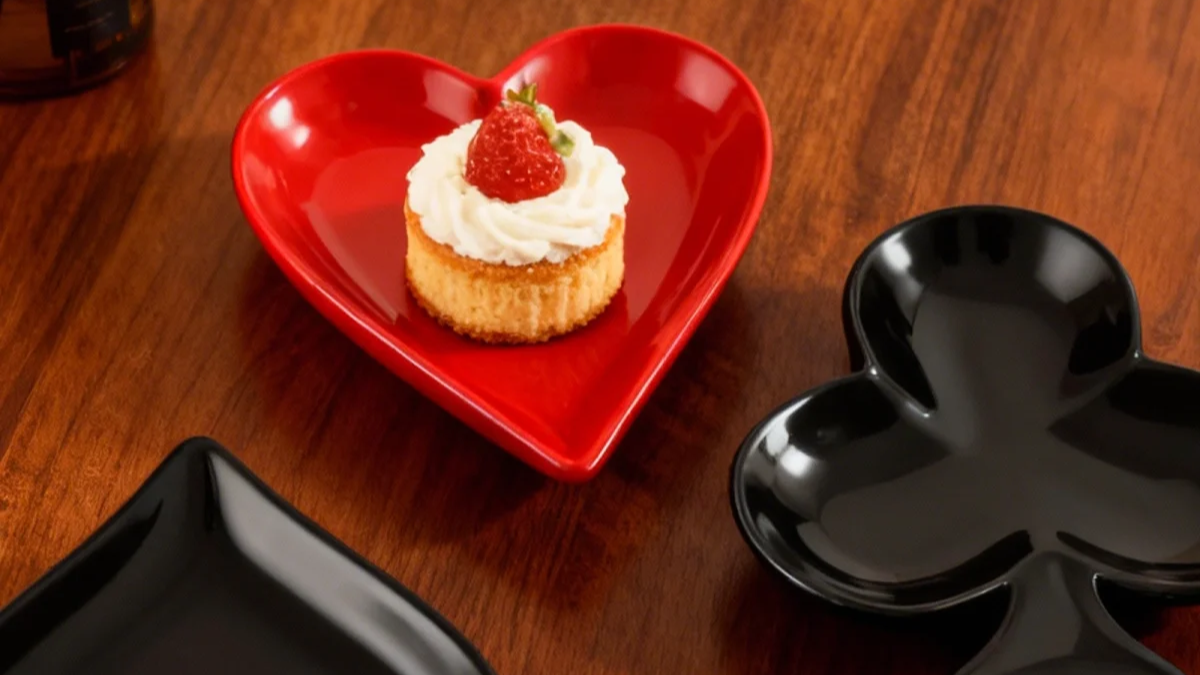
Retail performs best with visually distinctive products such as:
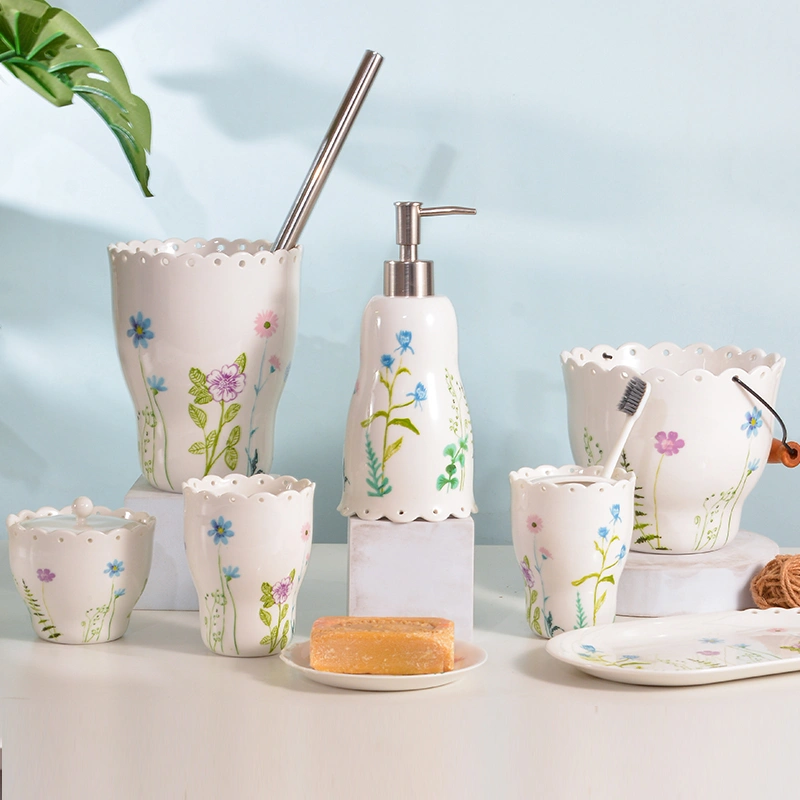
- Reactive glaze dinnerware sets
- Coordinated tableware collections
- Gift box ceramic sets
- Seasonal or holiday-themed designs
These products emphasize lifestyle positioning over pure functionality.
Retail Packaging Requirements
Packaging is a key decision factor:
- Gift-ready boxes with strong branding
- Color consistency across sets
- Stackable structures for shelf display
- Protective internal packaging for fragile ceramics
Packaging often becomes part of the product value itself.
Retail Pricing Strategy
Retail ceramics usually operate in:
- Mid-tier to premium pricing ranges
- Stable but controlled margins
- High importance on brand differentiation
Manufacturers must balance aesthetics with scalable production cost.
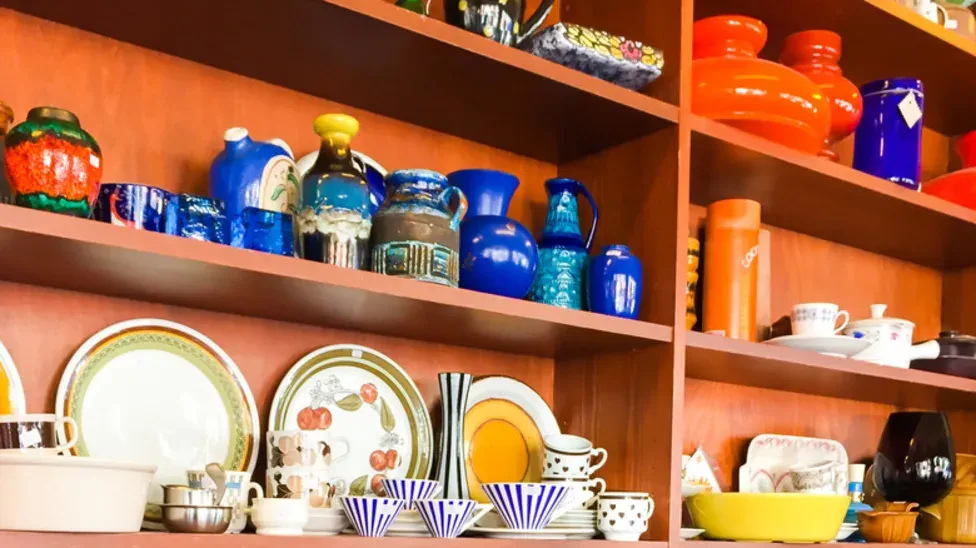
Product Line Strategy for E-Commerce Brands (Amazon / DTC)
What Online Buyers Prioritize
E-commerce channels are driven by:
- Conversion rate (CTR and sales rank)
- Customer reviews
- Price competitiveness
- Shipping safety (breakage reduction)
Unlike retail, there is no physical shelf impact—only digital presentation.
Best Ceramic Product Types for E-Commerce
High-performing online products include:
- Minimalist ceramic mug sets
- Stackable bowl collections
- Lightweight dinnerware sets
- Neutral color tableware (white, beige, gray)
These products perform well due to mass appeal and low return rates.
Packaging and Logistics Optimization
E-commerce success depends heavily on logistics design:
- Drop-tested packaging systems
- Reinforced corner protection
- Cost-efficient carton sizing
- Reduced void space for shipping efficiency
Even small improvements in breakage rate significantly affect profitability.
SKU Strategy for E-Commerce
Successful brands usually follow:
- Limited color variations
- Focused SKU clusters (best-selling sets)
- Fast-moving inventory models
- Seasonal product rotation control
Over-expansion of SKUs reduces performance on platforms like Amazon.
Ceramic Kitchenware Strategy for Wholesale & Distributors
Distributor Requirements
Wholesale buyers prioritize:
- Stable supply chain
- Competitive unit pricing
- High turnover products
- Consistent quality across batches
They are less concerned with premium aesthetics and more focused on resale velocity.
Best Product Lines for Wholesale
The most effective wholesale ceramic products include:
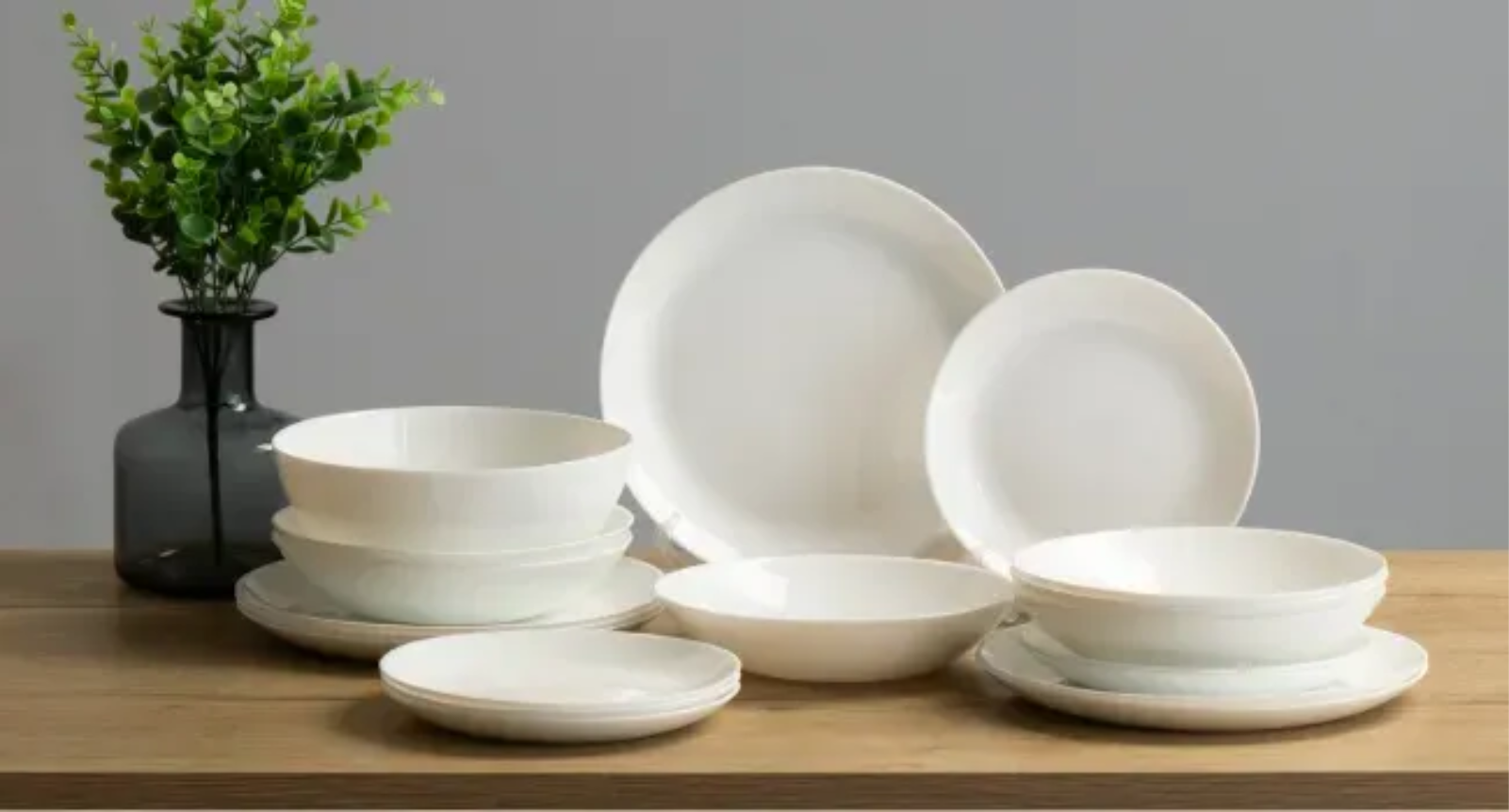
- Standard white porcelain dinner sets
- Basic ceramic bowls and plates
- Neutral-color mugs
- Universal household tableware
These products have predictable demand across multiple markets.
Cost Structure Optimization
To support wholesale pricing, manufacturers typically:
- Standardize molds for mass production
- Reduce decorative complexity
- Optimize kiln loading efficiency
- Use high-volume production scheduling
This improves unit cost competitiveness while maintaining acceptable quality.
Product Strategy for HORECA (Hotels, Restaurants, Catering)
Functional Requirements
Hospitality buyers focus on operational performance:
- Chip resistance under heavy use
- Stackability for storage efficiency
- Heat and dishwasher durability
- Uniform appearance across large orders
Aesthetic variation is minimal; consistency is critical.
Recommended Product Types
Common HORECA ceramic products include:
- Heavy-duty porcelain plates
- Commercial-grade bowls
- Stackable serving dishes
- Uniform tableware sets for chain restaurants
Safety and Compliance Needs
Hospitality procurement often requires:
- Food-contact safety certification
- Lead-free and cadmium-free materials
- High-temperature resistance validation
- Dishwasher durability testing
Non-compliance can lead to contract loss or legal risk.
Long-Term Replacement Strategy
Hotels and restaurants typically:
- Reorder identical designs over multiple years
- Require batch consistency across time
- Maintain long-term supplier relationships
This makes production stability more important than design innovation.
Private Label Ceramic Kitchenware Strategy
Branding Through Product Design
Private-label brands differentiate through:
- Exclusive mold development
- Signature glaze systems
- Custom embossed or printed logos
- Unique packaging identity
This builds long-term brand equity rather than commodity sales.
Differentiation vs Cost Balance
Over-customization can increase costs without improving sales performance. Successful brands:
- Standardize base product structures
- Customize surface design and branding
- Maintain scalable production models
Building a Cohesive Product Ecosystem
Strong private-label brands avoid isolated SKUs and instead build:
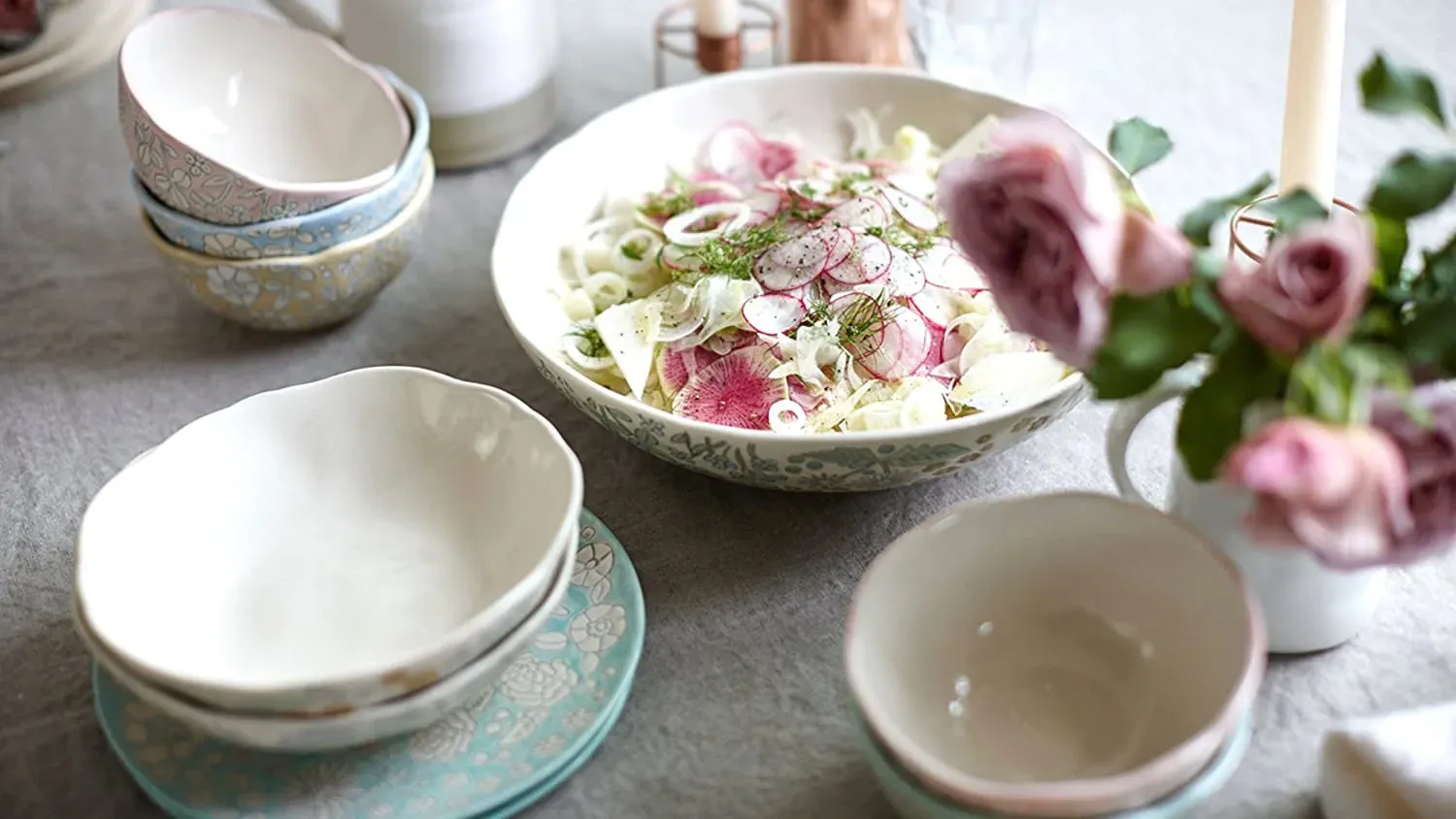
- Coordinated tableware collections
- Matching mugs, bowls, and plates
- Consistent color systems across products
- Unified packaging identity
This improves brand recognition across channels.
Ceramic Kitchenware Manufacturer’s Role in Multi-Channel Product Development
OEM/ODM Flexibility Across Channels
Um competente de cerâmica, utensílios de cozinha fabricante supports multiple channel strategies using shared base designs with modular customization:
- Same mold, different glaze
- Same product, different packaging
- Same structure, different weight or finish
This reduces development cost while supporting segmentation.
Quality Control Across SKUs
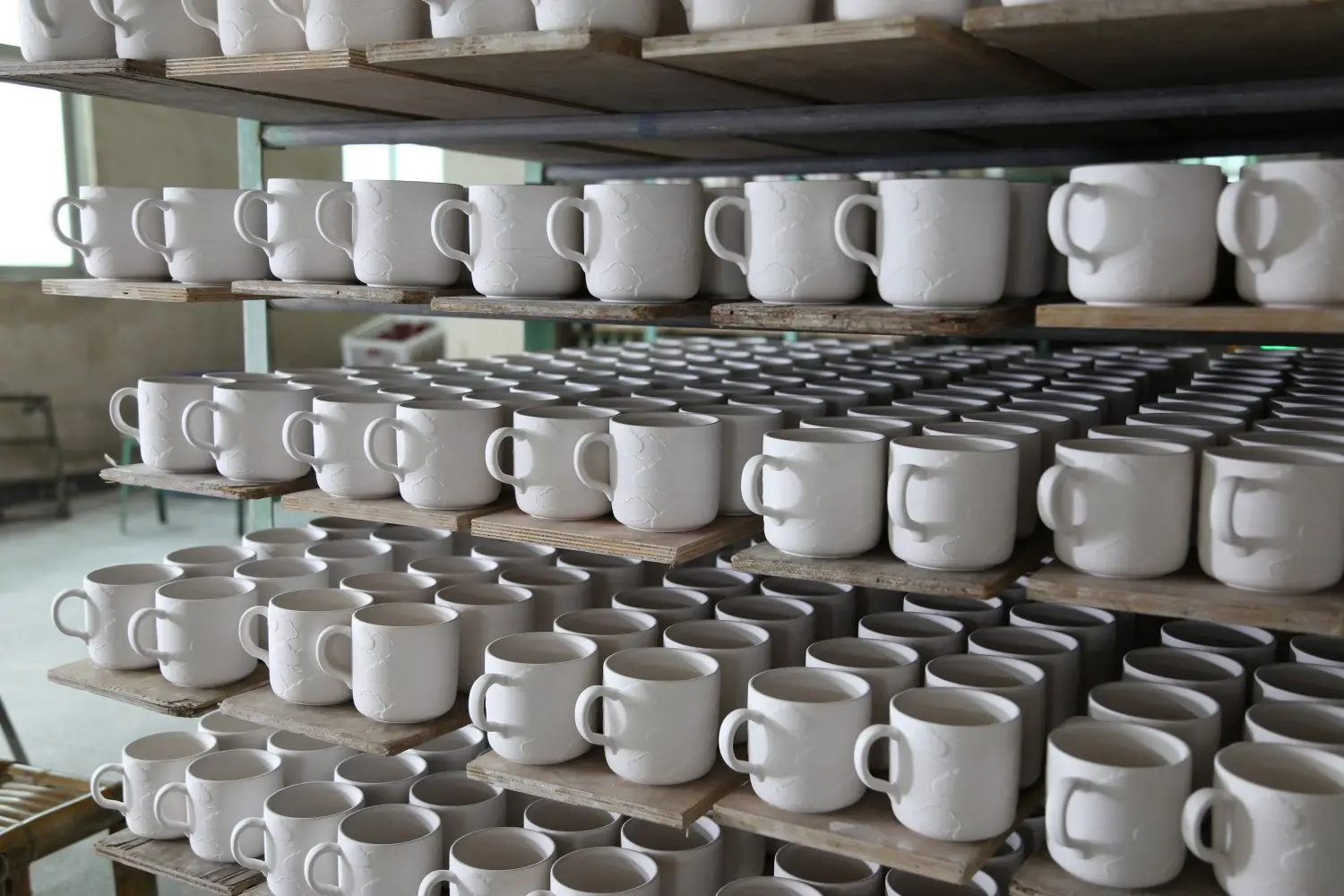
Manufacturers ensure consistency through:
- Batch-based inspection systems
- Glaze color matching controls
- Dimensional tolerance checks
- Sample retention systems
Consistency is critical when supplying multiple channels simultaneously.
Production Planning for Mixed Channel Orders
Factories manage:
- Retail seasonal peaks
- E-commerce fast-moving SKUs
- Wholesale bulk orders
- Hospitality long-cycle contracts
Efficient allocation ensures stable delivery across all customer types.
How to Choose the Right Ceramic Kitchenware Manufacturer
Evaluate Channel Experience
Not all factories understand multi-channel requirements. Buyers should assess:
- Retail product development experience
- E-commerce packaging optimization capability
- Hospitality durability standards
- Wholesale production stability
OEM/ODM Development Capability
A strong fornecedor de utensílios de cozinha em cerâmica should provide:
- Mold design and development
- Glaze system customization
- Apoio à engenharia de produto
- Packaging design services
Production Capacity and Scalability
Key indicators include:
- Monthly output capability
- Kiln capacity and automation level
- Lead time consistency
- Seasonal scalability
Export and Compliance Support
For global brands, manufacturers must also provide:
- Certification documentation
- International logistics support
- Export packaging solutions
- Market compliance knowledge
Conclusão
Ceramic kitchenware product success depends on aligning product design with channel logic. Retail, e-commerce, wholesale, hospitality, and private-label channels each require different priorities in pricing, durability, packaging, and customization.
Brands that structure their product lines accordingly achieve better margins, stronger inventory performance, and more scalable growth.
Trabalhar com um profissional experiente de cerâmica, utensílios de cozinha fabricante enables brands to execute multi-channel strategies through OEM/ODM development, consistent quality control, scalable production, and global supply chain support—turning product design into a structured commercial system rather than isolated SKUs.
FAQ
Which ceramic products sell best on Amazon?
Mugs, bowl sets, and minimalist dinnerware with strong packaging performance.
What products work best for wholesale distribution?
Standardized dinnerware, mugs, and bowls with stable pricing and high turnover.
How do hotels choose ceramic tableware?
Based on durability, consistency, stackability, and compliance with food safety standards.
Can one manufacturer support all channel strategies?
Yes, Kedali has OEM/ODM flexibility and multi-channel production capability.
What is the best strategy for private-label ceramic brands?
Build a structured product ecosystem with consistent design language across channels.