Regarding baking/serving, switching cookware impacts more than aesthetics. A quality ceramic baking dish isn’t just for table appeal—its material traits affect heat distribution, moisture retention, browning, and final flavor.
As a leading ceramic kitchenware manufacturer, Kedali breaks down the science simply and practically in this blog for you, so home cooks, product buyers, and kitchen designers understand why ceramic remains a top choice for oven-to-table cooking.
Thermal Mass: Dense Clay Stores Heat
Thermal mass is the core concept. A dense clay body — the substance behind a ceramic baking dish — absorbs and holds heat. Unlike thin metal, which heats and cools quickly, a high-density ceramic baking dish stores energy and releases it slowly.
Why that matters:
- Stored heat helps maintain stable cooking temperatures even when the oven cycles or the door opens by accident.
- After you remove the baking dish from the oven, the retained heat continues to keep food warm on the table, which can provide you with a better taste of food.
- The steady release reduces the risk of sudden temperature drops that cause undercooked centers or uneven textures.
Put simply, thermal mass gives a ceramic baking dish an advantage in both cooking consistency and serving warmth.
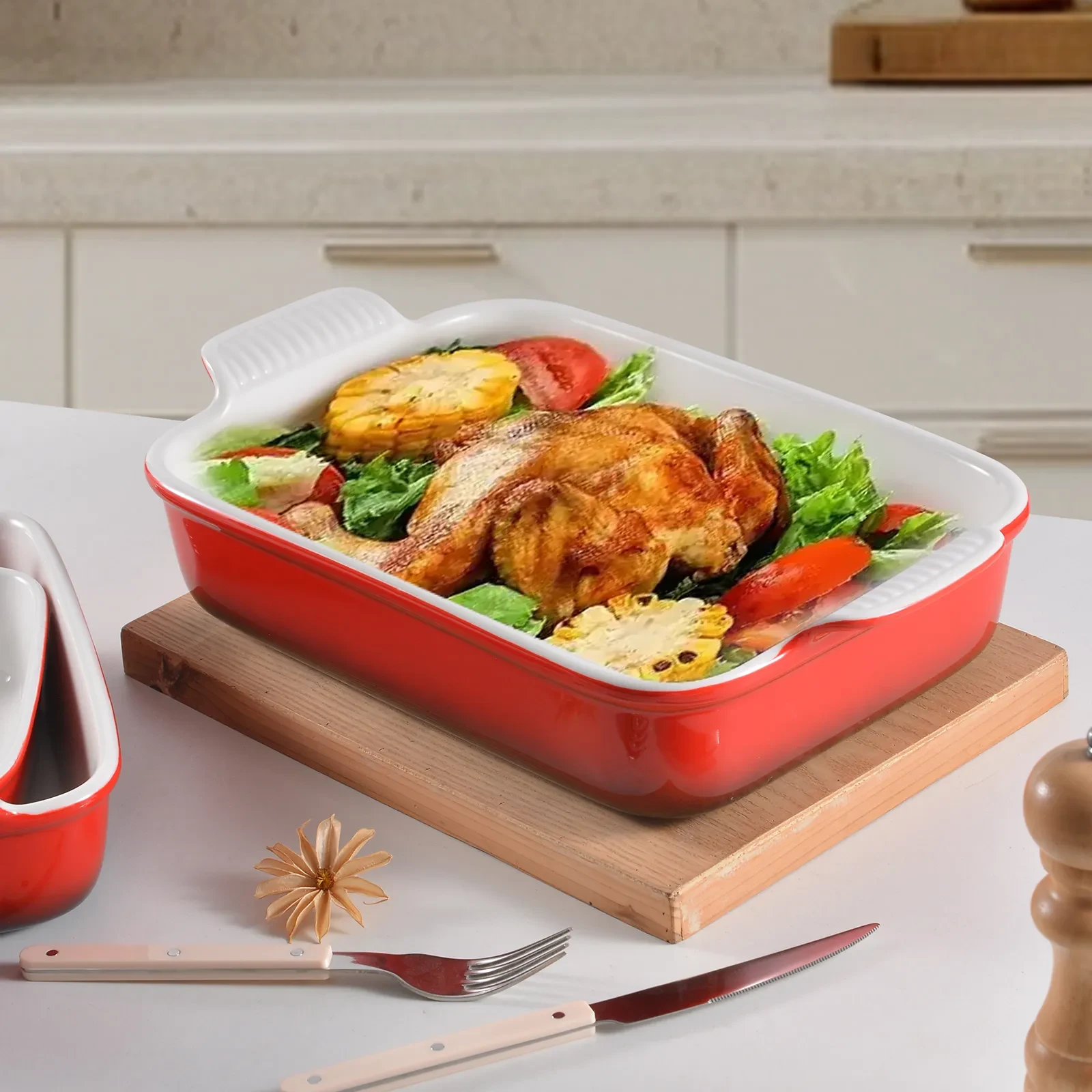
Even Heating Through the Walls
Ceramic walls heat gradually and transmit warmth evenly into the food. This behavior reduces localized hot spots that can scorch edges while leaving the center undercooked — a common issue with some glass or thin metal pans.
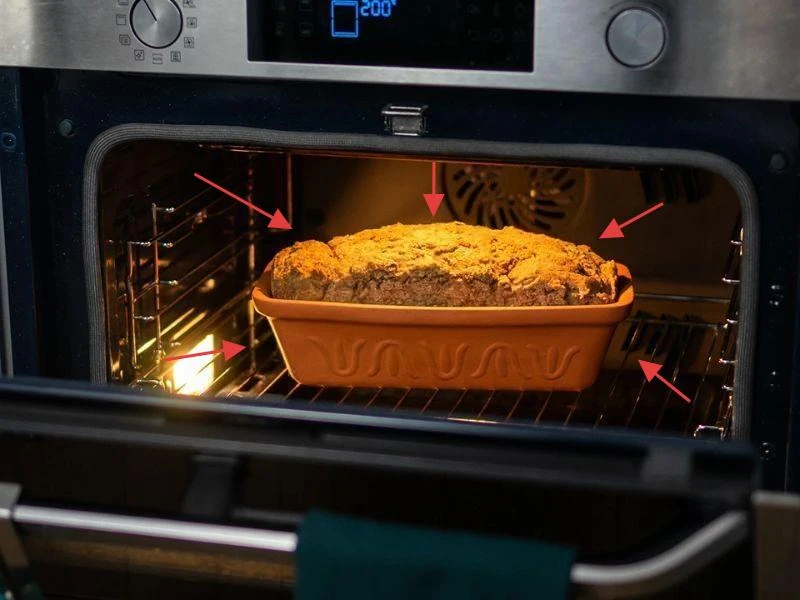
Practical effects:
- Casseroles, lasagnas, and baked desserts cook more uniformly.
- Proteins and vegetables receive gentler, more consistent heat, which helps preserve texture and moisture.
- The result is more predictable doneness and less need for compensating adjustments during cooking.
Even heat means better texture and less guesswork — especially important for home bakers and kitchens producing dishes at scale.
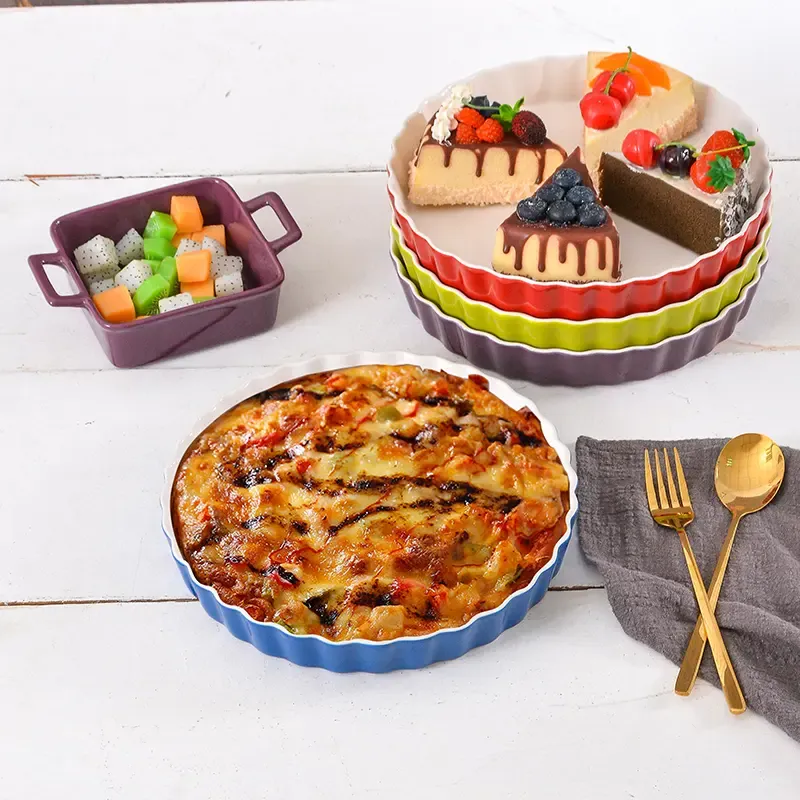
Heat Tolerance and Production Quality
The firing temperature, clay formulation, and glaze all influence porosity and thermal stability. Properly fired ceramic baking dish forms a dense, stable matrix that resists thermal shock and avoids cracking under normal oven use.
Key production factors:
- Low porosity and high heat performance were formed by higher firing temperatures generally.
- A well-applied glaze helps prevent oil and liquid absorption that may damage thermal behavior over time by sealing the surface.
- Quality control in manufacturing—uniform wall thickness and consistent clay density—matters for real-world durability.
When shopping for a ceramic baking dish, look for evidence of high firing temperatures and low porosity in specs or testing results.
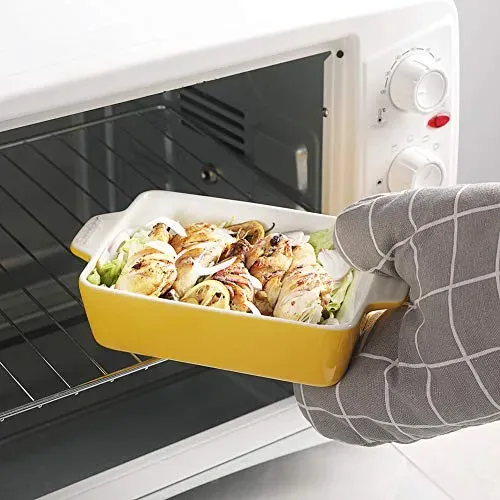
Why Food Cooks and Tastes Better in Ceramic Baking Dishes
The combined effects of thermal mass and even heating yield specific culinary improvements:
Better browning and crust formation
Because a ceramic baking dish releases heat steadily at the food surface, caramelization and Maillard reactions (the chemistry behind browning) proceed more evenly. This creates deeper, more uniform crusts on gratins and roasts.
Moisture retention and juiciness
Gentle, uniform heat helps retain internal moisture. Proteins stay tender, and vegetables keep their structure instead of drying out at the edges.
Predictable outcomes
Ceramic buffers temperature fluctuations, so dishes are less sensitive to brief oven door openings or small temperature swings. That predictability helps both novice cooks and professional kitchens hit consistent results.
Oven-To-Table Advantage
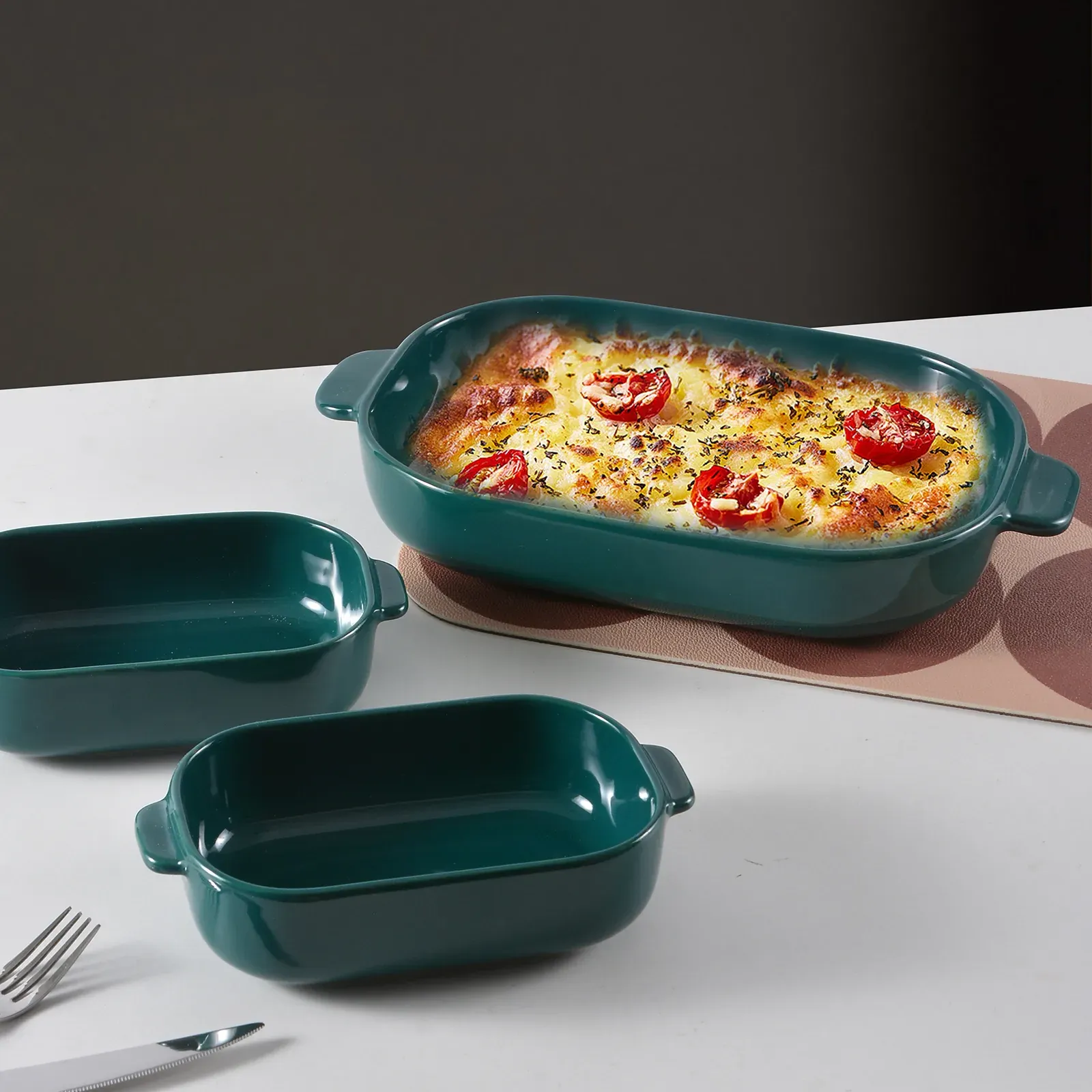
One often overlooked benefit is the serving experience. A ceramic baking dish keeps food warmer at the table thanks to its thermal mass. This matters for holiday dinners, family-style service, and restaurant plating:
- Guests eat at a more enjoyable temperature without constant reheating.
- Sauces remain fluid, cheese stays melty longer, and crusts retain texture.
- The aesthetic value of a ceramic vessel enhances presentation without needing separate serveware.
For retailers and brands, this oven-to-table functionality is a strong selling point that justifies premium positioning.
Ceramic vs. Metal vs. Glass — A Quick Comparison
| Property | Ceramic baking dish | Metal (aluminum/steel) | Glass |
|---|---|---|---|
| Heat-up speed | Moderate | Fast | Slow–moderate |
| Heat retention | High | Low | Moderate |
| Evenness | High (gradual) | Can have hot spots | Variable |
| Browning | Excellent (steady) | Good (fast, may over-brown) | Mixed |
| Table presentation | Ready-to-serve | Often needs transfer | Can serve, but less insulating |
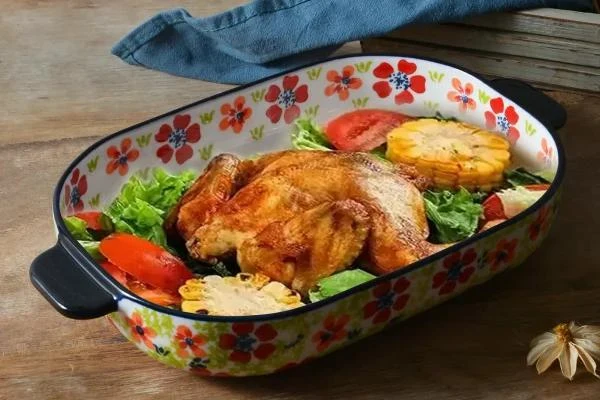
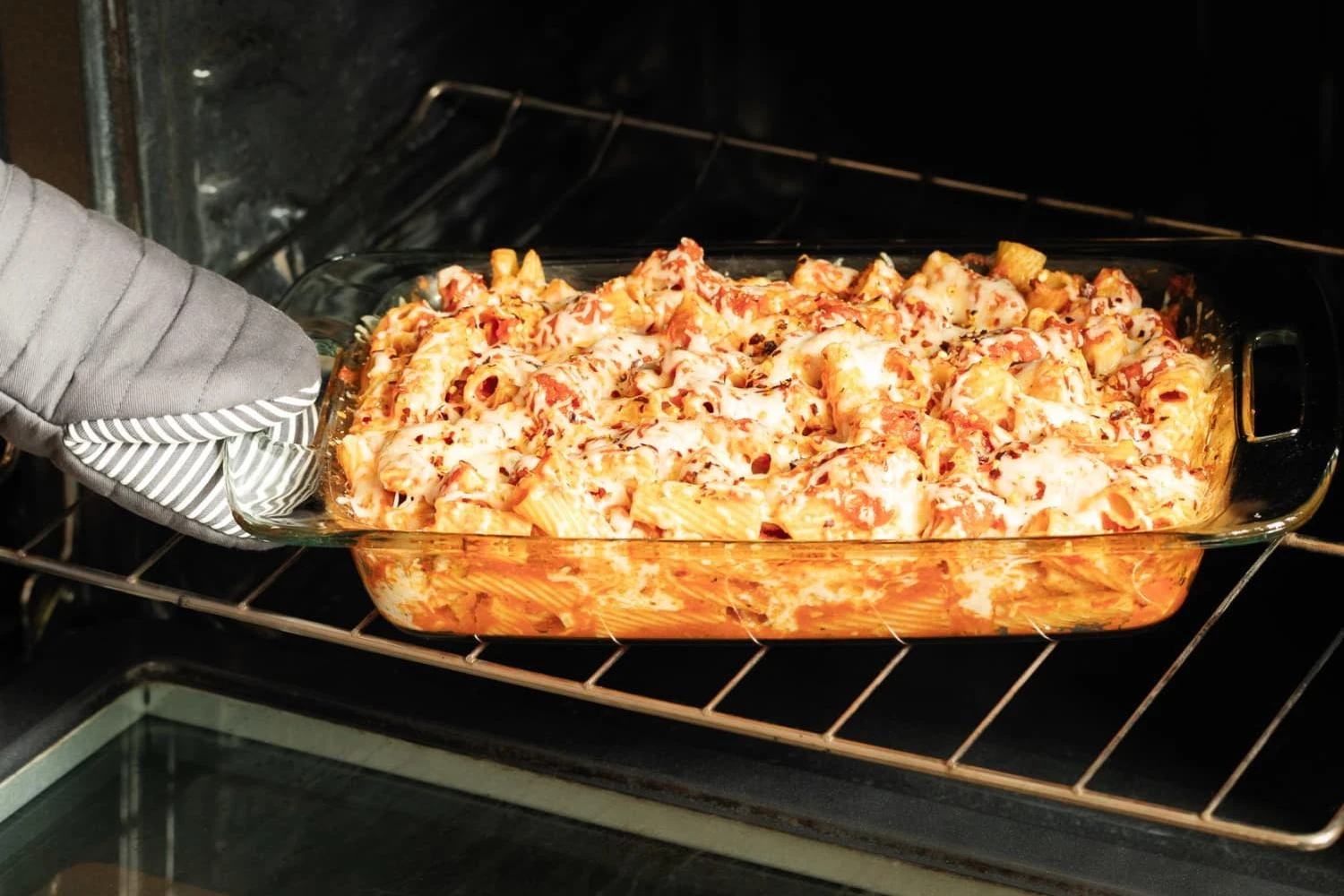
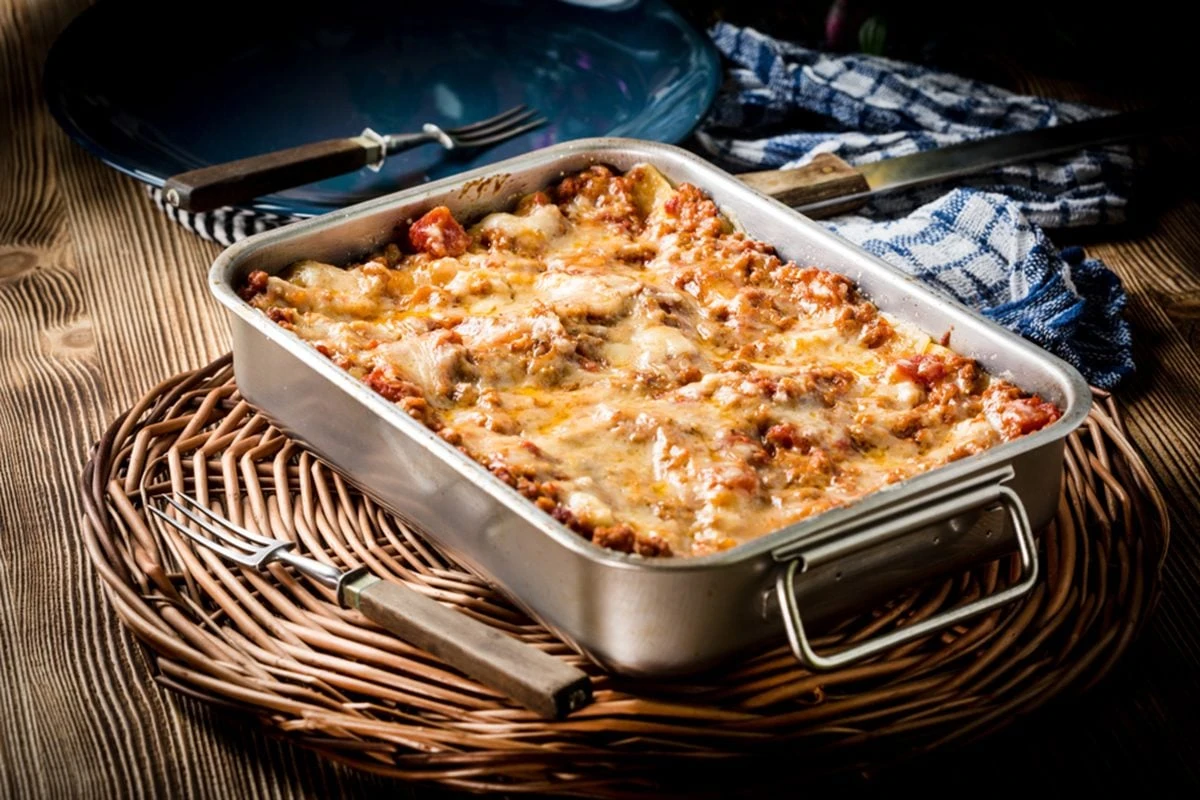
In short, metal heats quickly and is responsive (good for rapid searing), glass can be uneven, and ceramic balances heating speed with superior retention — ideal for dishes that benefit from steady heat and attractive presentation.
Practical Tips to Maximize Heat Performance
Check production specs: For wholesale or retail sourcing, request firing temperature and porosity data to confirm heat performance.
Preheat the baking dish: Warming a ceramic baking dish briefly in the oven reduces initial temperature lag and improves browning.
Avoid thermal shock: Don’t place a hot baking dish on a cold surface or rinse it with cold water immediately after use. Sudden changes can cause cracking.
Choose appropriate thickness: Thicker walls increase thermal mass and retention but take longer to heat; select thickness based on intended use.
Conclusion
A ceramic baking dish improves cooking and dining through two simple physical properties: thermal mass and even heat transmission. These traits translate into better browning, preserved moisture, predictable cooking, and longer table warmth — all of which enhance flavor and dining satisfaction. For home cooks, restaurateurs, and product buyers, the science behind ceramic isn’t just academic: it’s a practical reason to choose ceramic when you want food to taste and present better.
About Kedali

Kedali is a leading ceramic kitchenware manufacturer from China, capable of supplying wholesale ceramic kitchenware and wholesale ceramic bakeware to brands and distributors worldwide.
Our facility operates under internationally recognized safety standards, ensuring every batch meets strict quality expectations. All products can pass reputable third-party testing, making them suitable for premium retail and food-contact applications.
We also provide custom ceramic bakeware solutions, covering shapes, glazes, colors, textures, and packaging to support differentiated product lines. As a partner you can rely on, we deliver dependable production and flexible customization for companies aiming to scale with confidence.