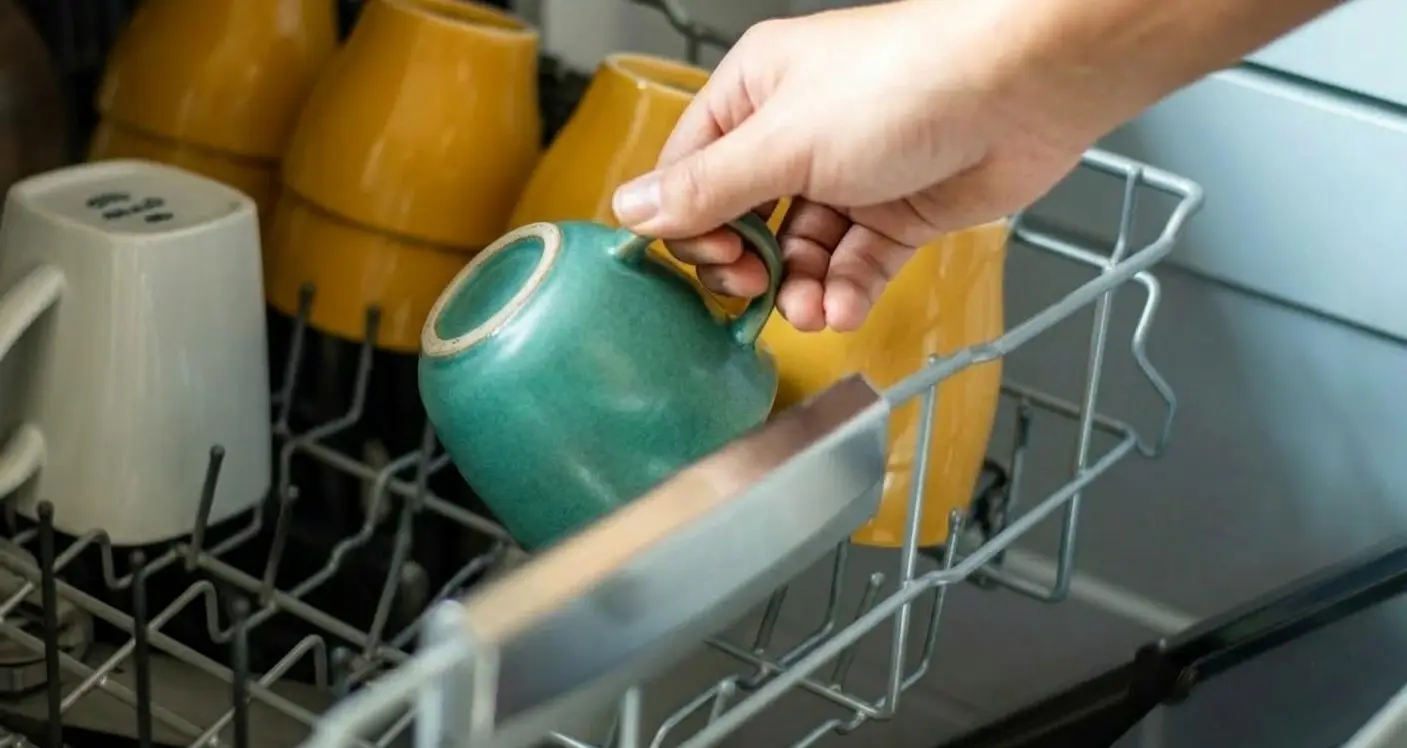
Dishwashers are convenient — but they expose tableware to repeated high heat, strong alkaline detergents, and mechanical motion. Many people assume every ceramic mug or ceramic cup will survive that environment, yet some mugs fade, craze, or crack after repeated cycles.
The answer is yes when a ceramic mug is well produced by the factory. It includes the clay body, glaze formulation, firing process, and decorations — not the simple label “ceramic.”
Here, Kedali, a professional ceramic mug manufacturer, explains what happens inside a dishwasher, which manufacturing features matter, common failure modes, and how to choose and care for dishwasher-safe ceramic cups at home.
What Happens Inside a Dishwasher
A dishwasher subjects items to several simultaneous stresses:
- High temperatures. Typical wash cycles reach 55–75°C (131–167°F); drying stages can be hotter.
- Alkaline detergents. Formulated to cut grease, they are chemically aggressive over time.
- Water pressure & impact. Sprays, jets, and shifting racks make dishes collide or rub.
- Repetition. Weekly cycles accumulate wear that weak materials cannot withstand.
For a ceramic mug to remain intact, it must resist thermal, chemical, and mechanical stress together.
What Determines If a Ceramic Cup Is Dishwasher Safe
Three manufacturing factors control long-term durability: the clay body, the glaze, and how decorations are applied.
1. Clay body density and water absorption
High-fired, vitrified ceramic bodies absorb less water. Low water absorption means fewer micro-pores that trap detergent and steam. Dense, vitrified bodies withstand thermal cycling better and are less likely to develop internal stress and cracks during hot-wash cycles.
2. Glaze quality and chemical resistance
The glaze is the protective skin. A well-formulated, properly fired glaze is non-porous and resists alkaline attack. Weak glazes can dull, craze (fine hairline cracks), or erode after many runs in the dishwasher.
3. Decoration and trims
Printed decals, low-temperature overglazes, or metallic trims (gold, silver) are the most vulnerable to fading, peeling, or sparking. If decorations weren’t fired at the correct temperature or are applied as surface films, they’re likely to degrade.
Common Problems When Mugs Are Not Dishwasher Safe
Glaze dulling/surface erosion. Strong detergents and high temperatures can chemically abrade weak glazes; the mug loses shine and smoothness.
Pattern fading or peeling. Poorly fired decals or low-temperature pigments wash off or fade after repeated cycles.
Crazing and cracking. Thermal stress from hot water cycles can produce hairline glaze cracks (crazing) or deeper structural cracks when body and glaze CTEs (coefficients of thermal expansion) are mismatched.
These outcomes typically reflect production decisions — not random failure — and they’re preventable with proper materials and process control.
How to Spot a Dishwasher-safe Ceramic Mug
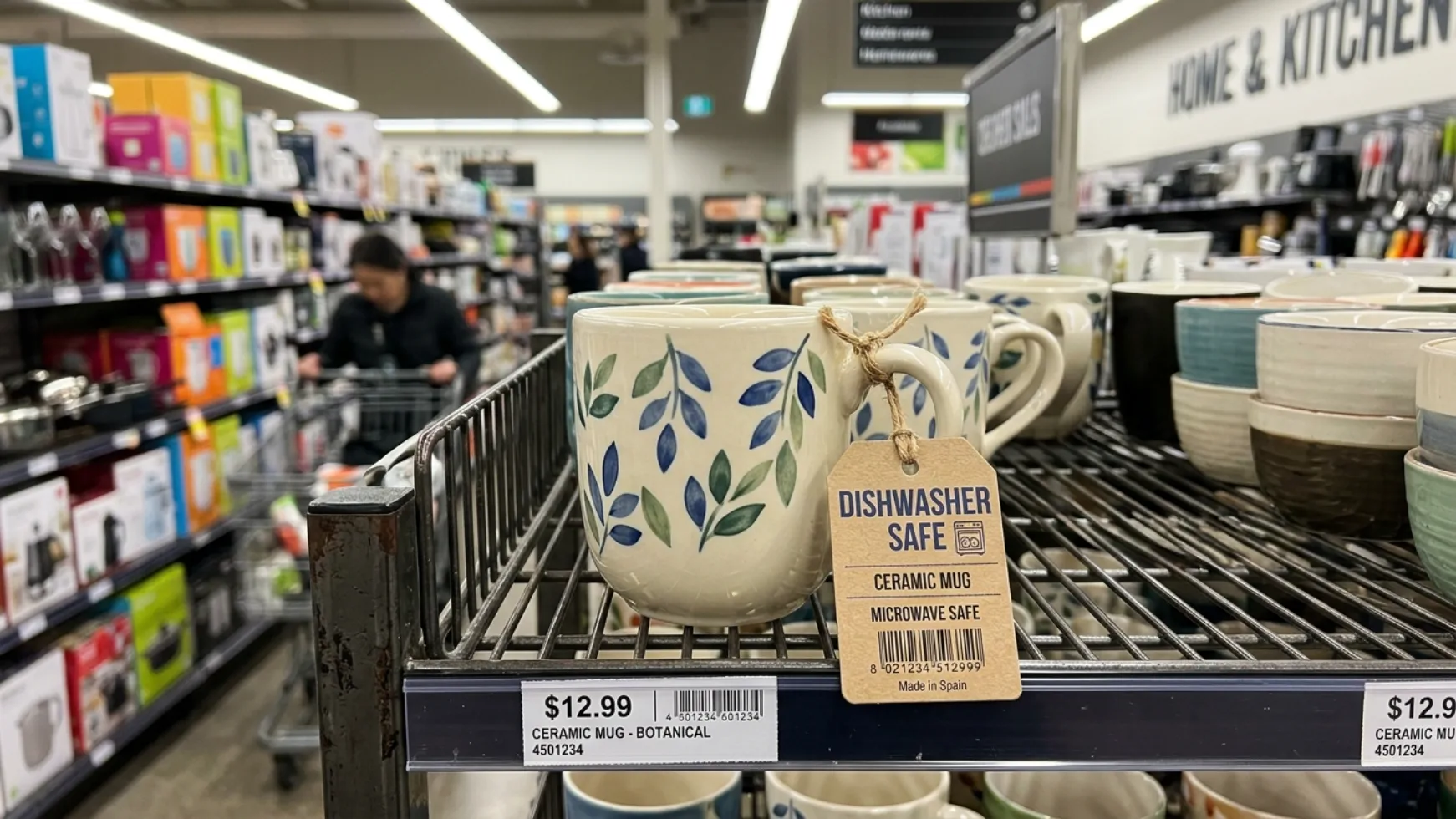
Labeling. Look for “Dishwasher Safe” or “Dishwasher Safe — Top Rack Recommended.” Labels are useful but rely on supporting evidence for certainty.
Visual & tactile checks. A smooth, even glaze without pinholes, a reinforced rim, and a stable base are positive indicators. Thin, brittle walls or visible surface flaws are warning signs.
Home water test (simple check). Fill the mug with room-temperature water and microwave for 30–60 seconds (or place in a preheated oven for a short, cautious check if microwave not available). If the mug becomes much hotter than the water, the body or glaze may be absorbing heat (a sign of potential problems). For dishwasher-specific checks, review manufacturer care instructions and user reviews.
Best Practices for Washing Ceramic Cups in the Dishwasher
Even dishwasher-rated mugs benefit from careful handling:
- Secure placement: Put mugs so they don’t knock together; use cup holders or top-rack spots.
- Avoid overcrowding: Prevent collisions that cause rim chips.
- Moderate detergent: Excessive detergent accelerates wear.
- Separate decorated items: Hand-wash metallic or finely printed mugs.
- Inspect regularly: Remove mugs with visible crazing, flaking or deep scratches for hygiene.
Following these steps extends the life of both plain and decorated mugs.
Dishwasher vs. hand washing
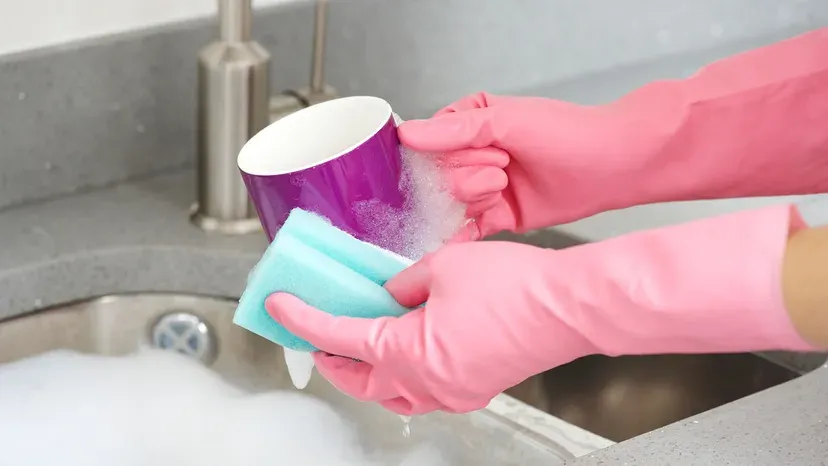
- Hand washing is gentler and preserves delicate decorations and metallic trims. Use for heirloom, painted, or gilded ceramic mugs.
- A dishwasher is fine for sturdy, well-made ceramic cups labeled accordingly. For everyday, plain mugs, machine washing is convenient and generally safe if the product is quality-manufactured.
If design and print longevity matter, hand washing is the safer option.
Quick shopping tips (consumer checklist)
- Choose mugs explicitly labeled “Dishwasher Safe.”
- Prefer high-fired, vitrified bodies for durability.
- Avoid metallic trims if you plan to use the dishwasher regularly.
- Look for reinforced rims and smooth, even glazes.
- When in doubt, hand-wash decorated pieces.
Conclusion
Not all ceramic mugs or ceramic cups are equal in dishwasher durability. Long-term performance depends on material science and manufacturing control: dense, vitrified bodies paired with well-formulated, well-fired glazes survive dishwasher stress far better than low-fired, porous ware or mugs with fragile decorations. Buy labeled, well-made mugs, follow sensible loading and detergent practices, and your mugs will stay attractive and functional for years.