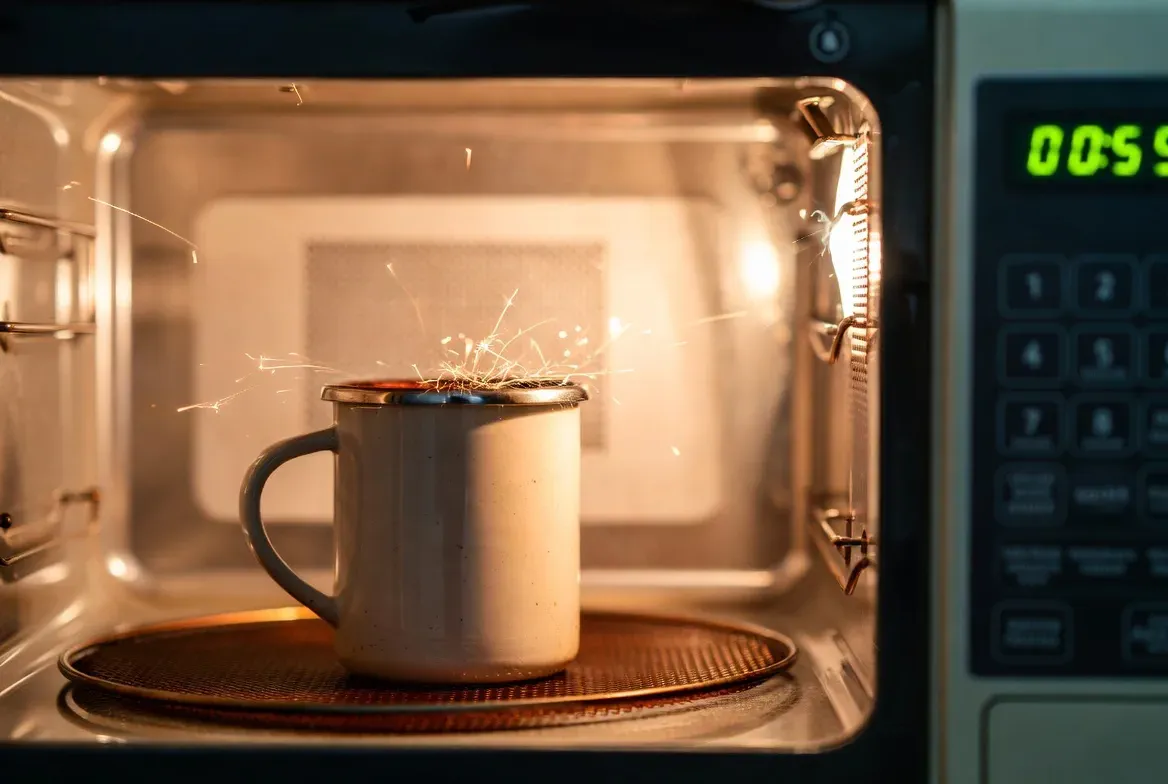
Reheating coffee or tea in the microwave is routine — and so is the confusion when a ceramic mug cracks, becomes too hot to touch, or a metallic rim sparks. The simple answer is: not all ceramic mugs are microwave safe.
As a professional ceramic mug manufacturer, Kedali can tell that ceramic mug safety depends on the clay body, glaze formulation, firing regime, and the finished product’s structural integrity. This article explains the science, the failure modes, and how buyers — from consumers to procurement teams — can identify truly microwave-safe ceramic mug offerings.
How Microwaves Heat Materials
Microwave ovens produce electromagnetic waves that cause polar molecules (chiefly water) to rotate and generate heat through friction. Metals reflect microwave energy and can concentrate electrical charge at edges, producing sparks. Non-metallic materials like ceramics generally let microwaves pass through them; the microwaves heat the food or liquid directly rather than the container.
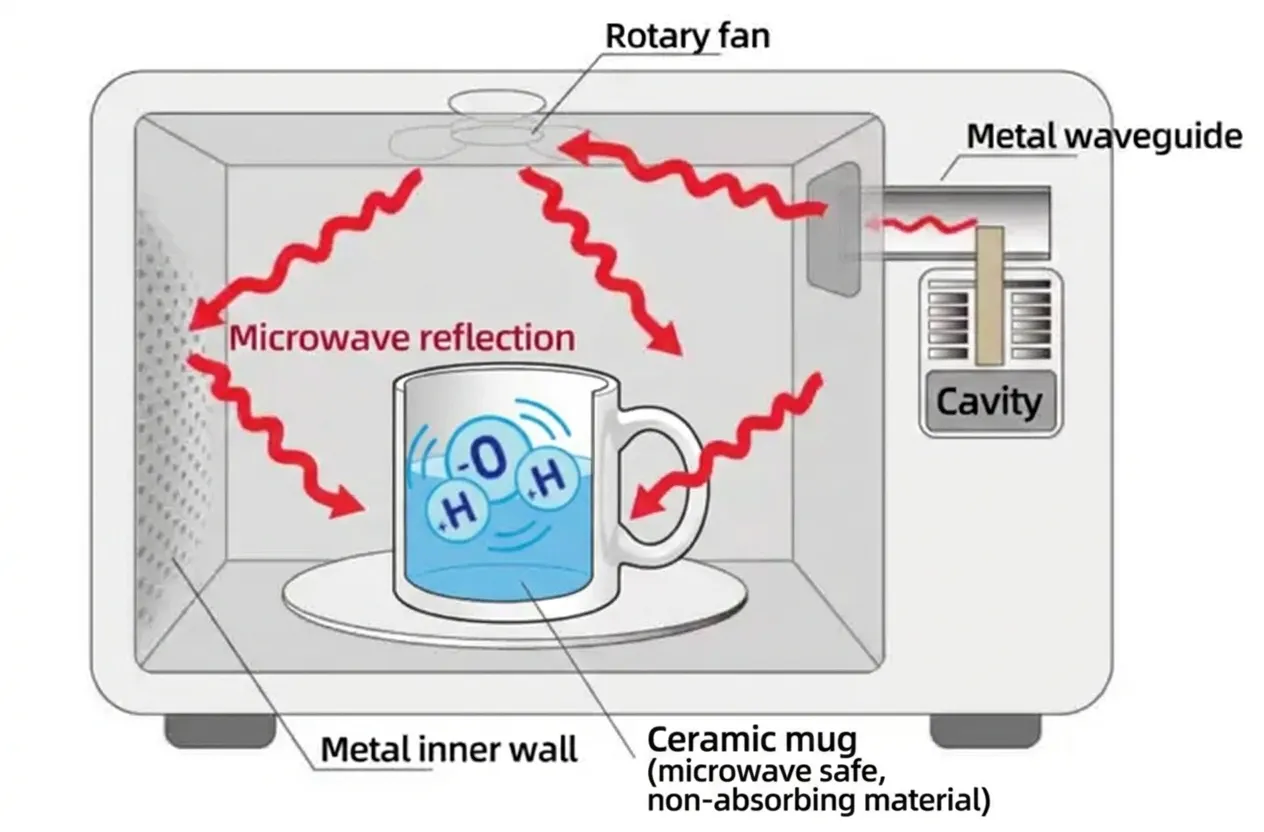
Key material factors that change behavior in a microwave:
- Density and porosity — porous materials trap moisture, and internal steam can cause pressure build-up.
- Thermal conductivity — low conductivity causes surface and internal temperature gradients.
- Dielectric loss — some glazes or bodies absorb microwave energy and heat themselves.
Understanding these basics helps explain why some ceramic mugs survive microwaving, and others fail.
What Makes a Ceramic Mug Microwave Safe?
Three manufacturing variables determine microwave performance: clay body density, glaze composition, and firing temperature.
Clay body density
High-fired, vitrified bodies with low water absorption are more stable in thermal cycling. Water absorption is a primary indicator: low absorbed water means fewer micro-pores that can trap steam. Well-vitrified bodies resist internal steam pressure and are less prone to thermal shock when the mug is heated quickly.
Firing temperature and vitrification
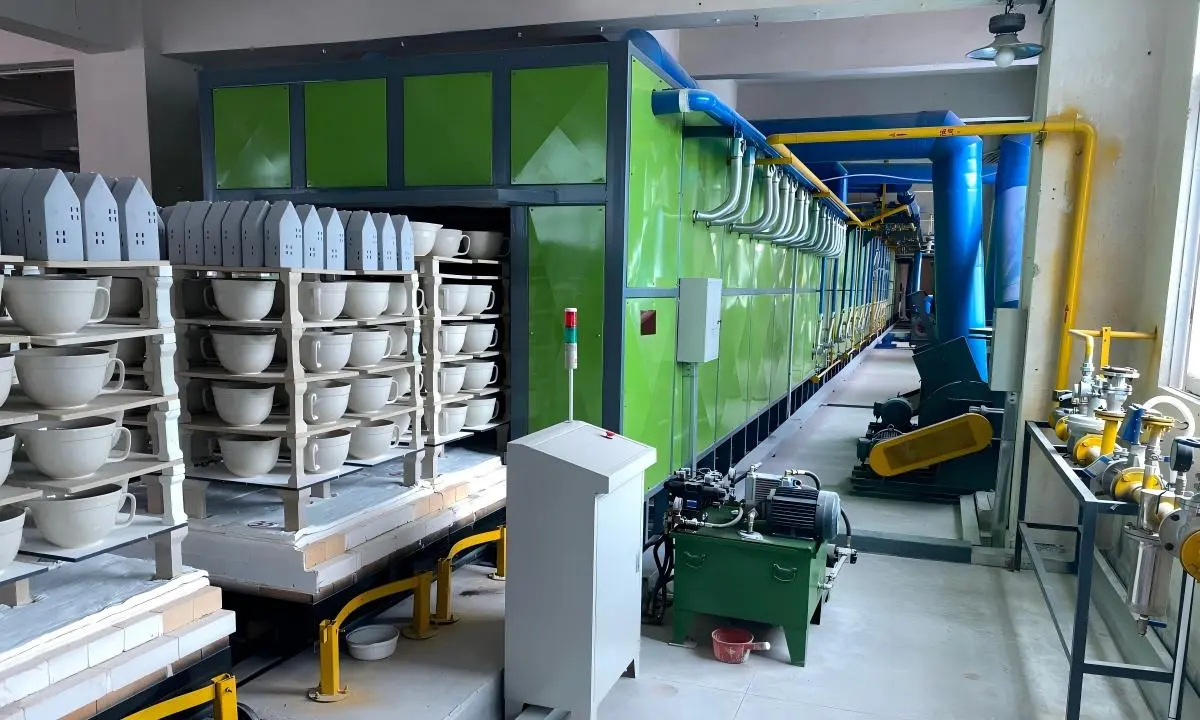
Firing creates the ceramic’s internal structure. Under-fired ware remains porous and weak; over-fired ware can slump or suffer glaze defects. Proper firing produces matched coefficients of thermal expansion (CTE) between body and glaze, minimizing stresses when temperature changes rapidly.
Glaze composition
Glazes form the surface barrier. A sound glaze should be non-porous, chemically stable, and free of conductive additives. Metallic trims (gold, silver, lusters) or conductive pigments will interact with microwaves and can spark. Lead and cadmium content are separate safety concerns — rely on third-party migration tests for food contact safety.
Why Some Ceramic Mugs Fail in the Microwave
Thermal shock
Microwaving a cold or wet mug heats the outer and inner layers unevenly. Rapid temperature change can create tensile stress that the body or glaze cannot absorb, producing cracks or crazing.
High water absorption
Porous bodies hold water inside micro-voids. When microwaved, internal steam expands and generates micro-fractures or spalling. That’s why low water absorption values correlate strongly with microwave reliability.
Decorative elements and uneven surfaces
Metal trims cause arcing. Thick, uneven glaze pools or pinholes concentrate heat or gas release points, increasing the chance of localized failure.
How to Identify a Microwave-safe Ceramic Mug
Manufacturer labeling and certification
Look for an explicit “microwave safe” mark and supporting documentation. For B2B buyers, require test reports rather than an unverified label. Useful standards and documents include water absorption test results (ASTM/ISO), firing profile data, and thermal-shock cycle reports.
A simple home test (consumer level)
Fill the mug with room-temperature water and microwave for 30–60 seconds. Compare the water temperature to the mug temperature: if the mug becomes much hotter than the water, the body or glaze is absorbing microwave energy — that’s a red flag. Always err on the side of caution and inspect for hairline cracks after testing.
What procurement teams should ask the ceramic mug suppliers
- Water absorption rate (%) and test method.
- Firing temperature range and kiln curve summaries.
- Glaze composition and third-party migration certificates.
- Thermal-shock cycle data (number of oven→cool cycles passed).
- Confirmation that decorations contain no metallic compounds.
Request documented evidence and golden samples retained at the factory for production reference.
Best Practices for Using Ceramic Mugs Safely in Microwaves
- Never microwave an empty mug.
- Avoid sudden temperature changes (don’t move from freezer to microwave).
- Remove metallic decorations before microwaving.
- Heat in short intervals and check the temperature; avoid overheating.
- Replace mugs that show hairline cracks, crazing, or glaze flaking.
These simple precautions reduce risk even with well-manufactured ceramic mugs.
Buying Guidance: Consumer and B2B Perspectives
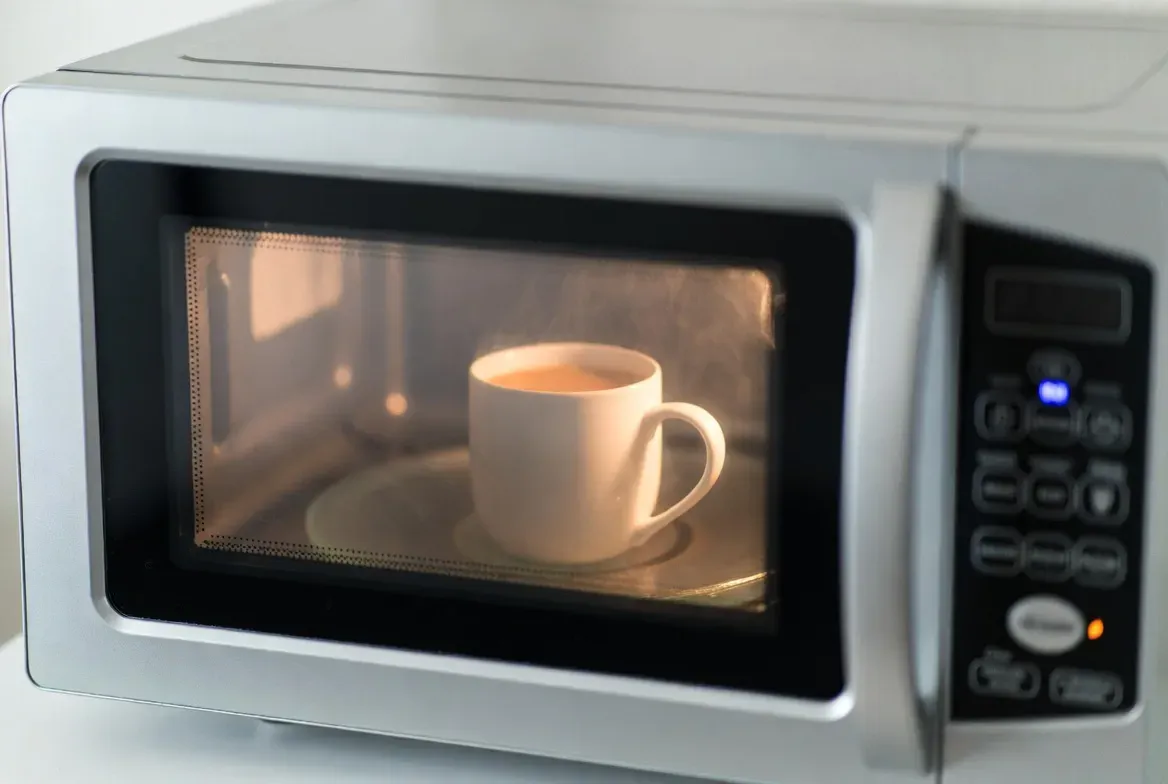
For consumers: prefer labeled, tested mugs from reputable brands. Use the water test if you’re unsure. For retailers, importers, and private-label buyers: require test documentation, golden-sample sign-off, and production batch traceability. Specify acceptable water absorption values and thermal cycling thresholds in purchase orders.
Conclusion: Microwave Safety is About Production Quality
A ceramic mug is only as safe in a microwave as its material science and manufacturing process allow. High-density, fully vitrified bodies combined with non-conductive, well-adhered glazes and proper firing produce the mugs that will withstand repeated microwave use. Don’t treat “microwave safe” as a marketing claim — demand the test data, inspect samples, and use simple in-home checks for added assurance. Safety is manufacture + material + verification.
About Kedali
Kedali is a ceramic mug manufacturer specializing in vitrified, food-contact–compliant drinkware for global distributors and private labels. Production is controlled from clay formulation and glaze batching to kiln firing curves, ensuring stable water absorption rates, consistent glaze adhesion, and repeatable thermal performance across batches.
Kedali offers custom ceramic mug solutions, covering shape development, decoration techniques, packaging customization, and golden-sample retention, delivering scalable supply with traceable quality control.