It is insufficient and lagging to judge a ceramic pet bowl by its appearance when you, brands, distributors, and procurement team, are selecting them for commercial purposes. Long-term margin and clients’ word of mouth will be damaged by the low-quality one.
Here, Kedaili, a leading daily-use ceramic manufacturer, is bringing a practical, inspection-oriented guide to you, which covers the technical signals, tests, and supplier control B2B buyers should insist on before placing a bulk order.
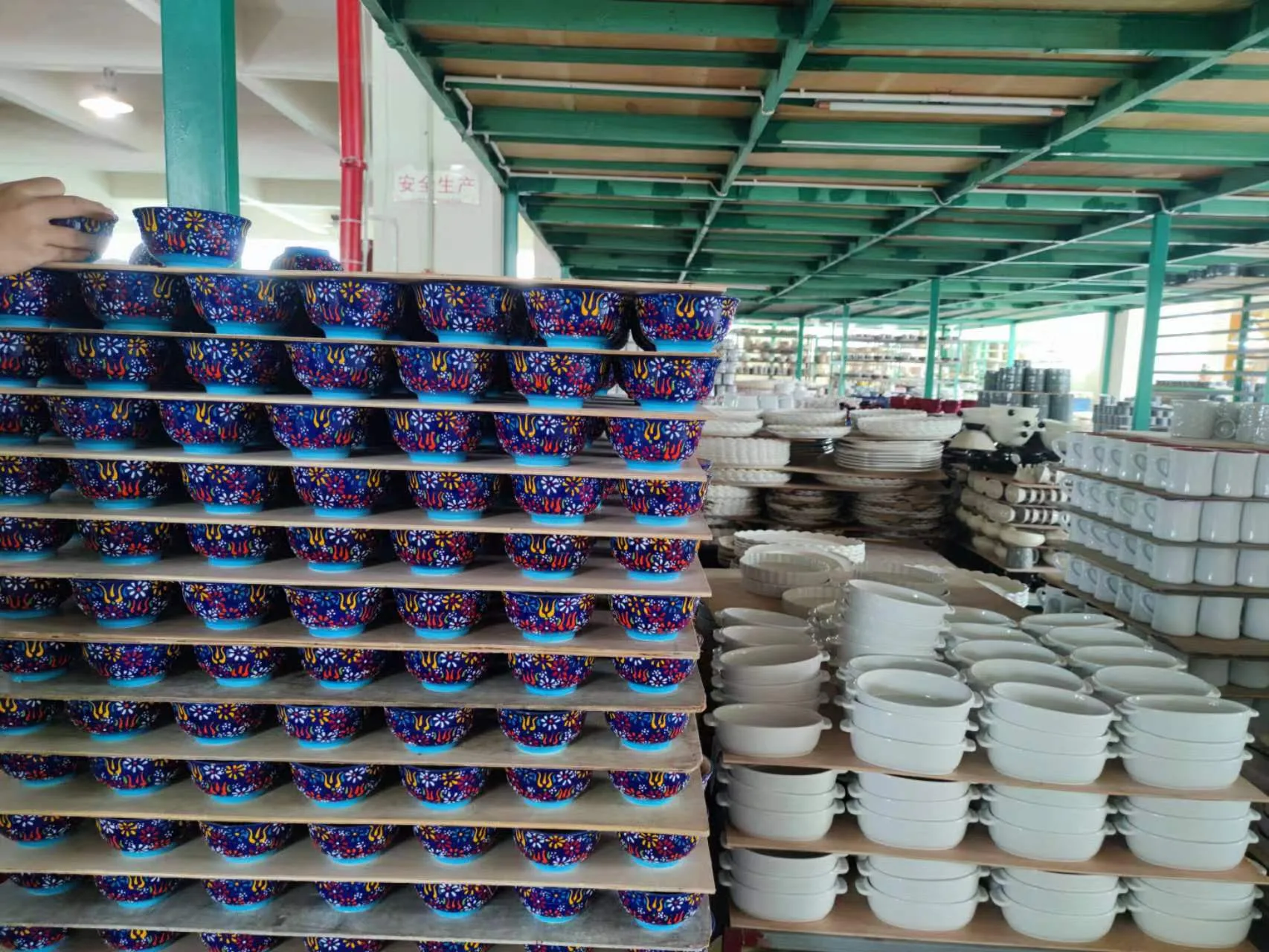
Start with the Clay Body and Firing Process
Why it matters: The clay formulation and firing process determine porosity, mechanical strength, and thermal stability—core indicators of the long service life of a ceramic pet bowl.
What to request and verify
- Material type: Confirm whether the supplier uses porcelain, high-fired stoneware, or earthenware; for durable pet bowls, prefer high-fired bodies.
- Firing profile: Ask for documented firing temperatures and kiln curves or a factory statement describing “high-fire” production.
- Porosity indicators: Request water absorption or porosity test results; lower porosity correlates with better hygiene and less risk of cracking.
- Wall thickness tolerance: Specify acceptable thickness ranges and weight consistency for each SKU to avoid warping and uneven firing.
Red flags: vague answers on firing, large variation in sample weights, or no porosity data.
Inspect Glaze Quality and Food-contact Safety
Why it matters: Ceramic pet bowls are food-contact items for pets—glaze failures or toxic leaching create liability and delisting risk.
Buyer requirements
- Migration testing: Require current lab reports for lead/cadmium migration and compliance with buyer markets (e.g., FDA/LFGB/EU food-contact standards).
- Surface defects to reject: Pinholes, blisters, crazing, crawling, and inconsistent gloss are production defects; reject batches showing these.
- Finish choice vs. function: Glossy glazes are easier to clean and generally less porous; matte finishes can be marketed as premium but need stricter quality control.
Ask suppliers to provide recent third-party test certificates and sample inspection photos before bulk approval.
Evaluate Functional Design and Stability
Why it matters: Pets move; ceramic pet bowls that tip or slide generate complaints and returns.
Design checks for samples
- Base weight and center of gravity: Heavier bases reduce tipping—measure base weight and compare across samples.
- Anti-slip solutions: Review the durability of silicone rings, rubber feet, or textured ceramic bases; verify adhesion/fastness after dishwashing cycles.
- Depth and diameter: Match bowl dimensions to pet types (shallow for flat-nosed breeds, deeper bowls for larger animals); ensure dimensional accuracy against spec sheets.
Perform a simple stability test during sampling—apply lateral force to simulate an active pet and document results.
Durability Testing: Chip, Crack, and Thermal Resistance
Why it matters: Durability determines return rates and warranty exposure.
Tests to require or witness
- Edge/rim impact test: Simulate common knocks to judge chip resistance.
- Thermal shock test: Cycle samples between warm and cool conditions per supplier protocol to reveal firing or glaze weaknesses.
- Dishwasher cycle simulation: Ask for standardized cycle results (e.g., a specified number of cycles) showing no glaze degradation. In practice, few people would mix their bowl with the pet bowl, but it is a default requirement for Europeans and Americans.
Require test reports and consider third-party lab verification for new suppliers or new product families.
Hygiene, Maintenance, and Real-World Usability
Why it matters: Non-porous surfaces and ease of cleaning reduce odor, bacteria buildup, and negative reviews.
Practical checks
- Porosity vs. odor: Cross-check porosity data with odor/absorption tests.
- Cleaning ergonomics: Glossy surfaces typically wipe clean faster; matte finishes should be tested for stain retention.
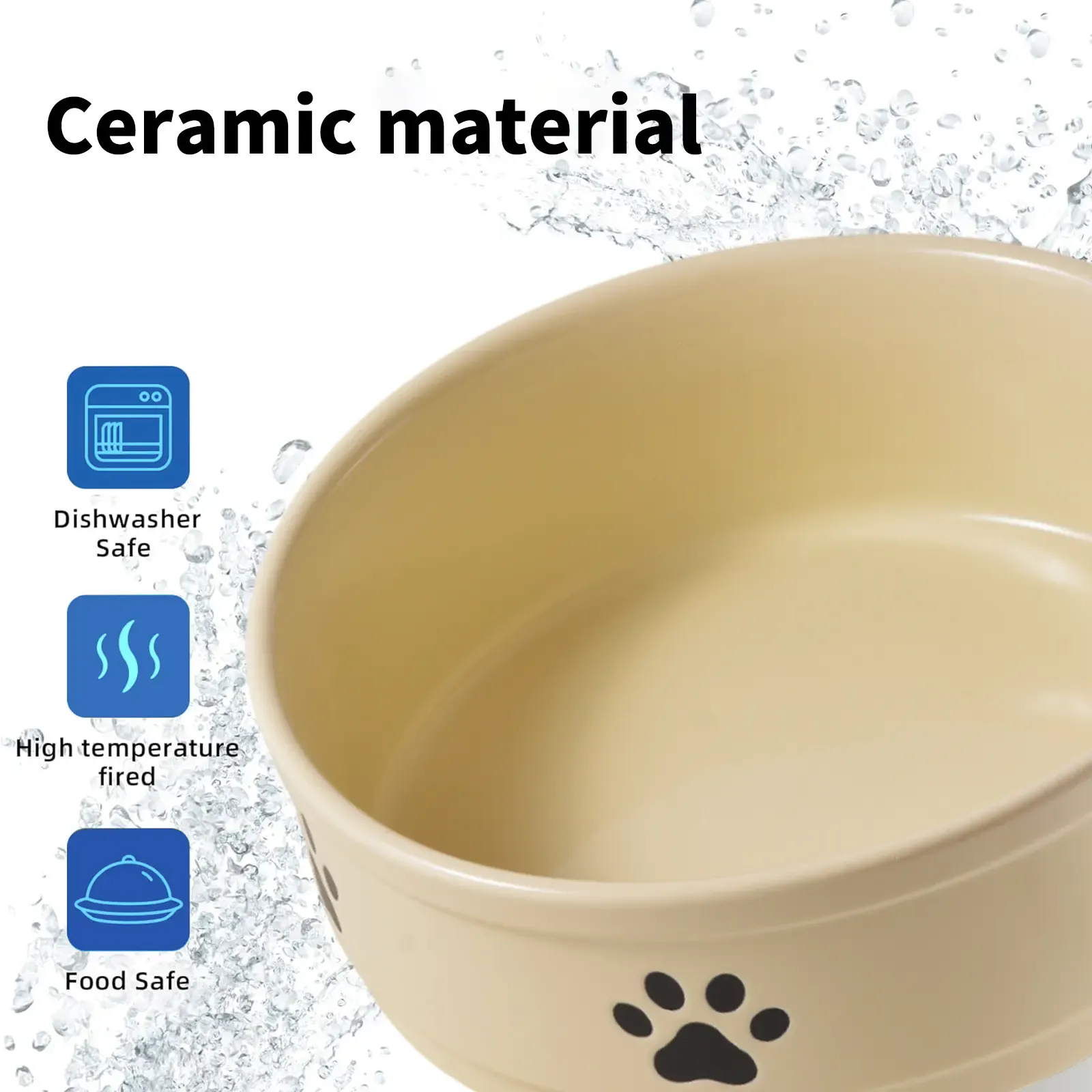
- Microwave and dishwasher clarity: Don’t accept unsupported “safe” labels—require documented test results.
Dimensional Control and Batch Consistency
Why it matters: E-commerce listings, packaging, and fulfillment rely on consistent dimensions and weights.
What to enforce
- Tolerance sheets: Define allowable dimensional and weight tolerances in the PO.
- Golden sample system: Approve a signed golden sample that the factory must hold as the production reference.
- Batch verification: Request sample retention and cross-batch photos to confirm repeatability.
Packaging, Transport Protection, and Traceability
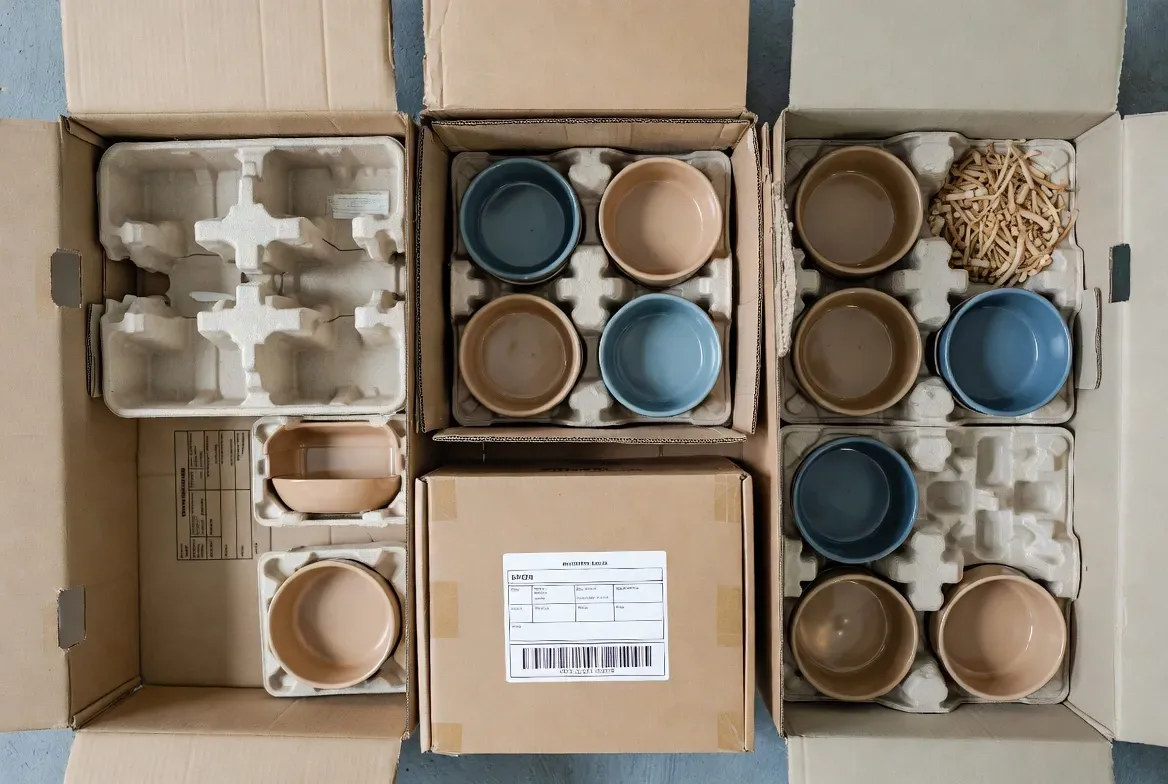
Why it matters: Most ceramic pet bowl breakage occurs in logistics—not production.
Packaging standards to demand
- Inner protection: Pulp trays, foam inserts, or compartmentalized packaging as applicable.
- Carton strength & drop test: Specify double-wall cartons and require packaging drop-test proofs.
- Traceability: Batch codes and carton labeling to support claims handling.
Supplier Quality Systems and Contractual Protections
Why it matters: Robust ceramic pet bowl producing processes reduce surprises.
Supplier controls to verify
- In-line and final inspections: Confirm inspection points and personnel responsible.
- AQL(Acceptance Quality Limit) agreement: Set explicit AQL levels for major, minor, and critical defects.
- Contract terms: Stipulate payment milestones tied to inspection acceptance, replacement policies, and lead-time penalties.
Conclusion
A high-quality ceramic pet bowl combines the right materials, disciplined production, verified safety testing, intelligent design, and protective packaging. For B2B buyers, the goal is repeatable standards across production runs—not a one-off beautiful sample. Use the checks above as a procurement checklist: require documentation, insist on tests, and codify expectations in your contract. Investing effort up front prevents returns, preserves brand reputation, and protects margin in the long run.
About Kedali
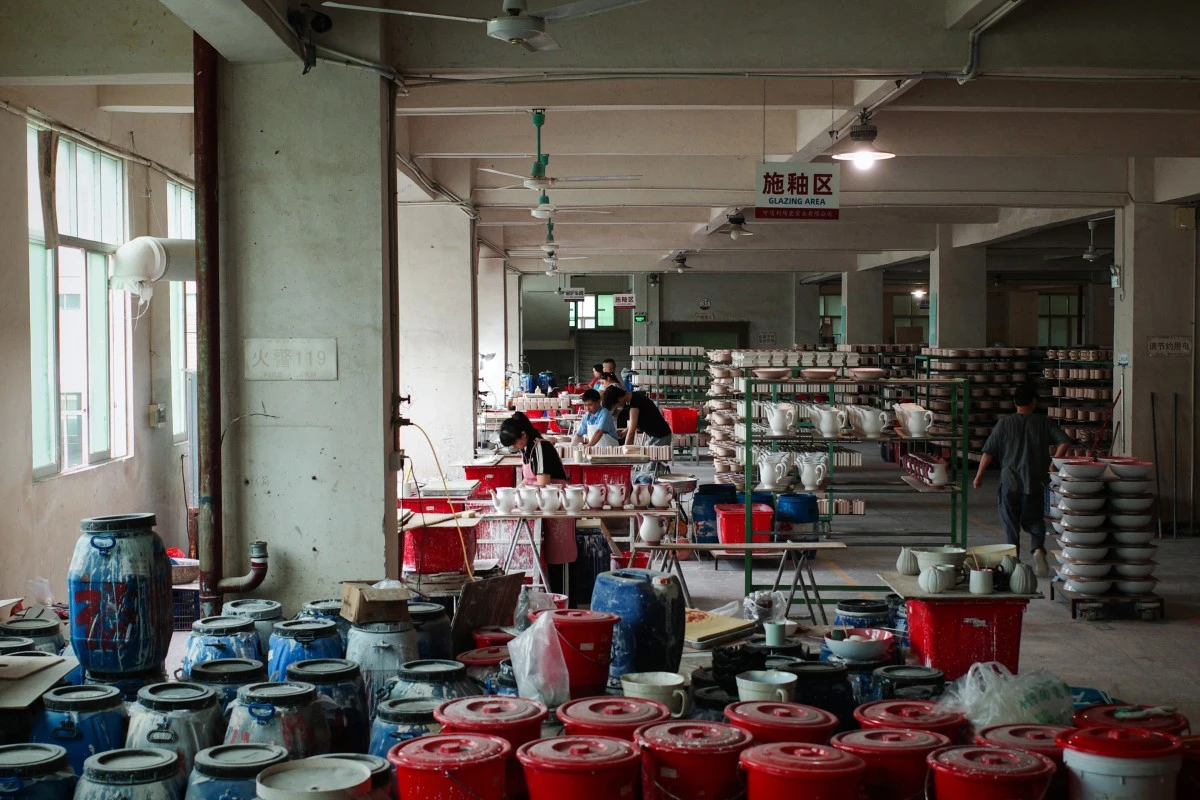
Kedali is a leading daily-use manufacturer, specializing in offering wholesale ceramic pet bowls for global brands, e-commerce sellers, and distributors. We develop custom ceramic pet bowl solutions to match different markets and branding needs.
As a trusted factory partner, our production operates under strict international safety standards, and all porcelain tableware is verified through recognized third-party testing to ensure stable quality and compliance.