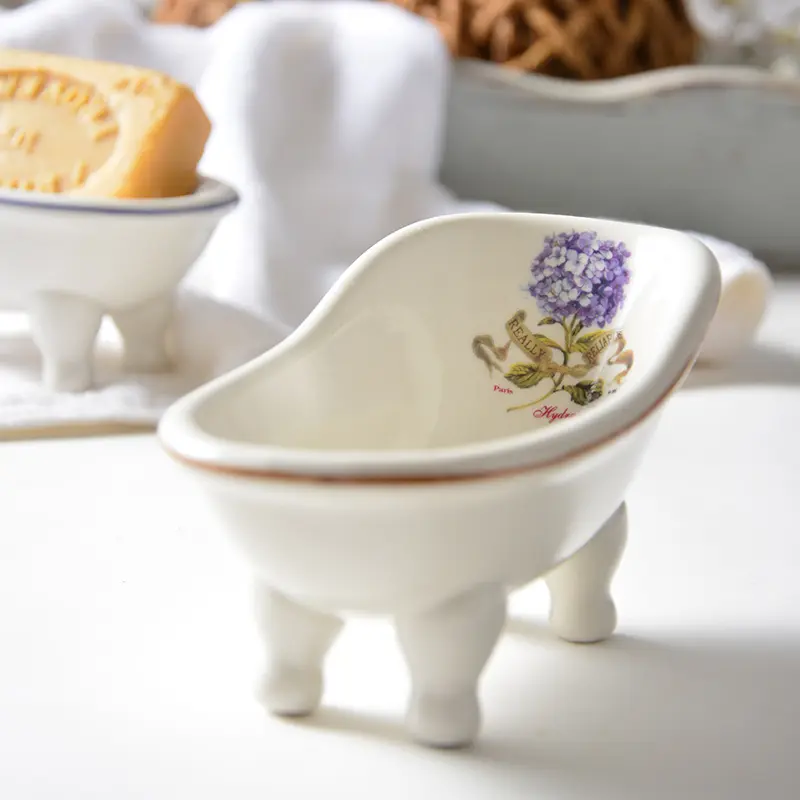
For hotels, property developers, retailers, and e-commerce brands, choosing the right bathroom accessories affects guest experience, maintenance cost, and the long-term value of a program. Ceramic bathroom accessories are a common specification because they combine hygiene, visual quality, and durability when made and glazed correctly.
Kedali, a ceramic bathroom accessories manufacturer, lists the core ceramic items you should consider, explains selection criteria for commercial use, and gives practical recommendations by use case so procurement teams can make defensible choices.
Core Ceramic Bathroom Accessories and Their Commercial Roles
Below are the standard ceramic items that most commercial bathrooms will require, together with procurement considerations for each.
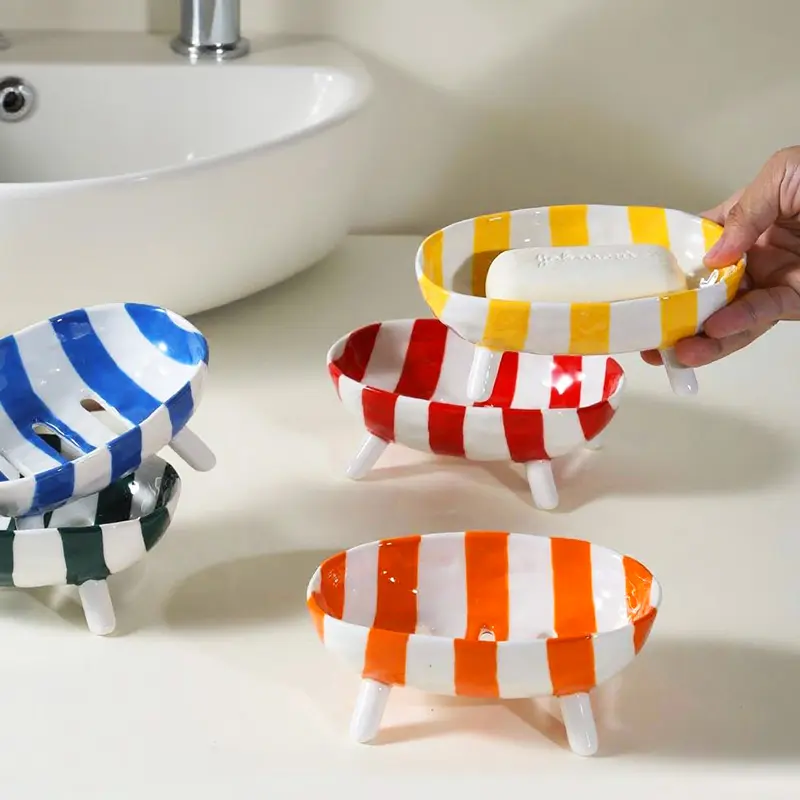
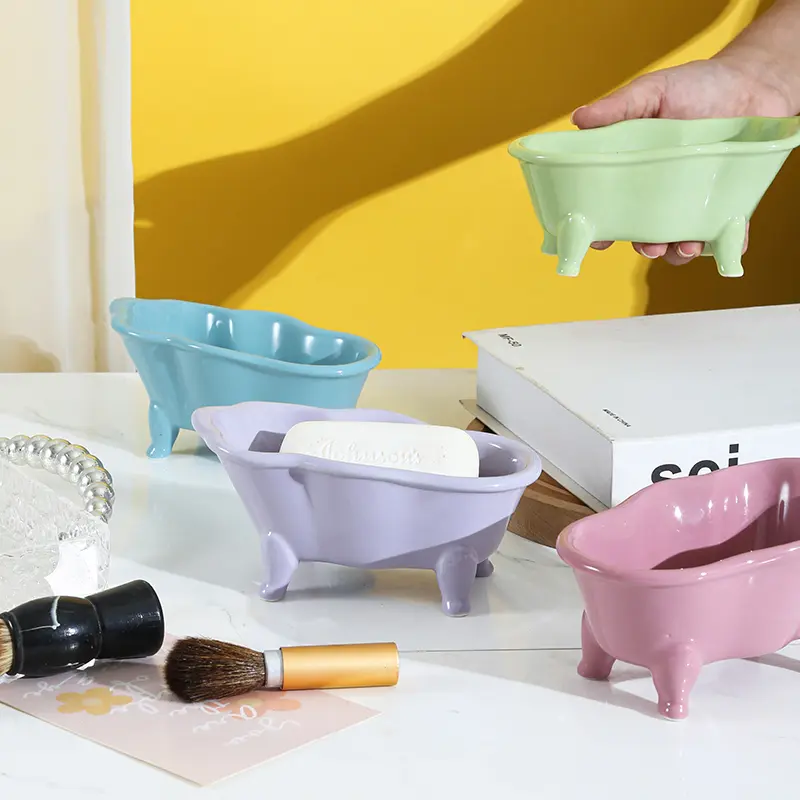
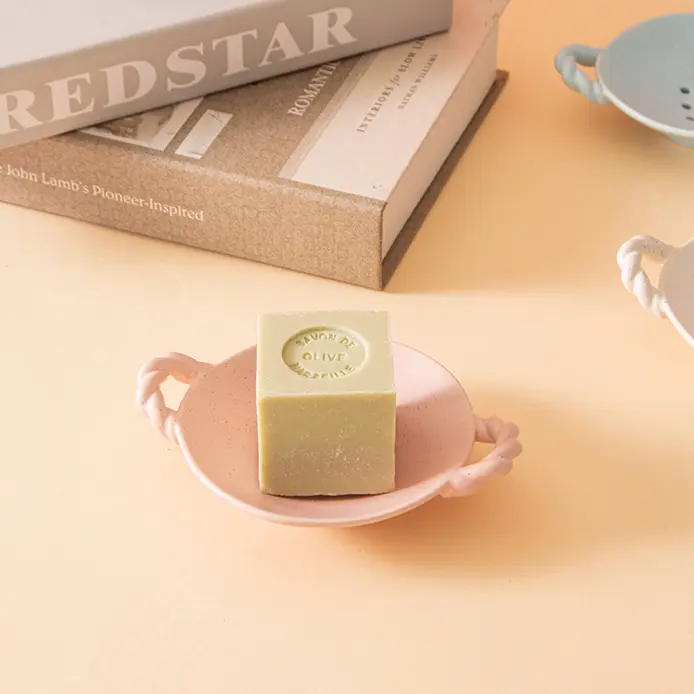
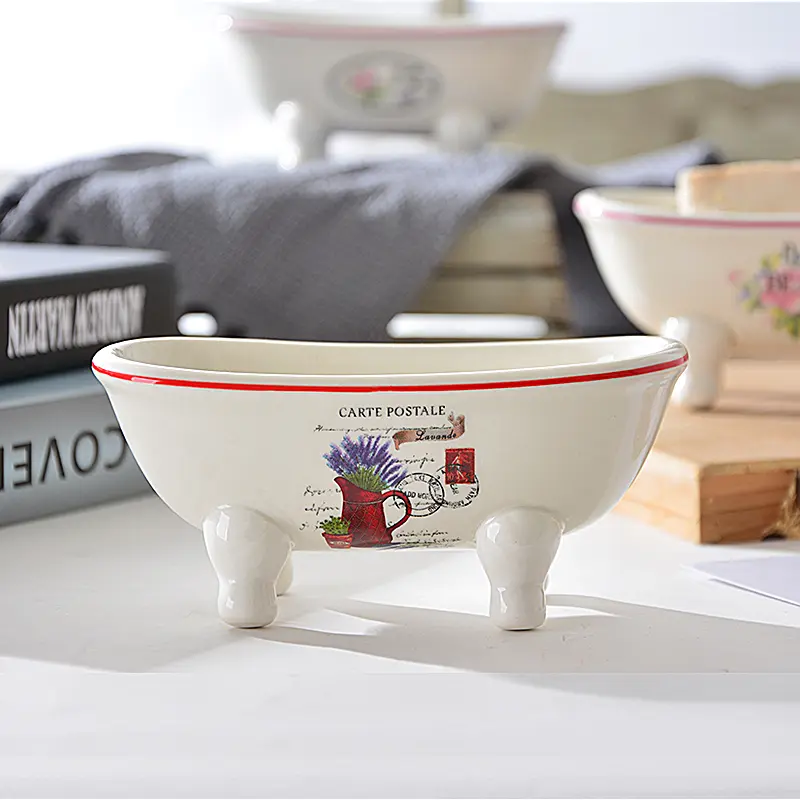
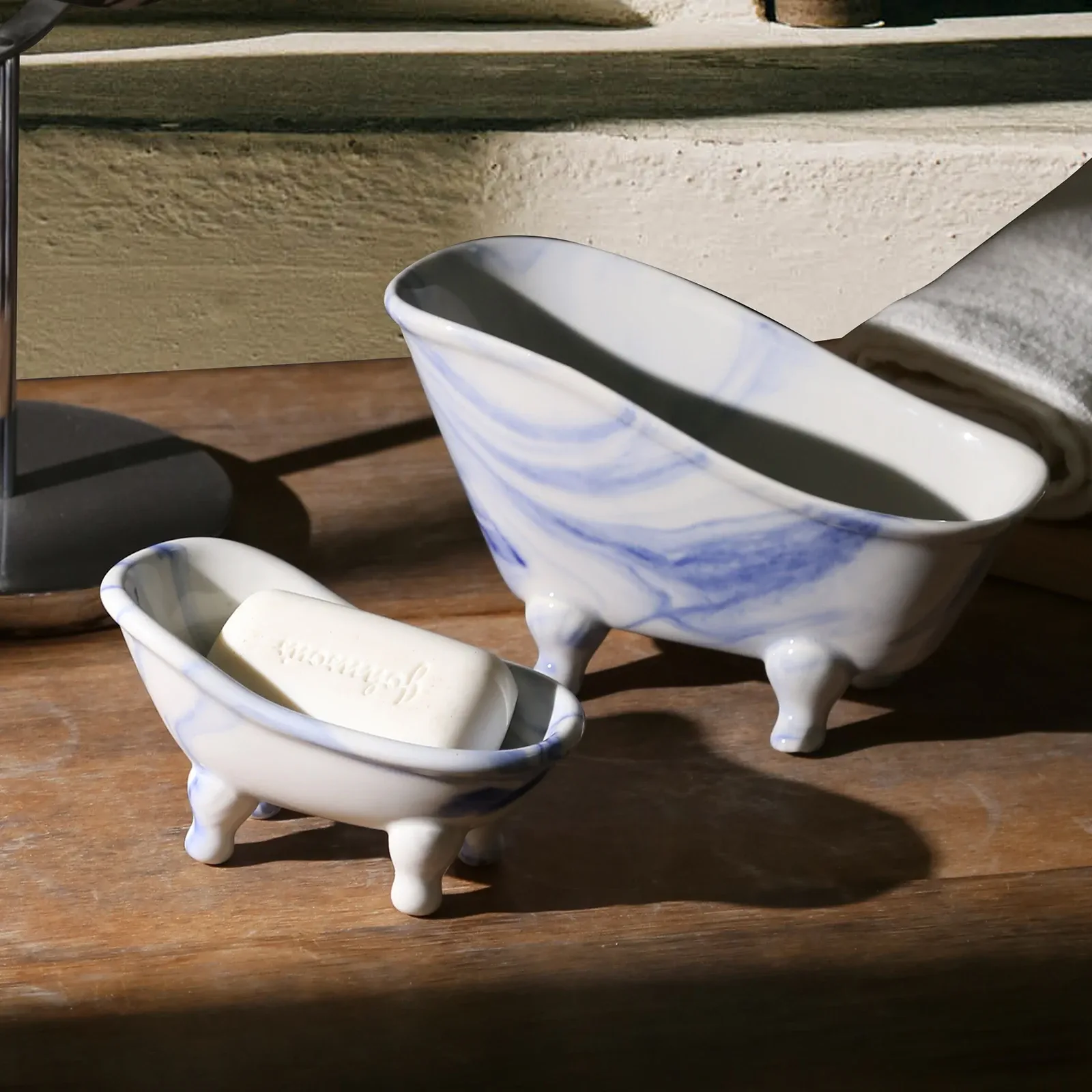
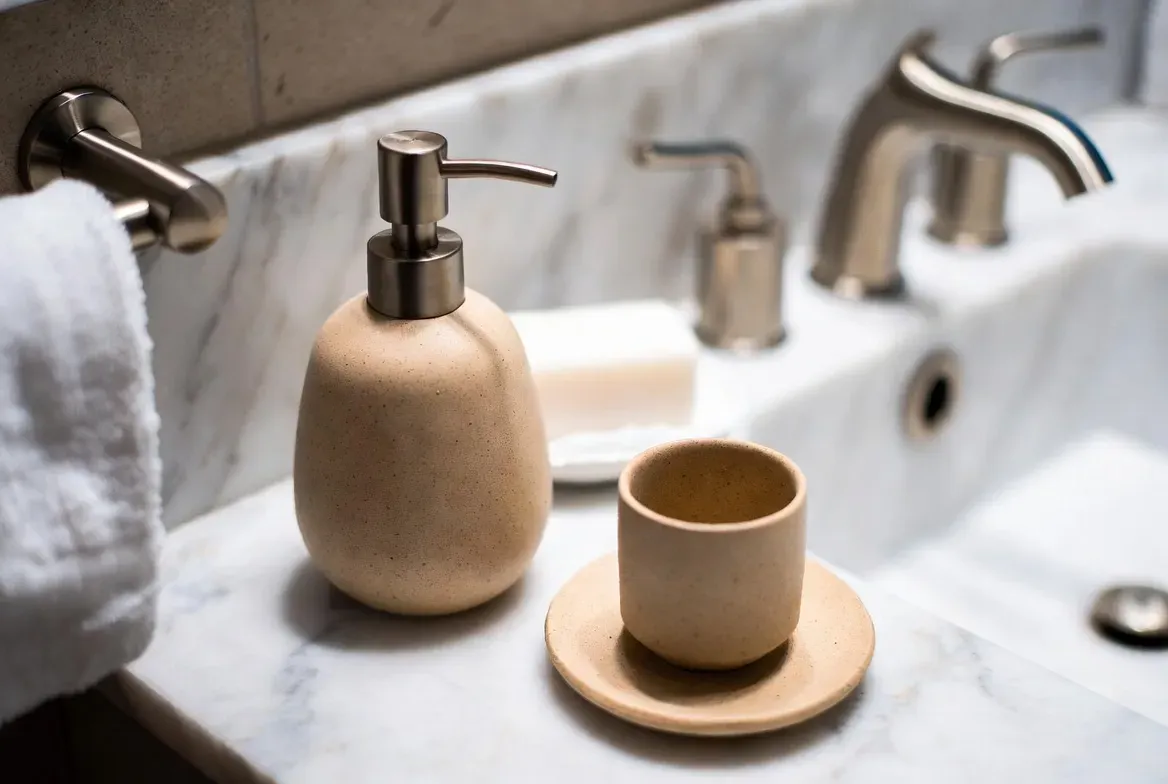
1. Soap dishes & liquid soap dispensers
- Role: daily-use items that sit on vanities or beside sinks.
- Procurement note: choose glazed surfaces with good drainage design for soap dishes; for dispensers, verify pump longevity (stainless or plastic internals) and that the ceramic body tolerates frequent handling.
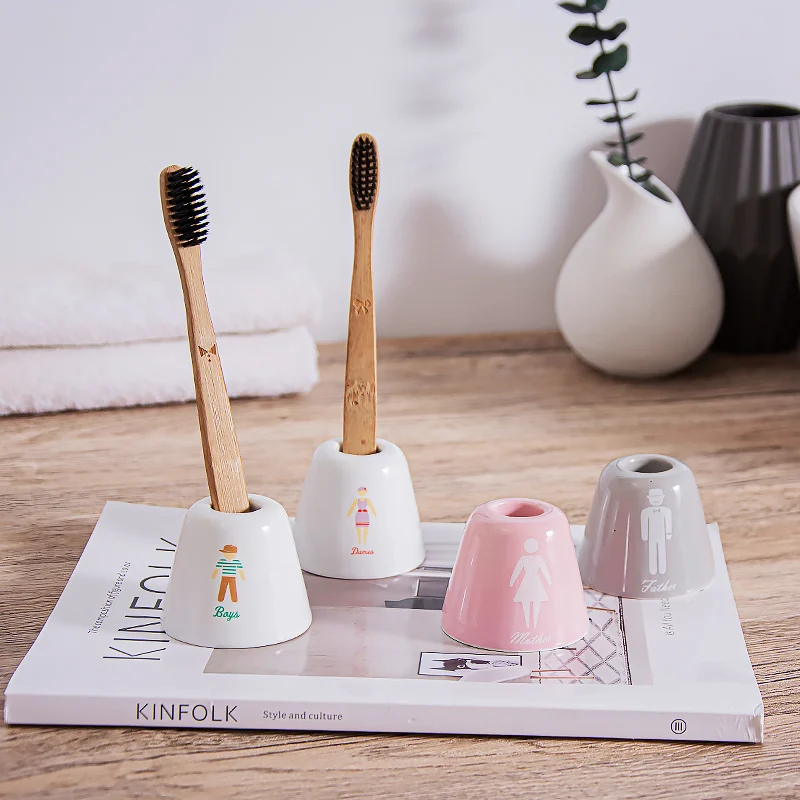
2. Toothbrush holders & rinsing cups
- Role: organize and separate personal items; reduce pooling water.
- Procurement note: inspect internal geometry (holes/drainage) and rim finish to avoid sharp edges that chip during cleaning.
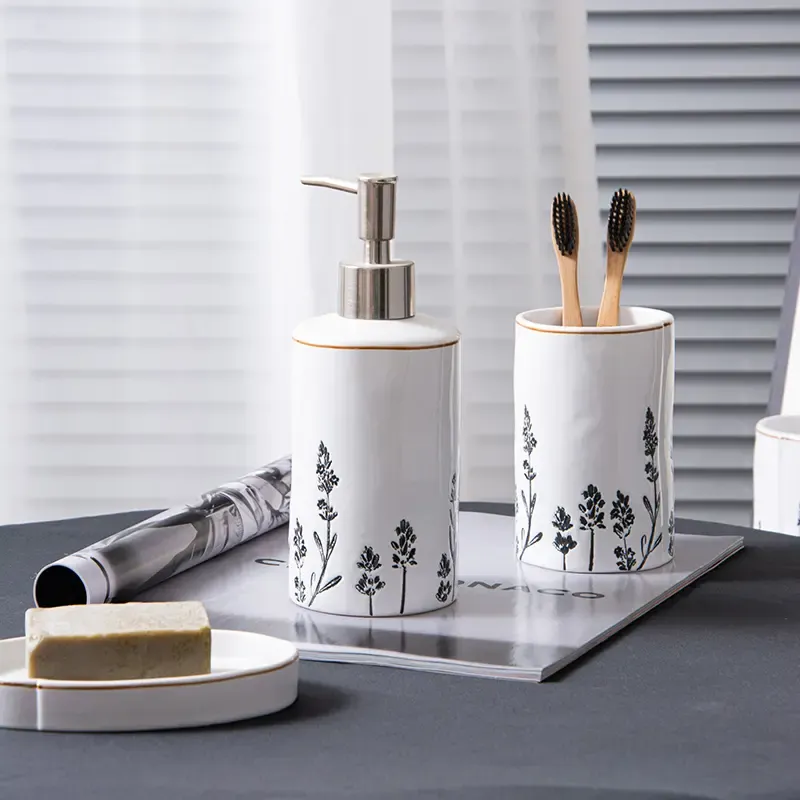
3. Soap & lotion dispenser sets (matched sets)
- Role: deliver cohesive design language across a room or property.
- Procurement note: order dispensers as sets to reduce mismatch risk; require pump/sample approvals and lifecycle testing.
4. Decorative pieces (plant pots, tissue holders, sculptural items)
- Role: elevate aesthetics in boutique or premium rooms.
- Procurement note: decorative items are design differentiators—validate finish and fragility against expected handling patterns.

Four Procurement Criteria to Evaluate Materials and SKUs
Use these lenses to assess ceramic options for commercial programs.
Durability & functional design
- Confirm wall thickness tolerances, handle bonding methods, and rim uniformity. Heavy bases and non-slip pads reduce tipping. For high-use areas, prefer designs with reinforced rims and simpler geometries that survive frequent handling.
Hygiene & maintenance
- Require low-porosity glazes measured by water absorption or DIN/ISO standards. Ask suppliers for third-party glaze migration reports (lead/cadmium) and dishwasher-cycle data relevant to commercial washers.
Aesthetic & brand alignment
- Ceramic supports many finishes—gloss, matte, and reactive glazes. For branded programs, enforce master color samples (Pantone or photographic standard) and retention of golden samples at the factory to prevent batch drift.
Logistics & lifecycle cost
- Ceramic is heavier and more fragile. Include packaging specs and ISTA/drop-test evidence in the PO; model landed cost including packaging, breakage rate, and replacement frequency to compare against metal or resin alternatives.
Supplier and Factory Checklist
When evaluating suppliers for ceramic bathroom accessories, require evidence, not claims:
- Material spec: clay body type, firing temperature, and water absorption figures.
- Safety tests: third-party glaze migration reports and finish durability tests.
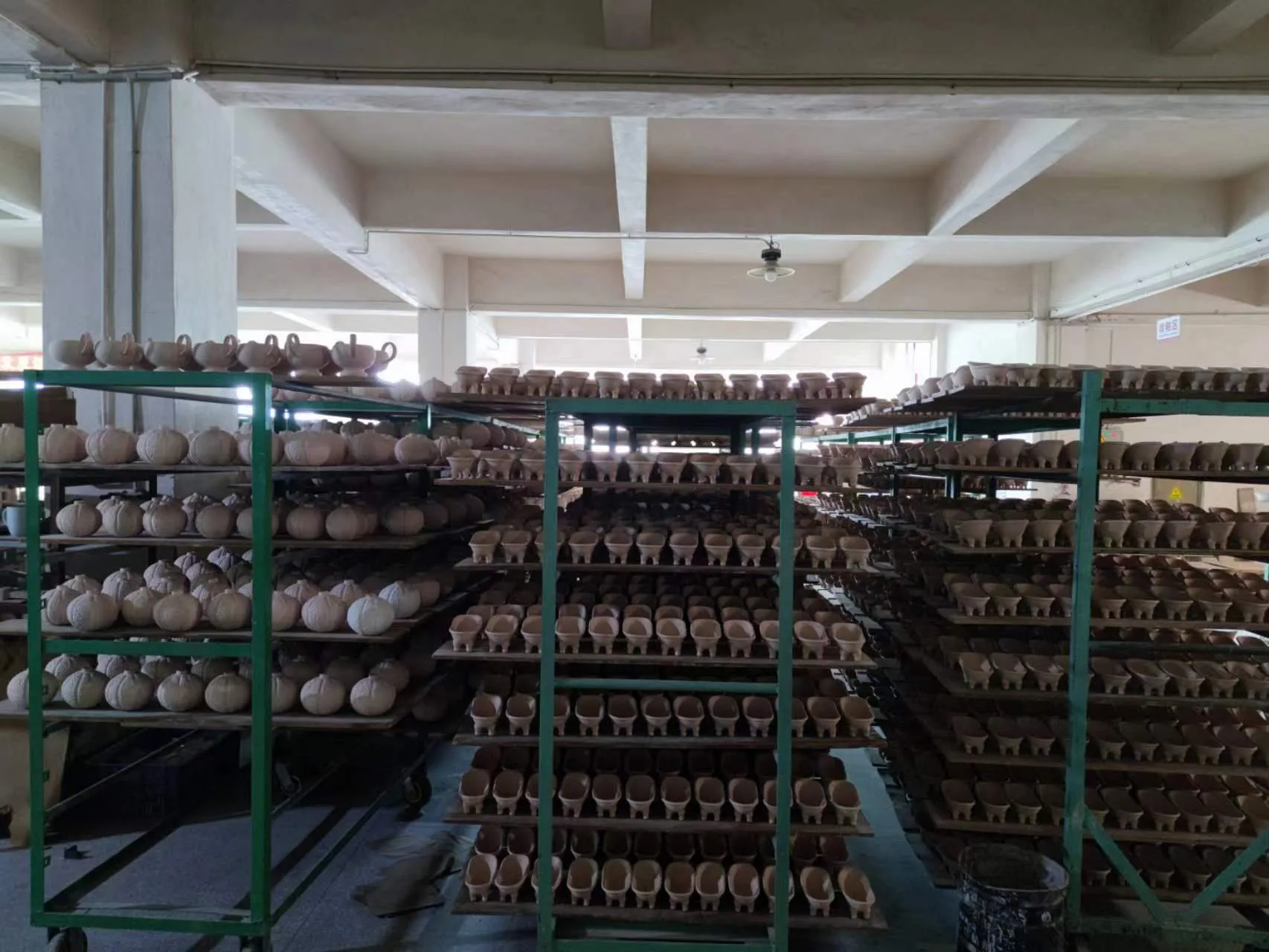
- Production controls: kiln logs, color master samples, AQL standards, and retained golden samples.
- Packaging proofs: protective insert design, carton strength, drop-test, or transit damage data.
- Warranty and replacement terms for visible defects and breakage.
Document these requirements and attach them to the purchase order; enforcing them contractually reduces post-delivery disputes.
Recommendations For Ceramic Bathroom Accessories By Use Scenarios
Hotels & resorts (guest-facing): prioritize ceramic for visible, guest-touch accessories (soap dishes, dispensers, vanity trays) to support brand perception. Use stainless or plated metals for heavy fixtures (towel rails, grab bars). Insist on glaze testing and signed golden samples.
Spas & wellness centers: favor natural or matte reactive glazes for calming aesthetics, but test for stain resistance and cleaning compatibility with spa chemicals.
Retail & private-label brands: ceramic enables premium photography and unboxing. Demand strict batch color controls and packaging optimized for direct shipment to consumers.
High-traffic institutional projects: minimize fragile SKUs. Use ceramic selectively for decorative areas, and specify stainless or reinforced resin for frequently handled items.
E-commerce sellers: ceramic sells well visually but increases logistics risk—invest in engineered packaging and require drop-test certificates to protect margins.
Practical Procurement Checklist
- Define the primary environment (guest-facing vs utility).
- Approve the golden sample with annotated tolerances.
- Require glaze migration reports and water absorption data.
- Specify AQL thresholds for critical/major/minor defects.
- Approve packaging sample and drop-test report.
- Include a replacement clause and agreed lead times.
- Plan for SKU-level spare stock to cover early loss rates.
Conclusion
There is no one-size-fits-all answer to “the best” ceramic accessory, but ceramic bathroom accessories deliver a reliable combination of hygiene, visual quality, and guest appeal when sourced and specified correctly. For B2B buyers, the difference between a successful rollout and costly rework comes down to objective specs, factory capability, validated testing, and enforced contract terms. Use this guide and the attached checklist to convert aesthetic decisions into predictable procurement outcomes.
About Kedali

Kedali is a professional porcelain manufacturer serving hotels, property developers, retailers, and private-label brands with wholesale ceramic bathroom accessories worldwide. With in-house molding, glazing, firing, and packaging operations, Kedali maintains stable production capacity, consistent quality control, and reliable long-term supply for commercial programs. We specialize in ceramic soap dispensers, soap dishes, toothbrush holders, vanity accessories, and decorative bathroom items engineered for durability and hygiene.
Kedali offers full B2B custom porcelain customization, including shape development, glaze and color matching, branding, packaging design, and batch control, helping buyers scale bathroom accessory programs with predictable performance and lifecycle cost control.