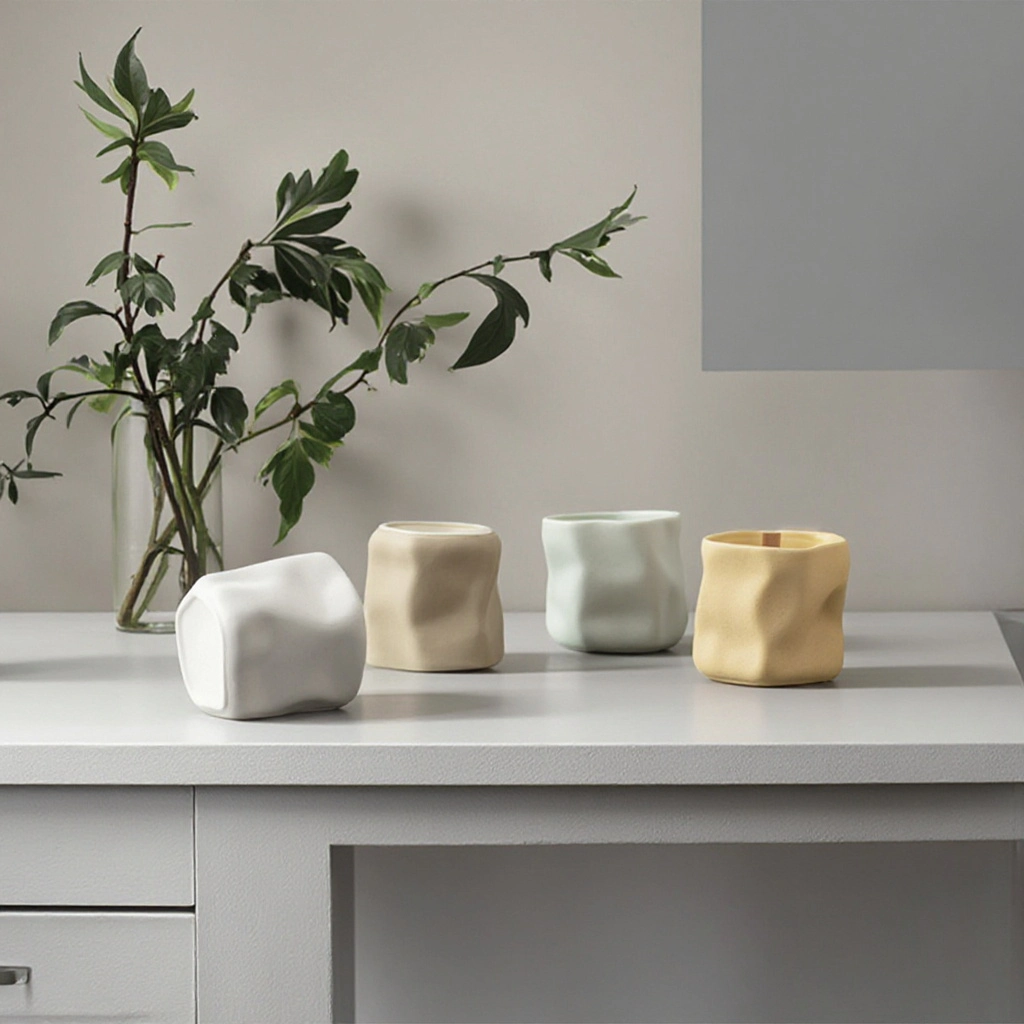
Ceramic pet bowls look simple, but producing consistent and durable products requires strict control throughout the manufacturing process. Defects caused by raw materials, molding, glazing, or firing can affect appearance, safety, and customer satisfaction. For importers, wholesalers, and pet brands, understanding common ceramic pet bowl defects helps reduce quality risks and choose reliable suppliers.
What Are the Most Common Defects Found in Ceramic Pet Bowls?
Common defects in ceramic pet bowls usually occur during production or transportation. The most frequent issues include:
- Cracks and breakage
- Glaze defects
- Uneven shapes and dimensions
- Surface contamination
- Color inconsistency
- Poor finishing
For business buyers, these problems can lead to customer complaints, product returns, and brand reputation damage. Therefore, quality inspection should be an essential part of supplier evaluation.
Why Do Cracks and Breakage Happen in Ceramic Pet Bowls?
Cracks are one of the most serious defects because they directly affect product durability and safety.
Common causes include:
- Poor clay preparation
- Uneven drying before firing
- Incorrect firing temperature
- Internal stress during cooling
During ceramic production, moisture must be removed gradually, and firing conditions must be carefully controlled. If the process is unstable, small cracks may appear during production or later during transportation.
For buyers ordering wholesale ceramic pet bowls, checking sample strength and reviewing supplier quality control procedures can help prevent these issues.
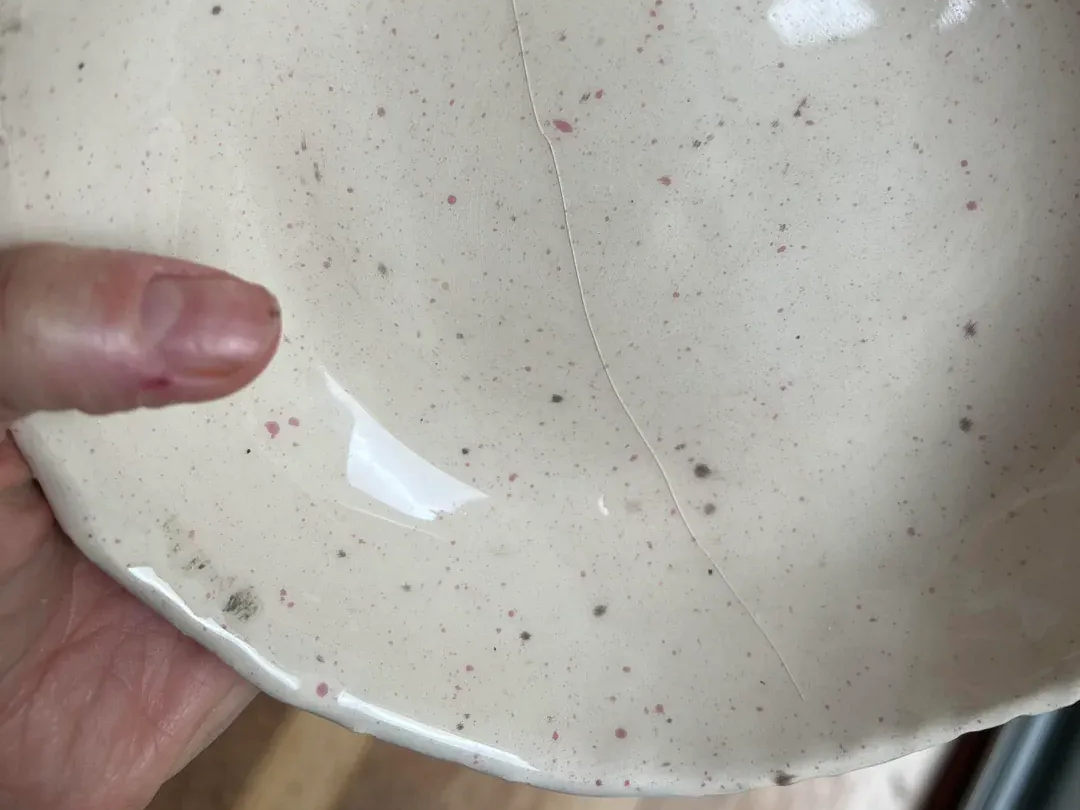
How Do Glaze Defects Affect Ceramic Pet Bowl Quality?
Glazing gives ceramic pet bowls their color, smooth surface, and protective layer. However, poor glazing control can create several appearance problems.
Common glaze defects include:
- Pinholes
- Uneven glaze coverage
- Crawling
- Surface cracks
- Color differences
These defects reduce product value and may make cleaning more difficult. Since pet bowls are used daily, a smooth and consistent surface is important for both the hygiene of humans and pets and user experience.
What Shape and Size Defects Should Buyers Check?
Ceramic pet bowls require accurate dimensions to ensure proper function and attractive presentation.
Common shape-related problems include:
- Uneven bowl walls
- Tilted bases
- Incorrect sizes
- Poor stacking compatibility
For wholesalers and retailers, inconsistent dimensions can create packaging problems and increase warehouse management difficulty.
Before placing bulk orders, buyers should compare product samples with production specifications and confirm whether the supplier has proper measurement controls.
How Are Ceramic Pet Bowl Defects Prevented During Manufacturing?
Preventing defects requires quality control throughout the entire production process.
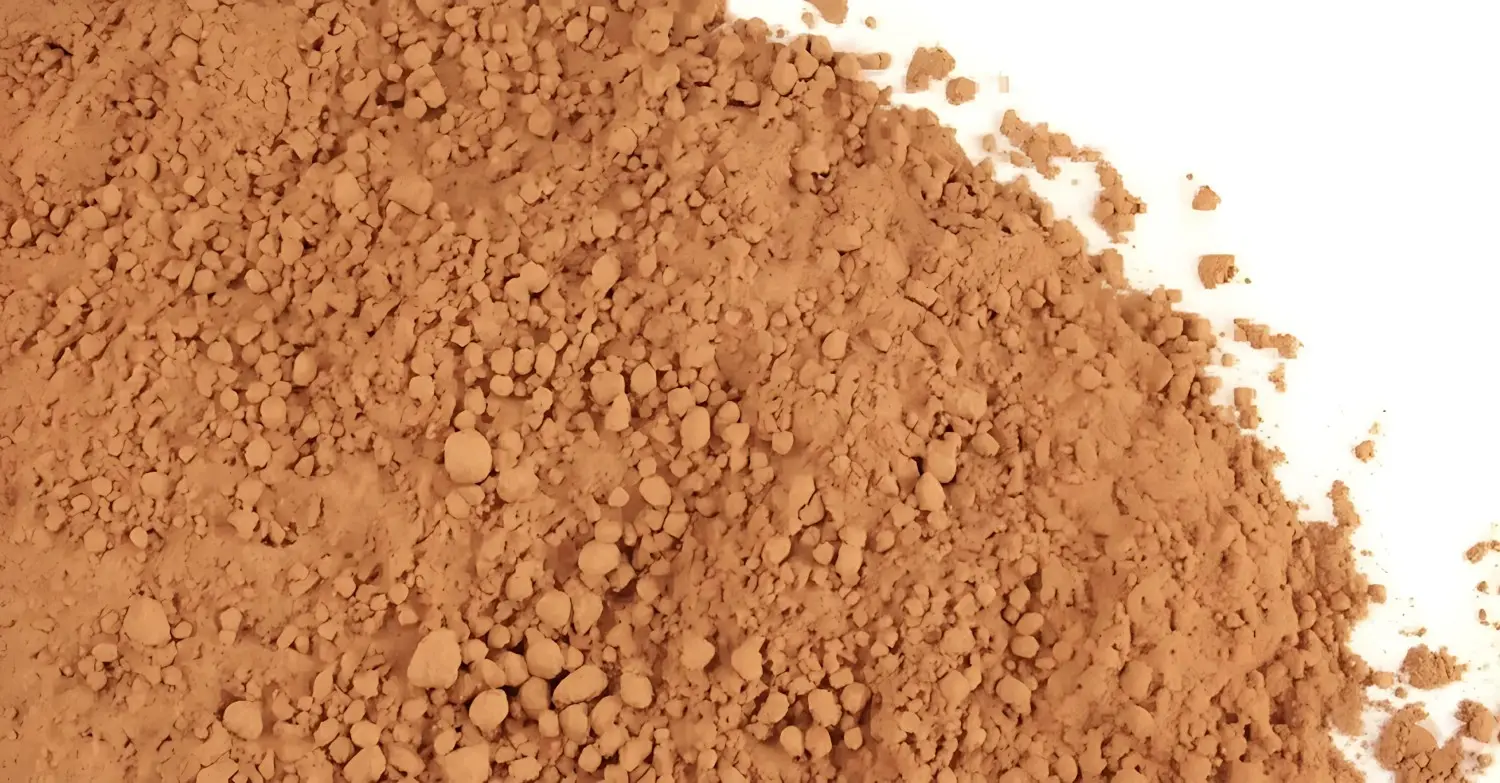
Raw Material Control Improves Ceramic Bowl Quality
Ceramic quality starts with raw materials. Manufacturers need to control:
- Clay composition
- Material ratio
- Moisture level
- Supplier consistency
Stable materials help maintain product strength, surface quality, and firing performance.
How Do Molding and Drying Processes Prevent Deformation?
The molding and drying stages directly affect the final shape of ceramic pet bowls.
Manufacturers should control:
- Mold accuracy
- Product thickness
- Drying speed
- Environmental conditions
Poor drying can cause:
- Warping
- Uneven thickness
- Hidden cracks
Proper process management helps ensure every bowl maintains consistent dimensions and structure.
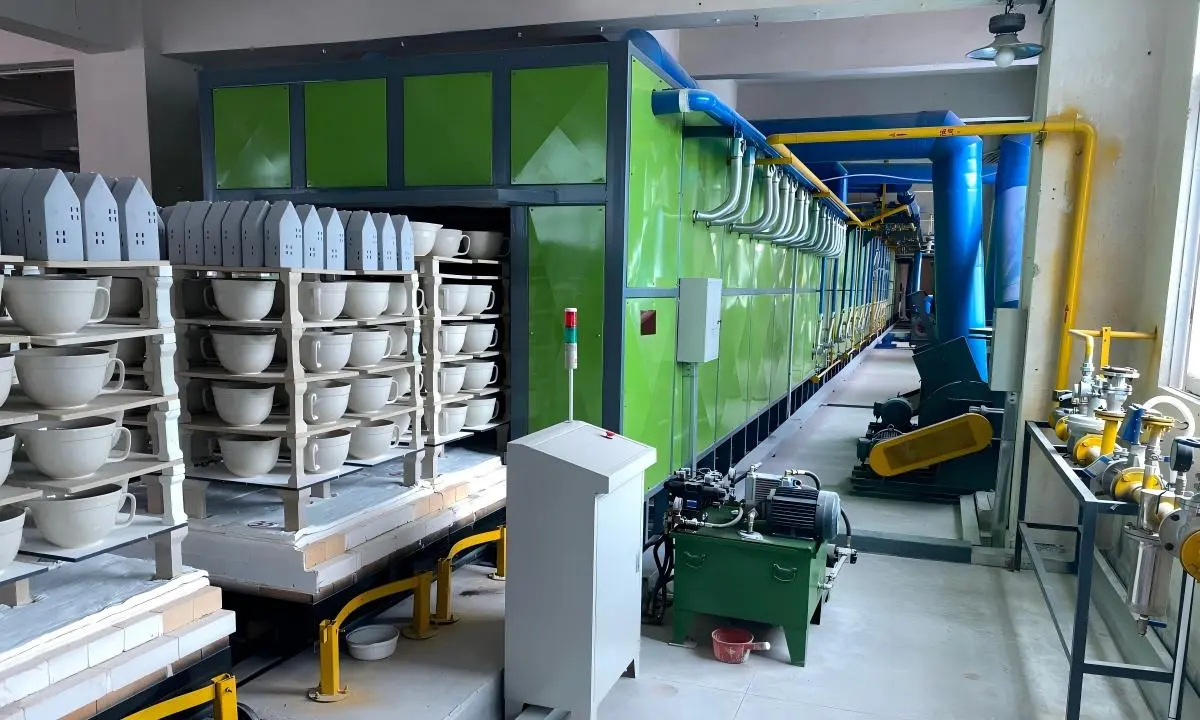
How Does Firing Control Reduce Ceramic Defects?
Firing is one of the most important stages in ceramic production.
Manufacturers need to monitor:
- Kiln temperature
- Firing time
- Cooling process
Incorrect firing conditions may result in:
- Weak ceramic bodies
- Cracks
- Glaze failures
- Color variation
Experienced manufacturers use controlled firing processes to improve product stability and reduce defect rates.
How Can Buyers Identify Defective Ceramic Pet Bowls Before Ordering?
Quality checks are important for both business buyers and consumers.
What Should Importers Check Before Placing Bulk Orders?
Before selecting a supplier, importers should:
- Request production samples
- Check surface quality
- Measure product dimensions
- Test stability
- Review inspection procedures
Buyers should not evaluate suppliers only by price. Manufacturing experience, quality systems, and production consistency are equally important.
How Can Consumers Identify Poor-Quality Ceramic Pet Bowls?
End users can check:
- Visible cracks or chips
- Rough edges
- Uneven bottoms
- Peeling glaze
- Unusual surface defects
A high-quality ceramic pet bowl should have a smooth surface, stable structure, and consistent finishing.
Conclusion
Ceramic pet bowl defects usually come from problems during material preparation, molding, glazing, firing, or inspection. For business buyers, choosing a reliable supplier is the most effective way to reduce quality risks.
By working with an experienced ceramic pet bowl manufacturer like Kedali, brands and distributors can access stable production, customization support, and quality control systems that help deliver safer and more reliable pet products.
About Kedali
Kedali is a professional ceramic pet bowl manufacturer dedicated to providing reliable solutions for global pet brands, wholesalers, and distributors.
With a customer-focused approach, Kedali offers OEM/ODM customization services, including shapes, sizes, glaze colors, patterns, logos, and packaging. All ceramic pet bowls are produced under strict quality control processes, covering raw materials, production, glazing, firing, and final inspection, with compliance with relevant certifications to ensure product safety and consistency.
Kedali supports B2B partners with stable bulk production and customized ceramic pet bowl solutions.