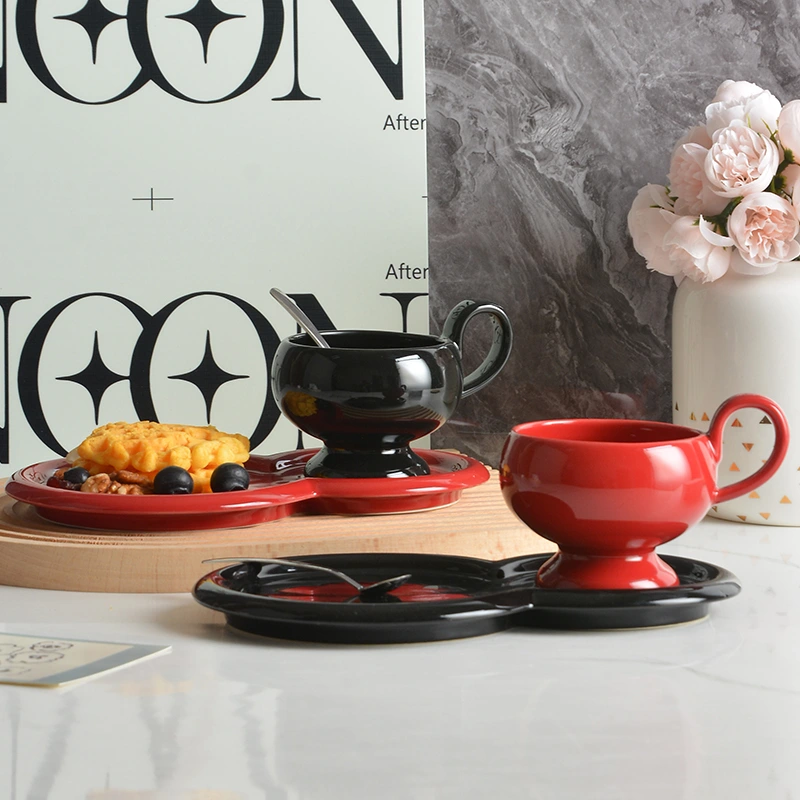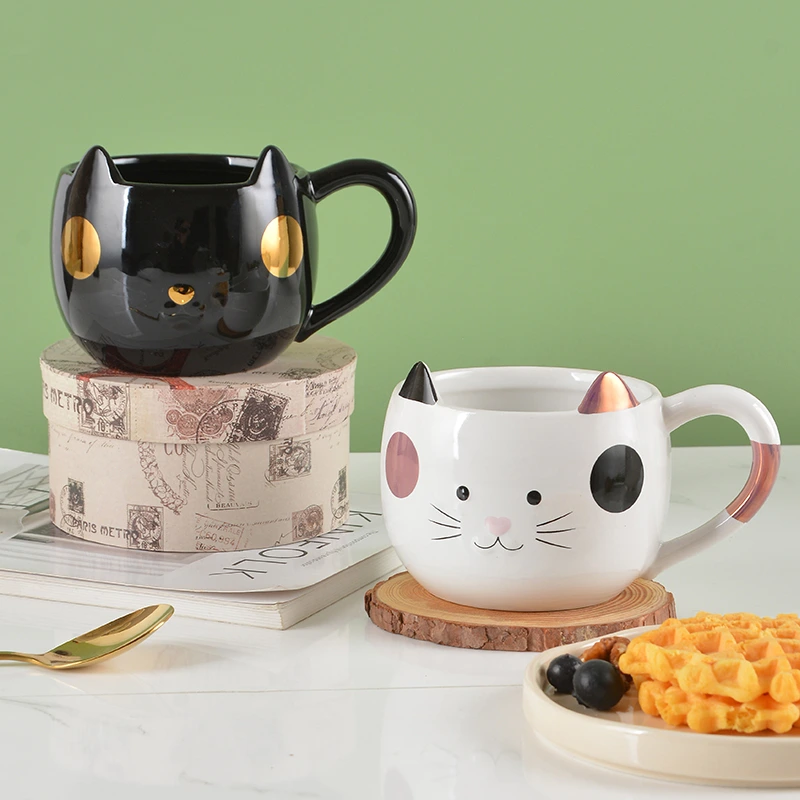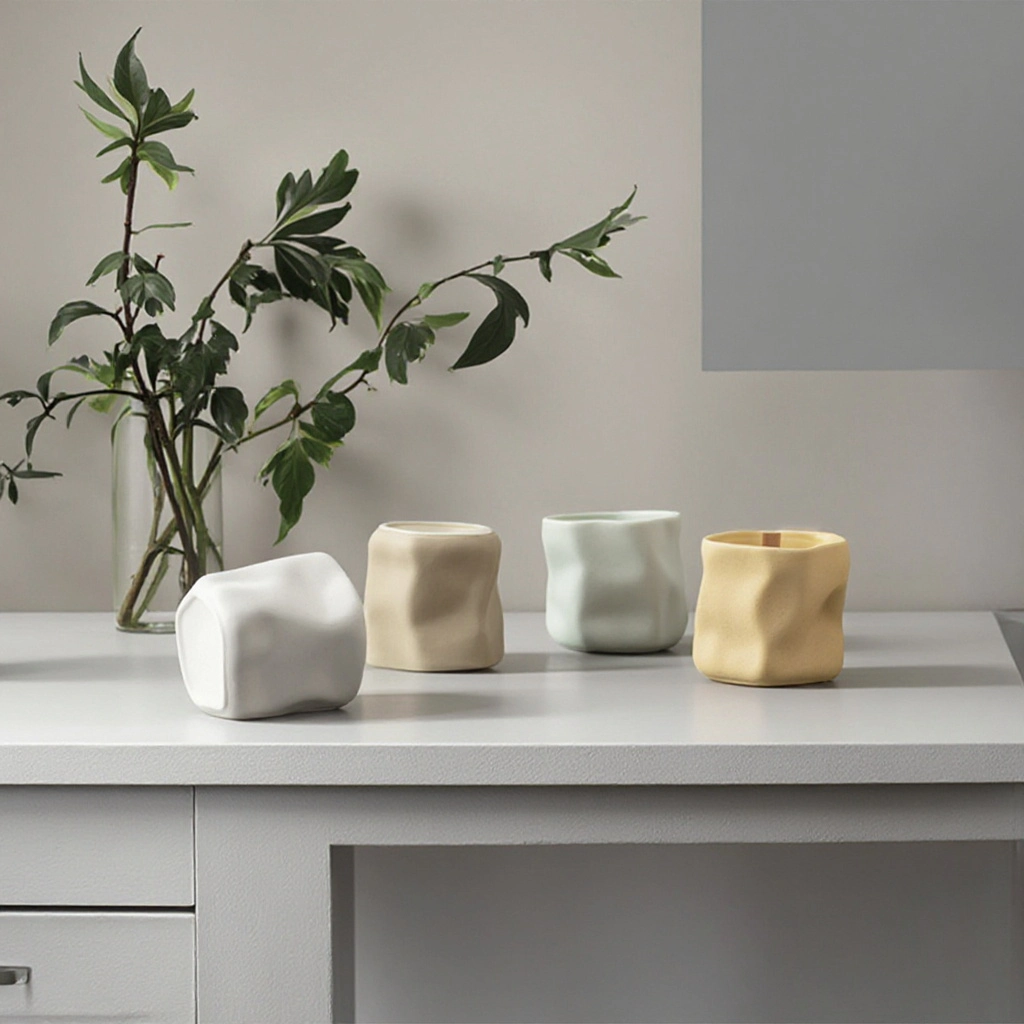
Launching the right ceramic kitchenware products can significantly improve sales performance and reduce inventory risks. Rather than introducing every product category at once, successful brands focus on products that match their sales channels and customer demand. This guide explains which ceramic kitchenware categories deserve priority and how buyers can build a profitable product portfolio.
What Products Are Included in Kedali’s Wholesale Ceramic Kitchenware?
Ceramic kitchenware refers to products used for food preparation, baking, storage, and kitchen organization. The main categories include ceramic bakeware & ovenware, ceramic canisters & food storage, ceramic butter dishes, and ceramic kitchen accessories.
Why Is Ceramic Bakeware the Best Starting Category for Premium Brands?
Why Is Ceramic Bakeware Growing So Quickly?
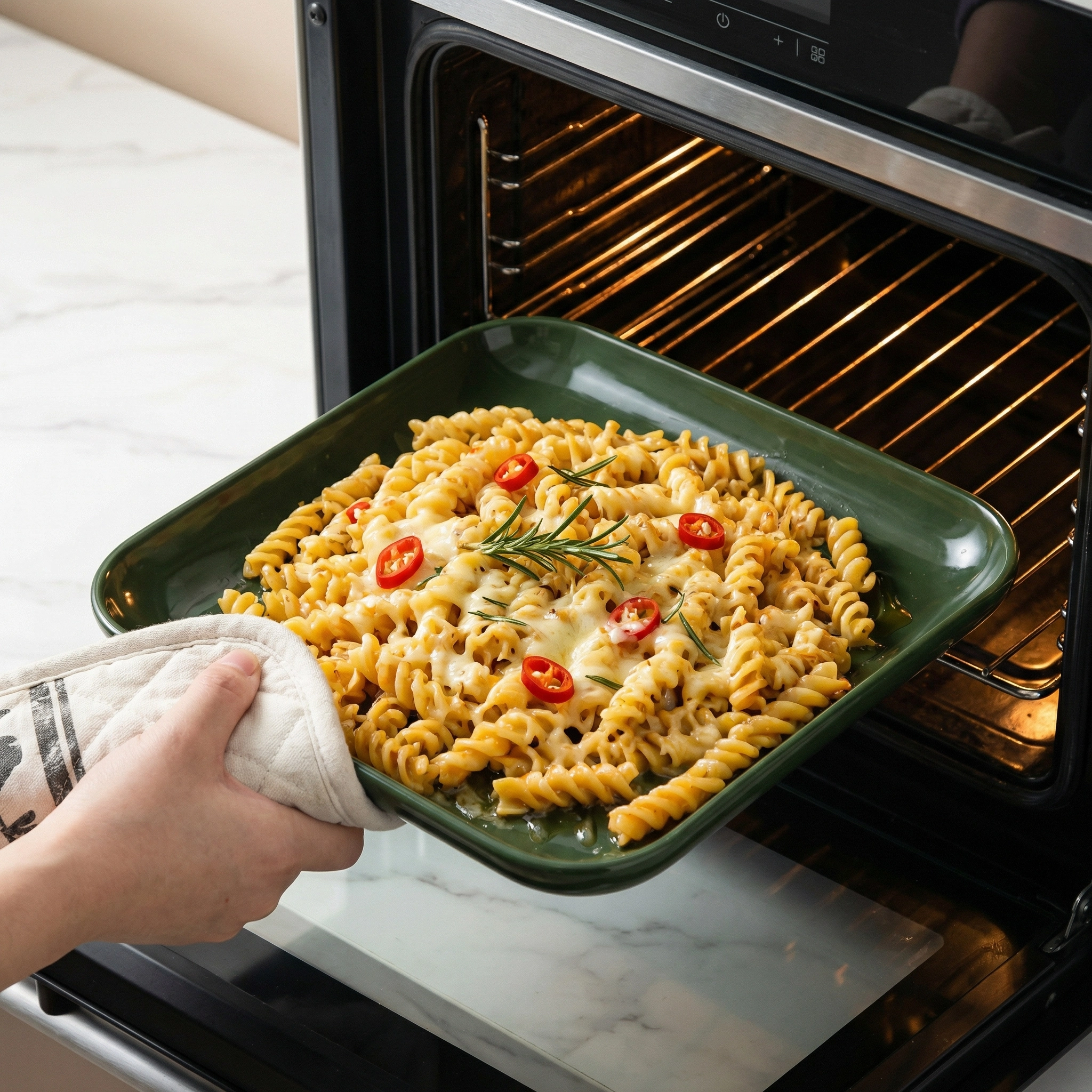
Among all ceramic kitchenware categories, ceramic bakeware has become one of the fastest-growing segments. As home baking continues to gain popularity worldwide, consumers are looking for products that combine cooking performance with attractive presentation.
Unlike metal bakeware, ceramic products can move directly from the oven to the dining table, creating a premium dining experience while reducing the need for additional serving dishes.
For brands, bakeware also offers excellent opportunities for product differentiation through unique colors, glazes, shapes, and seasonal collections.
What are the Recommended Ceramic Bakeware Products
A well-rounded bakeware collection typically includes:
- Baking dishes
- Casserole dishes
- Pie dishes
- Ramekins
- Oven-safe serving dishes
These products are suitable for individual sales or bundled collections, allowing brands to increase average order value.
Best Buyers
Ceramic bakeware is particularly suitable for:
- Premium homeware retailers
- Lifestyle brands
- Amazon and e-commerce sellers
- Kitchen specialty stores
- Private label brands
Because these products have strong visual appeal, they perform well both online and in physical retail environments.
Why Should Brands Invest in Ceramic Food Storage Products?
Why Are Ceramic Food Storage Products Always in Demand?
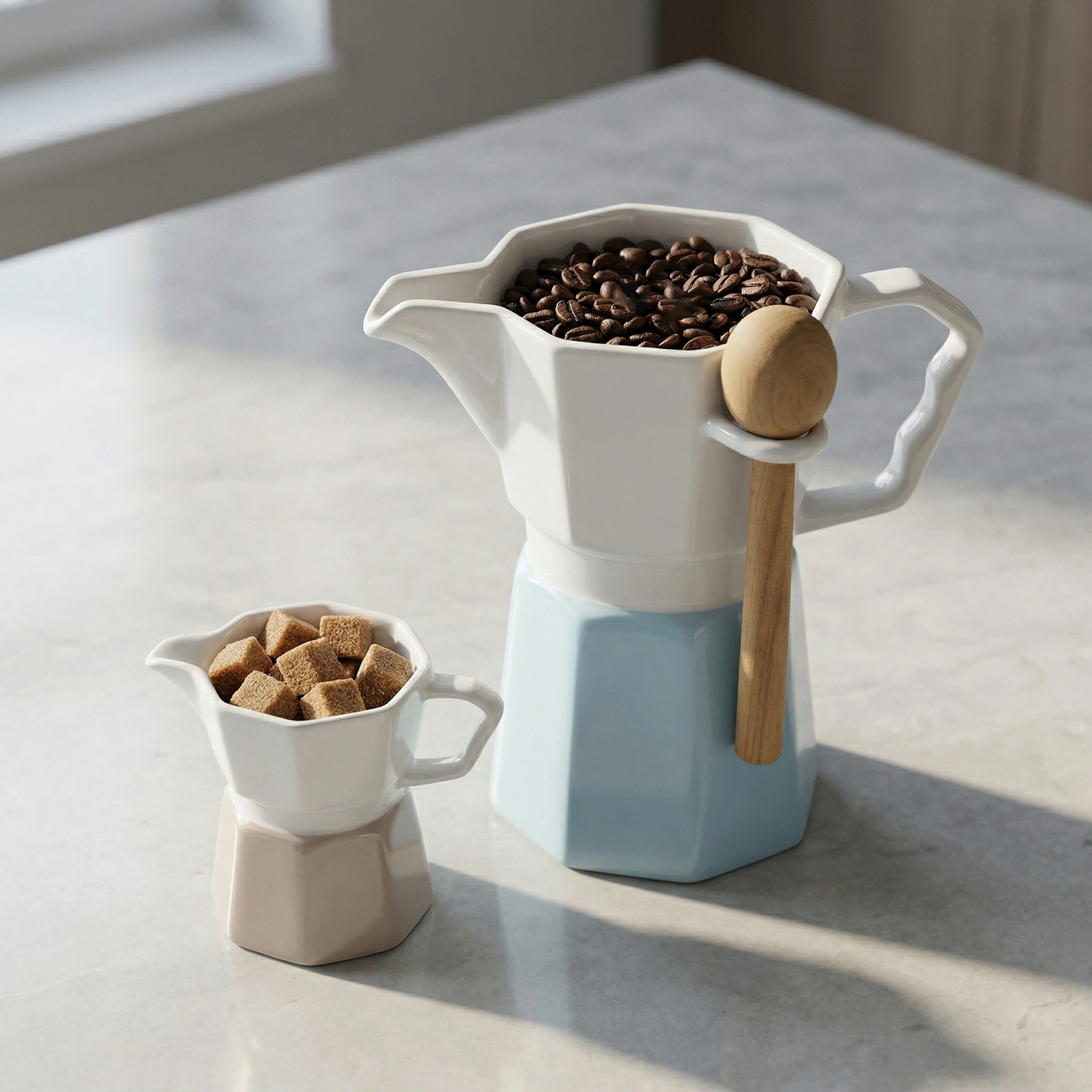
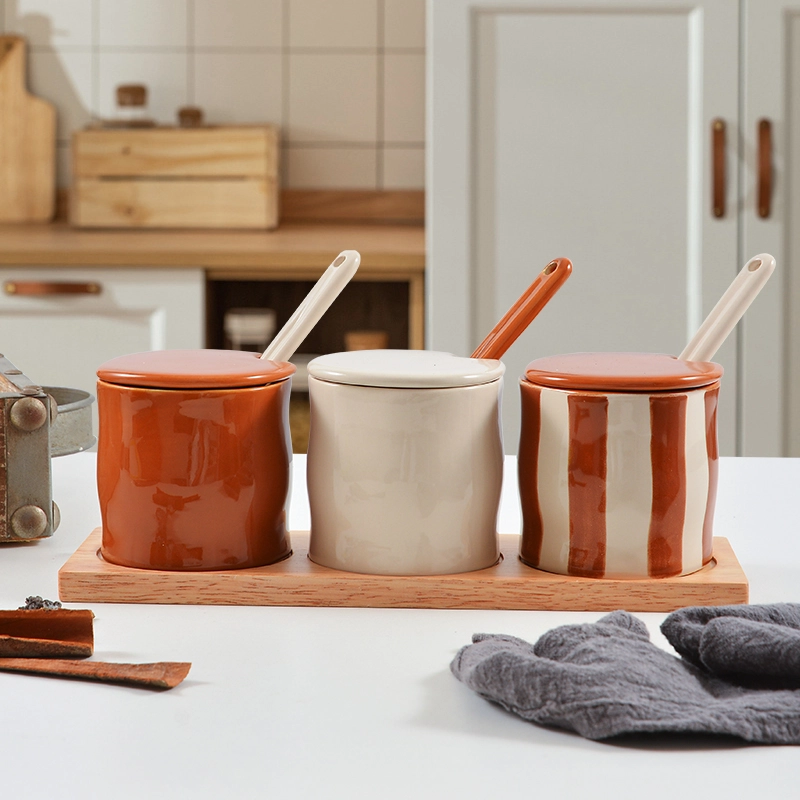
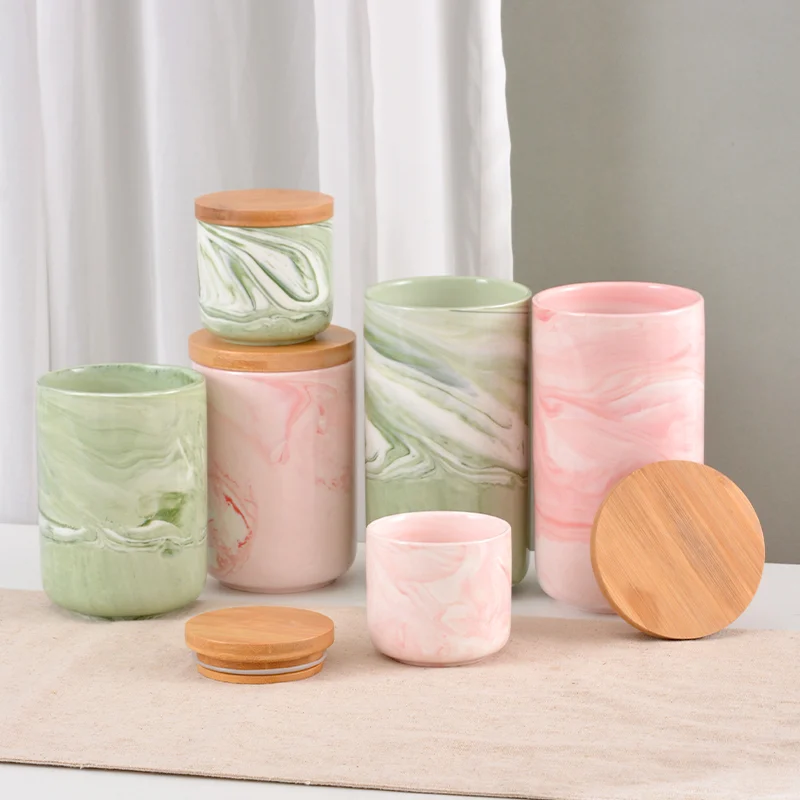
Kitchen organization remains a major consumer trend. As more households invest in organized pantries and aesthetically pleasing kitchens, ceramic food storage containers have become everyday essentials rather than decorative accessories.
Unlike seasonal products, food storage solutions enjoy stable demand throughout the year.
Consumers use ceramic canisters to store:
- Coffee beans
- Tea
- Sugar
- Flour
- Pasta
- Snacks
- Spices
For brands, these products also encourage repeat purchases because customers often return to complete matching storage collections.
What are the Recommended Canisters and Food Storage Products
Popular storage products include:
- Coffee canisters
- Tea jars
- Sugar containers
- Spice jars
- Food storage sets
Offering multiple sizes under one design collection allows brands to create complete kitchen organization solutions.
Best Buyers
Food storage products are ideal for:
- Homeware retailers
- Chain stores
- E-commerce brands
- Wholesale distributors
- Private label companies
They also provide relatively stable sales because they solve practical household needs.
Are Ceramic Butter Dishes Worth Launching?
Why Butter Dishes Are Worth Launching?
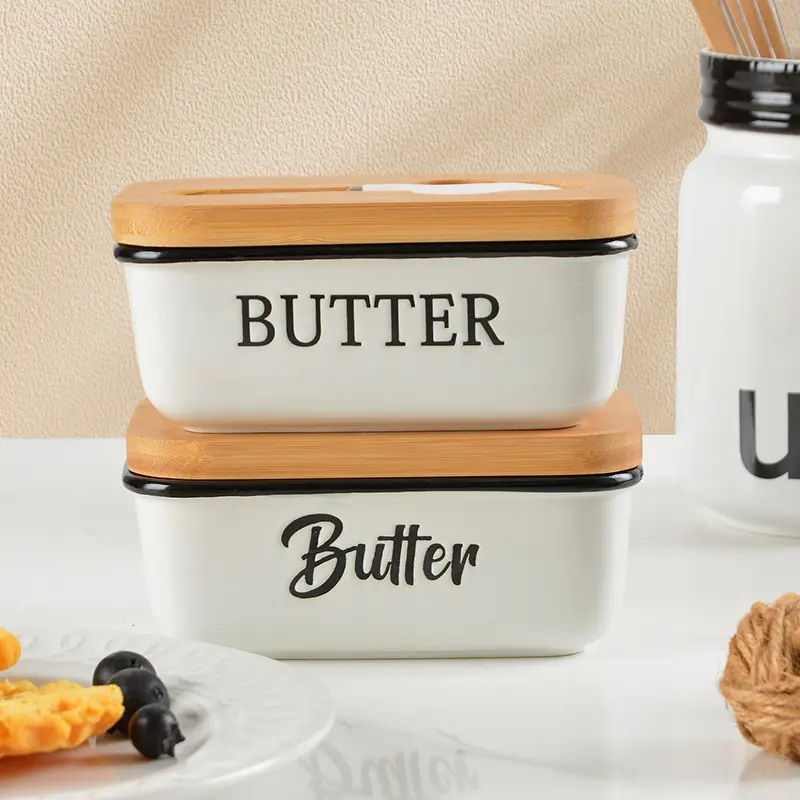
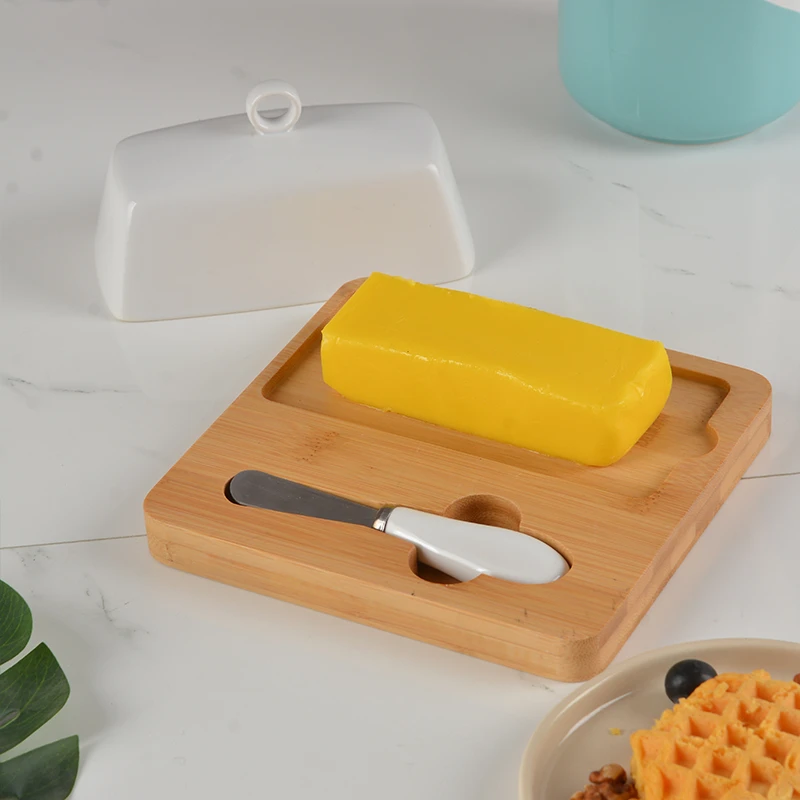
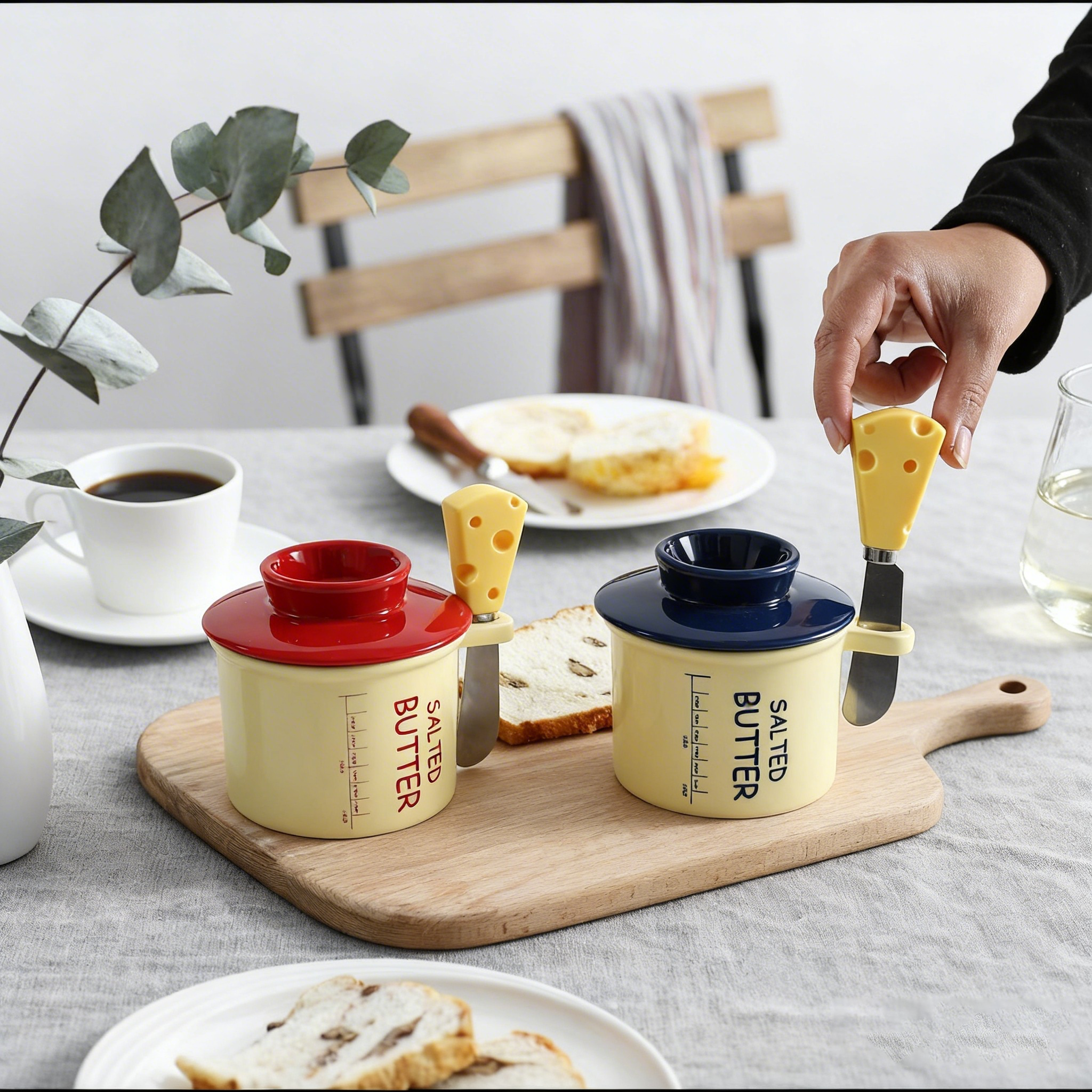
Exactly yes. Although ceramic butter dishes represent a smaller product category, they offer strong branding opportunities.
As breakfast culture and farmhouse-inspired kitchen décor continue to grow, butter dishes have become both functional and decorative products.
They also work well as complementary products that increase basket size when sold alongside bakeware or food storage collections.
Best Sales Channels
Butter dishes are especially suitable for:
- Boutique kitchenware stores
- Gift shops
- Lifestyle retailers
- Online home décor brands
Consumers often purchase these products because they match existing kitchen collections rather than as standalone items.
Customization Opportunities
Butter dishes provide extensive OEM possibilities, including:
- Different lid designs
- Handle styles
- Matte or glossy glazes
- Customized colors
- Brand logo printing
- Gift-ready packaging
Their relatively simple structure also makes them an accessible category for brands entering the ceramic kitchenware market.
Ceramic Kitchen Accessories — Ideal for Expanding Product Lines
Which Kitchen Accessories Are Worth Adding?
After establishing core product categories, many brands expand into ceramic kitchen accessories to build more comprehensive product collections.
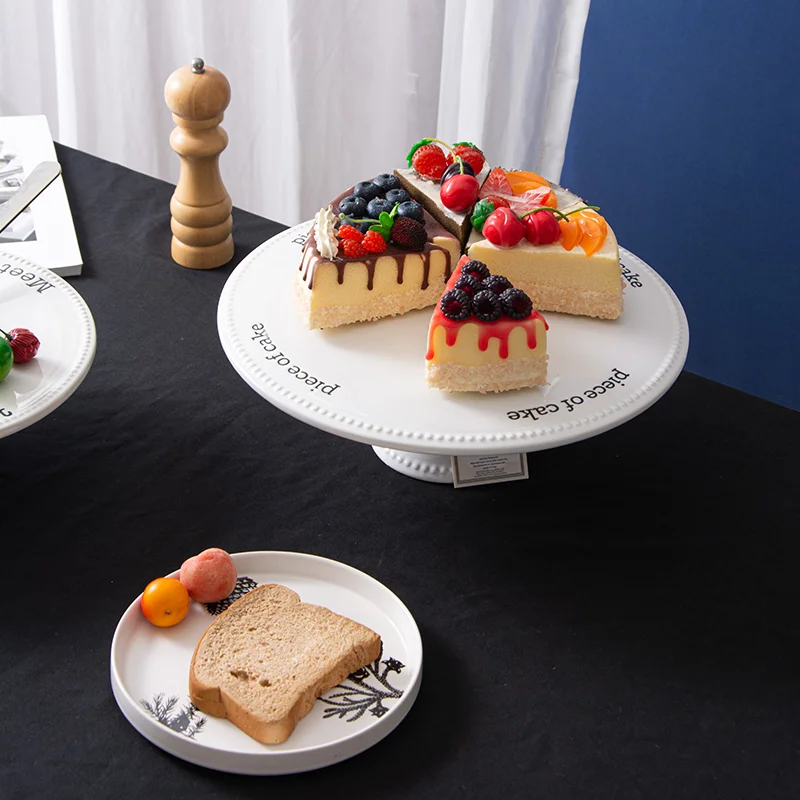
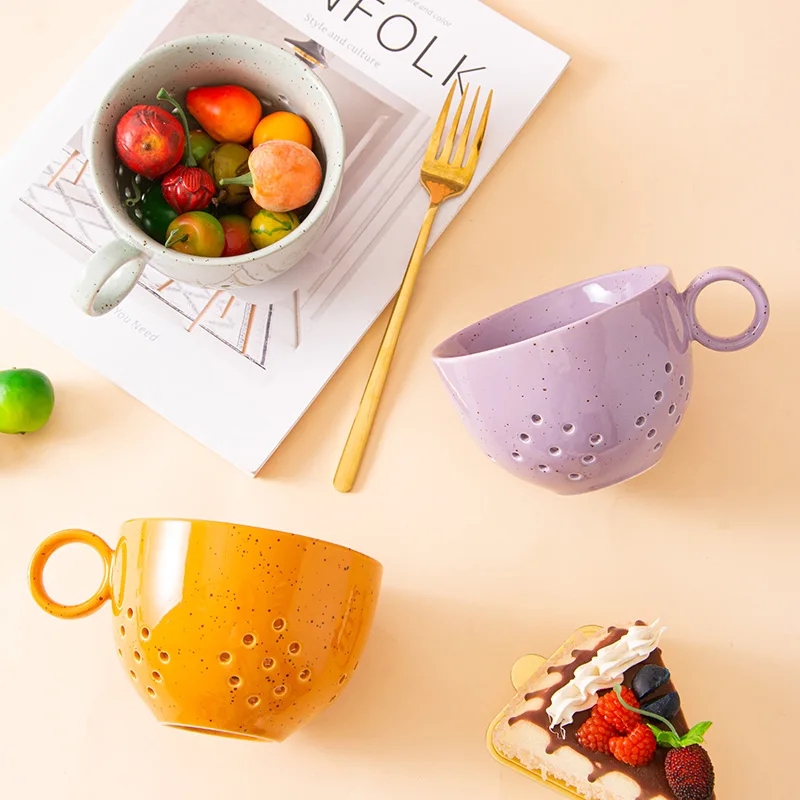
Common products include:
- Utensil holders
- Spoon rests
- Kitchen organizers
- Small countertop containers
These accessories complement larger kitchenware products while helping brands create coordinated product families.
How Do Kitchen Accessories Increase Sales?
Kitchen accessories are rarely purchased individually.
Instead, they are often added to larger purchases, making them effective products for increasing average order value.
For example:
- Bakeware + spoon rest
- Canister set + utensil holder
- Butter dish + kitchen organizer
This collection-based strategy also strengthens brand identity by encouraging consumers to purchase matching products.
Best Buyers
Ceramic kitchen accessories are recommended for:
- Established kitchenware brands
- Retailers expanding existing product ranges
- E-commerce sellers seeking cross-selling opportunities
Rather than serving as entry products, accessories perform best as complementary additions.
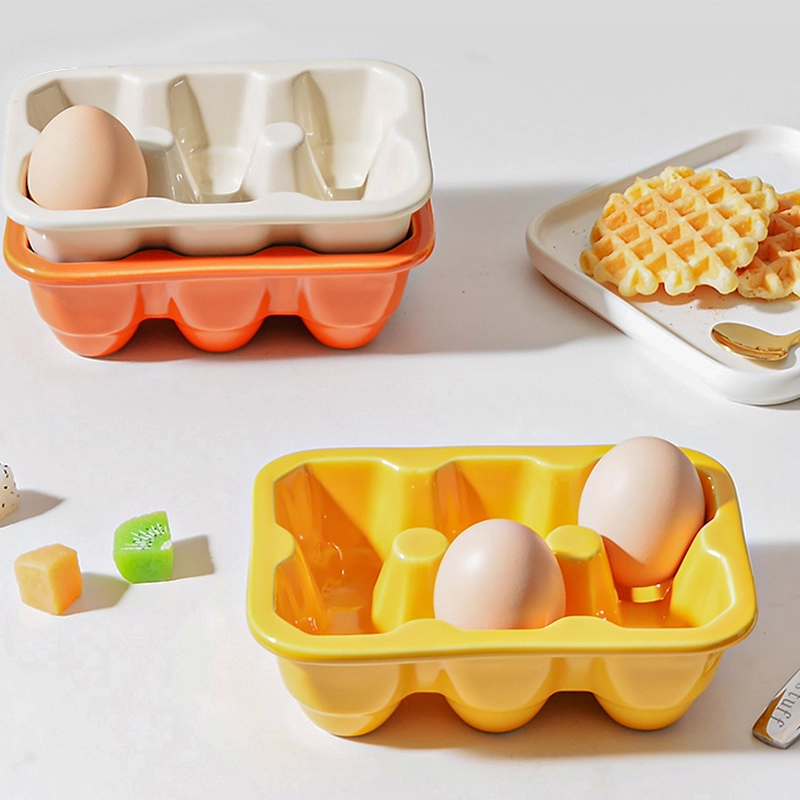
Which Ceramic Kitchenware Category Fits Your Sales Channel?
Different sales channels prioritize different products. Selecting the right category helps reduce inventory pressure while improving sales performance.
| Buyer Type | Recommended Categories | Why |
|---|---|---|
| Retail Stores | Bakeware + Food Storage | Strong shelf appeal and broad consumer demand |
| E-commerce Sellers | Food Storage + Butter Dishes | Easy storytelling and practical everyday use |
| Wholesale Importers | Food Storage + Kitchen Accessories | Stable demand and efficient inventory management |
| Private Label Brands | Bakeware + Food Storage | Excellent opportunities for OEM customization |
| Gift & Lifestyle Brands | Bakeware + Butter Dishes | Premium appearance and attractive gift collections |
Instead of offering every category immediately, buyers should focus on products that naturally fit their business model and customer base.
How to Build Your First Ceramic Kitchenware Product Line
Many new brands make the mistake of launching too many products at once. A phased approach is often more effective.
Stage 1: Launch Core Products
Start with high-demand categories such as:
- Ceramic bakeware
- Ceramic food storage
These products provide broad market appeal while establishing the foundation of your brand.
Stage 2: Expand With Supporting Products
Once the core products gain traction, introduce complementary items such as:
- Butter dishes
- Additional storage sizes
- Coordinated color collections
This encourages repeat purchases and larger order values.
Stage 3: Complete the Collection
Finally, expand into kitchen accessories to create a complete product portfolio.
A well-planned collection strengthens brand recognition and gives retailers more merchandising opportunities.
How Kedali Supports OEM Ceramic Kitchenware Development
As an experienced ceramic kitchenware manufacturer, Kedali helps brands develop competitive ceramic kitchenware collections from concept to mass production.
Flexible OEM & ODM Manufacturing
Kedali offers customized solutions for:
- Product shapes and sizes
- Glaze colors and finishes
- Logo application
- Retail packaging
- Seasonal collections
These capabilities help brands develop products that align with their market positioning.
Complete Kitchenware Collection Development
Rather than supplying individual products, Kedali helps customers build coordinated collections, including:
- Ceramic bakeware & ovenware
- Canisters and food storage containers
- Butter dishes
- Kitchen accessories
Working with a custom ceramic kitchenware manufacturer enables brands to launch product lines with a consistent design language.
Reliable Production for Global Buyers
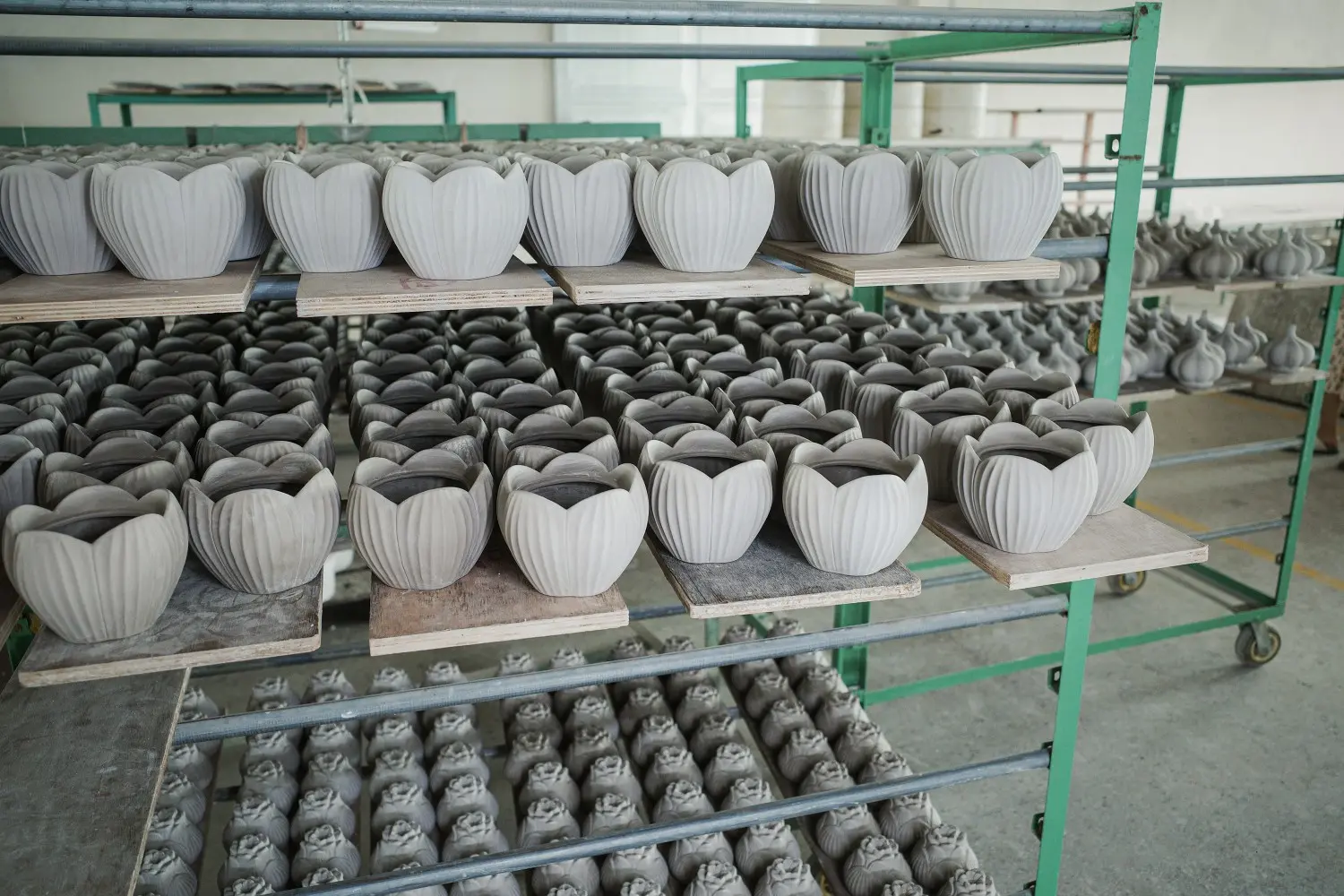
Kedali combines manufacturing expertise with strict quality control through:
- Careful raw material selection
- Controlled firing processes
- Product dimension inspection
- Final quality checks before shipment
As a wholesale ceramic kitchenware supplier, Kedali supports bulk production, OEM/ODM projects, and global export requirements for retailers, wholesalers, distributors, and private label brands.
FAQ
Which ceramic kitchenware category should a new brand launch first?
Bakeware and food storage products are usually the best starting point because they have broad consumer demand and strong opportunities for product expansion.
Is ceramic bakeware profitable for private label brands?
Yes. Ceramic bakeware offers premium positioning, attractive designs, and extensive customization options, making it suitable for higher-margin private label products.
What ceramic kitchen accessories are easiest to sell?
Utensil holders, spoon rests, and countertop organizers are popular on e-commerce channels because they complement existing kitchenware collections and encourage bundle purchases.
Can manufacturers customize ceramic kitchenware?
Yes. As an OEM ceramic kitchenware manufacturer, Kedali can customize product shapes, colors, glazes, logos, and packaging to meet different market requirements.
How many SKUs should I launch first?
For most new brands, starting with one or two core categories and 8–15 SKUs is a practical strategy. Additional products can be introduced as customer demand grows.
Conclusion
Choosing the right ceramic kitchenware category is more important than launching the largest product range. Buyers should prioritize products that match their sales channels, target customers, and long-term brand strategy.
For most businesses, ceramic bakeware and food storage products provide the strongest foundation, while butter dishes and kitchen accessories can be added later to build complete product collections. By partnering with an experienced ceramic kitchenware manufacturer like Kedali, brands can develop customized, market-driven product lines backed by reliable manufacturing, consistent quality, and scalable production.