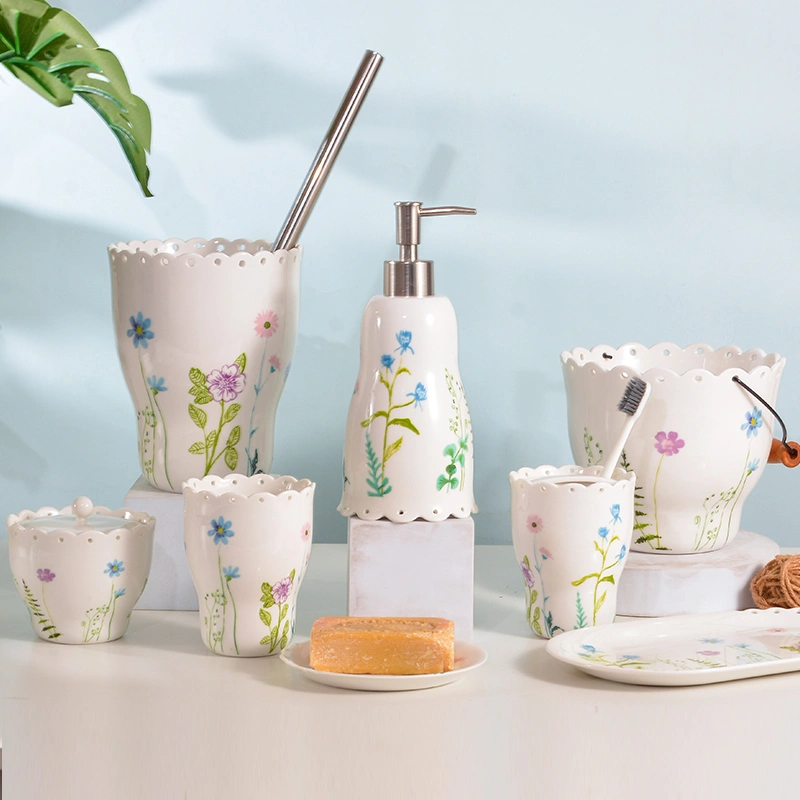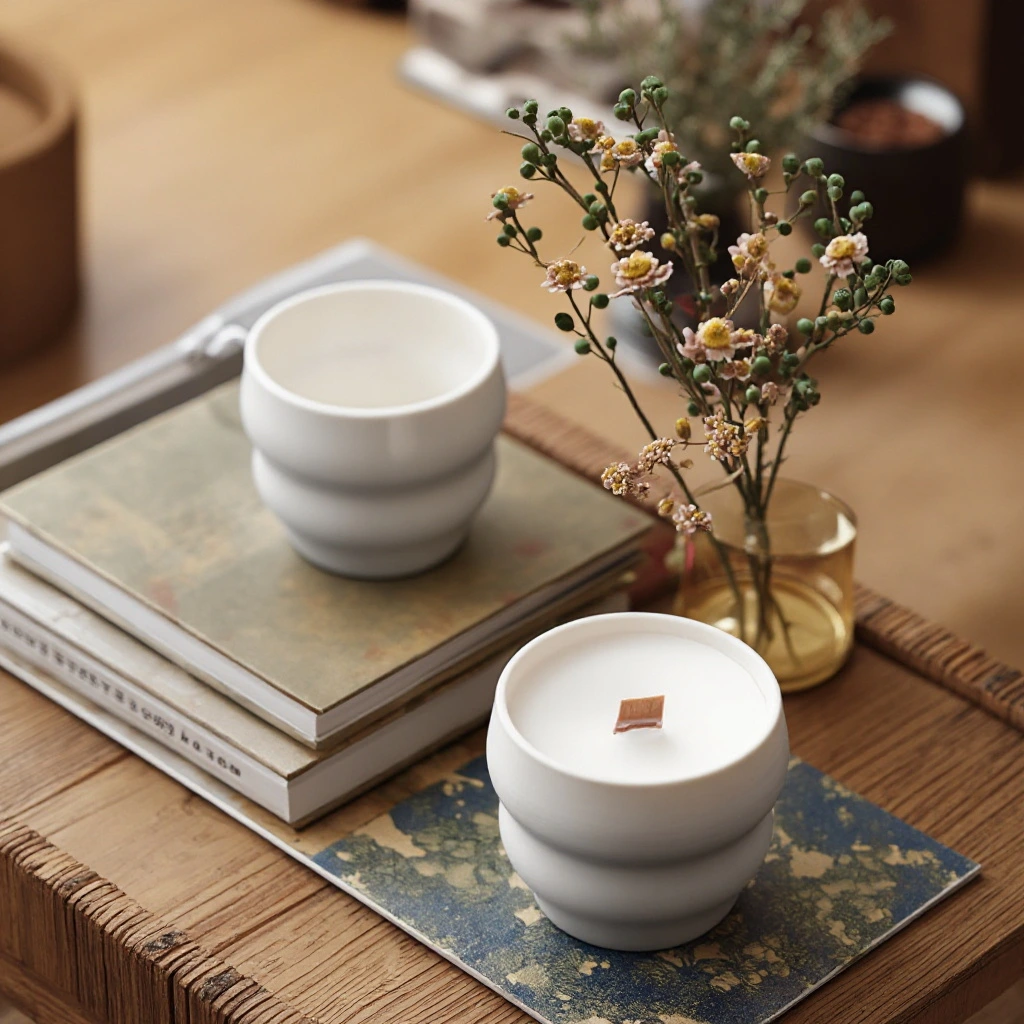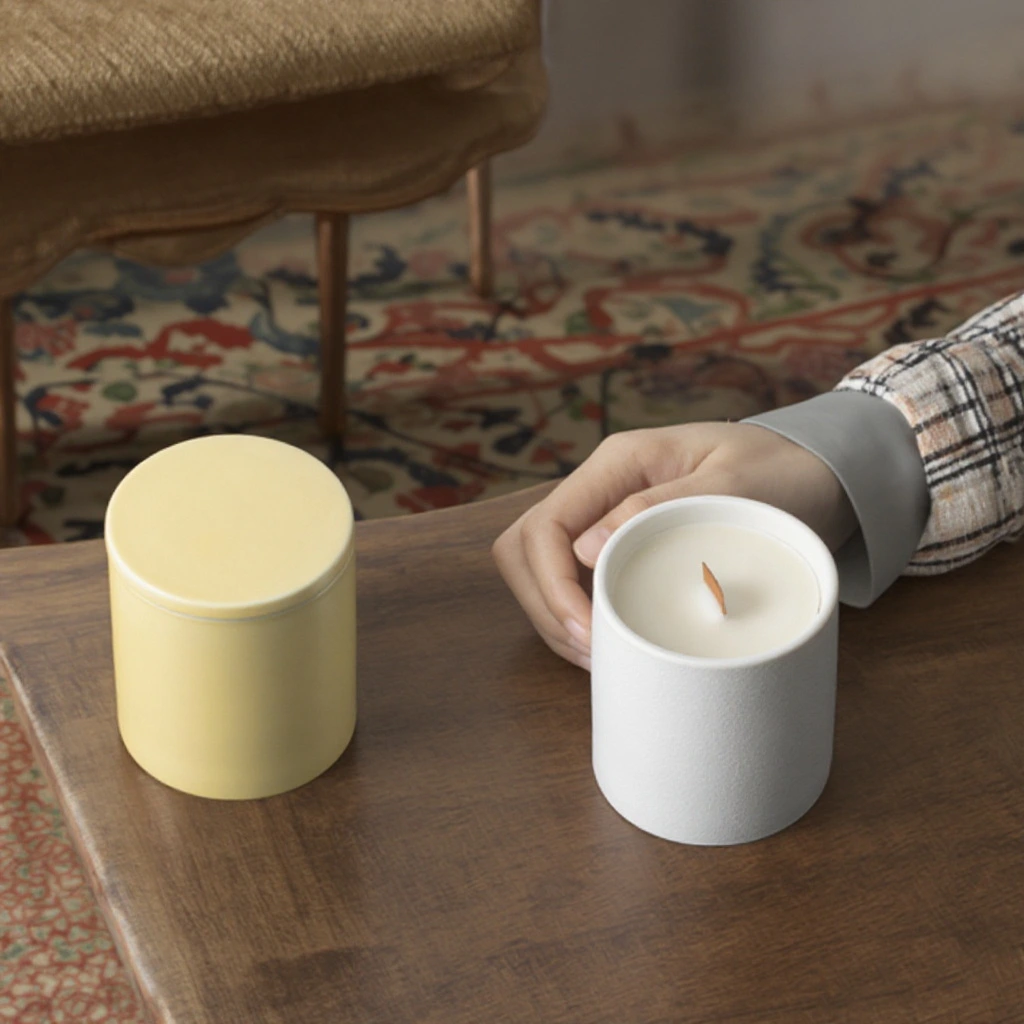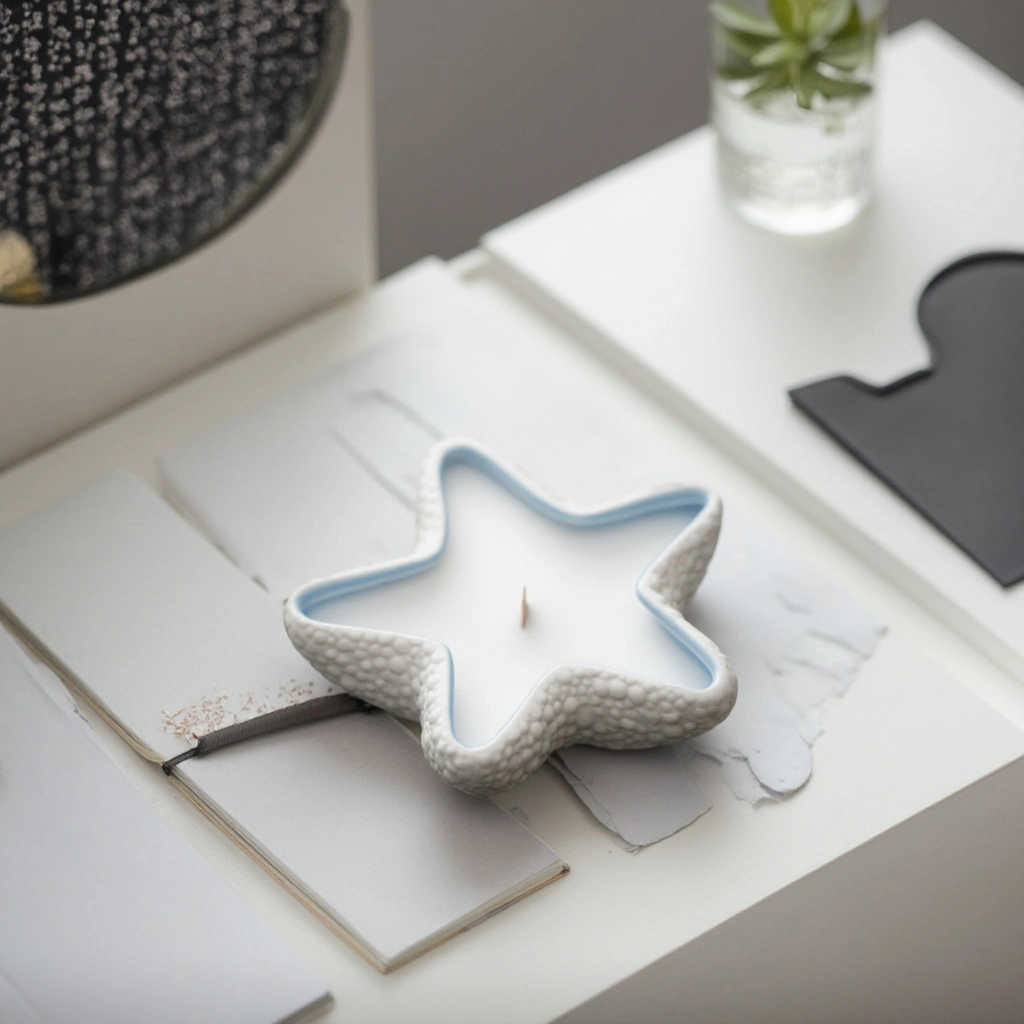
Porcelain and stoneware tea sets differ in their typical appearance, body characteristics, weight, and design possibilities. For wholesale buyers, the better choice depends on the intended product positioning, construction, and performance requirements—not simply which material sounds more premium.
Porcelain tea sets are often associated with refined finishes, elegant shapes, and formal presentation. Stoneware tea sets are frequently chosen for substantial forms, varied glaze effects, and contemporary or rustic-inspired designs.
Before choosing a material for a wholesale collection, compare the following factors:
- Appearance, color, and surface finish
- Body thickness, weight, and handling
- Durability and resistance to different types of damage
- Suitability for the intended retail or hospitality application
- Consistency across complete sets and bulk orders
- Customization options for branded collections
As a porcelain tea set manufacturer, Kedali, in this blog, will help importers, distributors, and private-label brands select products by understanding these differences to match your target market while establishing clear specifications for manufacturing.
Porcelain vs. Stoneware Tea Sets: Key Differences at a Glance
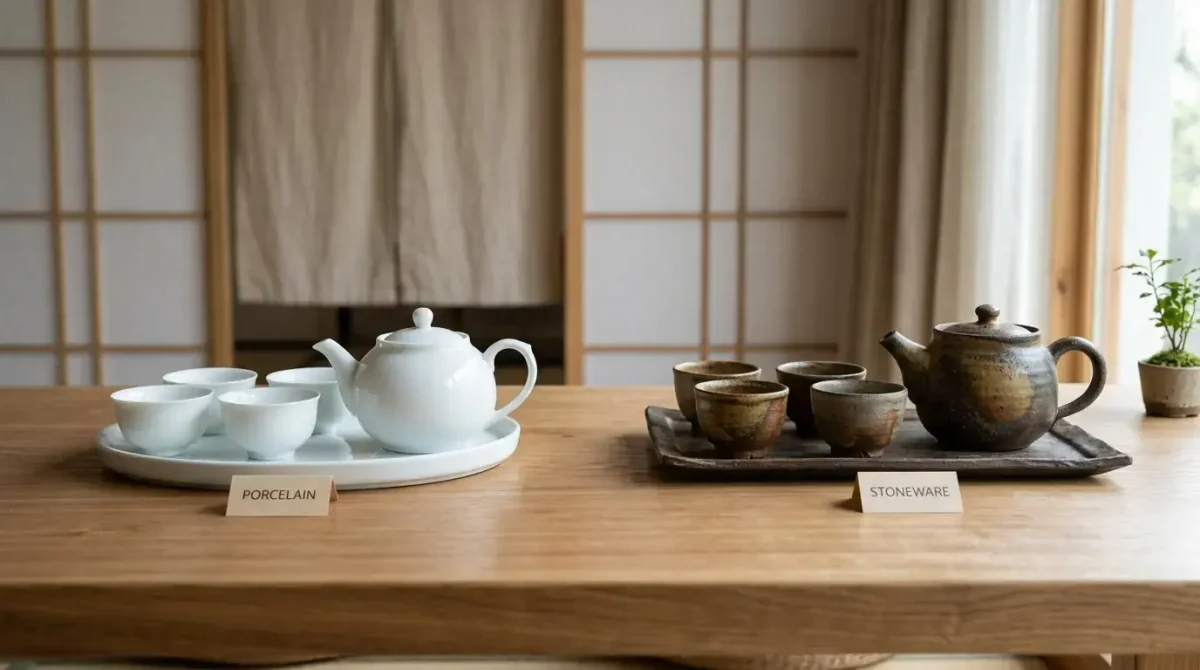
Porcelain and stoneware are both ceramic materials, but their compositions and firing characteristics can produce different physical and visual results. The following table summarizes their typical characteristics rather than guaranteeing the performance of every finished product.
| Comparison criterion | Porcelain tea sets | Stoneware tea sets |
|---|---|---|
| Body characteristics | Typically dense and highly vitrified when properly formulated and fired | Typically dense, with vitrification depending on the body formulation and firing conditions |
| Appearance | Often associated with smooth surfaces, refined shapes, and lighter body colors | Often associated with substantial forms, varied glaze colors, and textured finishes |
| Weight and feel | Can feel relatively light, depending on dimensions and wall thickness | Often feels more substantial, depending on construction and design |
| Design direction | Often suits elegant, classic, or formal-looking collections | Often suits contemporary, rustic, or artisan-inspired collections |
| Functional performance | Depends on body quality, construction, glaze, and product design | Depends on body quality, construction, glaze, and product design |
| Commercial positioning | Can support refined or premium-looking assortments | Can support casual, design-led, or substantial-looking assortments |
These differences are useful starting points, not strict rules. A thick-walled porcelain teapot may weigh more than a carefully designed stoneware teapot. Similarly, a smooth stoneware glaze can produce a refined appearance, while porcelain can be decorated in a wide range of styles.
For wholesale buyers, the important distinction is between a material’s typical characteristics and the actual properties of the finished product. Product dimensions, glaze formulation, firing conditions, and manufacturing consistency all influence the result.
The practical question is therefore not which material wins every comparison, but which material and construction best meet the requirements of the intended tea set.
How Material Composition and Firing Affect Tea Set Performance
Material composition and firing help explain why porcelain and stoneware can behave differently. They also explain why the material name alone is insufficient to establish the quality or durability of a finished tea set.
Porcelain: Density, Refinement, and Surface Characteristics
Porcelain is generally produced using carefully formulated ceramic bodies and firing conditions that promote substantial vitrification. The resulting body is typically dense and can support thin, refined forms and smooth surfaces.
These characteristics make porcelain suitable for tea sets designed around delicate visual proportions, clean lines, and formal presentation. Depending on the formulation and construction, a porcelain cup may also have relatively thin walls and a lighter feel.
However, density does not make porcelain immune to damage. A thin rim, narrow handle, or poorly designed junction can remain vulnerable to chipping or cracking. The quality of the finished product depends on more than the material category.
Stoneware: Body Thickness, Texture, and Construction
Stoneware is also fired to produce a durable ceramic body, but its composition and firing conditions vary. Depending on the formulation and design, stoneware tea sets can feature substantial walls, distinctive body colors, and a wide range of glaze effects.
These characteristics make stoneware useful for collections that emphasize visual texture, a solid feel, or a more relaxed design direction.
Nevertheless, a heavier product is not necessarily a stronger one. Wall thickness, shape, firing quality, and localized stresses can all affect how a piece performs.
For both materials, buyers should distinguish between water absorption, hardness, impact resistance, and resistance to thermal shock. These properties describe different aspects of performance and cannot be used interchangeably.
If a particular performance level is important, request applicable product specifications or test evidence rather than relying on the words porcelain or stoneware alone.
Compare Appearance, Weight, and Functional Performance
When comparing porcelain vs. stoneware tea sets, wholesale buyers should evaluate how material characteristics translate into the finished product. Three areas deserve particular attention: appearance, handling, and durability.
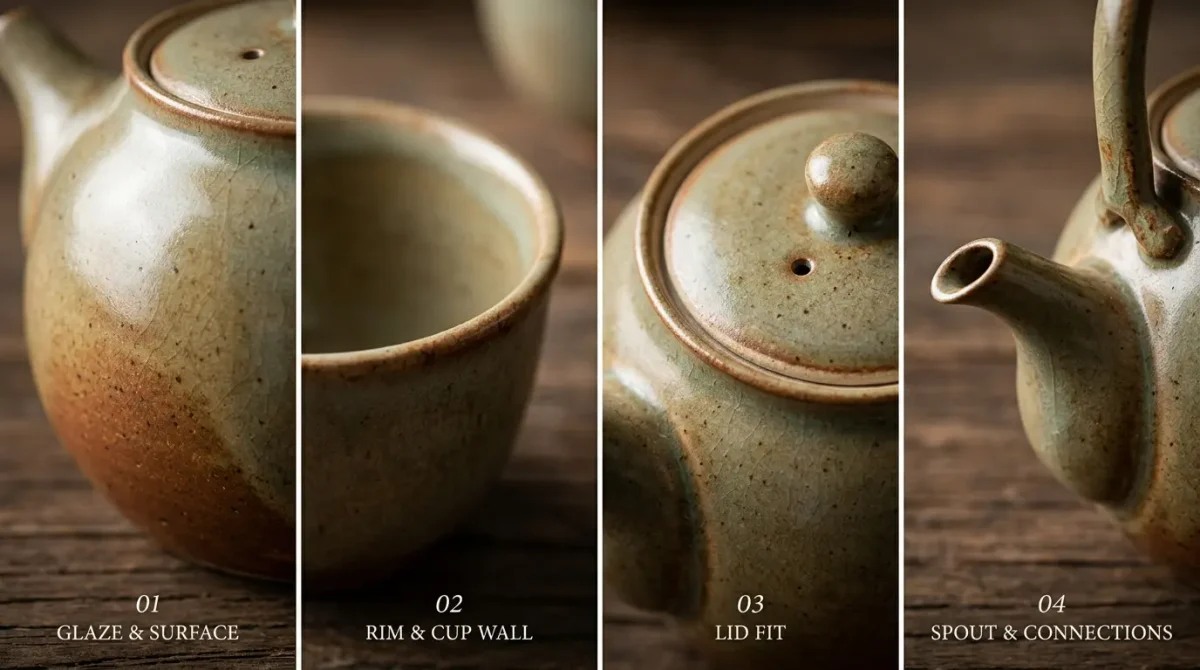
Appearance and Surface Finish
Porcelain is often associated with smooth, refined surfaces and elegant silhouettes. These characteristics can suit classic tea sets, formal dining collections, and gift-oriented products.
Stoneware offers considerable flexibility in visual presentation. Depending on the body and glaze, it can feature earthy colors, reactive-looking finishes, subtle textures, or more substantial forms. These characteristics can support contemporary, rustic, and artisan-inspired collections.
However, the material does not determine the entire visual identity of the tea set. Glaze, decoration, color, shape, and finishing techniques all contribute to the final appearance.
A wholesale buyer developing a coordinated collection should therefore evaluate actual samples rather than selecting products based on material descriptions or catalog photographs alone.
Weight, Shape, and Handling
Weight affects how a tea set feels in the hand, how it is handled during serving, and how much it weighs when packed for shipment.
Porcelain is often associated with relatively thin walls and a lighter feel, while stoneware frequently uses more substantial forms. Neither characteristic is universal.
When comparing samples, examine:
- Cup wall thickness and overall weight.
- Handle dimensions and grip comfort.
- Teapot handle balance when the pot is filled.
- Lid fit and stability during normal handling.
- Rim shape and the feel of the drinking edge.
These details matter because two tea sets made from different materials may perform similarly in use, while two products made from the same material may feel very different because of their designs.
For importers and distributors, the actual dimensions and weight also help establish packaging requirements and shipping calculations.
Durability and Everyday Use
The question of porcelain vs. stoneware durability requires more precision than a simple ranking.
A tea set may be resistant to one type of damage but vulnerable to another. For example, resistance to surface scratching does not necessarily establish resistance to impact or thermal shock.
Evaluate the relevant characteristics separately:
- Chipping: Consider rims, handles, and other exposed edges.
- Cracking: Consider body quality, construction, and potential stress points.
- Thermal shock: Confirm suitability for the temperature changes expected in the intended application.
- Glaze performance: Assess the surface for defects and obtain relevant evidence when specific performance claims matter.
- Everyday handling: Consider the product’s shape, weight, and intended cleaning and use conditions.
Neither porcelain nor stoneware should be assumed to be universally more durable. The appropriate choice depends on the finished product and the conditions under which it will be used.
Which Material Fits Your Tea Set Product Line?
The right material depends on the collection you want to develop, the customer expectations you need to meet, and the characteristics you can verify in the finished product.
| Intended product positioning | Material to consider | What to evaluate |
|---|---|---|
| Refined or formal-looking collections | Porcelain | Surface smoothness, shape, visual consistency, and perceived weight |
| Contemporary or artisan-inspired collections | Stoneware | Glaze effects, texture, body color, and overall form |
| Gift-oriented tea sets | Either material | Decorative design, presentation, coordinated components, and packaging |
| Everyday-use collections | Either material | Handling, cleaning requirements, intended use, and durability evidence |
| Distinctive private-label collections | Either material | Design feasibility, customization options, sample approval, and production consistency |
For Refined or Formal Collections
Porcelain is worth considering when the design emphasizes elegant proportions, smooth surfaces, and a relatively delicate appearance. It can work well for collections where visual refinement is a central part of the product concept.
However, premium positioning does not follow automatically from the material. Decoration, design execution, finish quality, and the consistency of the complete set also contribute to perceived value.
For Contemporary or Artisan-Inspired Collections
Stoneware may be a suitable starting point when the collection emphasizes substantial forms, distinctive glaze effects, or a more relaxed aesthetic.
Its suitability depends on the specific body, glaze, and design. Buyers should assess whether the finished sample delivers the intended appearance rather than assuming that every stoneware product has a rustic look.
For Gift and Everyday Collections
Both materials can be appropriate for gifting and everyday use. The decision should reflect the product’s intended role, design, packaging, handling requirements, and demonstrated performance.
For buyers developing a broad assortment, it may be more useful to define the desired product characteristics first and then compare samples in both materials, where available.
To explore available designs, browse Kedali’s wholesale ceramic tea sets. Confirm the actual material and specifications of each shortlisted product before making a material-specific purchasing decision.


What Wholesale Buyers Should Compare Before Ordering
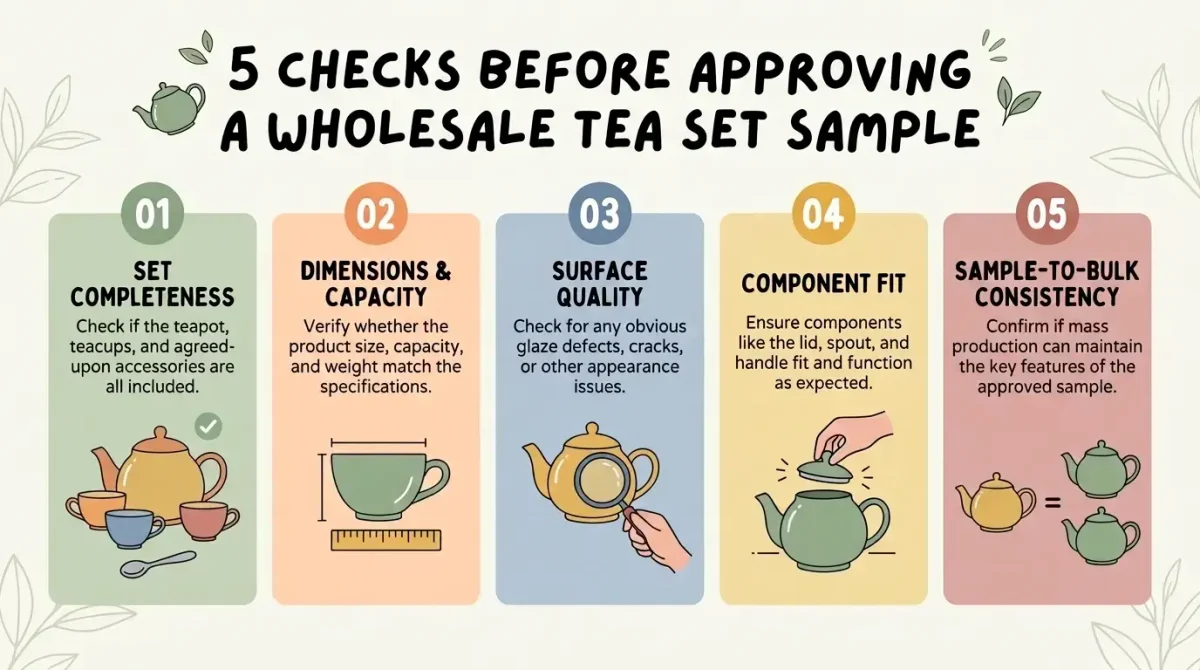
Once you have shortlisted a material, the next step is to evaluate the actual tea set against its intended specifications. This is particularly important when purchasing coordinated sets, where several components must work together visually and functionally.
Compare the Complete Set, Not Just One Piece
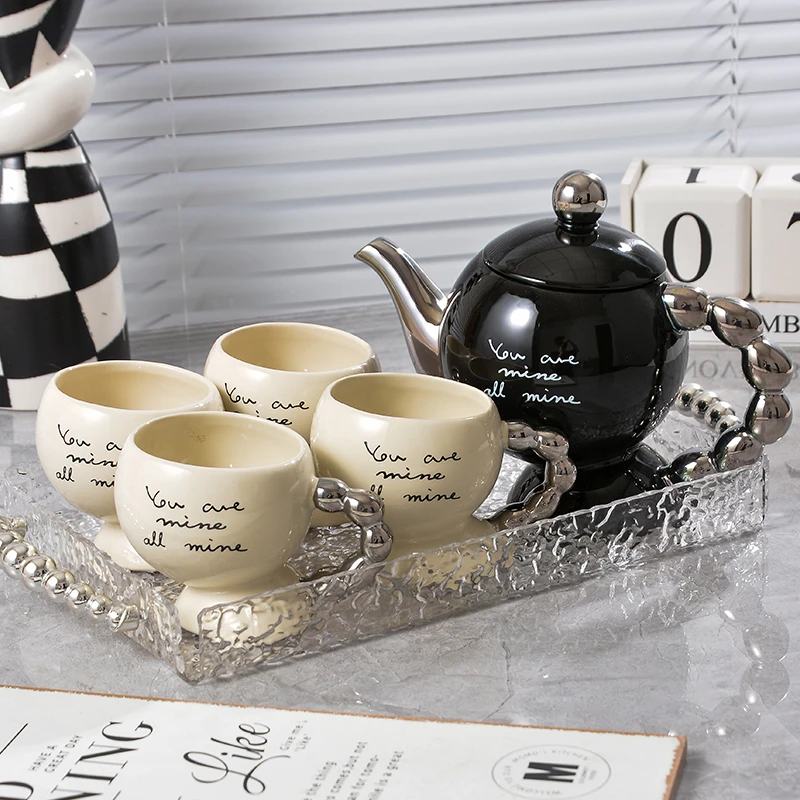
A tea set may include a teapot, lid, cups, saucers, and additional serving components. Each piece introduces different design and manufacturing considerations.
Check whether the components have a consistent appearance, including color, glaze, decoration, and finish. Also examine the relationship between the teapot and lid, the dimensions of the cups, and the overall proportions of the set.
Material selection is only one part of this evaluation. A well-designed product requires the individual components to work together as a coordinated collection.
Confirm Dimensions, Weight, and Construction
Establish the required dimensions, capacities, and weights for the intended product. Evaluate handles, rims, lid fit, and other design features against the sample and agreed specifications.
If you are comparing porcelain and stoneware alternatives, use actual product measurements rather than general assumptions about either material.
These specifications can also help you evaluate packaging needs and the practical implications of ordering a complete set rather than individual cups or teapots.
Evaluate Surface Quality and Performance Evidence
Inspect samples for visible glaze defects, inconsistent decoration, and other issues that affect appearance or function.
Where performance requirements are important, request relevant evidence for the specific finished product. For example, a claim about thermal-shock resistance should be supported by applicable test results, not inferred from the material name.
Similarly, food-contact requirements should be assessed against the relevant market and product documentation. General factory credentials should not be treated as proof that every individual product has the same test results.
Establish a Reference for Bulk Production
A sample helps establish the expected appearance, dimensions, construction, and finish of the product. Buyers should agree on the applicable specifications and how the finished goods will be evaluated before proceeding with a bulk order.
This is particularly important for coordinated tea sets and repeat orders, where differences in color, decoration, or dimensions can affect the consistency of the collection.
Customizing Porcelain or Stoneware Tea Sets for a Brand
Standard products may not always match the design, appearance, or packaging requirements of a private-label collection. In these cases, customization can help buyers develop a more distinctive product range.
As a ceramic tea set manufacturer, Kedali provides OEM and ODM services across its six main product categories, including tableware and mugs and cups. Our customization scope includes product shapes and sizes, colors and finishes, patterns and decoration, branding applications, and packaging, subject to product-specific feasibility.
For a porcelain or stoneware tea set project, the development process should begin with a clear product brief.
Consider specifying:
- Material: The required ceramic body and any material-specific requirements.
- Shape and dimensions: Cup proportions, teapot form, handle design, and component sizes.
- Surface finish: Desired colors, glaze appearance, patterns, and decorative details.
- Branding: Logo placement and other applicable brand elements.
- Packaging: The presentation and protection requirements for the intended sales channel.
Sample production and review can help establish whether the proposed design meets the agreed requirements before mass production.
Explore Kedali’s custom ceramic tea sets and our ceramic manufacturing capabilities to understand the available development support. Specific material options and production methods should be confirmed for the selected design.

Conclusion
Porcelain and stoneware tea sets offer different design possibilities, but neither material is universally better. Porcelain may suit collections emphasizing refinement and elegant proportions, while stoneware may suit designs built around substantial forms and distinctive surfaces.
For wholesale buyers, the most reliable approach is to compare the finished products by appearance, construction, handling, intended use, and verified performance. Material selection should follow the requirements of the collection, not assumptions based on material names alone.
If you are developing a new tea set range, start by defining the intended design and product specifications, then evaluate suitable samples before confirming a bulk order.