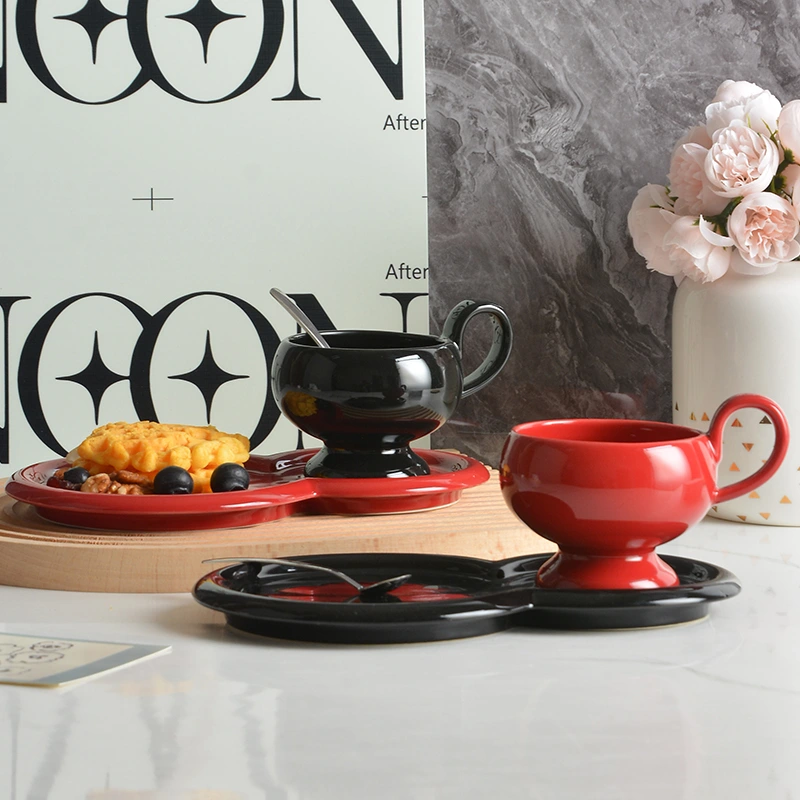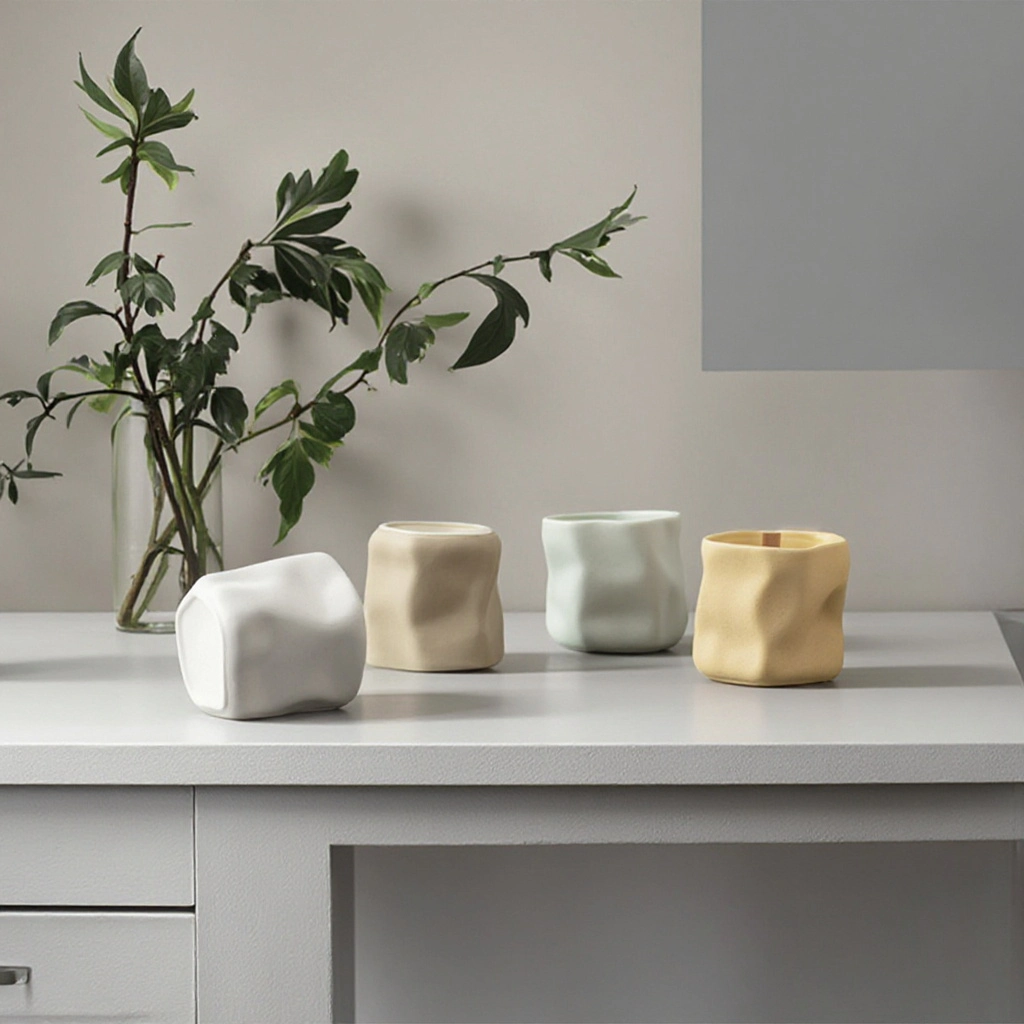
Does a thicker ceramic mug make coffee or tea taste better? Not directly. Ceramic mug thickness does not change the beverage’s flavor compounds, but it can influence how quickly the beverage changes temperature and how the mug feels during drinking.
That distinction matters when choosing or designing ceramic mugs. A thick-wall mug and a thin-wall mug can create different drinking experiences, even when they contain exactly the same beverage.
As a ceramic mug manufacturer, Kedali can tell that the basic relationship is:
Wall thickness → thermal behavior → beverage temperature → taste perception
So, does mug thickness affect taste? Indirectly, yes. Directly, no.
Does Ceramic Mug Thickness Really Affect Taste?
A ceramic mug does not add or remove the flavor compounds in coffee simply because its wall is thicker or thinner. The coffee itself still contains the same acids, aromatic compounds, sugars, bitter compounds, and other flavor components.
However, temperature can change how those characteristics are perceived.
Research on brewed coffee has found that serving temperature significantly affects sensory attributes. One study evaluating coffee at 70°C, 55°C, 40°C, and 25°C found significant differences in numerous sensory attributes, with serving temperature accounting for a substantial proportion of the variation observed.
Another study found that coffee consumed at different temperatures showed changes in perceived flavor attributes, with some characteristics becoming more intense at higher temperatures.
Therefore, the more accurate way to understand mug thickness is:
- Thickness does not directly alter the flavor chemistry of coffee or tea.
- Thickness can affect the thermal behavior of the mug.
- Thermal behavior affects how quickly the beverage cools.
- Temperature affects sensory perception.
This is why two mugs can make the same coffee seem slightly different without the mugs actually changing the coffee itself.

Why Does Mug Thickness Affect the Drinking Experience?
How Does a Thick Wall Affect Heat Retention?
Wall thickness is one of several factors that influence how heat moves from a hot beverage through the mug and into the surrounding environment.
A thicker ceramic wall generally provides more material between the liquid and the outside environment. This changes the thermal resistance and the amount of ceramic that must warm up when hot coffee or tea is poured into the mug.
Research on hot beverages served in porcelain and polystyrene cups specifically identifies wall thickness, material thermal conductivity, liquid temperature, exposed surface area, and ambient temperature as factors affecting cooling behavior. In one experiment, the researchers noted that the larger wall thickness of the porcelain cup likely played an important role in offsetting porcelain’s higher thermal conductivity compared with polystyrene.
This does not mean that every thick mug will always keep a beverage hotter. Mug design is a system rather than a single variable.
For example, two mugs with the same wall thickness can cool differently because they have different:
- Ceramic materials
- Capacities
- Diameters
- Heights
- Opening sizes
- Surface areas
- Ambient conditions
Therefore, thicker does not automatically mean better heat retention. Thickness is one part of the thermal design.
Why Does Temperature Change Taste Perception?
The temperature at which coffee or tea is consumed affects more than comfort.
Temperature can influence the release of volatile compounds and the way sensory characteristics are perceived. In one coffee study, volatile release increased with serving temperature, while coffees served at higher and lower temperatures were associated with different sensory profiles.
This means that a beverage may be perceived differently as it cools.
For example, a drink may be experienced as having different levels of:
- Aroma intensity
- Bitterness
- Acidity
- Sweetness
- Overall flavor intensity
- Mouthfeel
The important point is that the mug is not creating these flavor differences. It is influencing one of the conditions under which the beverage is consumed.
That gives us the central mechanism:
Wall thickness → cooling behavior → serving temperature → sensory perception
This is the strongest way to explain why mug thickness can affect the drinking experience without claiming that thick ceramic directly changes taste.

Thick-Wall vs Thin-Wall Mugs: What Is the Difference?
Thick and thin ceramic mugs are designed around different priorities.
| Factor | Thick-Wall Mug | Thin-Wall Mug |
|---|---|---|
| Thermal response | Generally slower | Generally faster |
| Weight | Heavier | Lighter |
| Drinking feel | More substantial | More delicate |
| Heat management | Better suited to slower drinking | More responsive to temperature changes |
| Typical experience | Robust and substantial | Lightweight and refined |
A thick-wall mug may be more suitable when the user wants a substantial object that supports slower drinking and greater thermal stability.
A thin-wall mug can provide a lighter, more delicate experience and may allow the beverage to respond more quickly to the surrounding environment.
Neither design inherently produces better-tasting coffee.
Does Thicker Always Mean Better Heat Retention?
No.
A mug’s heat retention depends on the interaction between wall thickness, ceramic material, geometry, beverage volume, exposed surface area, and ambient conditions.
For example, a very thick mug with a large open top may still lose heat quickly because the beverage has a large exposed surface. Conversely, a thinner mug with a more thermally favorable material or shape may perform differently.
The practical conclusion is that wall thickness should be evaluated as part of the complete mug design, rather than as an isolated specification.
Does Thin Mean Better Taste?
No.
A thin ceramic wall does not inherently make coffee or tea taste better. Its main effect is to create a different physical and thermal experience.
A thin-wall mug may feel lighter and more delicate in the hand, while its thermal response can make the drinking temperature change more quickly.
This can be desirable for users who prefer a more responsive drinking experience, but it should not be confused with a direct improvement in flavor.
Which Mug Thickness Is Better for Different Uses?
The appropriate wall thickness depends largely on how the mug is expected to be used.
| Use | More Suitable Direction |
|---|---|
| Slow coffee drinking | Thick wall |
| Everyday large mug | Moderate to thick wall |
| Lightweight tea drinking | Thin wall |
| Refined tableware | Thin to moderate wall |
| Substantial tactile feel | Thick wall |
For slow coffee drinking, a thicker design can make sense because users may spend more time with the beverage and prefer a more substantial mug.
For lightweight tea drinking, thinner walls may better match a delicate tableware experience where low weight and a refined rim are important.
For everyday mugs, moderate thickness often provides a practical balance between durability, weight, thermal behavior, and handling.
For premium tableware, however, thickness should not be considered independently. Rim design, shape, weight, finish, and proportions can be equally important to the final drinking experience.
What Matters Besides Ceramic Mug Thickness?
If the goal is to design a mug that provides a particular drinking experience, thickness should be considered together with other physical characteristics.
Ceramic Material
Different ceramic bodies have different thermal properties. The same wall thickness can therefore behave differently when made from different materials.
Material selection should come before assuming that a particular thickness will automatically produce a specific thermal result.
Mug Shape
Shape affects both the exposed surface area and the way the beverage is presented to the drinker.
Research has shown that cup shape can influence perceptions of aroma, sweetness, acidity, and other aspects of specialty coffee. In a study involving 276 participants, different cup shapes produced significant differences in sensory evaluations.
This is important because it shows that mug design affects sensory perception through more than thermal behavior.
Capacity
A 250 ml mug and a 450 ml mug with the same wall thickness do not necessarily provide the same drinking experience.
The amount of beverage, the ratio between liquid volume and exposed surface area, and the size of the ceramic body all affect how the system heats and cools.
Rim Thickness and Shape
The rim is the part of the mug that directly interacts with the lips, so it can influence tactile perception.
Research has found that properties of the drinking vessel—including material, weight, texture, and shape—can influence the multisensory experience of coffee.
More recent research also found that the material and softness of a cup’s rim can affect both flavor perception and perceived beverage temperature.
Therefore, a mug cannot be judged by wall thickness alone.
Weight and Surface Finish
A heavier mug can communicate a different sense of quality or substance from a lightweight mug. Surface texture can also change how the product feels in the hand.
These effects are part of the broader multisensory drinking experience, where the physical properties of the vessel interact with how consumers perceive the beverage.
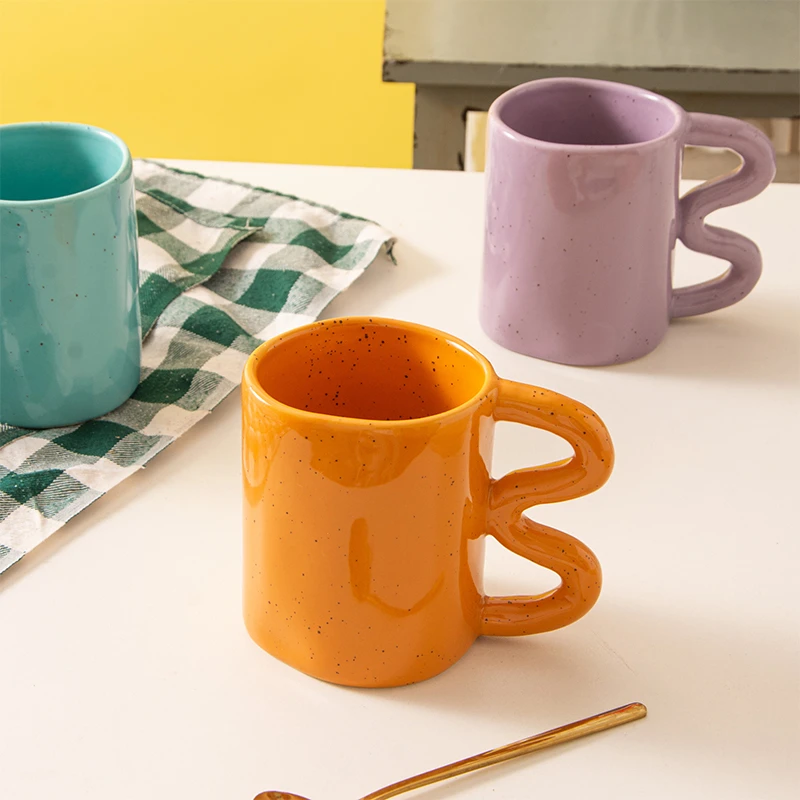



How Should You Choose Between Thick and Thin Ceramic Mugs?
Instead of asking whether thick or thin is better, start with the intended drinking experience.
What beverage will be served?
Coffee, green tea, black tea, and other hot beverages may have different preferred serving conditions.
How much beverage will the mug hold?
Larger capacities change the relationship between beverage volume, surface area, and cooling behavior.
How quickly will the beverage be consumed?
A slow-drinking product may benefit from different thermal characteristics than a mug designed for quick everyday use.
What temperature experience is preferred?
If maintaining a relatively stable drinking temperature is important, a thicker construction may be considered as part of the thermal design.
What should the mug feel like?
If low weight and a delicate feel are priorities, a thinner construction may be more appropriate.
For product development, the decision can therefore be simplified:
- Choose thicker walls when thermal stability, durability, and a substantial feel are priorities.
- Choose thinner walls when light weight, delicate handling, and a more responsive thermal experience are priorities.
- Choose moderate thickness when the product needs to balance weight, durability, thermal behavior, and everyday usability.
For buyers working with a ceramic mug manufacturer, these requirements can be translated into specific product parameters during development rather than selecting wall thickness in isolation.
Conclusion
Mug thickness does not directly change the flavor of coffee or tea, but it can indirectly affect how the beverage is perceived.
The key relationship is:
Thickness → thermal behavior → beverage temperature → sensory perception
At the same time, thickness contributes to the mug’s weight and tactile characteristics, while shape, rim design, material, and surface finish can also influence the overall drinking experience.
For ceramic mug buyers and product developers, the practical lesson is simple: do not treat wall thickness as a standalone indicator of taste or quality. Instead, evaluate it as one part of the complete mug design and match it to the intended beverage, drinking pace, thermal requirements, and user experience.