Ceramic tableware is one of the most common and practical choices for dining spaces around the world. From home kitchens to restaurants, hotels, cafés, and catering businesses, ceramic dinnerware is widely used because it combines durability, beauty, and versatility.
For buyers, especially wholesalers, restaurant owners, importers, and brand businesses, understanding the different types of ceramic tableware is important. Each product has its own function, design value, and suitable usage scenario.
Plates, bowls, mugs, cups, and saucers may seem simple, but the right choice can improve food presentation, dining experience, and brand image.
As a professional ceramic tableware manufacturer, I will introduce you to common types of ceramic tableware to help you better choose products that suit your different needs.
What Is Ceramic Tableware?
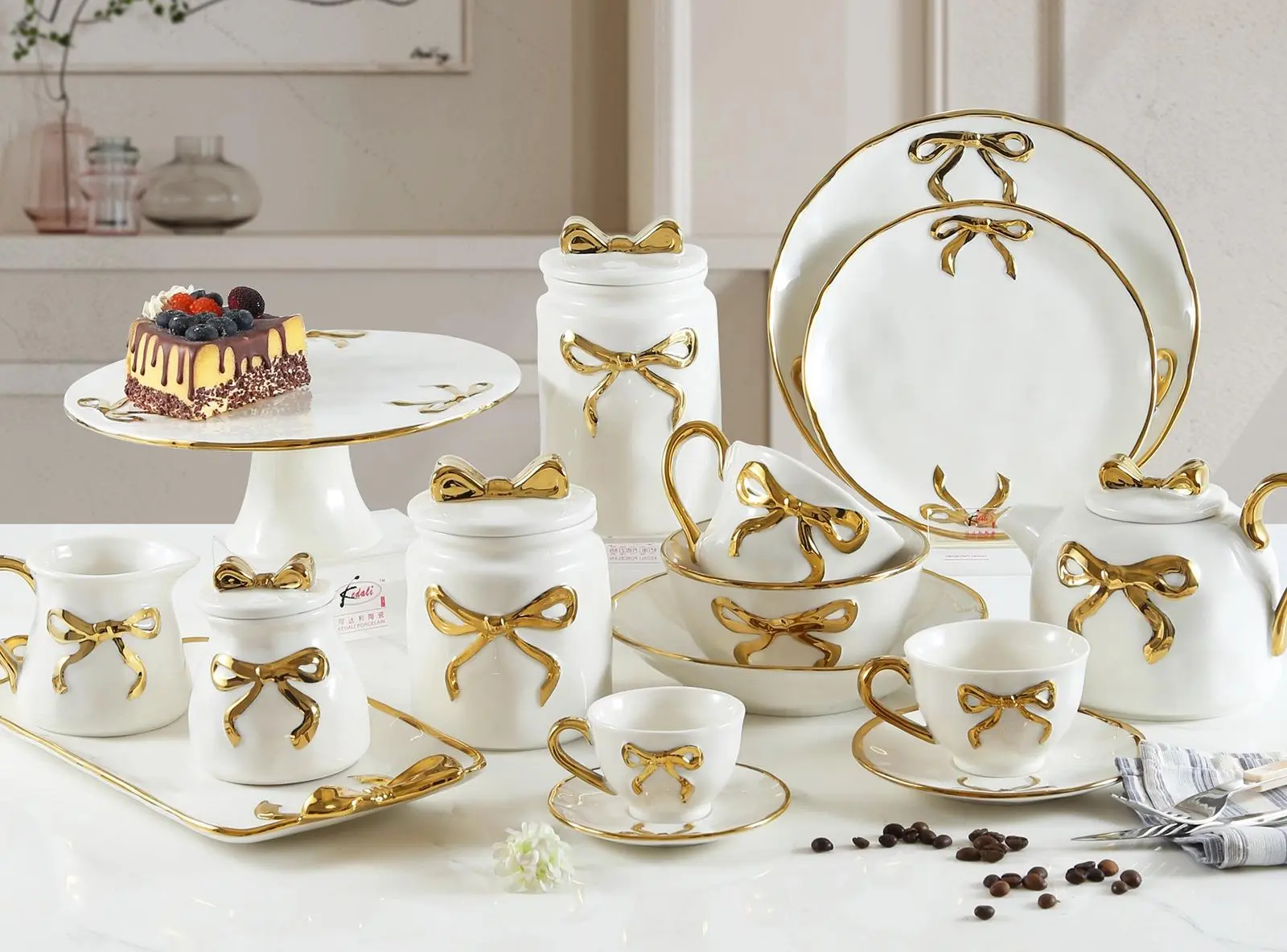
Ceramic tableware refers to dining products made from clay-based materials that are shaped, glazed, and fired at high temperatures. Depending on the raw material, firing temperature, and production process, ceramic tableware can have different textures, weights, colors, and levels of durability.
Common ceramic materials include porcelain, stoneware, bone china, and earthenware.
One of the biggest advantages of ceramic tableware is its wide design flexibility. It can be made into different shapes, colors, surface textures, and glaze finishes. This makes ceramic tableware suitable for both daily dining and professional commercial use.
Ceramic Plates
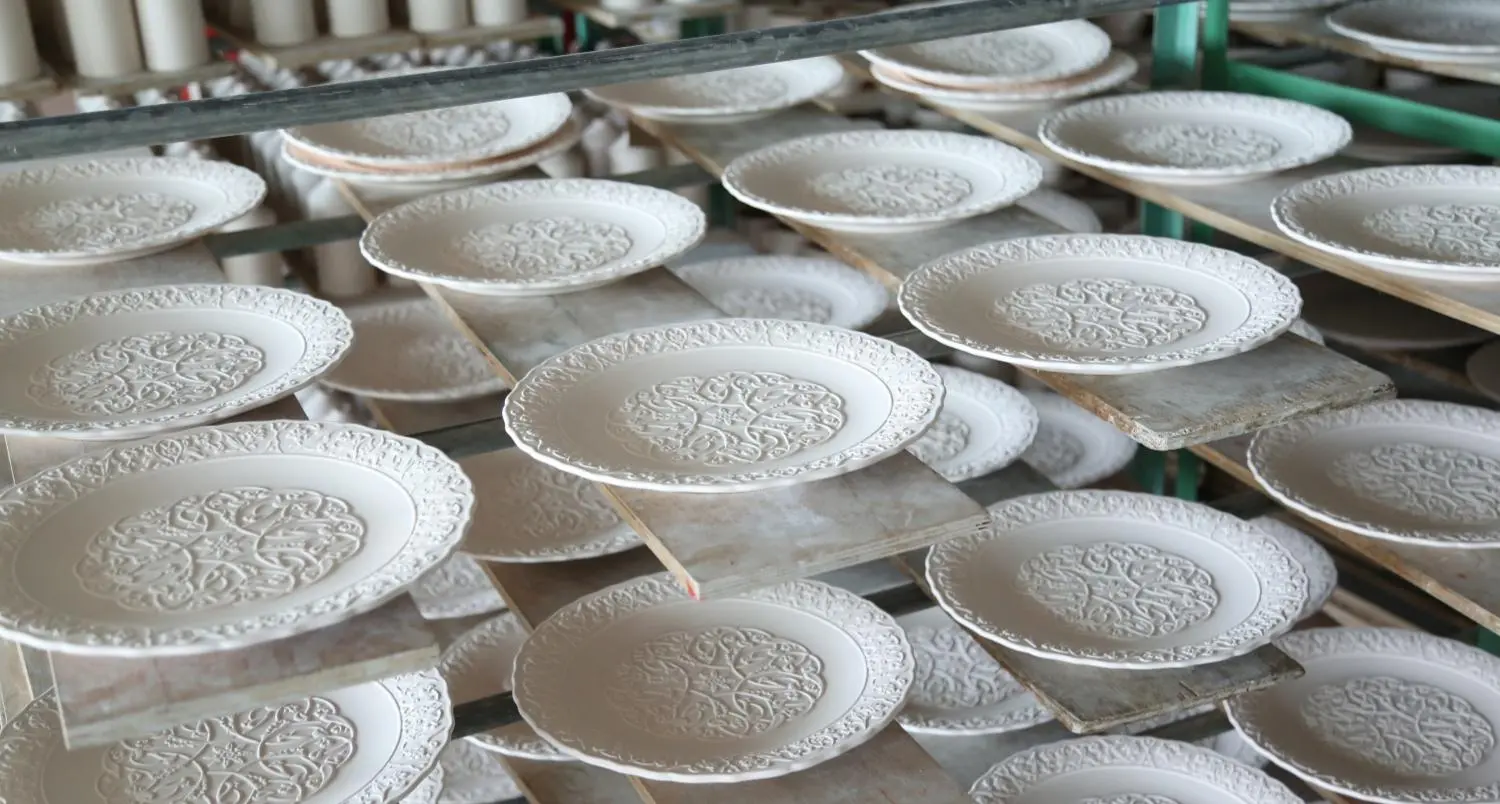
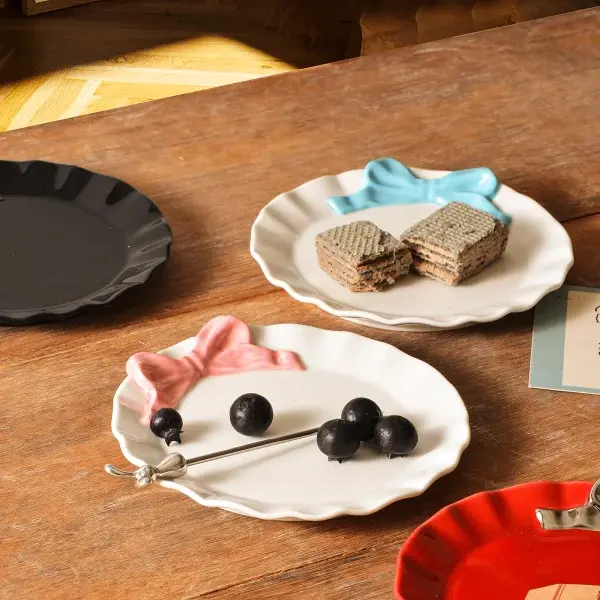
Ceramic plates are one of the most essential types of tableware. They are used in almost every dining setting, from casual home meals to luxury hotel restaurants. Plates provide the main surface for food presentation, so their size, shape, color, and finish can directly influence how a dish looks.
Common Types of Ceramic Plates
There are several common types of ceramic plates, including dinner plates, salad plates, dessert plates, side plates, pasta plates, and charger plates.
- Dinner Plates – Usually the main plates used for serving complete meals.
- Salad Plates – Smaller plates suitable for appetizers, salads, or light dishes.
- Dessert Plates – Used for cakes, pastries, fruits, and other sweet items.
- Side Plates – Often used for bread or small servings.
- Pasta Plates – Typically designed with a shallow bowl-like shape, ideal for pasta, risotto, or dishes with sauce.
- Charger Plates – Decorative base plates mainly used in formal dining or banquet settings.
Application
Ceramic plates are suitable for restaurants, hotels, banquets, buffets, catering services, and home dining. In commercial dining spaces, plates need to be both attractive and durable. They should be able to handle frequent washing, stacking, and daily use.
Key Buying Considerations
When choosing ceramic plates, buyers should consider size, rim design, thickness, weight, stackability, and durability. For restaurants and hotels, stackable plates are easier to store and manage. Scratch resistance and chip resistance are also important for high-frequency use.
It is also important to check whether the plates are microwave safe, dishwasher safe, or oven safe, depending on the intended usage. Some ceramic plates with metallic decorations or special glazes may not be suitable for microwaves.
Ceramic Bowls
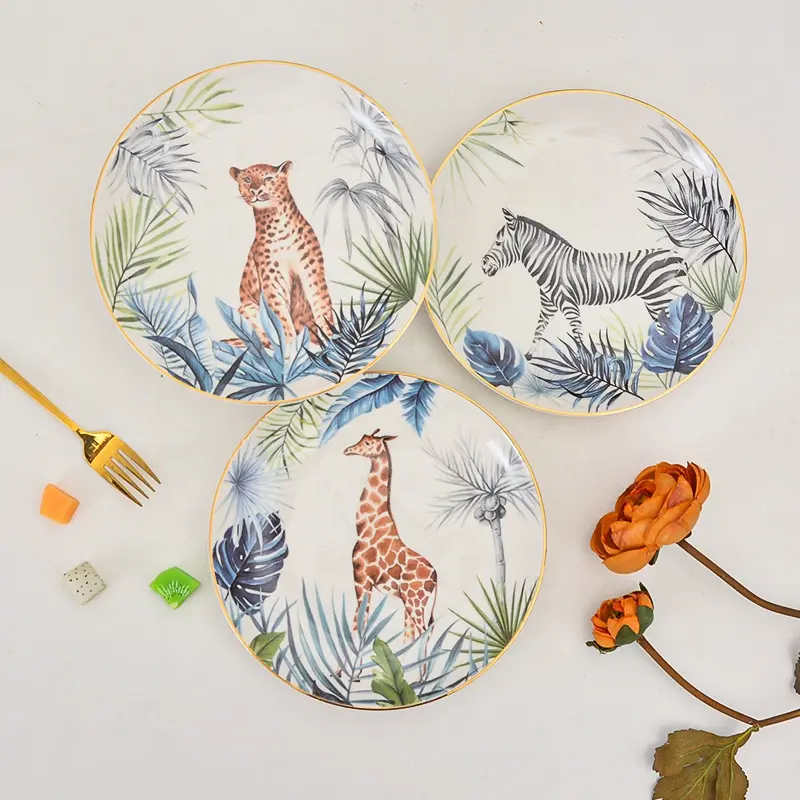
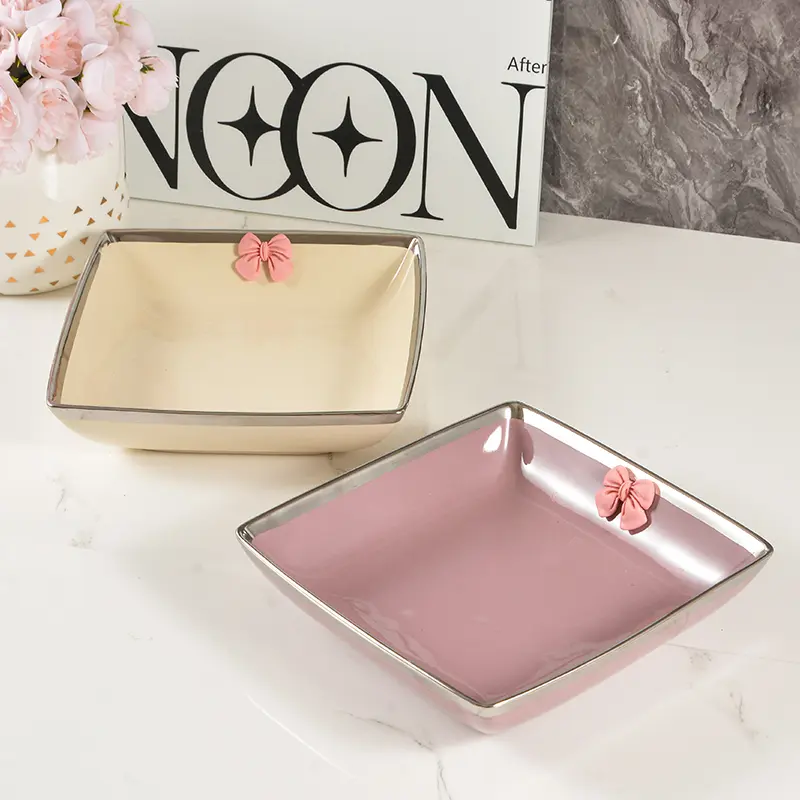
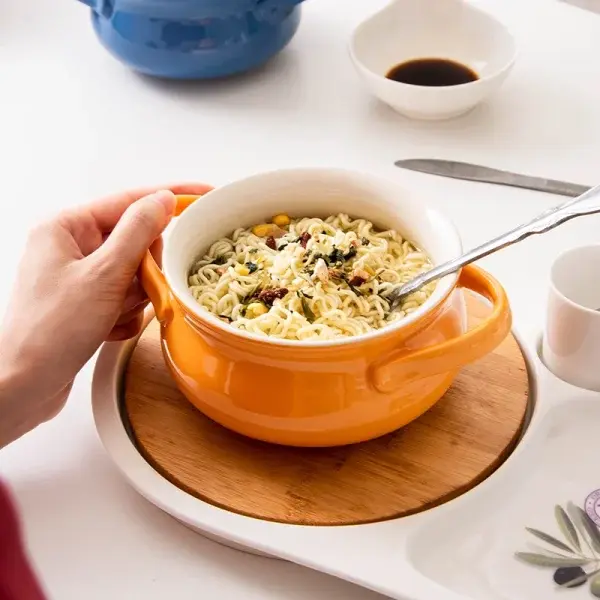
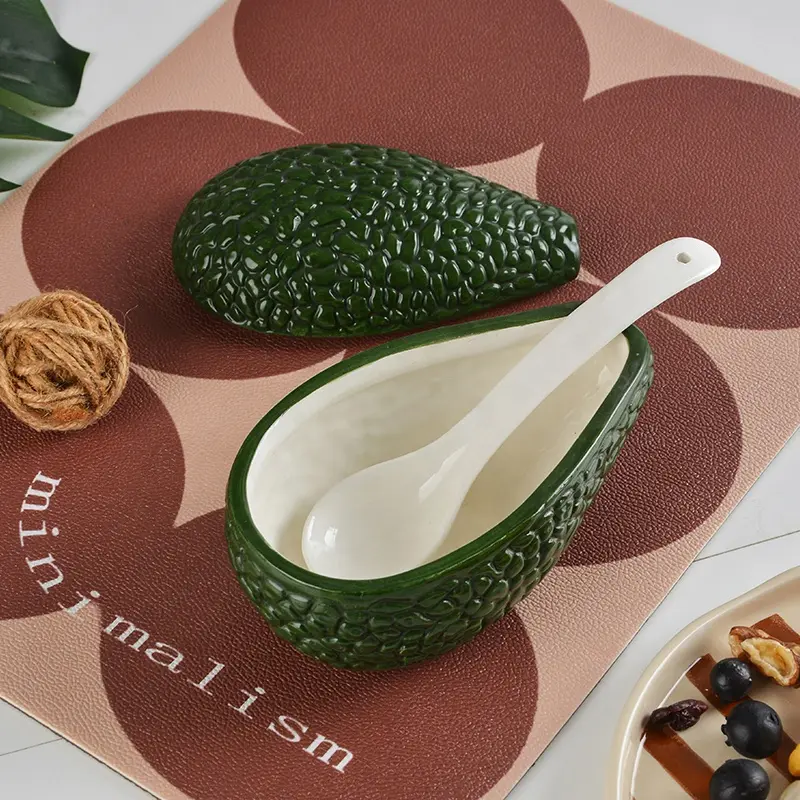
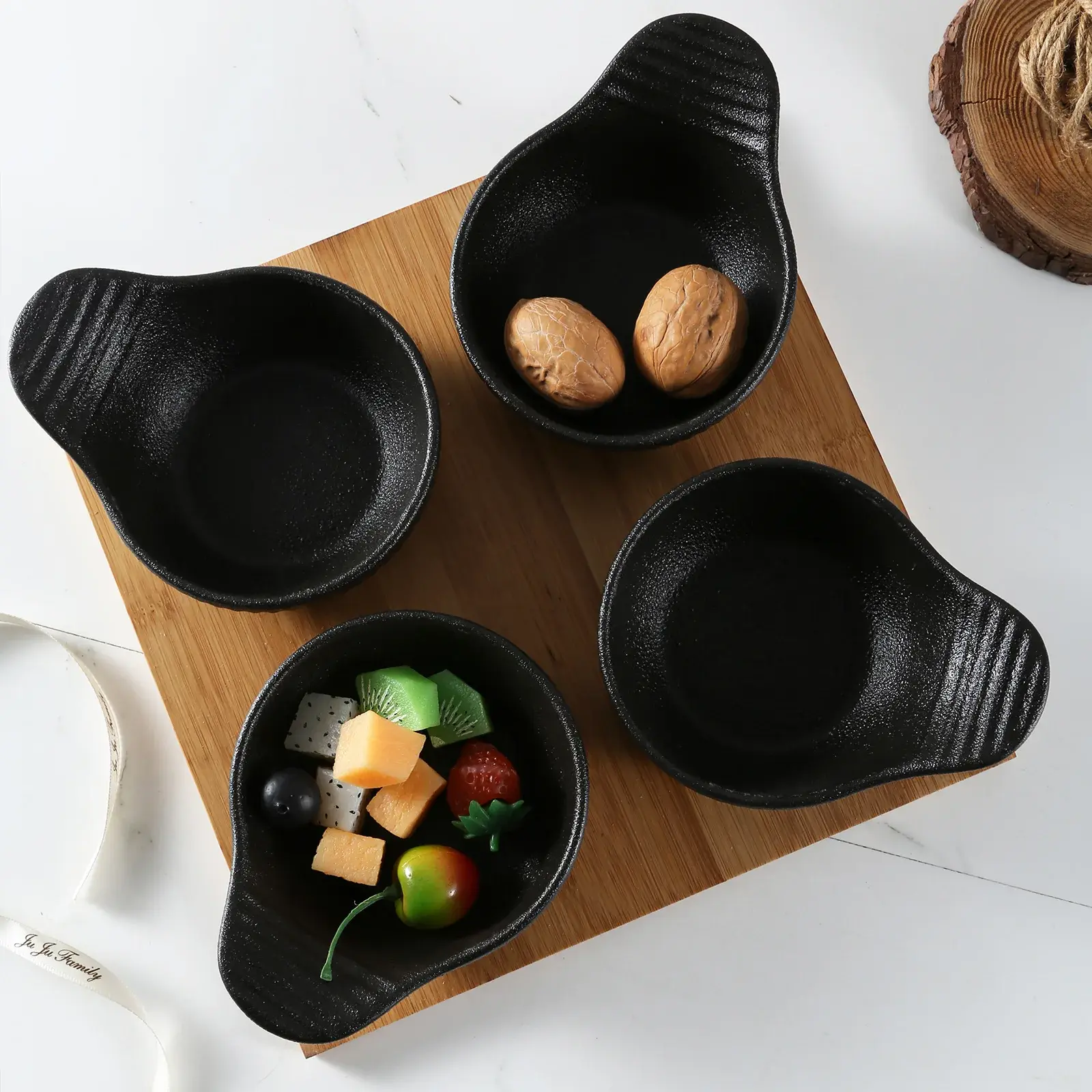
Ceramic bowls are another major category of tableware. Compared with plates, bowls are deeper and more suitable for foods with liquid, sauce, or larger volume. They are especially important in Asian dining, casual restaurants, soup service, and buffet settings.
Common Types of Ceramic Bowls
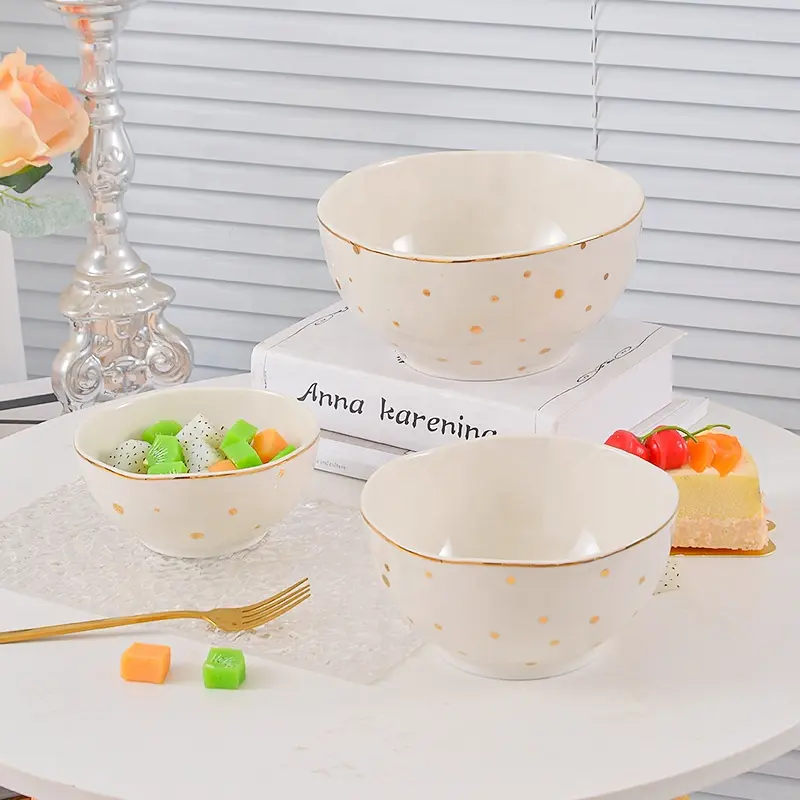
Common ceramic bowls include soup bowls, rice bowls, salad bowls, noodle bowls, serving bowls, and dessert bowls.
- Soup Bowls – Designed for serving hot soups, stews, and broths.
- Rice Bowls – Smaller bowls commonly used in Asian-style meals for rice and side dishes.
- Salad Bowls – Suitable for individual salads or shared salad servings.
- Noodle Bowls – Usually deeper and larger, ideal for ramen, pho, udon, or pasta-style dishes.
- Serving Bowls – Used for shared food portions such as vegetables, rice, or side dishes.
- Dessert Bowls – Perfect for ice cream, fruit, pudding, and other small sweet dishes.
Application
Ceramic bowls are widely used in restaurants, hotels, cafés, canteens, family dining, and catering services. They are especially useful for foods that need depth and stability, such as soups, noodles, rice dishes, sauces, and desserts.
For commercial buyers, bowl shape can affect both customer experience and kitchen efficiency. A well-designed bowl should feel stable on the table, be easy to hold, and allow food to be presented attractively.
Key Buying Considerations
When purchasing ceramic bowls, buyers should pay attention to capacity, depth, shape, rim design, and base stability. For restaurants, stackability is especially important because bowls often take up more storage space than plates.
Heat retention is another advantage of ceramic bowls. A thicker ceramic bowl can help keep soup or noodles warm for longer. However, it should not be too heavy, especially for high-volume restaurant service.
Ceramic Mugs
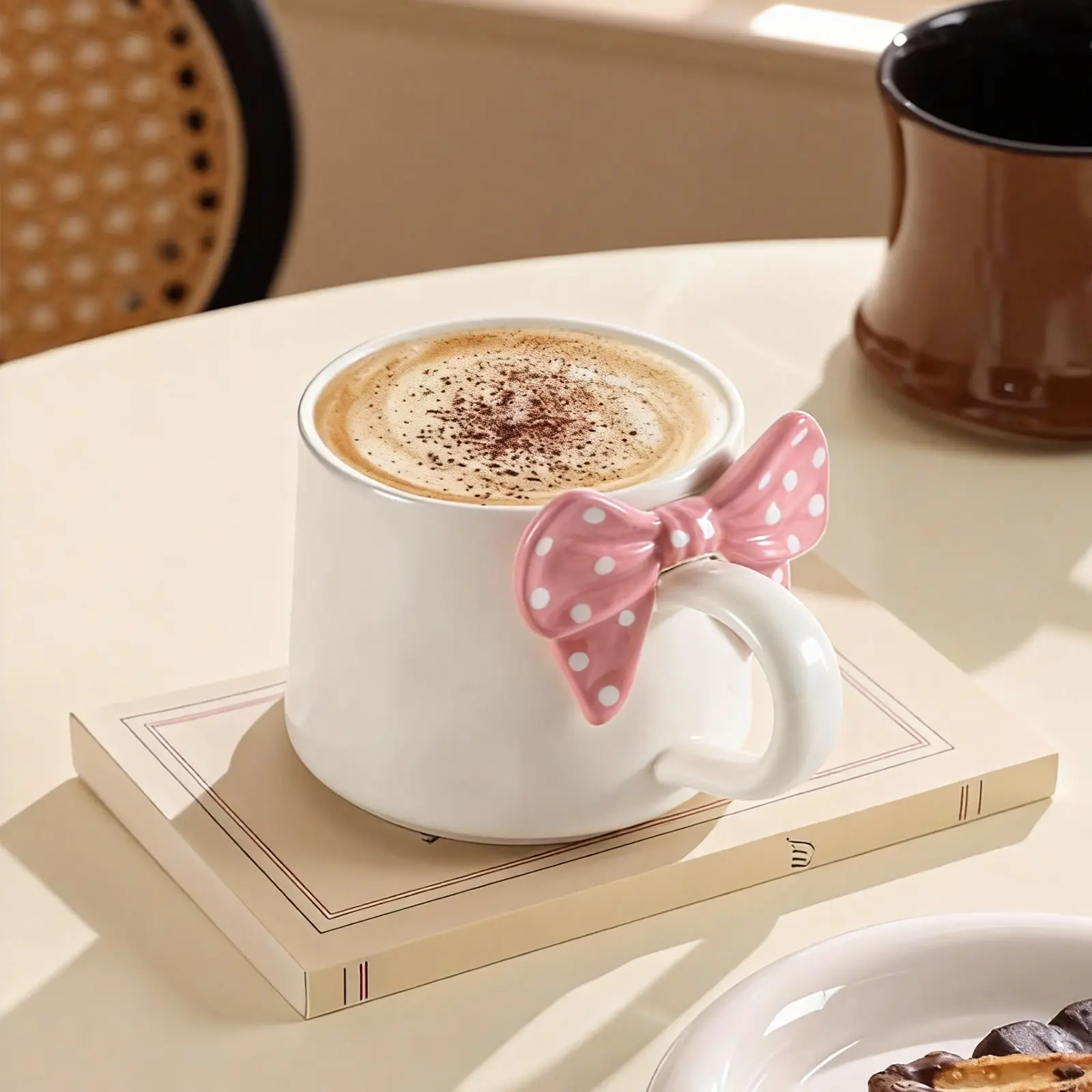
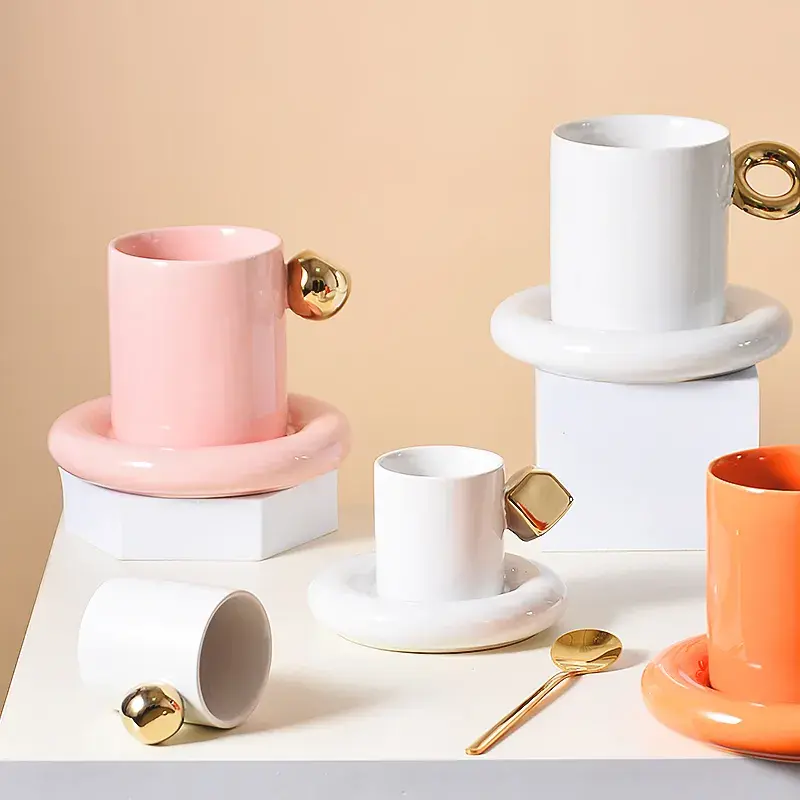
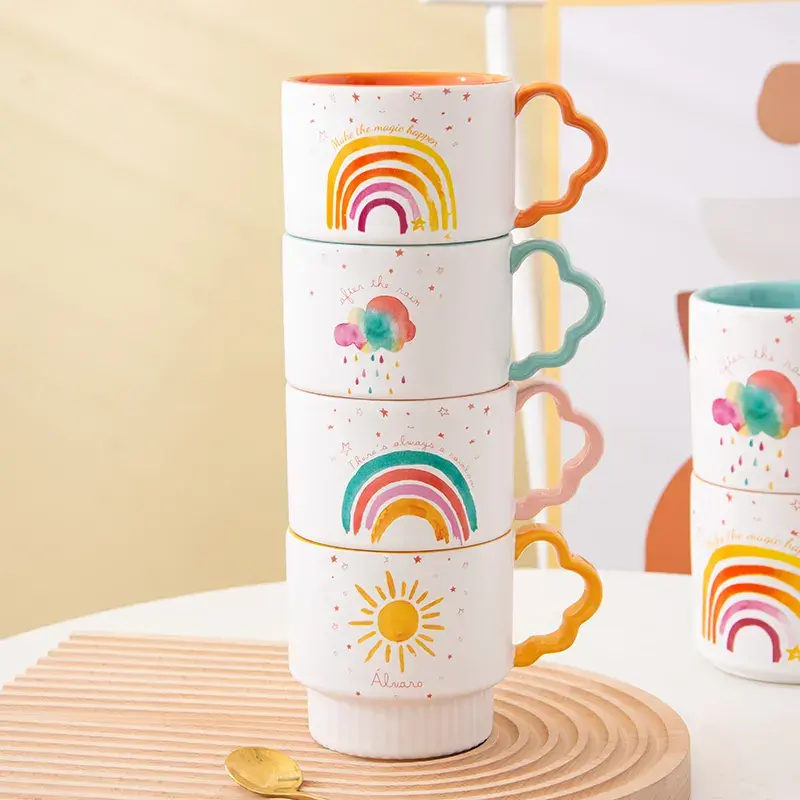
Ceramic mugs are commonly used for hot drinks such as coffee, tea, hot chocolate, milk, and specialty beverages. Unlike cups, mugs are usually larger, heavier, and more casual in style. Most mugs have handles, making them comfortable for holding hot drinks.
Common Types of Ceramic Mugs
Common ceramic mugs include coffee mugs, tea mugs, latte mugs, cappuccino mugs, travel-style ceramic mugs, and promotional mugs.
- Coffee Mugs – Commonly used for daily coffee service and hot beverages.
- Latte Mugs – Often taller or larger, designed for milk-based drinks such as lattes.
- Cappuccino Mugs – Usually smaller than latte mugs but wider than espresso cups, suitable for cappuccinos.
- Promotional Mugs – Commonly customized with logos, slogans, or brand graphics for marketing and promotional use.
Application
Ceramic mugs are suitable for cafés, coffee shops, hotels, offices, restaurants, gift shops, and retail brands. For cafés, the mug is part of the customer experience. A comfortable handle, smooth rim, and attractive glaze can make the drink feel more premium.
For hotels, ceramic mugs are often used in guest rooms, breakfast areas, and lounge spaces. For businesses, customized mugs are also popular as promotional products because they are practical, visible, and easy to brand.
Key Buying Considerations
When choosing ceramic mugs, buyers should consider capacity, handle comfort, wall thickness, heat retention, glaze quality, and logo printing options. A mug should feel comfortable in the hand and stable when placed on a table.
For commercial use, consistent color and shape are also important. If a business orders mugs in bulk, the products should have stable quality across different production batches.
Ceramic Cups
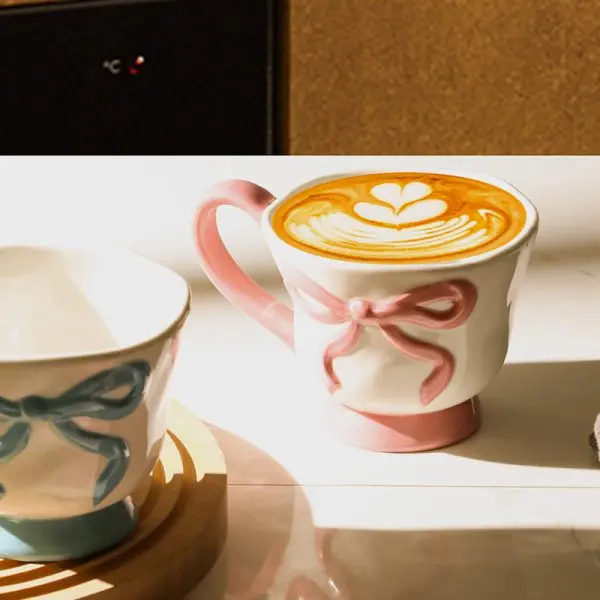
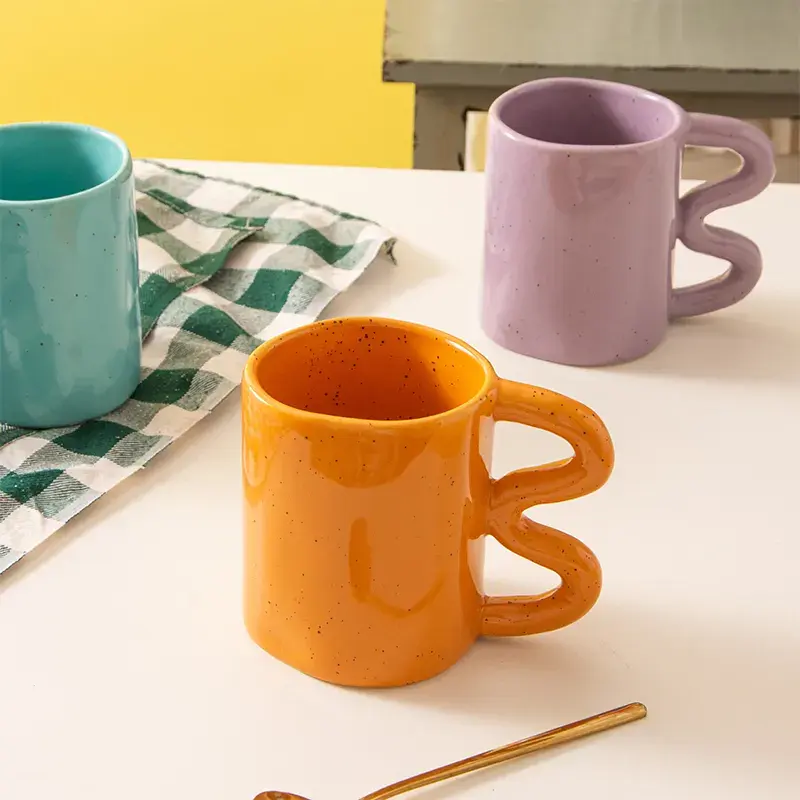
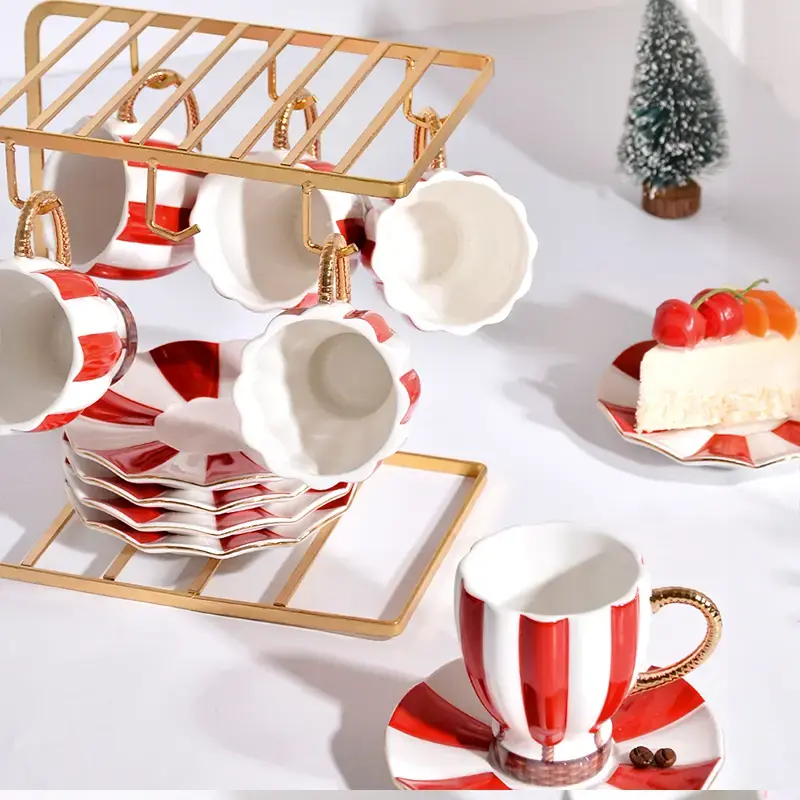
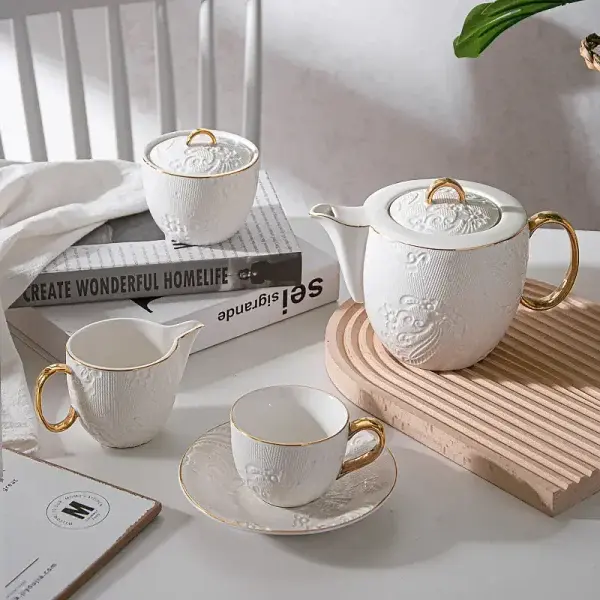
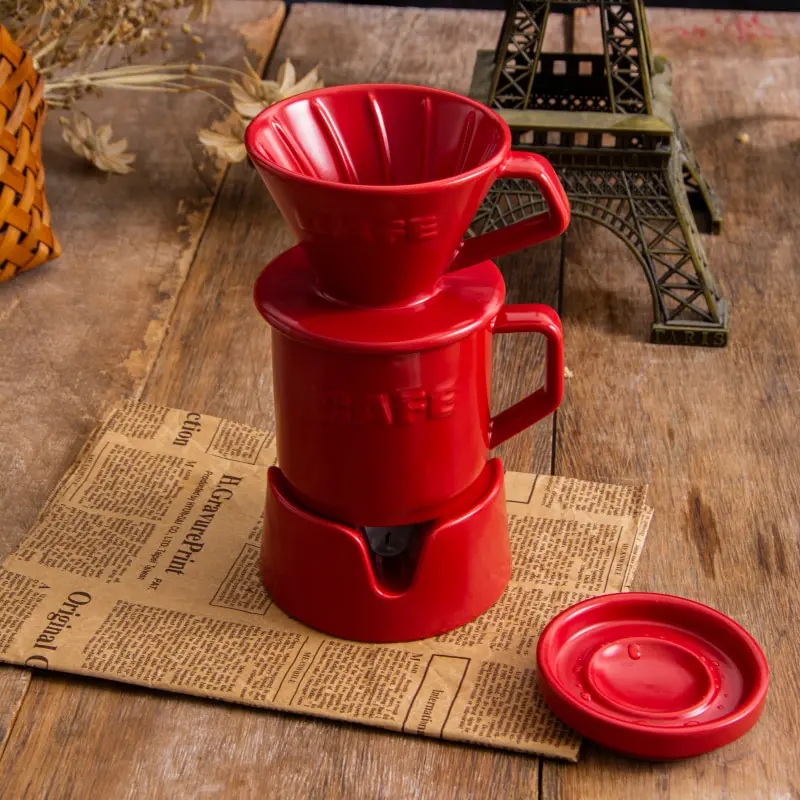
Ceramic cups are often smaller and more refined than mugs. They are commonly used for tea, espresso, coffee, tasting drinks, and formal beverage service. Many ceramic cups are paired with saucers, especially in cafés, hotels, restaurants, and afternoon tea settings.
Difference Between Cups and Mugs
Although cups and mugs may look similar, they are not exactly the same. Mugs are generally larger, more casual, and often used without saucers. Cups are usually smaller, lighter, and more formal. Cups are also more commonly used for espresso, tea, and elegant drink service.
Common Types of Ceramic Cups
Common ceramic cups include tea cups, espresso cups, cappuccino cups, coffee cups, tasting cups, and hotel room cups.
Tea cups are often designed with a light and elegant shape. Espresso cups are small but usually thicker to help retain heat. Cappuccino cups are wider and suitable for milk foam presentation. Tasting cups are often used in tea houses, coffee testing, or specialty beverage service.
Key Buying Considerations
When choosing ceramic cups, buyers should consider capacity, rim thickness, handle design, cup shape, and whether the cup needs a matching saucer. For hotel and restaurant use, the cup should also match the overall tableware collection.
A good ceramic cup should not only look attractive but also feel comfortable when drinking. The rim should be smooth, the handle should be easy to hold, and the base should be stable.
Ceramic Serveware
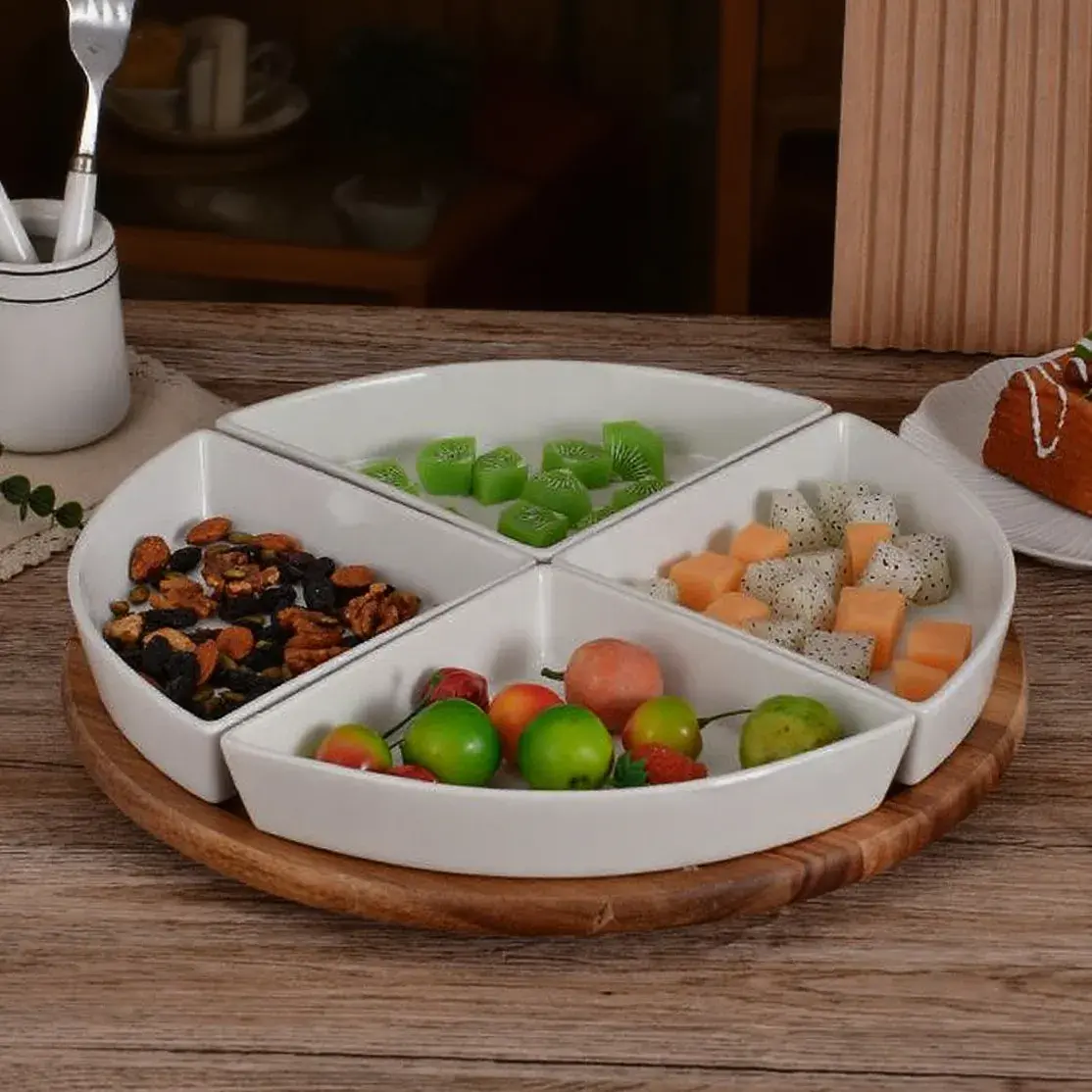
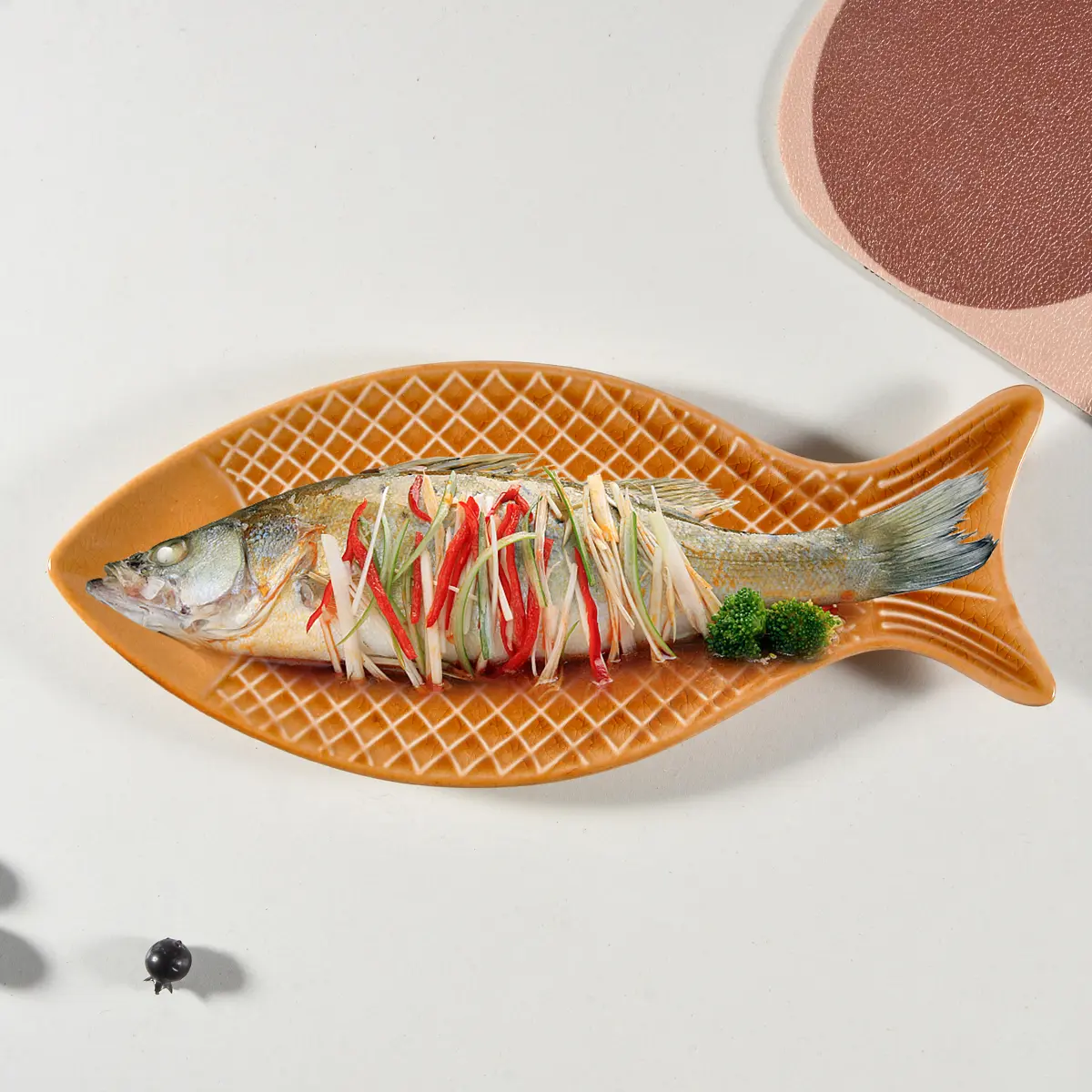
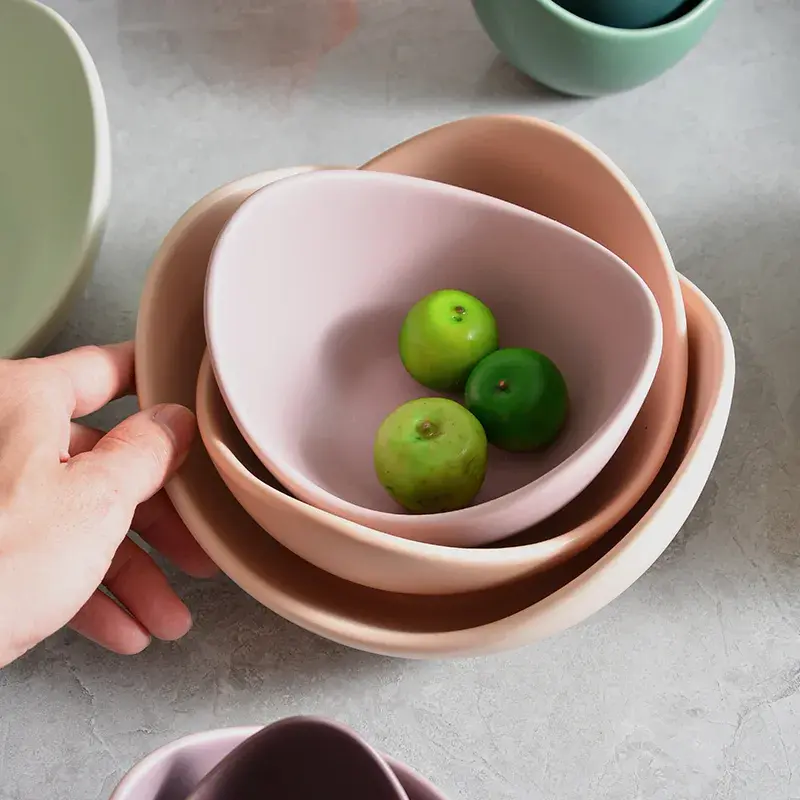
Serveware is an important category of ceramic tableware that is often used for presenting and sharing food at the dining table. Unlike plates, bowls, or cups that are mainly designed for individual use, serveware is created for serving larger portions, shared dishes, and decorative food presentation.
In restaurants, hotels, cafés, buffets, and family dining settings, ceramic serveware helps improve both practicality and visual appeal. Well-designed serveware can make dishes look more attractive while also creating a more organized dining experience.
Common Types of Ceramic Serveware
There are many types of ceramic serveware, including:
- Serving Platters – Commonly used for seafood, grilled meats, sushi, desserts, and shared appetizers.
- Serving Bowls – Suitable for salads, pasta, soups, fruits, or side dishes.
- Trays – Often used for tea service, desserts, or snack presentation.
- Gravy Boats – Designed for serving gravy, sauces, or dressings neatly.
- Sauce Dishes – Ideal for condiments, dipping sauces, and seasonings.
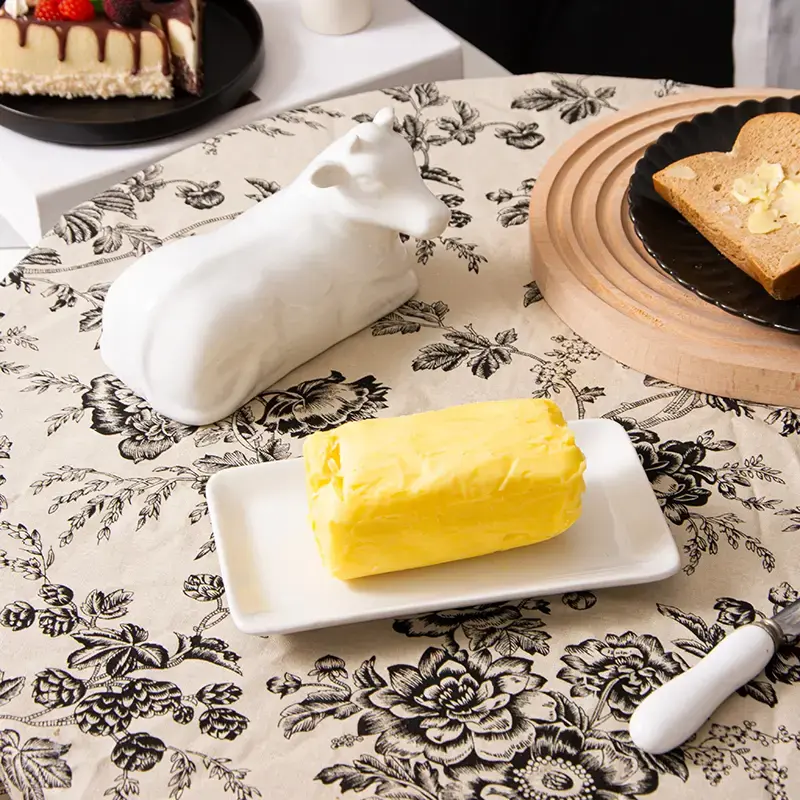
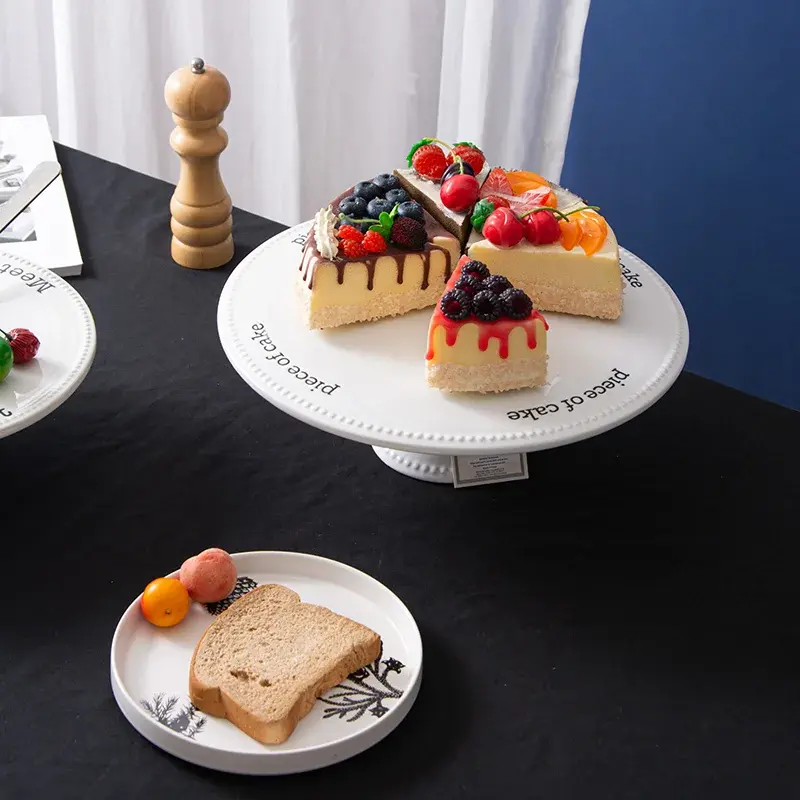
- Cake Stands – Frequently used in bakeries, cafés, hotels, and afternoon tea settings to create an elegant dessert presentation.
- Butter Dishes – Used for storing and serving butter in a clean and stylish way.
- Dip Bowls – Small bowls suitable for dips, sauces, and side condiments.
- Appetizer Trays – Designed for serving snacks, finger foods, and starters.
- Covered Serving Dishes – Used to keep food warm, protected, and visually appealing during serving.
Application
Ceramic serveware is widely used in:
- Restaurants
- Hotels
- Buffets
- Catering services
- Banquet halls
- Family dining
- Afternoon tea service
- Café dessert presentation
For commercial dining businesses, serveware is especially important because it directly affects food presentation and table aesthetics. A large ceramic platter can make shared dishes look more premium, while coordinated serving bowls and trays help create a more professional dining atmosphere.
In buffet and banquet settings, ceramic serveware is often chosen because it combines durability with an elegant appearance. Many businesses prefer ceramic serveware with matching glaze colors and styles to maintain a consistent brand image.
Key Buying Considerations
When choosing ceramic serveware, buyers should consider:
- Size and serving capacity
- Shape and presentation style
- Weight and handling comfort
- Heat resistance
For restaurants and hotels, durability is extremely important because serveware is frequently moved, washed, and reused. Lightweight but durable ceramic serveware can improve service efficiency while reducing breakage risk.
How to Choose the Right Ceramic Tableware
Choosing ceramic tableware depends on the dining scenario, product function, brand style, and budget. Different businesses and users may require different types of ceramic tableware.
Choose Based on Usage Scenario
- Home Dining – Buyers often focus on style, comfort, and daily convenience.
- Restaurants – Durability, stackability, and easy maintenance are usually the top priorities.
- Hotels – Tableware should look elegant, consistent, and suitable for multiple dining areas and service styles.
- Cafés – Mugs, cups, and saucers are especially important because beverage presentation is part of the brand experience.
Choose the Right Ceramic Material
- Porcelain – Suitable for refined, elegant, and fine dining settings.
- Stoneware – Ideal for casual restaurants, rustic dining, and modern handmade-style presentations.
- Bone China – Commonly used for lightweight luxury tableware and premium dining experiences.
- Earthenware – Suitable for decorative, artistic, or traditional-style tableware designs.
Check Practical Features
Before purchasing ceramic tableware, buyers should also consider practical performance details, including:
- Dishwasher safety
- Microwave safety
- Chip resistance
- Scratch resistance
- Heat resistance
- Storage and stackability efficiency
For commercial projects such as restaurants and hotels, these practical details can directly affect long-term operating costs and operational efficiency.
About Kedali Tableware Manufacturer
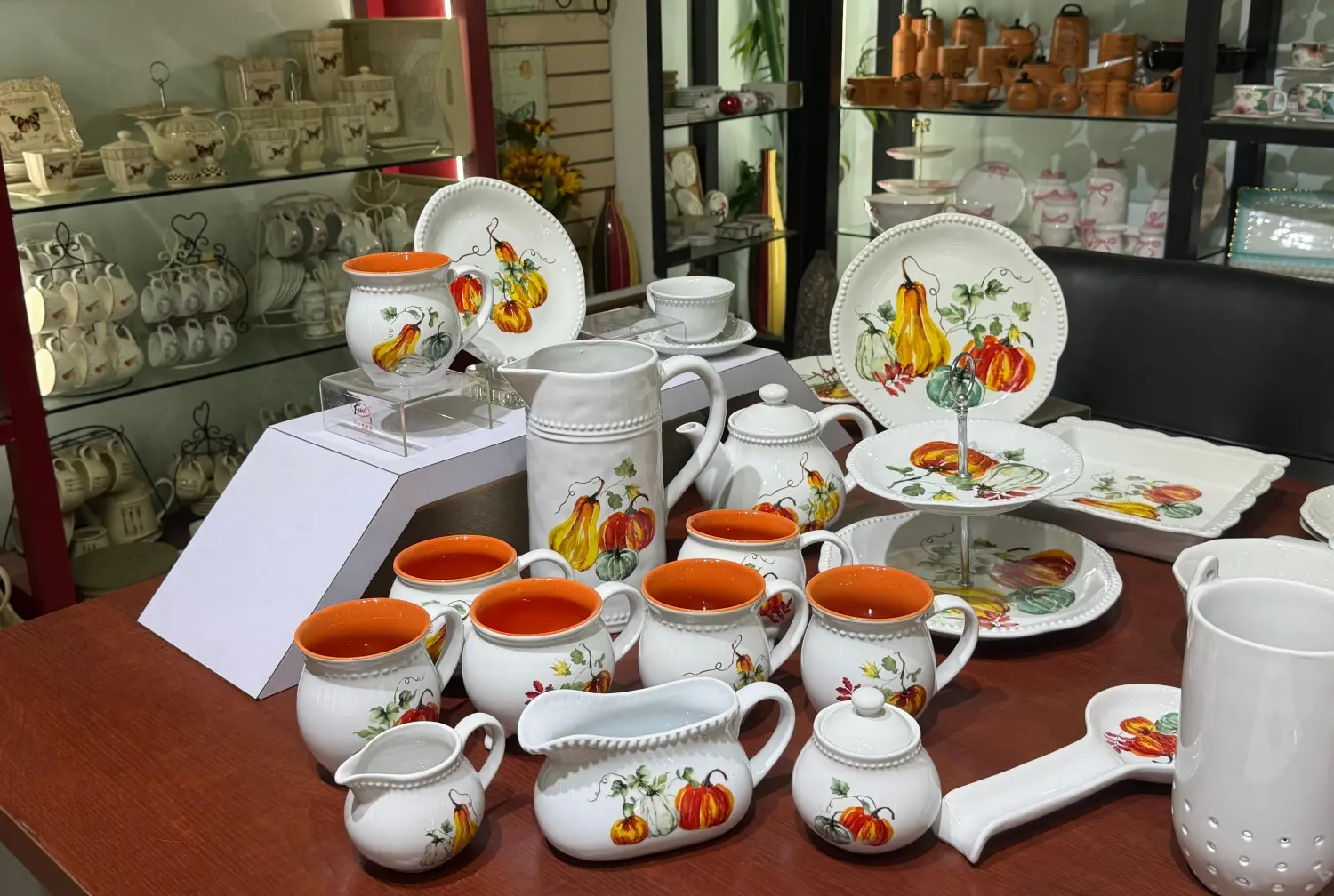
Kedali is a professional ceramic tableware manufacturer from China with more than 30 years of experience in ceramic product development and export manufacturing. We specialize in high-quality ceramic dinnerware, including plates, bowls, mugs, cups, saucers, and serveware for global wholesalers, retailers, restaurants, hotels, and homeware brands.
Kedali focuses on combining craftsmanship, functionality, and aesthetics to deliver ceramic tableware that enhances both dining experience and brand value. Our products are exported to Europe, North America, and many other international markets, serving supermarkets, chain stores, hospitality projects, and private label brands worldwide.
Our Advantage:
- Over 30 years of ceramic manufacturing experience
- Professional OEM & ODM customization support
- Wide range of ceramic tableware and serveware products
- Strong in-house design and product development team
- Custom glaze colors, shapes, patterns, and logo printing
- Experienced in serving global wholesalers and retail brands