Ceramic plates are widely used in homes, restaurants, hotels, cafés, and foodservice businesses because of their durability, aesthetics, and heat resistance. However, one question continues to appear among consumers and B2B buyers alike: Can ceramic plates go in the microwave safely?
The simple answer is: many ceramic plates are microwave-safe, but not all of them. Whether a ceramic plate can safely go in the microwave depends on its material quality, glaze, decoration, firing process, and whether it has been tested or labeled as microwave-safe.
As a professional ceramic tableware manufacturer, I explain which ceramic tableware can be microwaved and how consumers and businesses can choose safer ceramic tableware.
Are Ceramic Plates Generally Microwave-Safe?
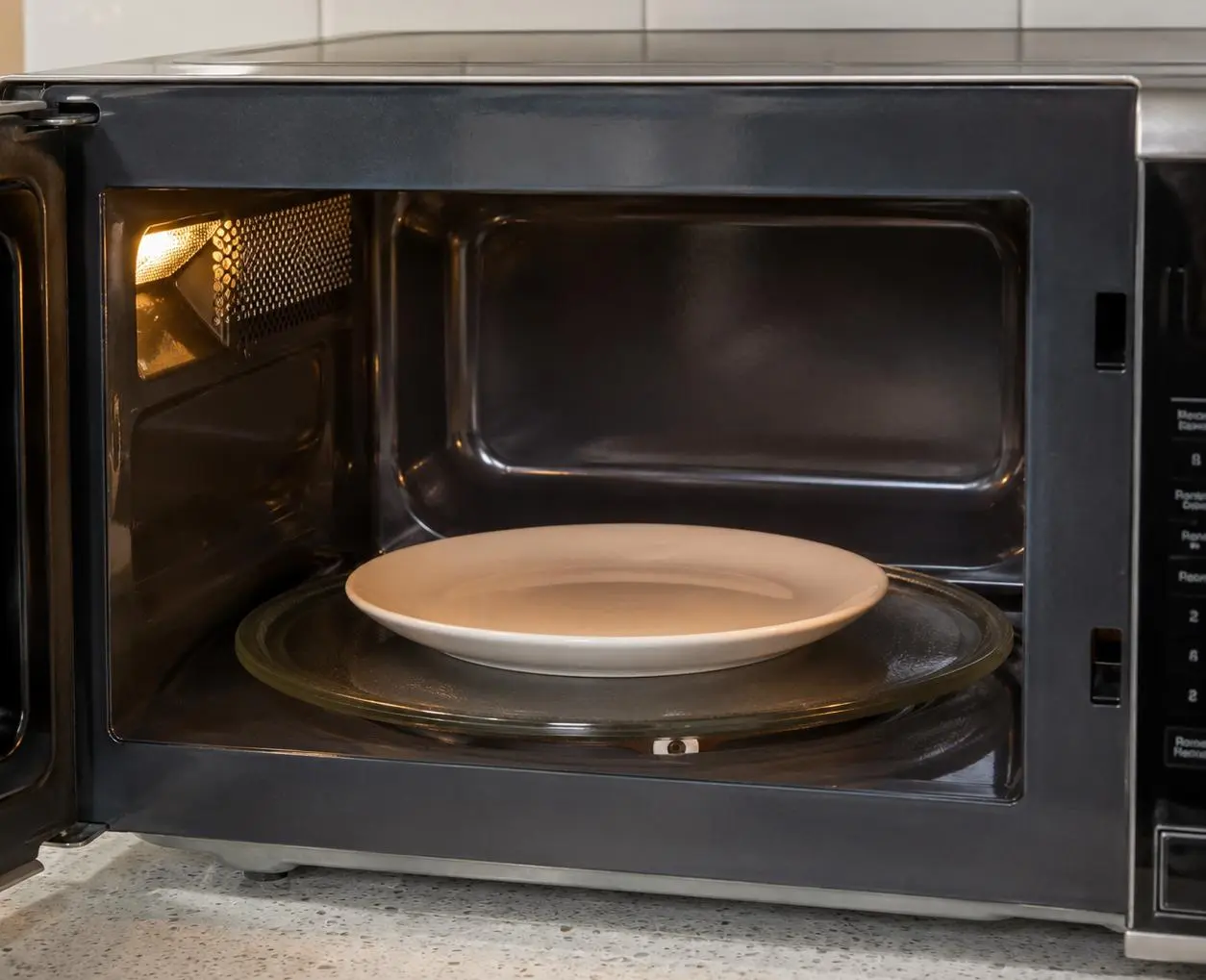
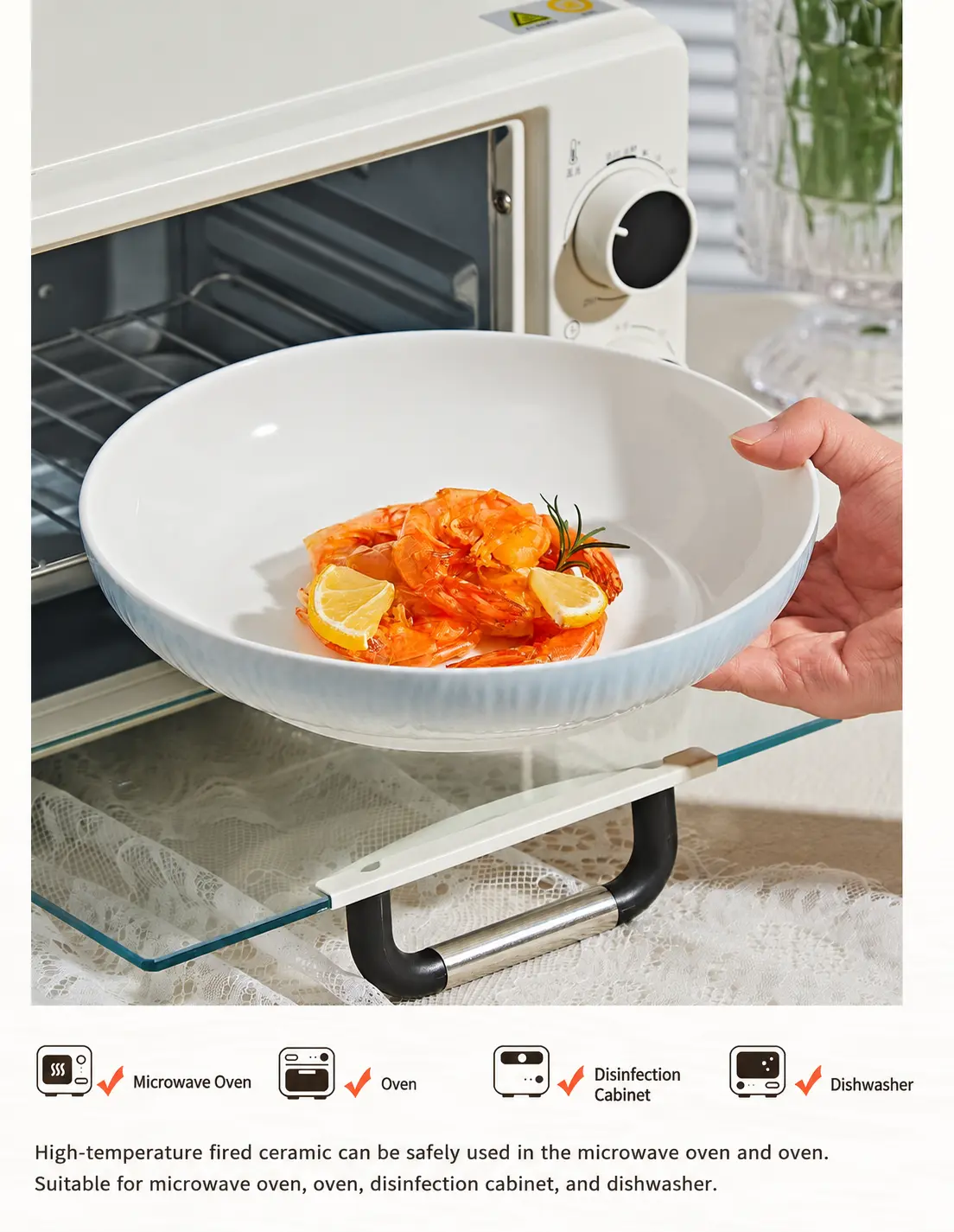
In most cases, ceramic plates can go in the microwave if they are properly manufactured and marked as microwave-safe. High-quality ceramic dinnerware is usually fired at high temperatures, which makes the plate strong, stable, and suitable for everyday food reheating.
Microwave-safe ceramic plates are commonly used for:
- Reheating meals at home
- Serving warm dishes in restaurants
- Hotel breakfast and buffet service
- Cafés, canteens, and catering businesses
- Daily food preparation and dining
However, not every ceramic plate is suitable for microwave use. Some ceramic plates may contain metallic decoration, unstable glaze, porous ceramic body, or unknown materials. These factors can cause overheating, cracking, sparking, or even damage to the microwave.
So before putting any ceramic plate in the microwave, it is important to check whether it is clearly labeled as microwave-safe.
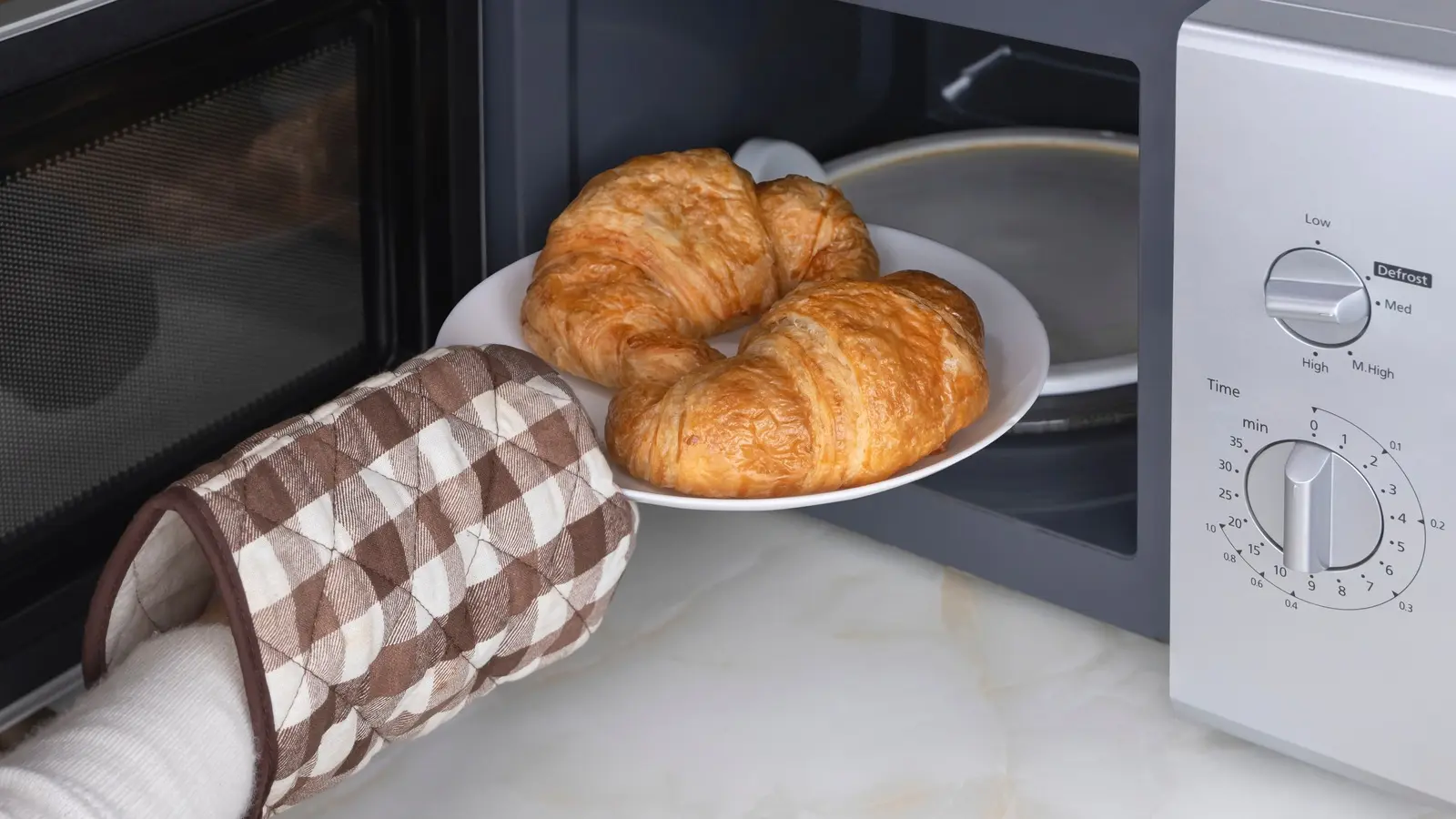
How to Tell If a Ceramic Plate Is Microwave-Safe
I. Check the Bottom Label
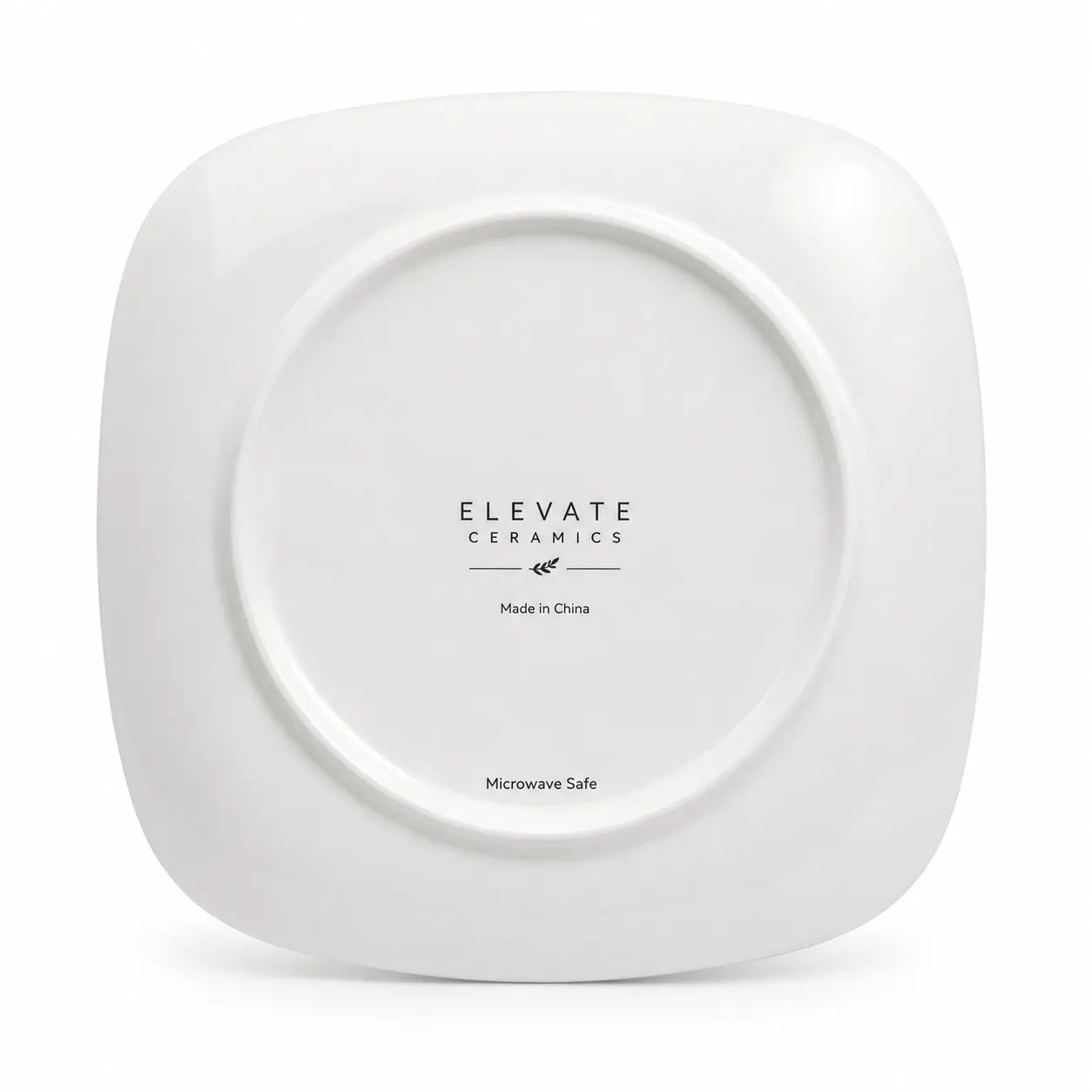
The easiest way to know whether a ceramic plate is microwave-safe is to check the bottom of the plate. Many manufacturers print or stamp safety marks directly on the base.
Look for labels such as:
- “Microwave Safe”
- “Microwave Oven Safe”
- A microwave-safe symbol
- Product usage instructions
If the plate has a clear microwave-safe mark, it is generally safe for microwave use under normal conditions.
For business buyers, especially wholesalers, distributors, hotels, and restaurants, it is also important to request product specifications from the supplier. A professional ceramic dinnerware manufacturer should be able to provide information about microwave safety, glaze quality, and product testing.
II. Read the Packaging or Product Manual
Some ceramic plates do not have a mark on the bottom, but the packaging may include usage instructions. Before using new dinnerware, check the box, product card, or instruction manual.
If the packaging clearly says the plate is microwave-safe, you can use it for reheating food. If there is no information at all, it is better to be cautious.
III. Avoid Plates with Metallic Decoration
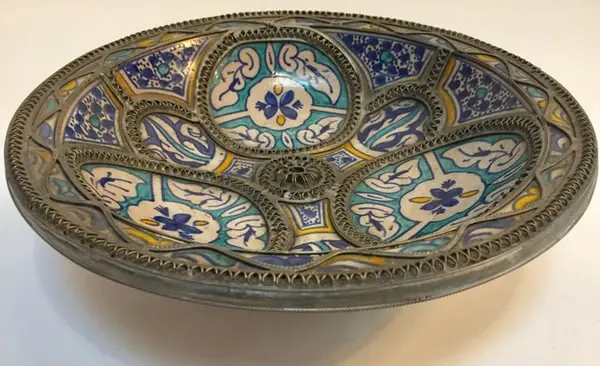
Ceramic plates with gold rims, silver edges, metallic paint, or foil patterns should not be placed in the microwave. Metal decoration can react with microwave energy and may cause sparks.
Even a thin gold line around the edge of a plate can create problems. These plates may look elegant and luxurious, but they are usually better for serving food rather than reheating food.
Why Some Ceramic Plates Are Not Microwave-Safe
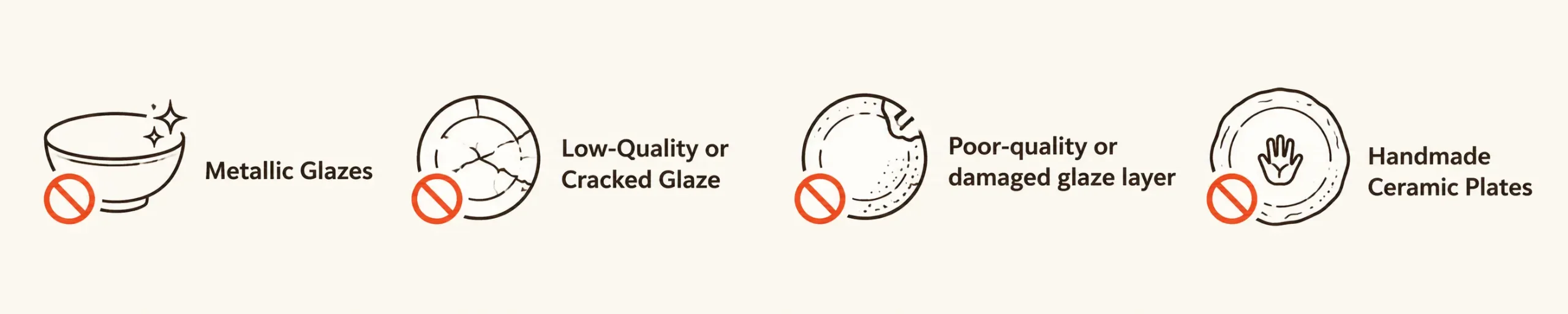
Metallic Glazes or Decorative Finishes
Some decorative ceramic plates use metallic materials to create a premium appearance. Gold, silver, copper, or other metallic details are often used on luxury dinnerware for hotels, banquets, and fine dining restaurants.
While these designs are visually attractive, they are not suitable for microwave heating. Metallic finishes may spark, overheat, or damage both the plate and the microwave.
Low-Quality or Cracked Glaze
Glaze plays an important role in ceramic dinnerware. A good glaze protects the ceramic body, creates a smooth surface, improves stain resistance, and makes the plate easier to clean.
However, if the glaze is low-quality, uneven, cracked, or chipped, the plate may not be safe for microwave use. Cracked glaze can allow moisture to enter the ceramic body. When heated in the microwave, this trapped moisture may expand and increase the risk of cracking.
Porous Ceramic Material
Some ceramic materials are more porous than others. If a plate absorbs water or moisture, it may become very hot in the microwave. In some cases, it can crack because the moisture inside the plate heats up too quickly.
High-quality ceramic plates are usually made with better raw materials and fired properly to reduce porosity. This is one reason why ceramic quality matters so much, especially for commercial dinnerware.
Old, Handmade, or Vintage Ceramic Plates
Vintage ceramic plates, handmade pottery, or decorative plates may not meet modern microwave safety standards. Their glaze composition may be unknown, and some older plates may contain materials that are not suitable for food heating.
Handmade ceramic plates can be microwave-safe, but it depends on how they were made and glazed. If you are unsure, it is best to ask the maker or avoid microwaving them.
Simple Test: How to Check a Ceramic Plate at Home
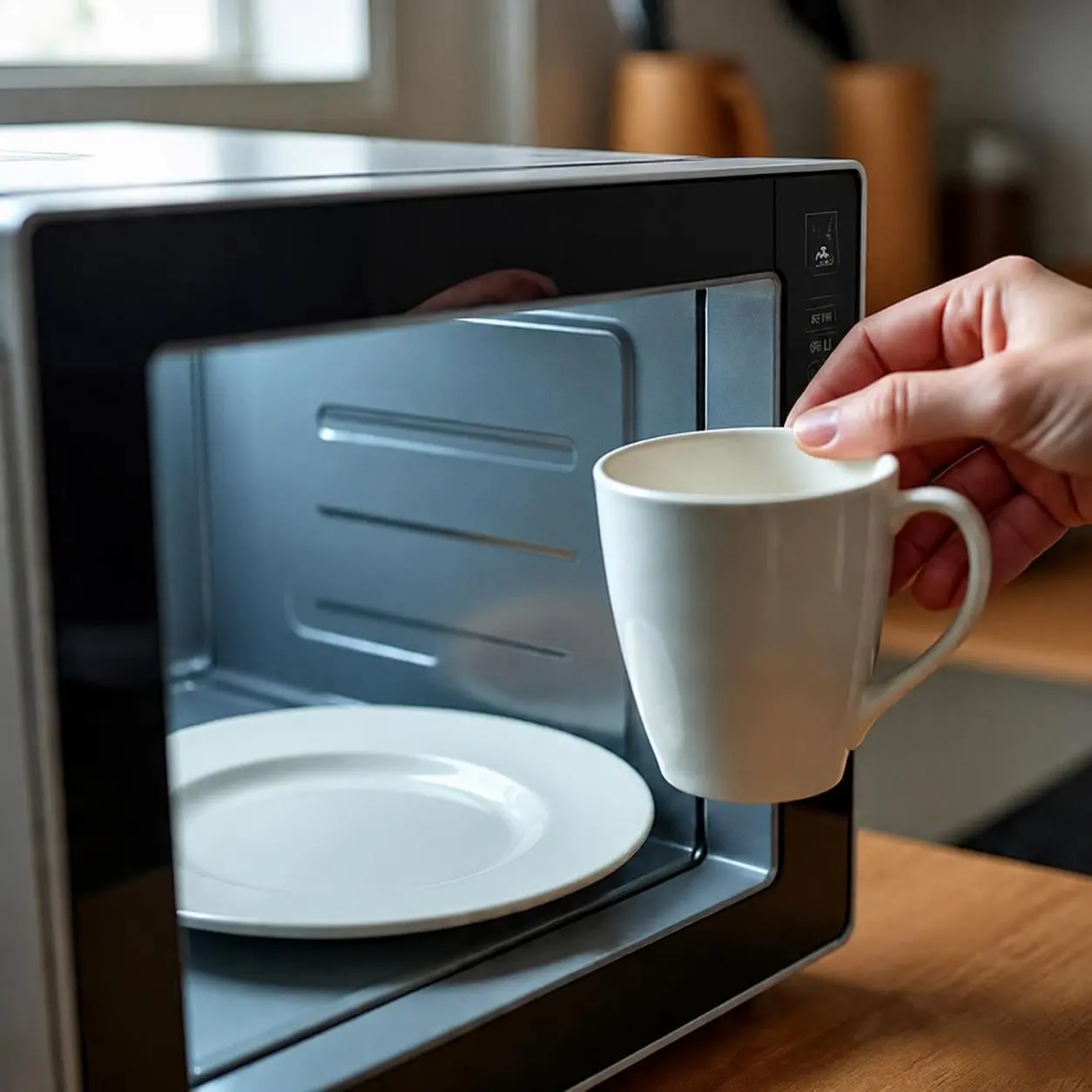
If your ceramic plate has no label and you are not sure whether it is microwave-safe, you can do a simple water test.
The Water Test Method
- Place the ceramic plate in the microwave.
- Put a microwave-safe cup filled with water on top of or next to the plate.
- Heat them for about one minute.
- Carefully touch the water and the plate.
How to Understand the Result
If the water becomes hot while the ceramic plate stays cool or only slightly warm, the plate is likely microwave-safe.
If the ceramic plate becomes very hot while the water is not as hot, the plate may be absorbing microwave energy. In that case, it is better not to use the plate in the microwave.
Be careful when doing this test. Always handle heated items with care to avoid burns.
Best Practices for Microwaving Ceramic Plates Safely
Use Only Microwave-Safe Plates
Always choose ceramic plates that are clearly marked as microwave-safe. This is especially important for families, restaurants, cafés, and hotels that use microwaves frequently.
Avoid Sudden Temperature Changes
Do not take a ceramic plate from the refrigerator and immediately heat it for a long time in the microwave. Sudden temperature changes may increase the risk of cracking.
Also avoid placing a very hot ceramic plate directly onto a cold or wet surface.
Do Not Microwave Empty Plates
Heating an empty ceramic plate is not recommended. Without food or liquid to absorb microwave energy, the plate may overheat.
Inspect Plates Before Use
Before microwaving a ceramic plate, check whether it has cracks, chips, or damaged glaze. If the plate is damaged, replace it.
This is especially important in commercial foodservice environments, where plates are used repeatedly every day.
Conclusion
So, can ceramic plates go in the microwave? Yes, many ceramic plates can be safely used in the microwave, but only if they are properly made and clearly marked as microwave-safe.
Before microwaving a ceramic plate, always check the label, avoid metallic decoration, inspect for cracks or chips, and be careful with old or handmade ceramics. If a plate becomes extremely hot in the microwave, it is better to stop using it for reheating food.
For daily home use, restaurants, hotels, and wholesale dinnerware buyers, microwave-safe ceramic plates offer convenience, durability, and practical value. By choosing high-quality ceramic plates from a reliable manufacturer or supplier, buyers can enjoy both attractive tableware design and safer everyday performance.
About Kedali Tableware Manufacturer
Kedali is a professional ceramic tableware manufacturer from China with more than 30 years of experience in ceramic product development and export manufacturing. We specialize in high-quality ceramic dinnerware, including plates, bowls, mugs, cups, saucers, and serveware for global wholesalers, retailers, restaurants, hotels, and homeware brands.
Kedali focuses on combining craftsmanship, functionality, and aesthetics to deliver ceramic tableware that enhances both dining experience and brand value. Our products are exported to Europe, North America, and many other international markets, serving supermarkets, chain stores, hospitality projects, and private label brands worldwide.
Our Advantage
- Professional OEM & ODM customization support
- Wide range of ceramic tableware and serveware products
- Strong in-house design and product development team
- Custom glaze colors, shapes, patterns, and logo printing
- Experienced in serving global wholesalers and retail brands
- Stable product quality with strict quality control standards
- Export experience in Europe, North America, and other global markets
- Support for private label and brand collection development